The Current Value of Red Bull in 2026: Financial Valuation, Revenue, and Corporate Breakdown
In 2026, the estimated enterprise value of Red Bull GmbH ranges between $25 billion and $35 billion, while its standalone brand valuation is estimated between $18 billion and $22 billion. The privately held Austrian beverage giant gene...
In 2026, the estimated enterprise value of Red Bull GmbH ranges between $25 billion and $35 billion, while its standalone brand valuation is estimated between $18 billion and $22 billion. The privately held Austrian beverage giant generates annual global revenues exceeding €10.5 billion ($11.5 billion USD), propelled by selling over 12 billion cans worldwide each year.
Contents
Estimated Enterprise Value and Brand Valuation of Red Bull in 2026
Evaluating the net worth of Red Bull GmbH requires distinguishing between brand value (the standalone intangible worth of the Red Bull trademark) and enterprise value (the total theoretical corporate valuation if the firm were publicly traded). Because Red Bull GmbH remains a tightly controlled private entity, financial analysts derive its valuation by comparing its financial metrics against publicly traded peers, primarily Monster Beverage Corporation (NASDAQ: MNST) and Celsius Holdings (NASDAQ: CELH).
Public energy drink entities typically trade at enterprise-value-to-revenue (EV/Revenue) multiples ranging from 5x to 8x, driven by industry-leading gross margins and robust international growth. If Red Bull were to launch an Initial Public Offering (IPO) on a major exchange, its dominant global market share—controlling roughly 30% to 40% of the international energy drink volume—could command an enterprise value exceeding $60 billion.
However, within private equity and corporate valuation frameworks, institutional analysts apply a private company illiquidity discount (typically 20% to 30%). Accounting for this discount, conservative estimates place Red Bull GmbH's enterprise value between $25 billion and $35 billion.
Brand evaluation consultancies, such as Brand Finance and Interbrand, consistently rank Red Bull among the top consumer brands in the world. Its standalone brand value sits at approximately $18 billion to $22 billion, reflecting its supreme consumer brand equity, pricing power, and near-universal brand recognition across major consumer markets.
Financial Performance and Operational Revenue Drivers
Red Bull’s business model differs significantly from traditional fast-moving consumer goods (FMCG) conglomerates. Rather than maintaining heavy capital investment in manufacturing plants and bottling infrastructure, Red Bull relies on an asset-light, high-margin operating framework.
- Red Bull GmbH (Brand Ownership, Marketing, Global Strategy)
- Strategic Operations
- Formula 1 Teams
- Football Clubs
- Media House Assets
- Contract Partners
- Rauch Fruchtsäfte (Canning & Production)
- External Logistics
- Strategic Operations
1. Outsourced Canning and Packaging Operations
The core beverage production is outsourced to long-term industrial partners, primarily Austrian fruit juice producer Rauch Fruchtsäfte, which operates specialized canning plants in Nüziders, Austria, and Widnau, Switzerland. By outsourcing capital-intensive manufacturing processes, Red Bull minimizes capital expenditures (CapEx) and maintains operating margins estimated between 20% and 25%.
2. Marketing-Centric Revenue Reinvestment
Red Bull historically reinvests 25% to 30% of its gross annual revenues directly into marketing and brand building. Unlike standard beverage companies that purchase traditional media advertising, Red Bull finances proprietary sports events, owns multi-sport franchises, and produces media content through Red Bull Media House. This reinvestment strategy creates a self-reinforcing flywheel: beverage sales fund sports media operations, which in turn drive higher consumer engagement and drink volume.
3. Global Can Distribution Volumes
Global volume drives the company's baseline earnings. With annual unit sales exceeding 12 billion cans, key operational growth areas include emerging markets in Asia-Pacific and Latin America, alongside sustained premium pricing power across North America and Western Europe.
Ownership Structure and Stakeholder Wealth Breakdown
Red Bull GmbH was established in 1984 by Austrian entrepreneur Dietrich Mateschitz and Thai businessman Chaleo Yoovidhya, officially launching the beverage in 1987. The ownership structure remains divided between the Mateschitz equity holding and the Yoovidhya family trust, maintaining a private ownership model that shields internal accounting from public market scrutiny.
- Red Bull GmbH
- 49%: Mark Mateschitz (Distribution & Marketing GmbH)
- 51%: Yoovidhya Family (TC Agrochem / Chalerm Yoovidhya)
Mark Mateschitz (49% Equity Stake)
Following the passing of co-founder Dietrich Mateschitz in October 2022, his 49% ownership stake passed to his son, Mark Mateschitz, held via Distribution & Marketing GmbH. Mark Mateschitz's net worth is estimated at $38 billion to $40 billion, placing him among the wealthiest individuals globally. His net worth reflects not only the equity valuation of his 49% stake in Red Bull GmbH, but also accumulated corporate dividend distributions, personal real estate portfolios, and private investment holdings.
The Yoovidhya Family (51% Combined Stake)
The Thai-based Yoovidhya family holds the remaining 51% controlling stake in Red Bull GmbH:
- Chalerm Yoovidhya holds a direct 2% stake.
- TC Agrochem (owned by the Yoovidhya family) holds a 49% stake.
Combined, the Yoovidhya family's collective net worth exceeds $35 billion to $40 billion. Although the Thai partners hold controlling interest on paper, historical governance agreements have traditionally granted operational management autonomy to the Austrian executive headquarters in Fuschl am See.
Key Subsidiary Assets Contributing to Corporate Worth
Beyond beverage distribution, Red Bull GmbH owns a diversified portfolio of physical, sporting, and media assets that add substantially to the firm’s total enterprise balance sheet.
Motorsport Infrastructure (Red Bull Technology & Racing Teams)
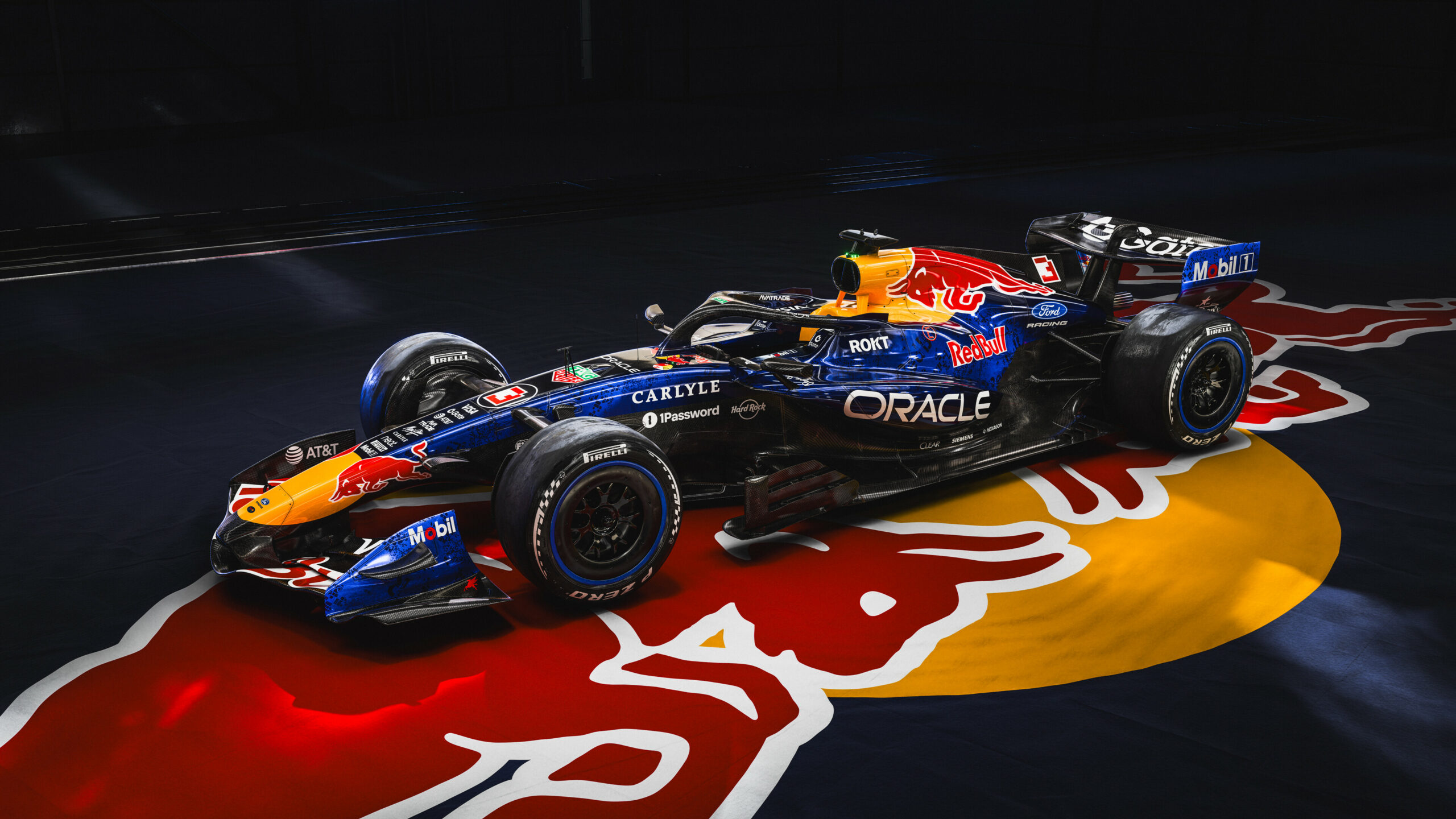
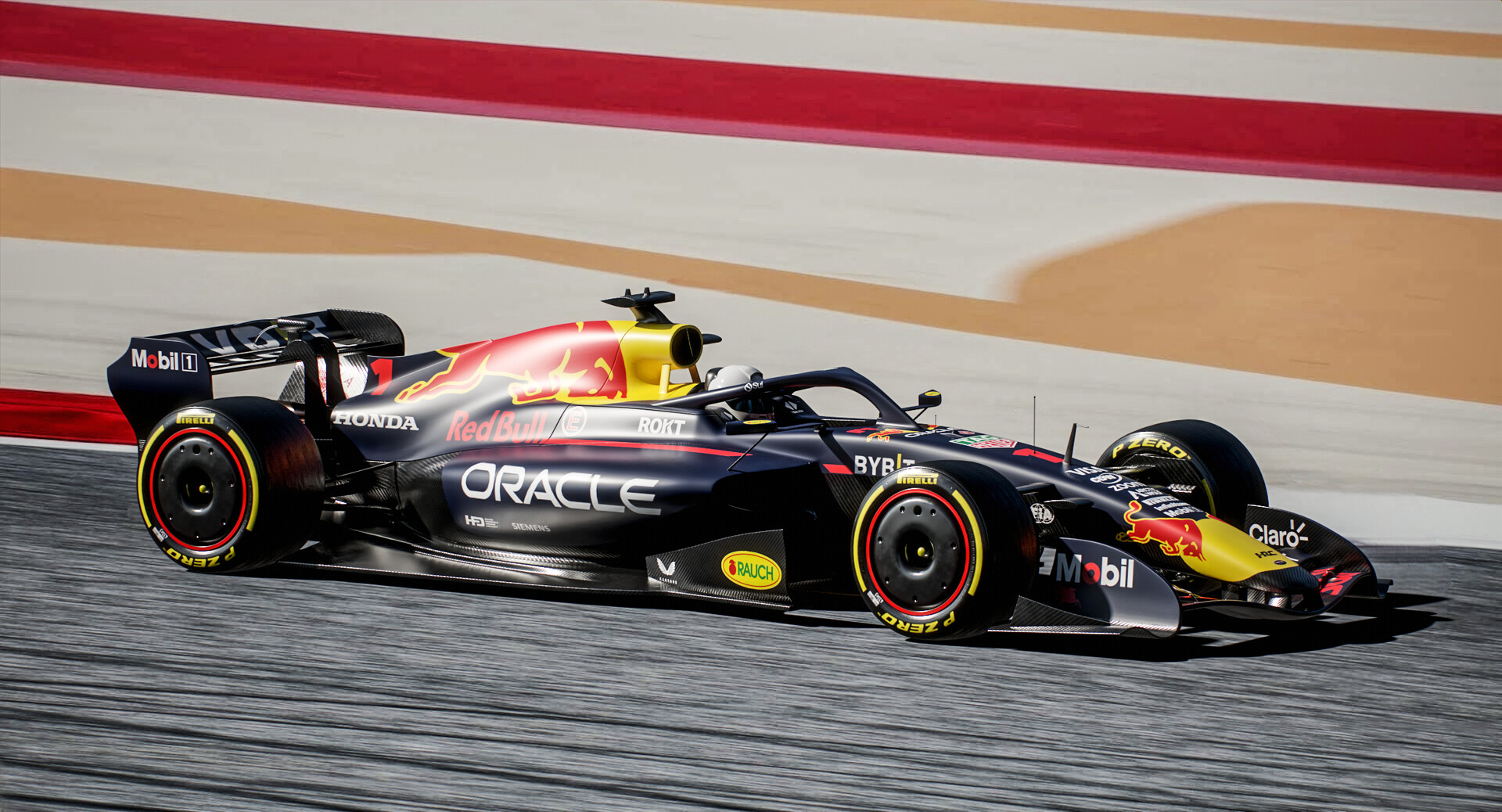
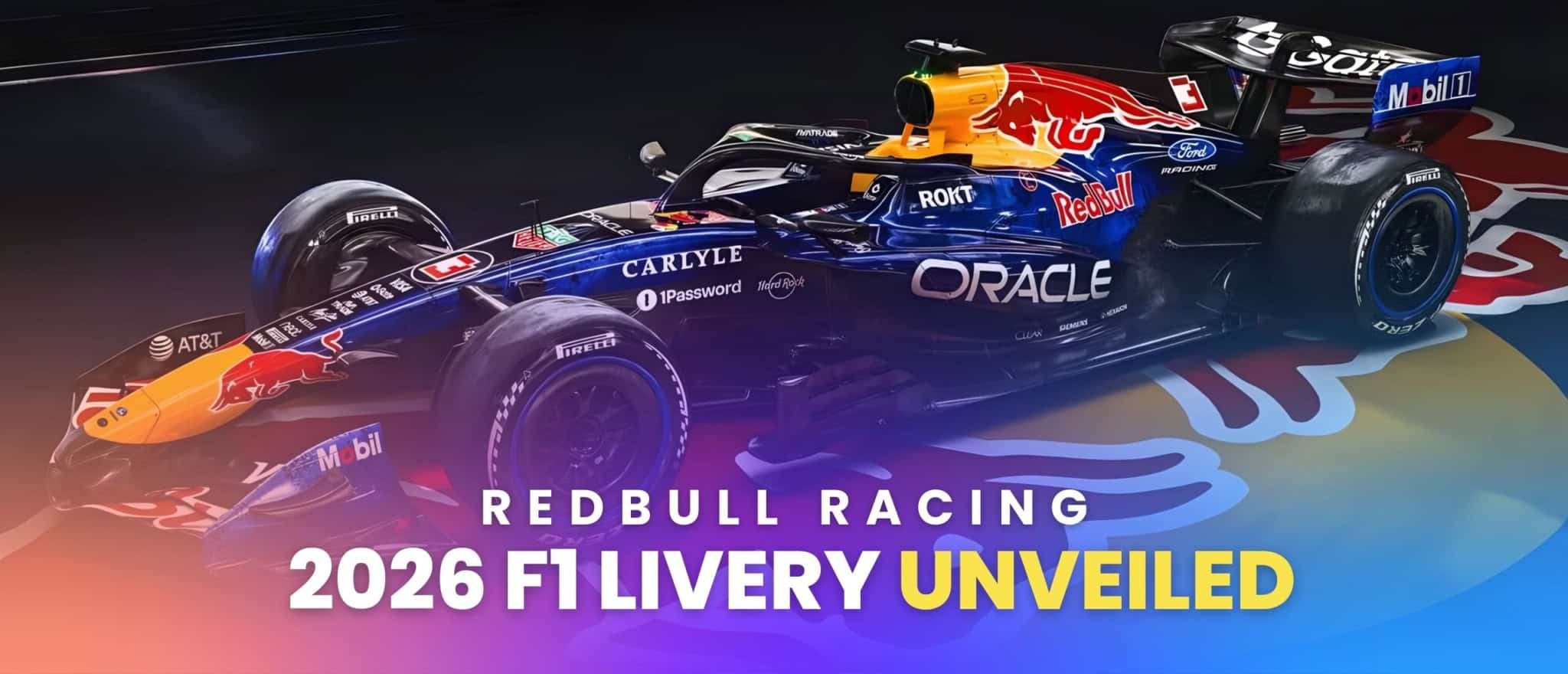
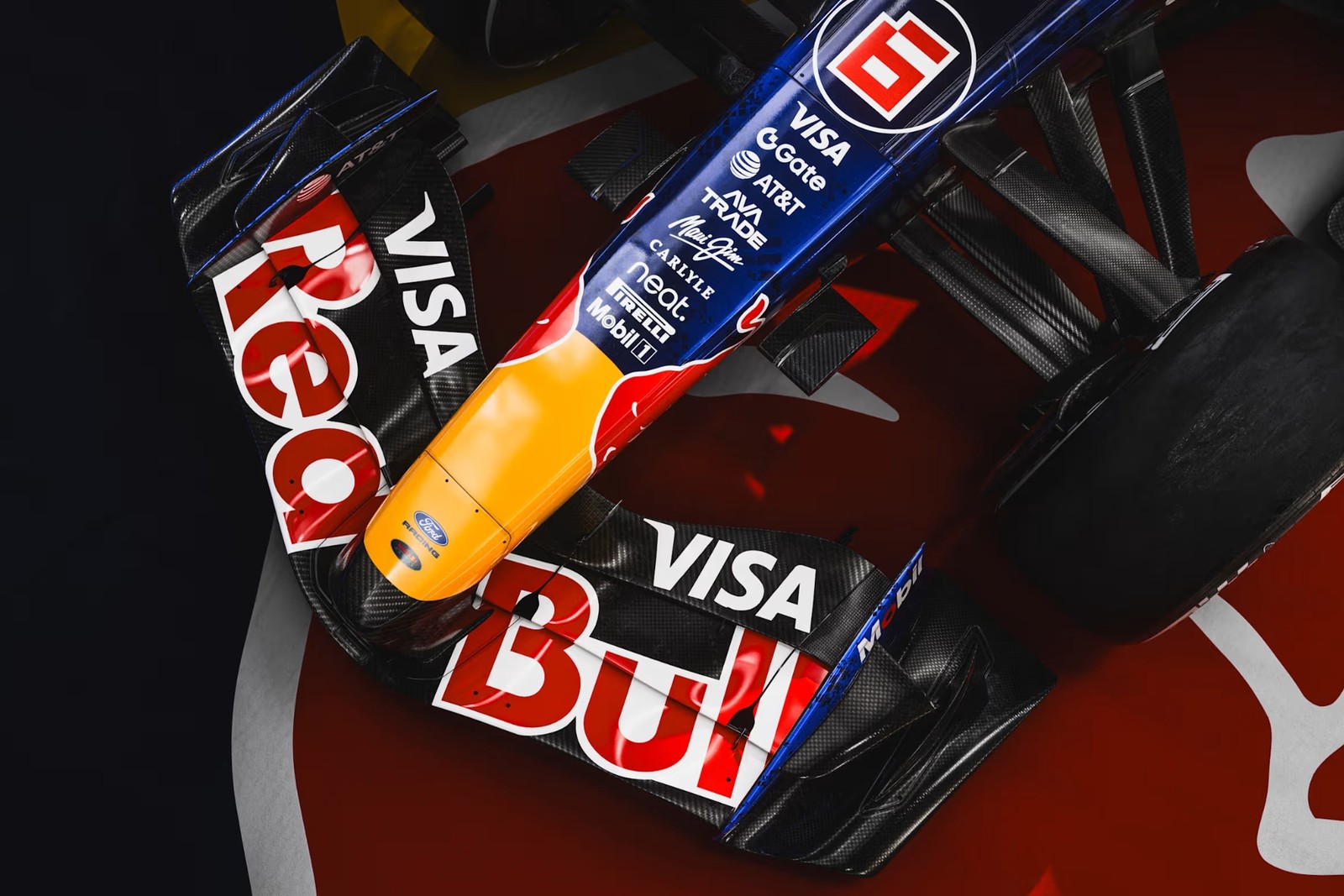
Red Bull owns and operates two Formula 1 teams: Red Bull Racing (based in Milton Keynes, UK) and Racing Bulls (formerly Scuderia AlphaTauri / Toro Rosso). Driven by global viewership growth and the Formula 1 financial cost cap introduced by the FIA, Red Bull Racing alone is estimated to be worth $2.5 billion to $3 billion. Red Bull Powertrains, established to design and manufacture proprietary engine units, represents an additional high-value industrial asset.
Global Football Portfolio (Red Bull Soccer Clubs)
Red Bull owns and operates a network of football clubs across Europe and the Americas:
- RB Leipzig (Germany - Bundesliga): Valued at over $600 million.
- FC Red Bull Salzburg (Austria - Bundesliga): Premier domestic club with regular UEFA Champions League participation.
- New York Red Bulls (USA - Major League Soccer): Valued at approximately $500 million to $600 million.
- Red Bull Bragantino (Brazil - Série A): Key South American talent acquisition hub.
Real Estate and Aviation Assets
Through various holding subsidiaries, Red Bull controls significant real estate holdings in Austria and internationally, including luxury hospitality ventures (Tauroa brand), the Hangar-7 aviation museum and facility in Salzburg, and the Red Bull Ring motor racing circuit in Spielberg, Austria.
Financial Comparison: Red Bull vs. Energy Drink Industry Competitors
To contextualize Red Bull's market standing in 2026, the following table compares key financial operational metrics against top public competitors in the functional energy drink sector.
| Metric / Indicator | Red Bull GmbH (Privately Held) | Monster Beverage Corp (NASDAQ: MNST) | Celsius Holdings (NASDAQ: CELH) |
|---|---|---|---|
| Estimated Enterprise Value | $25B - $35B (Private) | ~$50B - $55B (Public) | ~$12B - $16B (Public) |
| Annual Revenue (USD Equivalent) | ~$11.5 Billion (€10.5B+) | ~$7.5 Billion | ~$1.8 Billion |
| Global Can Sales Volume | ~12.2+ Billion Cans | ~6.5+ Billion Units | ~1.2+ Billion Units |
| Primary Ownership Structure | Mateschitz (49%) / Yoovidhya (51%) | Institutional Public / Coca-Cola (20% Stake) | Institutional Public / PepsiCo (Strategic Stake) |
| Marketing Reinvestment Rate | ~25% - 30% of Revenue | ~10% - 12% of Revenue | ~15% - 20% of Revenue |
| Key Asset Strategy | Owned F1 Teams, Football Clubs, Media | Distribution Agreements via Coca-Cola System | Co-Packing & Distribution via PepsiCo |
Note: Data derived from corporate financial disclosures, SEC filings, and financial analyst consensus estimates.
Strategic Outlook and Market Challenges
Red Bull’s corporate valuation and profit trajectory depend on navigating several market shifts:
1. Functional Health Trends and Sugar-Free Demands
Consumer preferences continue shifting toward low-sugar, zero-calorie, and functional health formulations containing natural adaptogens or thermogenic ingredients. Competing brands like Celsius have captured market share among health-conscious consumers. Red Bull’s long-term valuation depends on expanding its "Zero Sugar" and flavored "Edition" lines to protect its market position without diluting original brand equity.
2. Input Cost Volatility and Supply Chain Constraints
As an asset-light operator dependent on third-party canning, Red Bull remains exposed to fluctuating global commodity prices, specifically raw aluminum, sugar, and freight distribution costs. Effective hedging strategies and geographic diversification of canning facilities are essential to preserving gross margins above 50%.
3. Expansion in Emerging Asian and African Markets
While Western Europe and North America generate steady cash flows, market saturation limits rapid expansion. Growth in high-density markets across India, Southeast Asia, and South America remains pivotal to sustaining double-digit sales growth.
Frequently Asked Questions
Is Red Bull a publicly traded company on the stock market?
No, Red Bull GmbH is a privately held company headquartered in Fuschl am See, Austria. Its shares are not traded on any public stock exchange. Ownership is split strictly between Mark Mateschitz (49%) and the Yoovidhya family (51%).
How much is the Red Bull Racing Formula 1 team worth?
As of 2026, the Red Bull Racing F1 team is independently estimated to be worth between $2.5 billion and $3.0 billion. The introduction of the FIA financial cost cap, paired with growing global Formula 1 popularity, has made the team a highly profitable standalone asset.
Who is the richest owner of Red Bull?
Mark Mateschitz, who inherited a 49% stake from his father Dietrich Mateschitz, is the single largest individual shareholder. His total net worth is estimated at $38 billion to $40 billion. Chalerm Yoovidhya and his immediate family hold a combined 51% stake, giving their family a collective net worth of comparable size.
How does Red Bull make money if it spends so much on sports?
Red Bull generates revenue primarily from beverage sales. The money spent on extreme sports, Formula 1, and football teams is accounted for as direct marketing expenses. Owning sports teams and media assets directly eliminates the need to pay third-party advertising agencies, while generating direct revenue through ticketing, broadcast rights, and team sponsorships.
What is the difference between Red Bull's brand value and enterprise value?
Brand value (estimated at $18B–$22B) measures the financial strength and market equity of the "Red Bull" trademark itself. Enterprise value (estimated at $25B–$35B privately, or up to $60B+ on public markets) represents the total economic value of the entire company, including physical assets, real estate, operational subsidiaries, and ongoing cash flows.
Key Takeaway for Financial Analysts and Investors
While Red Bull GmbH remains inaccessible to retail investors via public stock markets, its business performance serves as a primary benchmark for the global functional beverage sector. Institutional investors and corporate finance analysts tracking beverage stock multiples (such as Monster Beverage or Celsius Holdings) evaluate Red Bull's estimated $25B to $35B private enterprise value and $11.5B annual revenue base as the ultimate indicator of global energy drink pricing power and distribution efficiency.
Image Gallery