Best Odor Eliminator for Basement: Top Solutions for Musty and Damp Spaces
The best odor eliminator for a basement depends directly on the root cause of the smell. For persistent dampness and musty odors, high-capacity dehumidifiers paired with HEPA and activated carbon filtration provide permanent remediatio...
The best odor eliminator for a basement depends directly on the root cause of the smell. For persistent dampness and musty odors, high-capacity dehumidifiers paired with HEPA and activated carbon filtration provide permanent remediation. For localized or non-moisture odors, chemical neutralizers like chlorine dioxide pouches, activated charcoal adsorbents, and bio-enzymatic sprays destroy odor molecules at the source.
Contents
Identifying the Root Cause of Basement Odors
Before selecting an odor elimination product, property owners must diagnose the specific source of the unpleasant smell. Basements are inherently prone to environmental conditions—such as subterranean moisture, inadequate ventilation, and low sunlight exposure—that foster odor-causing agents. Applying a masking agent or fragrance over an active water leak or mold infestation provides only temporary relief and allows structural or environmental damage to progress.
- Identify Basement Odor Type
- Musty / Earthy (Mold & Mildew)
- Dehumidification & Carbon Adsorption
- Sewer / Sulfur (Dried P-Traps)
- Plumbing Seal & Gas Trap Priming
- Ammonia / Organic (Pet Urine & Rot)
- Enzyme Digestion & Substrate Cleaners
- Musty / Earthy (Mold & Mildew)
Microbial Volatile Organic Compounds (mVOCs)
The classic "musty basement smell" is produced by microbial volatile organic compounds (mVOCs). As mold spores, mildew, and actinomycetes digest damp organic building materials (such as drywall, joists, cardboard, or carpets), they release gaseous metabolic byproducts into the air. These gaseous compounds permeate porous materials, creating an enduring stench even after surface mold is scrubbed.
Sewer Gas and Drainage Issues
If the basement exhibits a rotten egg or sewage-like odor, the issue typically stems from dry plumbing P-traps, damaged sewer lines, or malfunctioning sump pump basins. When dry, P-traps allow hydrogen sulfide and methane gas to vent from municipal sewer systems or septic tanks directly into living areas.
Organic Degradation and Pet Waste
Animal waste, rodent decay, and decomposing organic matter release volatile nitrogenous compounds (such as ammonia) and sulfur derivative gases. Standard air fresheners fail to neutralize these acidic or alkaline compounds because they do not break down the underlying biological salts and proteins.
Major Categories of Basement Odor Eliminators
Odor elimination technology falls into four primary functional categories: moisture control systems, physical adsorption media, chemical neutralizers, and air filtration equipment.
1. Mechanical Dehumidifiers
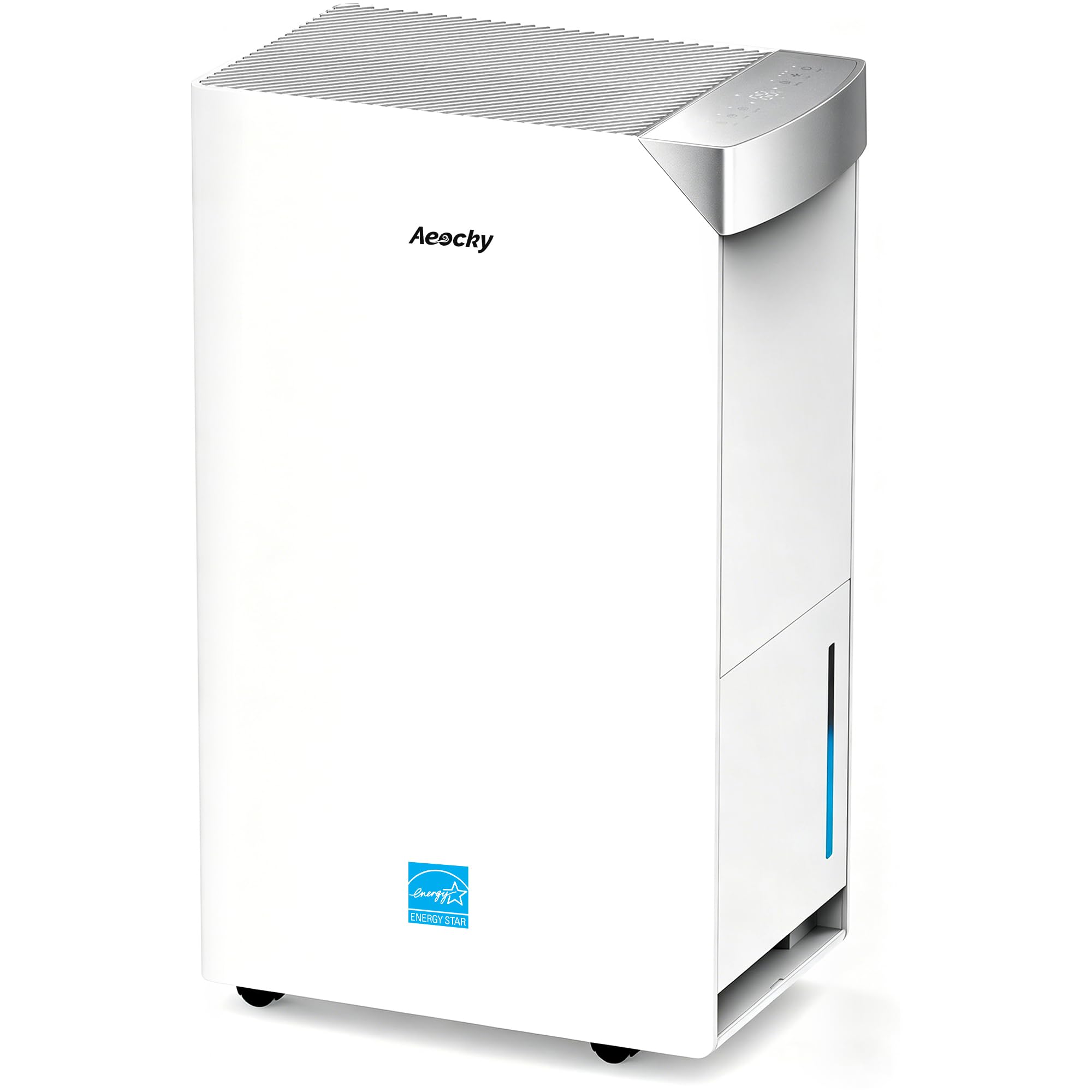
Because moisture drives the growth of odor-producing microorganisms, dehumidification acts as the primary defense against persistent basement smells. Dehumidifiers lower ambient humidity below the threshold required for mold metabolic activity.
- Best For: Preventing chronic musty odors, stopping mold germination, and lowering ambient humidity.
- Operational Limit: Must maintain basement relative humidity below 50% to prevent ongoing microbial growth, as outlined by the U.S. Environmental Protection Agency (EPA).
2. Physical Adsorbents (Activated Carbon & Minerals)
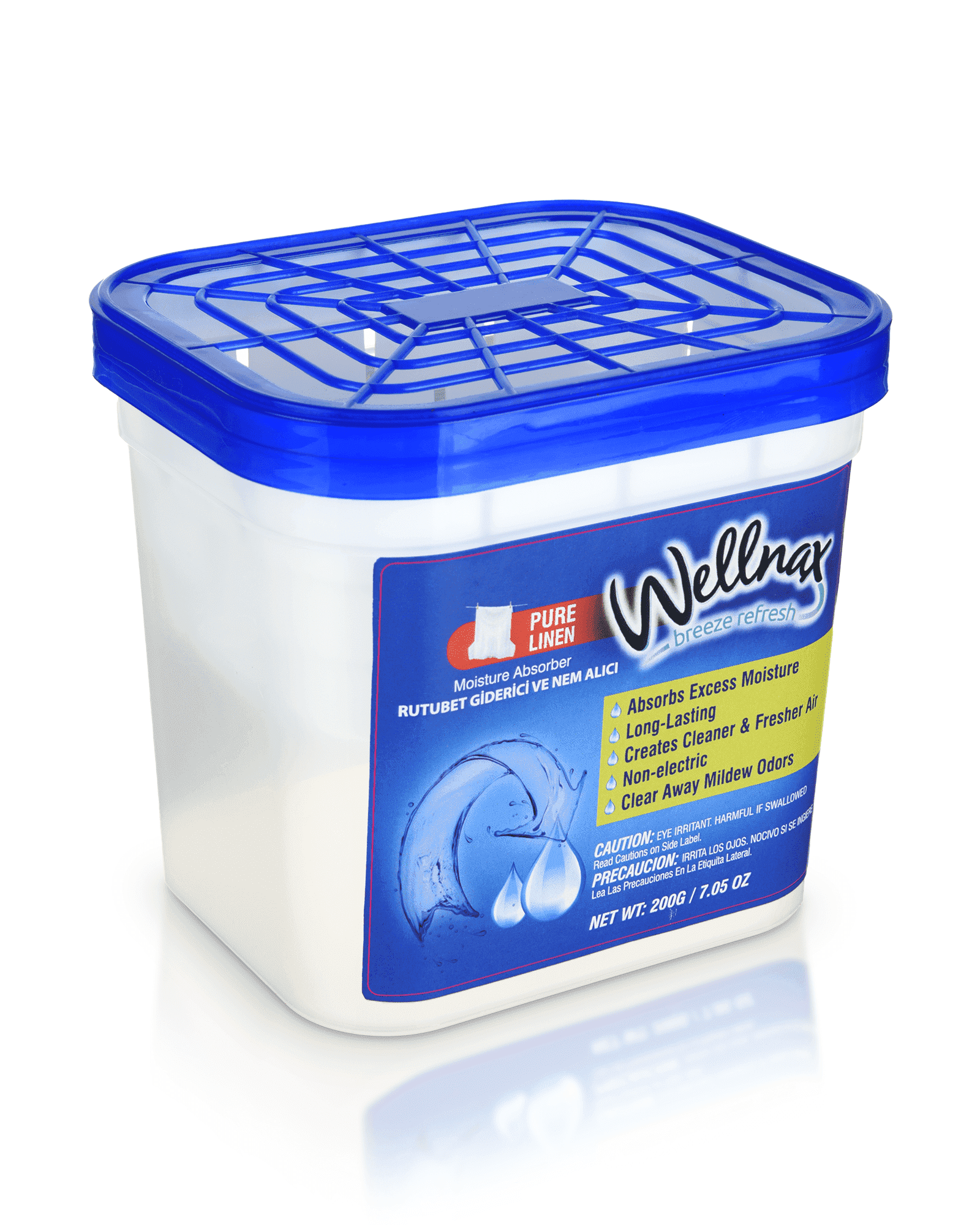
Adsorption materials pull gaseous odor molecules out of the air and lock them within microporous structures.
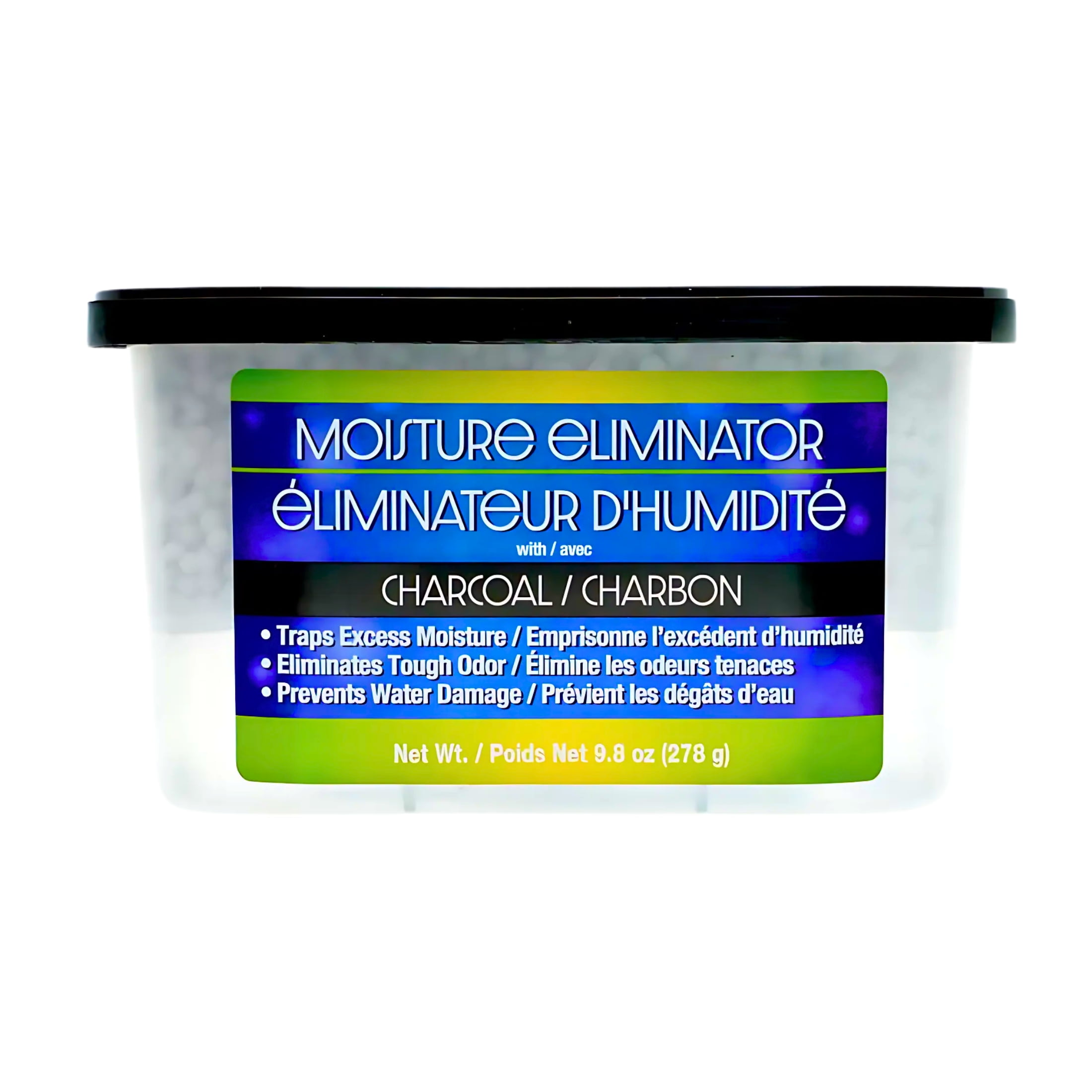
- Activated Charcoal: Features billions of microscopic pores per gram, providing vast surface area to trap VOCs, smoke, and biological odors.
- Zeolite: A naturally occurring volcanic mineral with a negative ionic charge that attracts and binds positively charged odor molecules, such as ammonia.
- Best For: Continuous, passive, passive-passive odor extraction in non-ventilated closets, crawlspaces, and small rooms.
3. Chemical and Enzymatic Neutralizers
Chemical neutralizers alter the molecular structure of odor-causing compounds, converting them into odorless compounds rather than covering them up.
- Chlorine Dioxide ($ClO_2$): A powerful oxidizing gas or vapor that breaks down organic mVOCs, smoke residue, and sulfur smells. Vapor-release pouches generate a fine gaseous distribution that penetrates porous concrete, subfloors, and wall cavities.
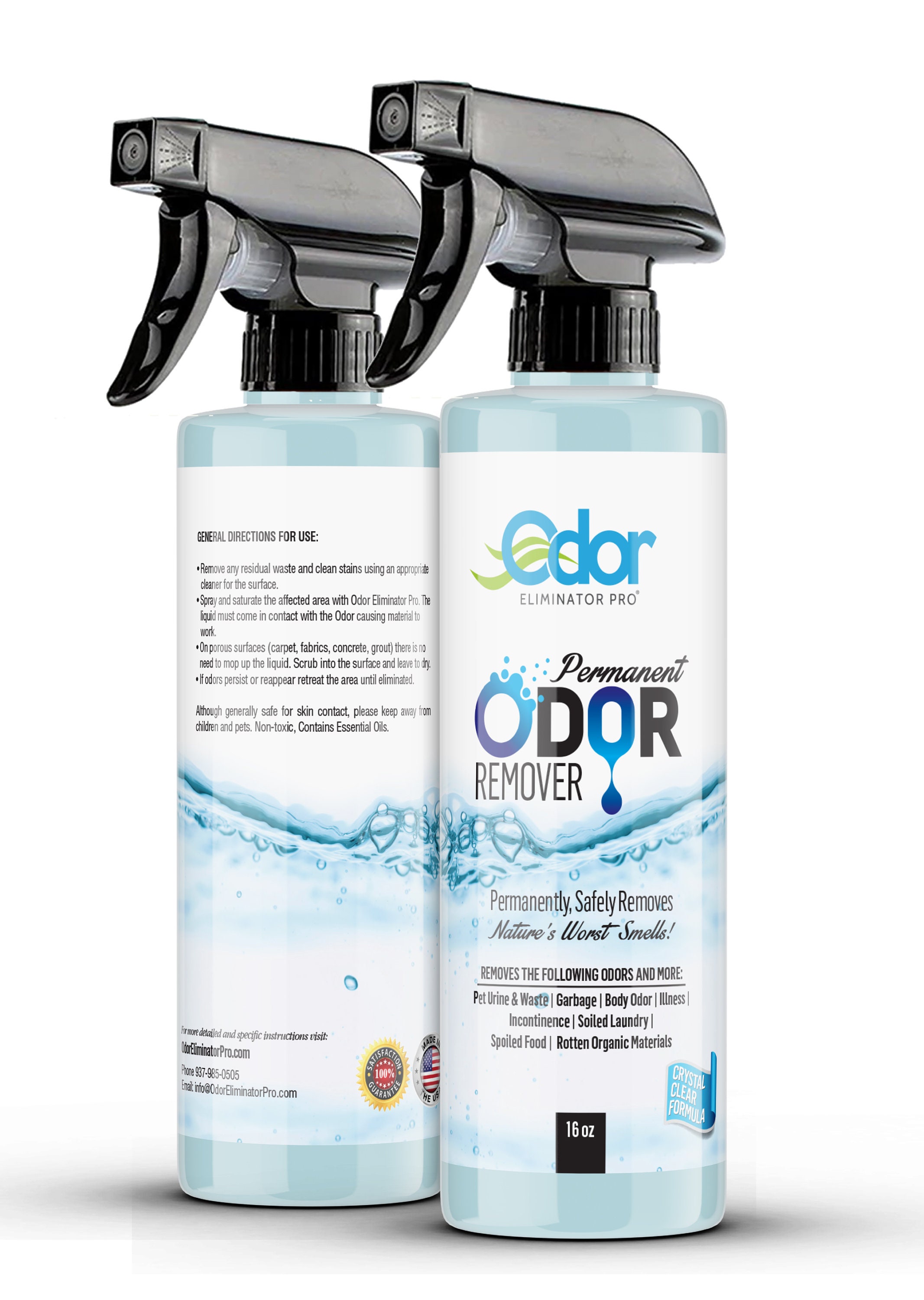
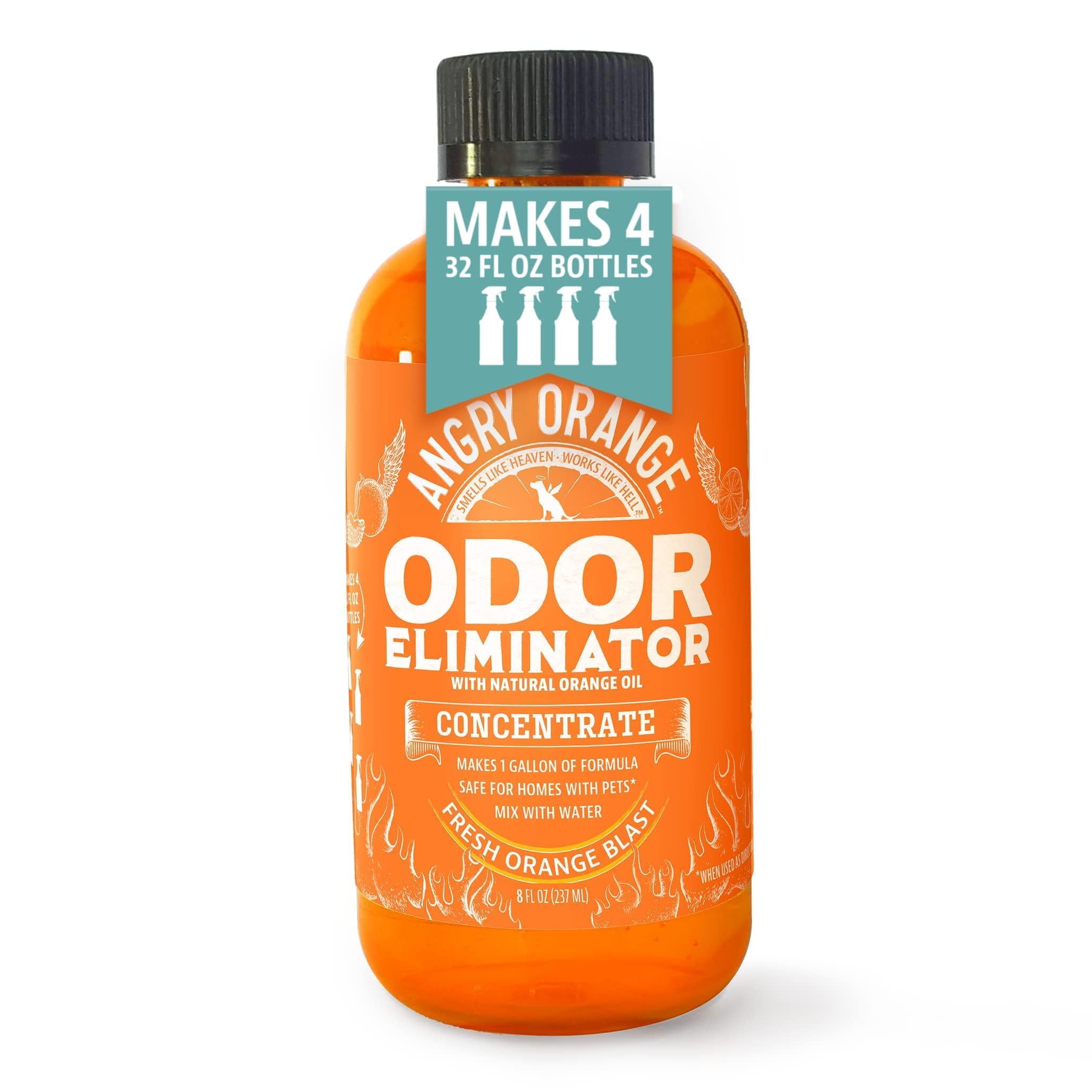
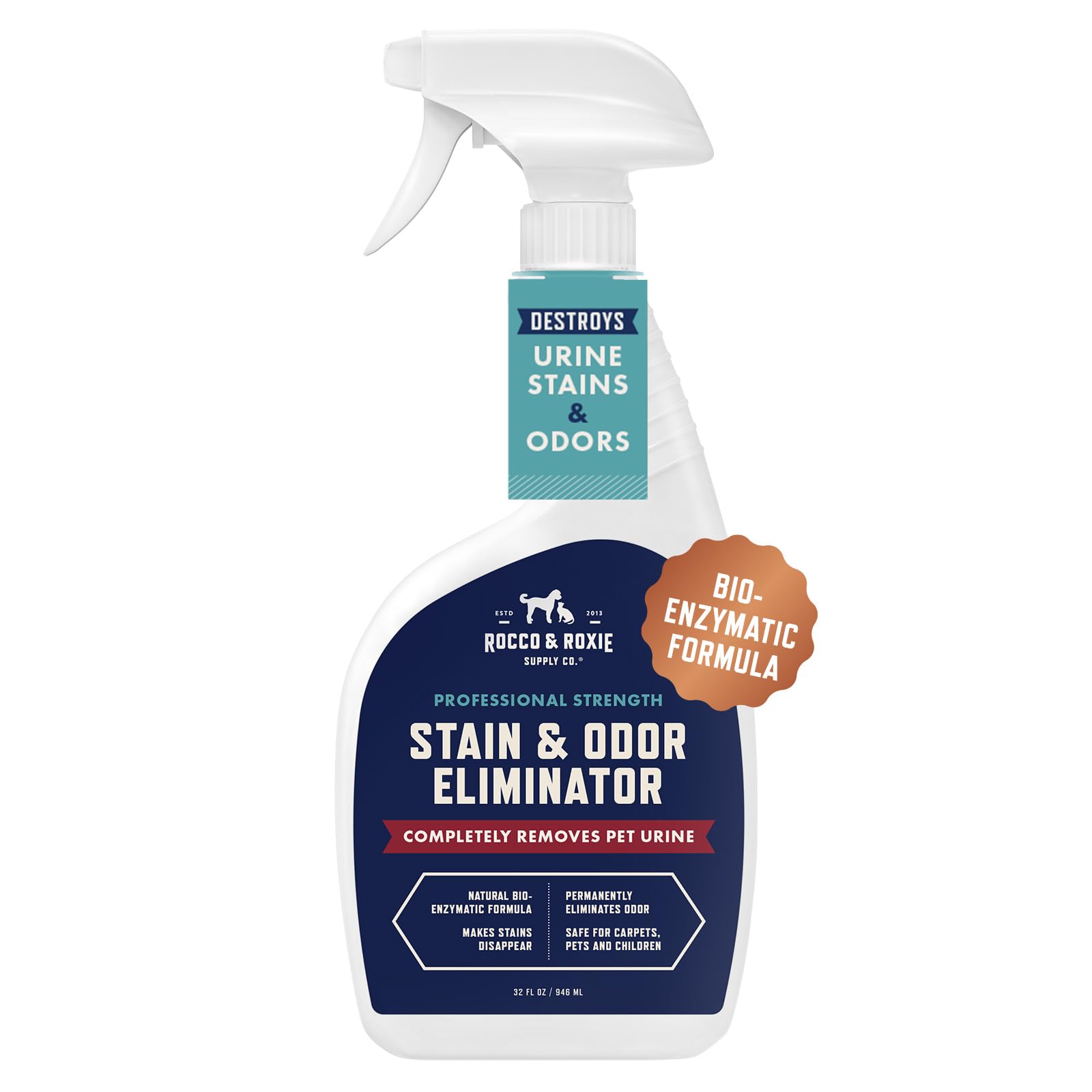
- Bio-Enzymatic Cleaners: Formulations containing beneficial bacteria and free enzymes that digest organic substrates (such as pet urine, blood, or food waste), eliminating the nutrient source that feeds odor-producing bacteria.
4. Advanced Air Filtration and Oxidation Systems
Mechanical air purification uses forced air movement to push contaminants through active media filters or reaction chambers.
- HEPA + Activated Carbon Air Purifiers: Portable or whole-house units that physically capture airborne mold spores down to 0.3 microns while simultaneously trapping gaseous odors in an activated carbon bed.
- Ozone Generators: Commercial machines that generate ozone ($O_3$) to oxidize atmospheric and surface contaminants. Note: Ozone is a potent respiratory irritant and must be deployed only in completely unoccupied spaces.
Performance Evaluation of Top Basement Odor Removal Media
Selecting the correct product requires matching the physical mechanics of the treatment to the operational reality of the basement space.
- ODOR REMOVAL MECHANISMS
- ADSORPTION: Traps gas molecules in porous media (e.g., Carbon, Zeolite)
- OXIDATION: Alters molecular structure of mVOCs (e.g., Chlorine Dioxide, Ozone)
- BIOLOGICAL DIGEST: Consumes organic substrates completely (e.g., Enzymatic Cleaners)
High-Capacity Activated Charcoal Bags
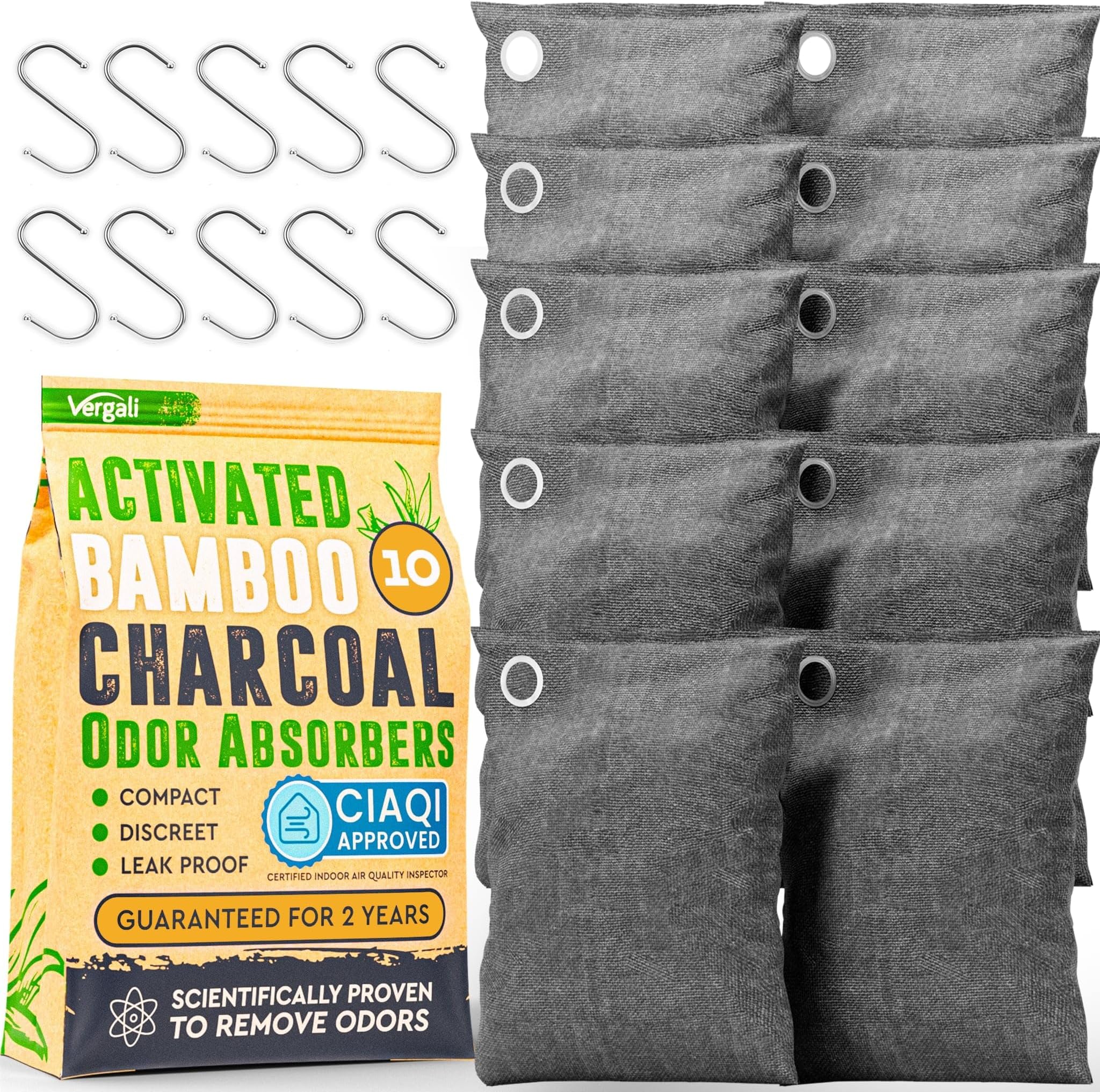
Bamboo and coconut-shell activated charcoal bags represent the safest, most passive solution for mild to moderate ambient basement odors. They require no electricity, produce no off-gassing, and operate continuously.
To maintain efficiency in subterranean environments, activated carbon requires periodic thermal rejuvenation. Placing charcoal bags in direct sunlight for 2 to 4 hours every month releases the bound volatile molecules, restoring the carbon's adsorption capacity. However, in spaces with severe active water leaks, charcoal bags quickly become saturated with water vapor, diminishing their ability to capture airborne odors.
Chlorine Dioxide ($ClO_2$) Vapor Room Treatments
For severe odor infestations—such as post-flood cleanup, long-term vacant home restoration, or heavy smoke damage—chlorine dioxide gas provides deep penetration. Unlike liquid bleach, which remains on non-porous surfaces, $ClO_2$ vapors diffuse into unsealed concrete, drywall, and structural timber frame cavities.
Commercial $ClO_2$ pouches are activated by water or ambient humidity, releasing controlled concentrations of gas over several hours or days. Due to the oxidative strength of chlorine dioxide, humans, pets, and sensitive indoor plants must be evacuated during high-concentration deep treatments, followed by thorough room ventilation prior to re-occupancy.
Bio-Enzymatic Substrate Treatments
When subterranean concrete pads or subfloors absorb organic contaminants (such as pet urine or sewage backflows), simple surface cleaning leaves residues embedded deep within the porous concrete matrix. Enzymatic formulas contain specific strains of bacteria that produce amylase, protease, and lipase enzymes.
When applied to damp surfaces, these enzymes break down complex protein structures, uric acid crystals, and lipids into carbon dioxide and water. For effective application, the concrete surface must remain damp with the enzymatic solution for several hours, often covered with plastic sheeting to prevent premature evaporation.
Dehumidifiers with Integrated Carbon/HEPA Filtration
Compressor-based or desiccant dehumidifiers directly eliminate the liquid water that biological organisms need to thrive. Modern basement dehumidifiers engineered for subterranean spaces often feature integrated high-efficiency particulate air (HEPA) filters combined with heavy carbon beds. By pulling structural moisture down to 45% or 50% relative humidity, these units force latent structural moisture out of concrete walls and timber while scrubbing the recirculated air stream.
Comparison Matrix: Basement Odor Elimination Solutions
| Solution Type | Primary Mechanism | Ideal Target Odors | Service Life / Duration | Safety & Occupancy Requirements | Relative Cost |
|---|---|---|---|---|---|
| High-Capacity Dehumidifier | Moisture Removal & Relative Humidity Control | Musty odors, damp smells, mold/mildew prevention | 5–10+ Years (Continuous operation) | Completely safe for continuous occupancy | High ($250–$1,200) |
| Activated Charcoal / Zeolite | Physical Surface Adsorption | Mild musty smells, VOCs, ambient stale air | 1–2 Years (Requires monthly UV reactivation) | Completely non-toxic, safe for pets/children | Low ($15–$40) |
| Chlorine Dioxide ($ClO_2$) Vapor | Vapor Phase Chemical Oxidation | Severe mold/musty smells, smoke residue, rot | Single-use treatment (12–24 hours) | Room must be evacuated during high-concentration application | Moderate ($20–$70) |
| Bio-Enzymatic Cleaners | Biological Substrate Breakdown | Pet urine, sewage, rotting organic matter | Permanent for treated spots (unless re-contaminated) | Non-hazardous; safe once applied according to label | Low–Moderate ($15–$50) |
| Ozone Generator ($O_3$) | Gas Phase Atmospheric Oxidation | Persistent smoke, biological decay, deep VOC contamination | Shock treatment (1–12 hours) | Strict evacuation required; hazardous to health during run time | Moderate ($70–$250) |
| HEPA + Carbon Air Purifier | Mechanical Air Filtration & Carbon Adsorption | Floating mold spores, dust, airborne VOCs | Continuous (Filters replaced every 6–12 months) | Completely safe for continuous occupancy | Moderate–High ($100–$500) |
Step-by-Step Guide: Eliminating Basement Odors Permanently
To eliminate basement smells permanently rather than temporarily masking them, follow this step-by-step restoration process:
- Step 1: Moisture Inspection & Source Elimination
- Step 2: Dry Out & Dehumidify (Target: <50% RH)
- Step 3: Surface Cleaning & Enzymatic/Antimicrobial Application
- Step 4: Deep Atmosphere Deodorization (Gas/Vapor Treatment)
- Step 5: Ongoing Passive Adsorption & Filtration Maintenance
Step 1: Fix Moisture Intrusions and Plumbing Leaks
Identify all water entry points. Check basement walls for efflorescence (white, powdery mineral deposits), liquid water seepage, structural foundation cracks, and leaking overhead pipes. Verify that exterior gutters discharge water at least 6 feet away from the foundation walls. Ensure plumbing traps (such as floor drains) contain water to maintain their liquid gas seal.
Step 2: Mechanical Drying and Dehumidification
Deploy a heavy-duty basement dehumidifier rated to remove 50 to 70 pints of water per day (or higher depending on square footage). Set the humidistat between 45% and 50% relative humidity. Run the unit continuously, draining it into a sump pit or floor drain via a direct drain hose to avoid bucket overflow shut-offs.
Step 3: Clean and Disinfect Surface Substrates
Scrub hard, non-porous surfaces with an EPA-registered fungicide or antimicrobial cleaner. For porous concrete floors affected by organic wastes or sewage, saturate the area with a bio-enzymatic cleaner. Allow the liquid to penetrate the concrete for the full contact time listed on the product label. Dispose of water-logged, mold-contaminated porous materials such as rotten carpet underlayment or soft cardboard boxes.
Step 4: Perform Shock Odor Neutralization (If Needed)
If a deep, structural odor remains after cleaning and drying, perform an ambient atmospheric shock treatment using chlorine dioxide pouches or a commercial ozone machine.
Safety Mandatory: Before using gas-phase oxidizers, ensure all humans, pets, and sensitive electrical equipment or plants are removed from the treatment area. Follow all manufacturer-mandated ventilation cycles before re-entering the space. According to the EPA's guide to ozone generators, ozone concentrations that effectively remove odors exceed public health standards, requiring complete evacuation during shock treatments.
Step 5: Establish Long-Term Passive Filtration
Place 500-gram activated charcoal or zeolite bags near stagnant corners, closets, or storage sections. Install a continuous HEPA air purifier equipped with a thick activated carbon stage (at least 3–5 lbs of carbon weight) to capture incoming particulate contaminants and trace gas emissions.
Operational Cautions and Mistakes to Avoid
- Relying on Fragrance Sprays or Scented Plug-Ins: Aerosol sprays and essential oil diffusers introduce additional VOCs into the indoor environment. They mix with musty odors rather than removing them, often worsening overall indoor air quality.
- Neglecting Sump Pump Basins: Open sump pits accumulate stagnant water, organic silt, and soil gases. Installing a sealed, airtight sump pump lid with a dedicated vent pipe eliminates a primary source of basement humidity and earthy odors.
- Operating Ozone Generators in Occupied Spaces: Ozone damages lung tissue, exacerbates asthma, and degrades natural rubber and synthetic wire coatings. Never operate an ozone machine in an occupied basement or while HVAC air handlers are actively circulating basement air throughout a home.
- Ignoring Foundation Drainage Systems: Odor eliminators cannot compensate for hydrostatic pressure forcing groundwater through basement walls. If subterranean water intrusion continues unchecked, chemical and passive adsorbents will saturate within days.
Frequently Asked Questions
Why does my basement still smell musty after running an air freshener?
Air fresheners merely release synthetic fragrances to temporarily overpower human olfactory senses; they do not alter the physical composition of odor molecules. Musty odors are caused by active microbial volatile organic compounds (mVOCs) emitted by mold and damp materials. Until the ambient relative humidity is lowered below 50% and the existing mold colonies or stored gases are structurally neutralized, mVOC generation will continue.
How long does it take for activated charcoal to remove basement odors?
Activated charcoal begins adsorbing ambient volatile compounds within hours of deployment. However, noticeable odor reduction across an entire basement typically takes between 3 to 7 days, depending on room size, airflow, and initial odor concentration. The charcoal media must be sized appropriately for the square footage (e.g., deploying multiple 500g bags for large rooms) and recharged monthly in direct sun.
Are ozone generators safe for home odor removal?
Ozone generators are highly effective at neutralizing airborne and surface odors through rapid oxidation, but they are hazardous to human and animal health during operation. High concentrations of $O_3$ cause severe respiratory tract inflammation. Ozone shock treatments must be performed in completely evacuated spaces, followed by a mandatory 1- to 2-hour off-gassing period before re-entry.
What relative humidity level stops musty basement smells?
Maintaining a relative humidity (RH) level below 50% stops the metabolic growth and spore germination of mold and mildew, effectively ending the production of musty mVOCs. In exceptionally damp subterranean environments, maintaining an RH between 40% and 45% prevents condensation on cold concrete walls and chilled uninsulated water lines.
What is the difference between air purifiers and dehumidifiers for basement smells?
A dehumidifier lowers atmospheric water vapor content, eliminating the conditions required for odor-producing microbes to survive. An air purifier recirculates air through physical medium filters (HEPA) to capture suspended mold spores and micro-particles, and carbon beds to catch volatile gases. Dehumidifiers resolve the cause of dampness, while air purifiers clear the airborne contaminants floating in the room space.
Final Recommendation: Next Actions for Property Owners
To establish a dry, odor-free basement, start by measuring the current environmental conditions using a digital hygrometer. If humidity levels read above 50%, immediately install a continuous-drain, high-efficiency basement dehumidifier sized appropriately for the total floor area.
For basements suffering from stubborn lingering smells after drying out, deploy activated charcoal bags for continuous passive adsorption or utilize targeted chlorine dioxide vapor treatments for deep structural odor restoration. If water seepage or drain backflows persist despite surface treatments, consult a certified waterproofing contractor or licensed plumber to resolve structural water entry before spending money on air treatment products.
Image Gallery