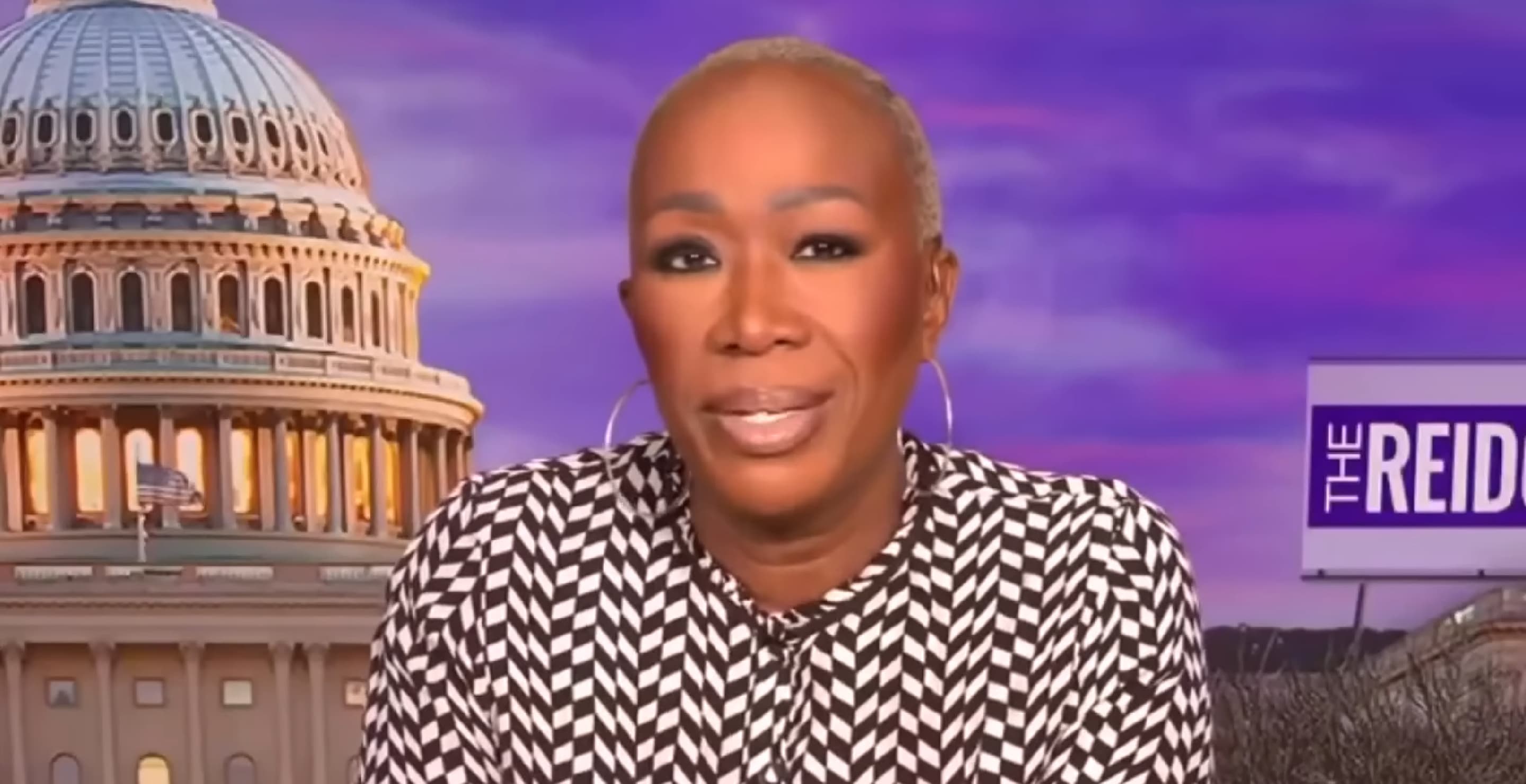
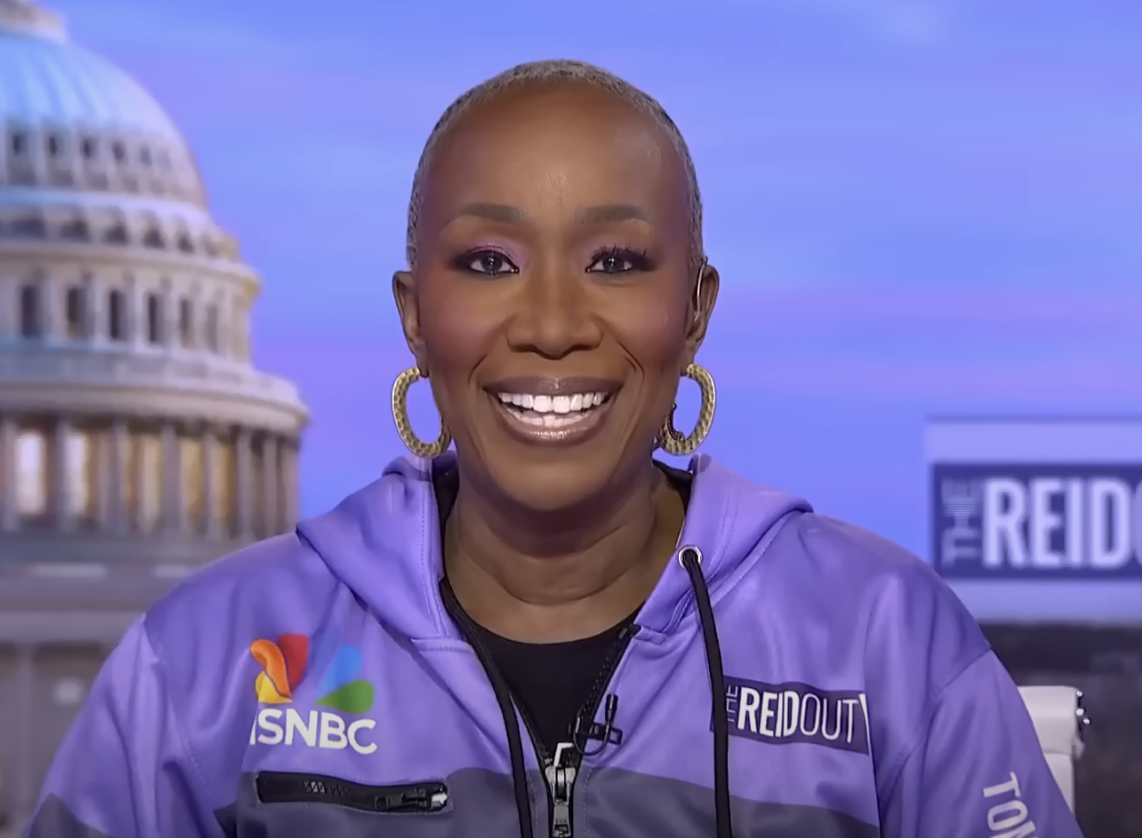
Joy Reid Going Now: Analyzing Career Trajectories, Network Status, and Media Landscape Shifts in 2026
Joy Reid's ongoing presence and rumored shifts in the cable news ecosystem have sparked significant public interest, reflecting broader industry transformations as viewers and networks navigate the modern media landscape of 2026. This...
Joy Reid's ongoing presence and rumored shifts in the cable news ecosystem have sparked significant public interest, reflecting broader industry transformations as viewers and networks navigate the modern media landscape of 2026. This comprehensive analysis examines the current factual standing of Joy Reid's broadcasting career, her contractual framework with major networks, audience reception metrics, and the structural shifts defining contemporary political commentary.
Contents
Understanding the Current Landscape of Cable News and Commentary
The cable news industry undergoes continuous structural evolution, driven by shifting viewership demographics, the rise of digital-first streaming platforms, and changing network monetization strategies. Within this high-stakes environment, prominent anchors like Joy Reid occupy crucial positions as tastemakers and opinion leaders. Analyzing where a prominent media figure stands requires looking beyond speculative online rumors to examine official network announcements, public programming schedules, and verified media reporting.
Public interest in phrases like "joy reid going now" typically surges during contract renewal cycles, seasonal programming shifts, or moments of heightened political discourse. Media analysts evaluate these trends through verified audience metrics, Nielsen ratings adjustments, and official statements from corporate parent companies. Understanding these operational realities prevents misinterpretations driven by social media speculation and provides a clear picture of how modern television anchors maintain stability or transition to new ventures.
Network Contracts, Programming Schedules, and Career Longevity
Television news anchors operate under multi-year talent agreements that dictate their on-air schedules, compensation structures, and corporate obligations. Major networks manage these contracts carefully to align with advertising revenue cycles and political event calendars.
To evaluate the operational realities of high-profile broadcast journalism, consider the following structural components of a major network anchor's career framework:
- Talent Development and Exclusive Agreements: Network contracts generally prohibit anchors from competing on rival platforms during active terms, ensuring brand loyalty and exclusive content delivery.
- Production and Editorial Control: Senior anchors frequently hold executive producer credits, granting them direct oversight over daily guest selection, segment framing, and investigative focus.
- Multi-Platform Syndication: Modern broadcasting contracts mandate cross-promotion, requiring anchors to distribute commentary through digital newsletters, network-owned podcast networks, and social media channels.
- Adherence to Journalistic Standards: Anchors must navigate stringent corporate compliance guidelines, network legal reviews, and broadcast standards enforced by corporate governance teams.
| Contractual Element | Traditional Cable News Model | Modern Digital-Hybrid Model (2026) |
|---|---|---|
| Primary Distribution | Linear Cable Television (Scheduled Blocks) | Simultaneous Linear and OTT Streaming |
| Monetization Focus | Traditional Upfront Commercial Advertising | Dynamic Digital Ads and Subscriber Tiering |
| Content Lifecycle | Single-Airing with Archive Rebroadcasts | On-Demand Clips, Podcasts, and Social Shorts |
| Audience Interaction | Mail-in Feedback and Delayed Call-ins | Real-Time Social Media Engagement and Live Chats |
Audience Reception, Demographics, and Media Impact
The influence of a political commentator is measured through audience retention, demographic penetration, and cultural resonance. Joy Reid’s broadcast history demonstrates a distinct ability to mobilize specific viewership segments by focusing heavily on intersectional politics, civil rights history, and critical analysis of legislative policy.
Media researchers study these audience dynamics to understand how partisan alignment influences media consumption. Viewership for prime-time political commentary is generally insulated by loyal audiences who seek validating interpretations of daily news cycles. However, networks constantly balance this core base with broader strategies designed to capture independent voters and younger, mobile-first audiences who consume news via fragmented digital feeds rather than traditional cable boxes.
Comparative Analysis of Prime-Time Political Commentary Models
Evaluating the success and operational status of prominent anchors requires comparing various network strategies and distribution formats. The table below outlines key differences between traditional cable commentary and emerging digital-first political media models.
| Evaluation Metric | Legacy Cable Prime-Time | Independent Digital Commentary | Hybrid Network Streaming |
|---|---|---|---|
| Barrier to Entry | High (Requires Major Network Infrastructure) | Low (Microphone, Camera, Internet Connection) | Moderate (Studio Space with Cloud Distribution) |
| Revenue Stability | High (Backed by Corporate Cable Subscriptions) | Variable (Patreon, Merch, Direct Ad Sales) | Moderate-High (Corporate Backing with Ad-Tech) |
| Editorial Autonomy | Moderate (Subject to Standards and Practices) | Absolute (Independent Creator Control) | High (Direct-to-Consumer Editorial Freedom) |
| Reach and Scale | Broad, National Cable Household Penetration | Targeted, Algorithmic Niche Communities | Scalable via Connected TV (CTV) Apps |
Frequently Asked Questions
Is Joy Reid leaving her current network position?
Official network schedules and verified media reports confirm that Joy Reid remains an active anchor within her primary broadcasting role. Speculation regarding her departure typically stems from cyclical rumors or standard contract renegotiation windows rather than confirmed career endings.
What factors drive rumors about television anchor departures?
Rumors often circulate on social media during low-rated news cycles, seasonal hiatuses, or minor programming adjustments. Observers frequently misinterpret a scheduled vacation or temporary schedule rotation as a permanent career transition.
How do modern news networks measure an anchor's success?
Networks utilize a combination of traditional Nielsen television ratings, live-streaming concurrency metrics, digital video-on-demand completions, and social media engagement volume. This blended data helps executives determine advertising rates and contractual viability.
Can cable anchors independently produce content outside their networks?
Most exclusive talent contracts restrict anchors from creating competing political commentary or accepting external sponsorships without explicit written authorization from network legal departments. However, many network figures successfully publish books or participate in academic speaking engagements under pre-approved contractual clauses.
What is the future of cable news commentary in the digital age?
The industry is steadily transitioning toward a hybrid ecosystem where traditional linear broadcasts serve as anchors for broader digital ecosystems, including dedicated streaming apps, podcasts, and serialized newsletters designed to capture multi-generational audiences.
Strategic Recommendations for Media Consumers
Navigating modern political commentary requires a discerning approach to media consumption. Audiences seeking objective analysis and deep contextual understanding should diversify their news intake across multiple verified primary sources, official government documents, and recognized wire services. When evaluating reports regarding the status of high-profile media figures, consumers should prioritize official statements released directly by network corporate communications departments over unverified claims circulating on social media platforms. By maintaining media literacy and critical evaluation standards, viewers can effectively separate substantiated industry developments from speculative online noise.
Image Gallery