Exploring the American Girl Historical Collection: A Comprehensive Guide to Characters, Eras, and Collectibility
The American Girl Historical Collection is a premium line of 18-inch dolls, books, and accessories designed to teach American history through the lived experiences of young girls from various eras. Originally launched in 1986, the coll...
The American Girl Historical Collection is a premium line of 18-inch dolls, books, and accessories designed to teach American history through the lived experiences of young girls from various eras. Originally launched in 1986, the collection has evolved from a mail-order catalog into a massive cultural phenomenon, offering detailed narratives and historically accurate artifacts that span from the 1760s to the 1990s.
Contents
The Visionary Origins of the Historical Collection
In 1986, educator and entrepreneur Pleasant Rowland founded Pleasant Company with a singular mission: to provide an alternative to the fashion-focused dolls that dominated the market. Rowland envisioned a series of dolls that were not merely toys, but educational tools. Each character in the American Girl Historical Collection was introduced with a series of six books that detailed her life, challenges, and growth within a specific period of American history.
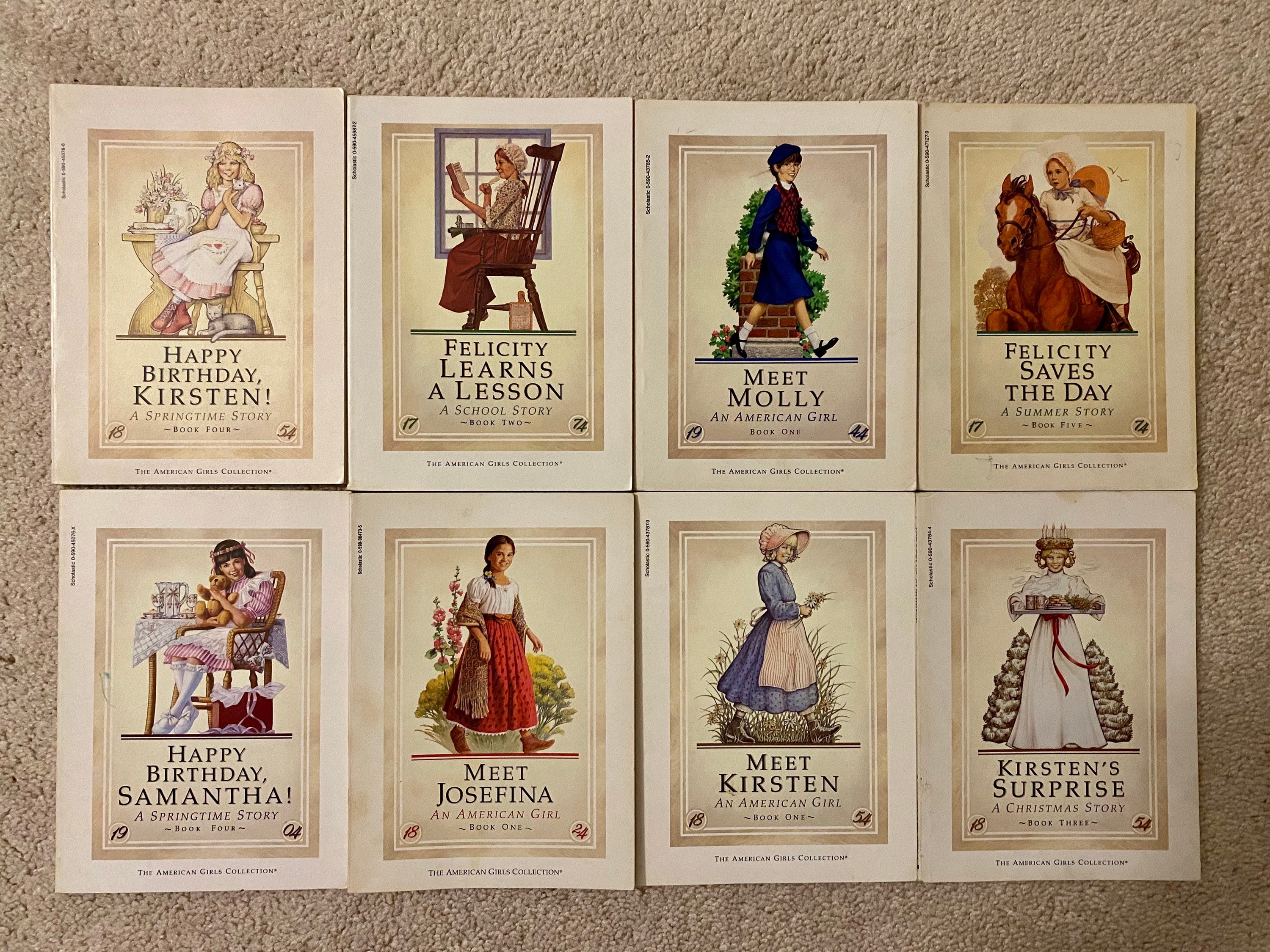
The original trio—Kirsten Larson, Samantha Parkington, and Molly McIntire—represented the mid-19th century, the Edwardian era, and World War II, respectively. Rowland’s approach was revolutionary because it combined high-quality craftsmanship with rigorous historical research. The dolls featured cloth bodies and vinyl limbs, with hair and eye colors designed to match their specific ethnic and regional backgrounds. By the time Mattel acquired Pleasant Company in 1998, the collection had already become a staple in American households, known for its "historical accuracy first" philosophy.
Evolution of the Historical Line: From Pleasant Company to BeForever
Since its inception, the collection has undergone significant branding shifts. For decades, it was simply known as "The American Girl Collection." In 2014, Mattel rebranded the historical line as BeForever. This change introduced new "meet" outfits (the default clothing a doll arrives in) and redesigned book covers, occasionally condensing the original six-book series into two-volume sets.
By 2026, the brand has largely integrated these changes, often cycling between classic looks and modernized interpretations to appeal to both nostalgic adult collectors and new generations of children. Despite these aesthetic updates, the core intent remains the same: using a character-driven "micro-history" to explain "macro-history" events like the Revolutionary War, the Great Depression, or the Civil Rights Movement.
Technical Specifications and Manufacturing Eras
For serious collectors in 2026, understanding the technical differences between manufacturing eras is essential for valuation and authentication. The "Pleasant Company era" (1986–1998) and the "Mattel era" (1998–present) offer distinct physical characteristics.
The Pleasant Company Era (1986–1998)
Dolls from this era are highly sought after, particularly the "White Body" dolls produced between 1986 and early 1991. These dolls featured white muslin torsos rather than the later flesh-toned fabric.
- Neck Stamps: Early dolls feature a "Pleasant Company" stamp on the back of the neck.
- Strings: Original dolls used neck strings to secure the head to the body, whereas many modern versions transitioned to plastic zip ties (though strings have made sporadic returns in collector editions).
- Vinyl Quality: Collectors often note that earlier vinyl has a softer, more "porcelain-like" matte finish compared to the slightly harder, more orange-toned vinyl seen in some mid-2000s Mattel productions.
The Mattel Era (1998–2026)
Mattel introduced several changes to streamline production. While some purists criticized these moves, they also allowed for more diverse face molds and expanded character lines.
- Face Molds: While the "Classic" mold (first used for Kirsten and Samantha) remains popular, Mattel introduced the Josefina mold, the Addy mold, the Jess mold, and others to better represent diverse ethnicities.
- Eyes: The "pinwheel" eye design of early dolls was eventually replaced with more realistic, multi-tonal decal eyes.
Core Characters and Their Historical Significance
The strength of the American Girl Historical Collection lies in its character depth. Each girl faces a specific historical "conflict" that mirrors the challenges of her time.
The Original Six and Early Additions
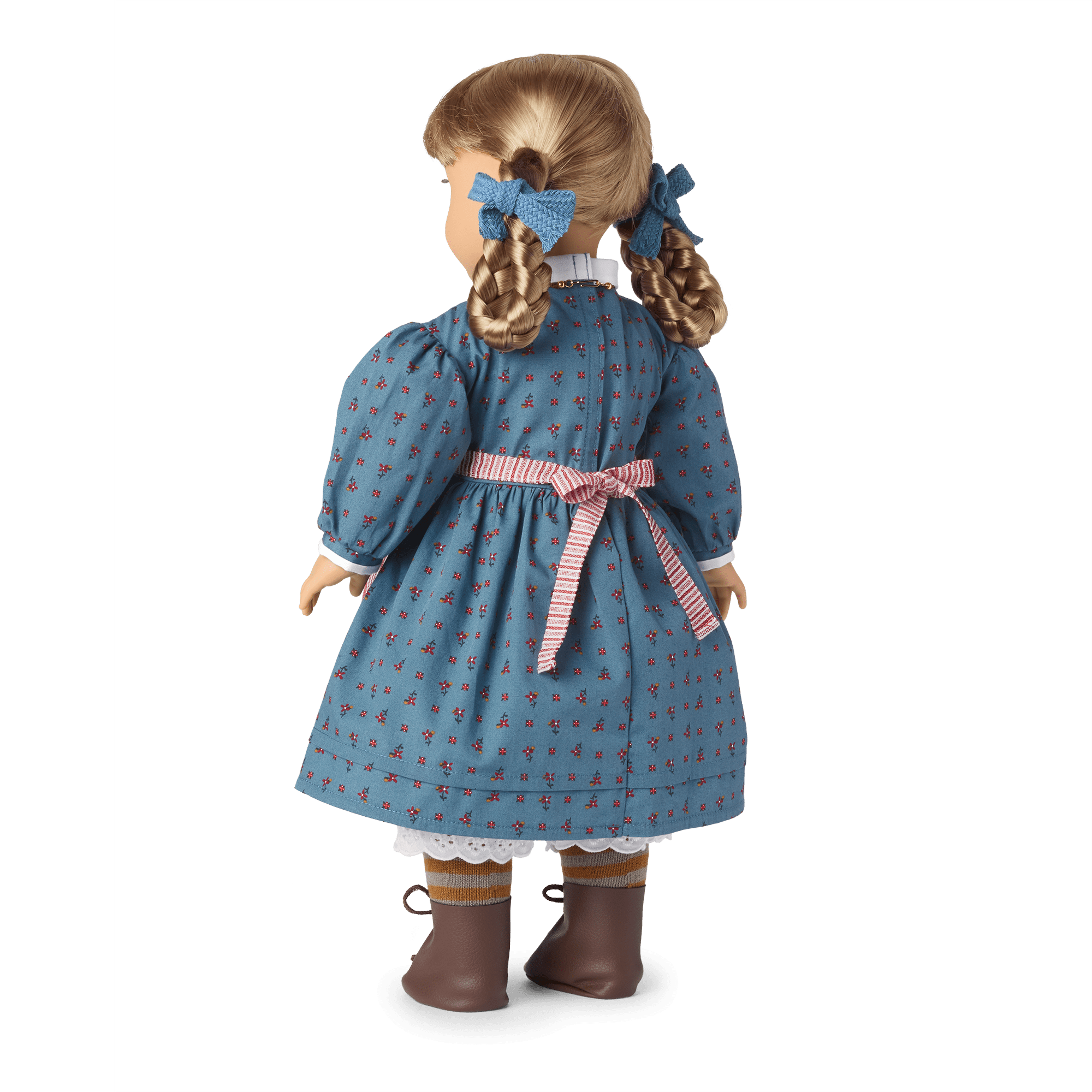
- Kirsten Larson (1854): An immigrant from Sweden settling in the Minnesota Territory. Her story focuses on the hardships of pioneer life and the meeting of different cultures.
- Samantha Parkington (1904): An orphan living with her wealthy grandmother in the Edwardian era. Her narrative tackles themes of industrialization, child labor, and classism.
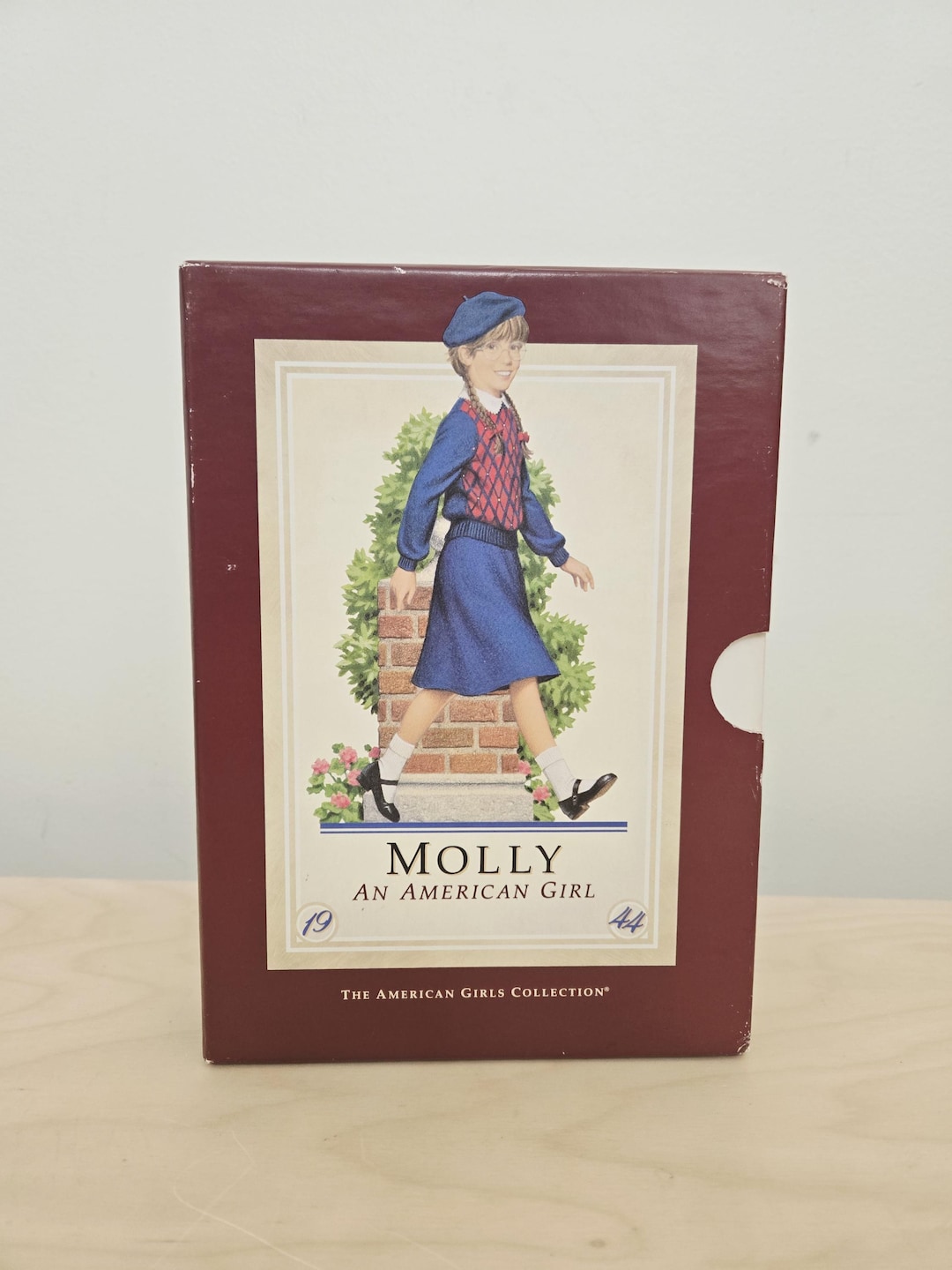
- Molly McIntire (1944): A girl living on the American home front during WWII. Her stories emphasize sacrifice, patriotism, and the changing roles of women.
- Felicity Merriman (1774): Introduced in 1991, she lives in Williamsburg during the onset of the American Revolution, exploring themes of independence and loyalty.
- Addy Walker (1864): Introduced in 1993, Addy’s story is a powerful account of escaping slavery and seeking freedom during the Civil War. It remains one of the most critically acclaimed series in the collection.
- Josefina Montoya (1824): Living in New Mexico under Mexican rule, her story highlights the cultural shifts following the opening of the Santa Fe Trail.
Modern Additions and the 20th Century
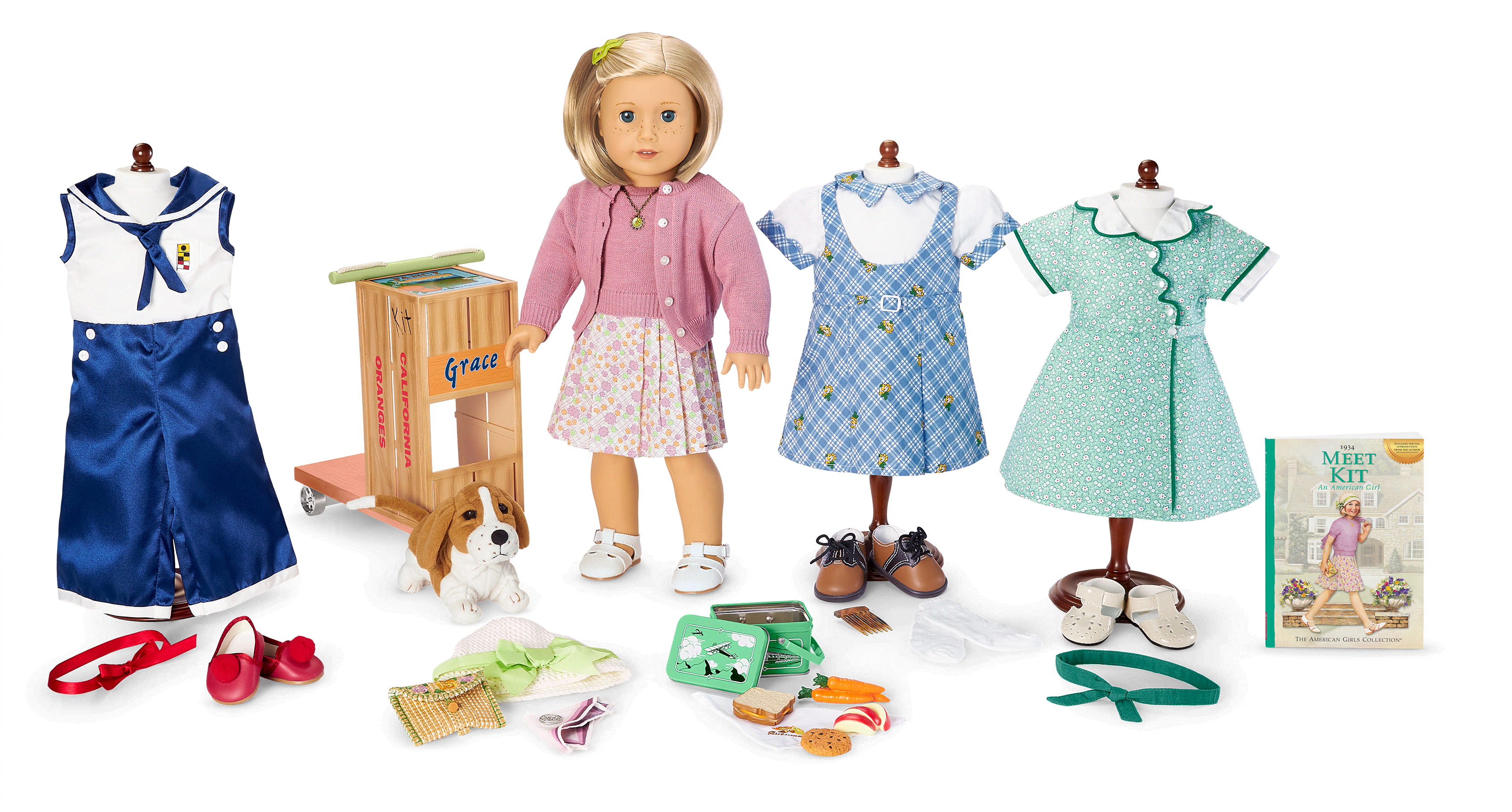
As the collection expanded, it moved further into the 20th century, introducing characters like Kit Kittredge (1934), who experiences the Great Depression, and Melody Ellison (1964), whose story centers on the Civil Rights Movement in Detroit. The most recent "historical" additions, such as the 1990s twins Isabel and Nicki Hoffman, reflect the brand's commitment to documenting history that is within living memory for many parents.
Comparative Overview of Historical Characters
The following table provides a snapshot of key characters within the collection as they stand in 2026, including their era and the primary historical themes they represent.
| Character | Historical Era | Release Year | Primary Theme | Status (as of 2026) |
|---|---|---|---|---|
| Kaya'atonmy' | 1764 | 2002 | Nez Perce culture/pre-contact | Active |
| Felicity Merriman | 1774 | 1991 | American Revolution | Archived / Special Release |
| Caroline Abbott | 1812 | 2012 | War of 1812 / Ship building | Archived |
| Josefina Montoya | 1824 | 1997 | Mexican-American frontier | Active |
| Kirsten Larson | 1854 | 1986 | Pioneer life / Immigration | Archived / Anniversary Ed. |
| Addy Walker | 1864 | 1993 | Civil War / Abolition | Active |
| Samantha Parkington | 1904 | 1986 | Edwardian Era / Class struggle | Active (BeForever) |
| Rebecca Rubin | 1914 | 2009 | Jewish immigration / NYC | Active |
| Claudie Wells | 1922 | 2022 | Harlem Renaissance | Active |
| Kit Kittredge | 1934 | 2000 | Great Depression | Active |
| Molly McIntire | 1944 | 1986 | WWII Home front | Archived / Special Release |
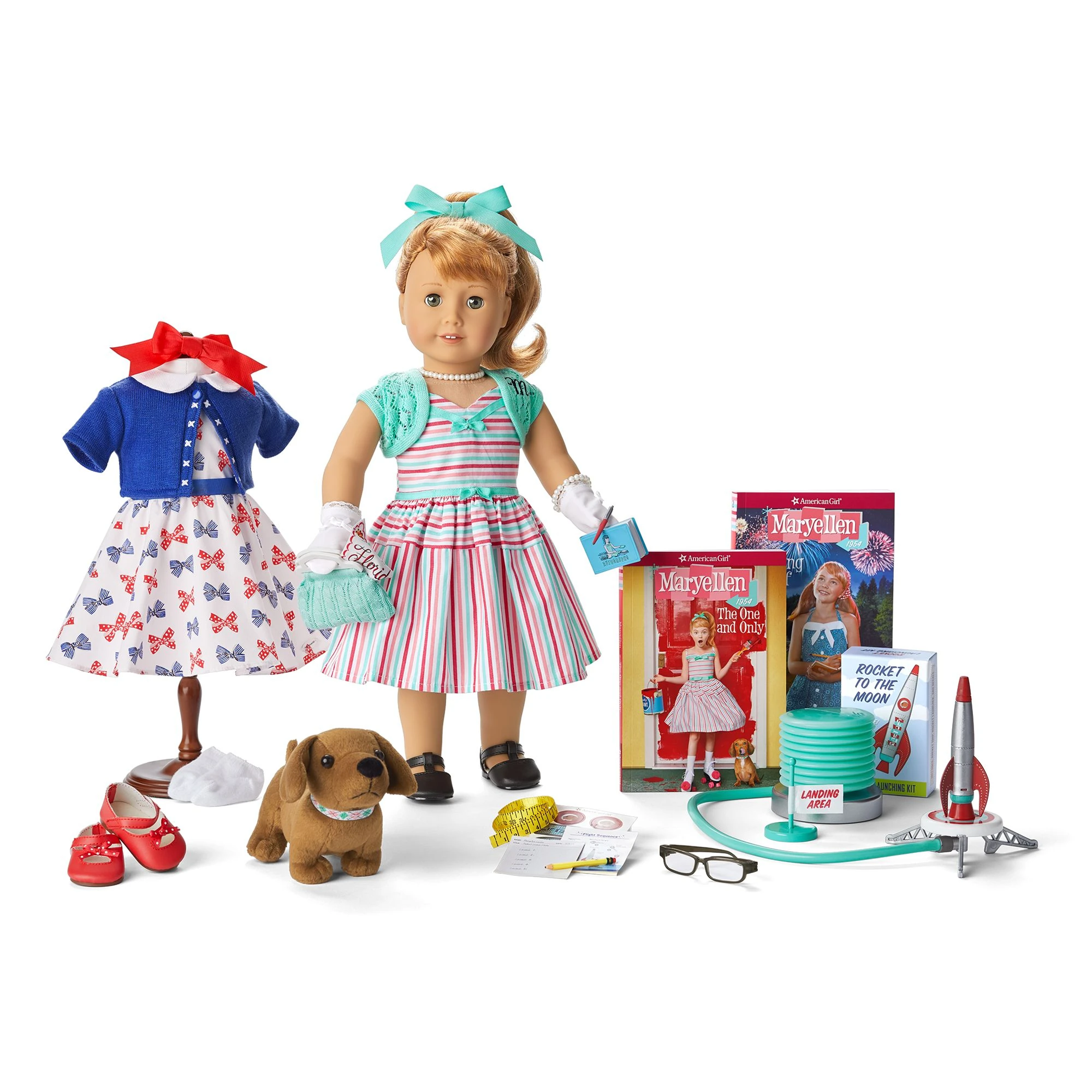
| Maryellen Larkin | 1954 | 2015 | Post-war boom / Polio | Active |
| Melody Ellison | 1963 | 2016 | Civil Rights Movement | Active |
| Julie Albright | 1974 | 2007 | Title IX / Divorce / 70s culture | Active |
| Courtney Moore | 1986 | 2020 | 80s Pop culture / Gaming | Active |
| Isabel & Nicki | 1999 | 2023 | 90s Grunge / Tech boom | Active |
Collecting and Authentication: Value Drivers in 2026
The secondary market for the American Girl Historical Collection is robust. Collectors often look for "signed" books, "first edition" dolls, and retired outfits.
Identifying Value
- Retirement Status: When a doll is "archived" (retired), the price of its remaining stock and secondary market pieces typically rises. Kirsten Larson and Felicity Merriman are prime examples of dolls whose original outfits command high prices.
- Completeness: A doll's value is significantly higher if she possesses her "meet accessories" (e.g., Samantha’s locket and purse or Molly’s glasses and beret).
- Condition: "Silver eye" (a chemical reaction in the eye decal) and "limb looseness" are common issues that can detract from value. Conversely, dolls with "uncut" neck strings are highly prized.
Care and Preservation
To maintain the value of a historical collection, dolls should be kept out of direct sunlight to prevent vinyl fading and hair dryness. Clothing should be stored in acid-free tissue paper. For dolls with intricate hairstyles, such as Josefina or Kaya, it is often recommended to leave the original factory braids intact, as re-styling can lead to hair loss or frizzing over time.
Educational Impact and Critical Reception
The American Girl Historical Collection has been praised by historians and educators for its commitment to accuracy. For example, the Kaya doll was developed in close consultation with the Nez Perce (Nimíipuu) tribe to ensure her clothing, stories, and even her facial expression (she does not show teeth, as it is considered a sign of aggression in certain traditional contexts) were culturally appropriate.
However, the collection has also faced scrutiny regarding its portrayal of difficult periods. The transition of the books from a six-part series to a condensed format was criticized by some for losing nuances of the historical struggle. Despite this, the brand has remained a primary entry point for young readers into complex topics like suffrage, the Holocaust (through the stories of Rebecca Rubin), and the struggles of the working class.
Frequently Asked Questions
Which American Girl historical dolls are currently retired?
As of 2026, several characters remain in the "archives," including Kirsten Larson, Felicity Merriman, Caroline Abbott, Marie-Grace Gardner, and Cécile Rey. However, American Girl frequently releases limited-edition "anniversary" versions of these dolls, so their availability can fluctuate.
What is the difference between a Pleasant Company doll and a Mattel doll?
The primary differences are the neck stamp ("Pleasant Company" vs. "American Girl"), the body fabric color (white vs. tan in early models), and the eye design. Pleasant Company dolls are generally considered more collectable due to their age and original craftsmanship.
Are the American Girl books historically accurate?
Yes, the books are written with the input of historical consultants. Each book originally concluded with a "Looking Back" section that provided real-world historical context, photographs, and maps to supplement the fictional story.
How do I know if my Samantha doll is a "White Body" version?
If you undress the doll and her torso is made of white muslin fabric rather than flesh-toned fabric, she is a "White Body" doll. These were produced between 1986 and 1991 and are among the most valuable items in the collection.
Why did American Girl change the historical line to "BeForever"?
The BeForever rebranding in 2014 was an effort to modernize the line and make the historical characters feel more "relatable" to modern children through updated outfits and consolidated book formats. While the "BeForever" name is less emphasized in 2026, many of the outfit changes from that era remain.
Next Steps for Collectors and Parents
Whether you are a seasoned collector or a parent introducing your child to the world of history, the best next step is to identify an era that resonates with your personal interests. For those looking to invest, prioritize Pleasant Company-era dolls in their original packaging. For those focused on education, the original six-book series for characters like Addy Walker or Kit Kittredge offers the most comprehensive narrative experience. Always verify the authenticity of dolls on the secondary market by checking neck stamps and eye patterns to ensure you are receiving a piece that aligns with your collection goals.
Image Gallery