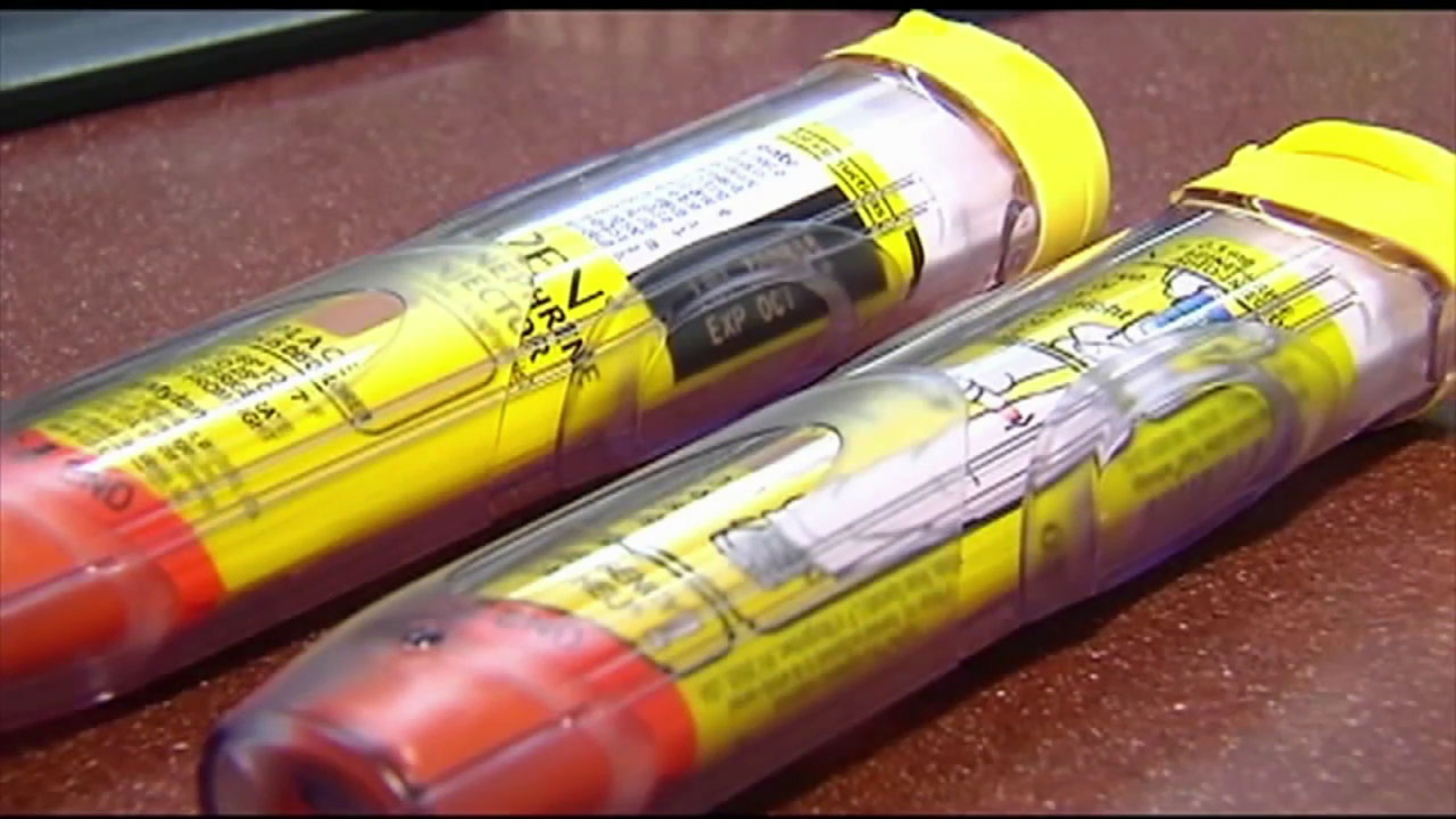
Understanding the Safety and Efficacy of Using an Expired EpiPen in Emergencies
If you are facing a life-threatening allergic reaction (anaphylaxis) and only have an expired EpiPen, medical experts and organizations like the American Academy of Allergy, Asthma & Immunology (AAAAI) suggest using it. While potency d...
If you are facing a life-threatening allergic reaction (anaphylaxis) and only have an expired EpiPen, medical experts and organizations like the American Academy of Allergy, Asthma & Immunology (AAAAI) suggest using it. While potency decreases over time, an expired device typically retains significant active epinephrine and is far more effective than receiving no treatment at all during a medical emergency.
Contents
The expiration date on an epinephrine autoinjector is not a "kill switch" that renders the medication useless the following day. Instead, it represents the final date the manufacturer guarantees the drug's full potency and safety under ideal storage conditions. In the high-stakes environment of 2026, where healthcare costs and occasional supply chain fluctuations remain concerns for many families, understanding the nuances of medication stability is essential for emergency preparedness.
The Science of Epinephrine Degradation
Epinephrine, also known as adrenaline, is a relatively unstable chemical compound. It is highly sensitive to environmental factors, including light, oxygen, and temperature fluctuations. The expiration date—usually 12 to 18 months from the date of manufacture—is determined by rigorous stability testing. Manufacturers like Viatris (which markets EpiPen) and generic producers must demonstrate that the medication maintains at least 90% of its original potency until the date printed on the device.
Once the expiration date passes, the epinephrine begins to break down more rapidly into secondary compounds. This process is called oxidation. As epinephrine oxidizes, it loses its ability to effectively constrict blood vessels and open airways—the two primary functions required to reverse anaphylaxis. However, this degradation is a gradual slope, not a cliff.
Analyzing the Potency of Expired Devices
Several landmark studies have investigated exactly how much "punch" an expired EpiPen still packs. Research published in the Journal of Allergy and Clinical Immunology and conducted by various pharmaceutical scientists has examined devices that were several years past their expiration dates.
In many of these tests, autoinjectors that were one to two years past their expiration date still contained 80% to 90% of their original epinephrine concentration. Even devices that were five to seven years out of date often maintained more than 70% of their potency. While 70% is not ideal for a medical emergency, it is a physiologically significant dose that can provide the critical window of time needed for professional emergency medical services to arrive.
It is important to note that these studies usually involve devices that were stored in controlled environments. A pen that has spent two years in a hot glove box in the summer and a freezing car in the winter will degrade significantly faster than one kept in a climate-controlled pharmacy or a kitchen cabinet.
Visual Inspection: When an Expired Pen is Truly Unsafe
Before using any epinephrine autoinjector—expired or not—you should perform a visual inspection through the "view window" on the side of the device. This window is specifically designed to allow users to check the integrity of the medication.
The Clear Liquid Standard
The liquid inside a functional EpiPen should be completely clear and colorless, resembling water. If the liquid meets this criteria, the epinephrine is likely still active enough to be useful, even if the date has passed.
Signs of Total Failure
If you observe any of the following, the medication has likely degraded to a point where it may be ineffective or potentially harmful:
- Discoloration: If the liquid has turned pinkish, orange, or brown, significant oxidation has occurred.
- Cloudiness: Turbidity or a "milky" appearance indicates that the chemical structure has changed or that contaminants have entered the vial.
- Precipitate: If you see small solid particles or "flakes" floating in the liquid, do not rely on the device.
Comparing Potency and Reliability
While the chemical stability of the drug is the primary concern, the mechanical reliability of the autoinjector must also be considered. The EpiPen is a complex mechanical device consisting of a spring-loaded needle and a firing mechanism.
| Feature | Unexpired EpiPen | Expired EpiPen (Clear) | Expired EpiPen (Discolored) |
|---|---|---|---|
| Potency Level | 90% - 110% (Guaranteed) | 70% - 90% (Estimated) | Negligible / Unknown |
| Safety Profile | Clinically Validated | Low risk, but unvalidated | High risk of ineffectiveness |
| Legal Standing | Standard of Care | Emergency last resort | Not recommended |
| Mechanical Integrity | High | Generally High | Generally High |
| Clinical Action | Immediate reversal of symptoms | Delayed or partial reversal | Likely no clinical effect |
The Impact of Storage Conditions
In 2026, portability is a key aspect of allergy management, but it comes at a cost to medication longevity. Epinephrine is exceptionally sensitive to temperature. The United States Pharmacopeia (USP) recommends storing epinephrine at a "controlled room temperature" between 20°C and 25°C (68°F to 77°F), with temporary excursions permitted between 15°C and 30°C (59°F to 86°F).
The Danger of Heat
Leaving an EpiPen in a car on a hot day can cause temperatures to exceed 140°F. Research has shown that even a few days of exposure to extreme heat can degrade epinephrine more than a year of normal aging. Heat speeds up the oxidation process, turning the clear liquid brown and rendering the drug useless long before the expiration date arrives.
The Danger of Cold
Conversely, freezing an EpiPen can be equally damaging. While the cold itself doesn't necessarily destroy the epinephrine molecule, the freezing and thawing process can compromise the integrity of the glass ampule inside the device or damage the firing mechanism, leading to mechanical failure when you need it most.
Legal and Practical Considerations for 2026
For schools, summer camps, and workplaces, the rules regarding expired medications are often more rigid than for individual users. Most state regulations and "stock epinephrine" laws require that any medication kept on-site for emergency use must be unexpired.
If you are a parent, ensuring your child has an unexpired device at school is a legal necessity. School nurses are generally prohibited by their licensing boards from administering expired medications. Therefore, even if an expired pen might work, it cannot be legally used by institutional staff, which creates a dangerous gap in the safety net for children with severe allergies.
Emergency Protocols: Using an Expired Device
If a severe allergic reaction occurs and you find yourself holding an expired EpiPen, follow these steps:
- Check for an unexpired alternative: Always look for a current device first. Check purses, backpacks, or emergency kits.
- Inspect the expired device: Quickly look through the view window. If it is clear, proceed. If it is discolored but is the only thing you have, medical consensus still suggests using it, though its efficacy is highly doubtful.
- Administer the injection: Use the standard technique (blue to the sky, orange to the thigh). Hold the device firmly against the outer thigh for the recommended three seconds.
- Call 911 immediately: Regardless of whether the device was expired or fresh, anaphylaxis is a medical emergency. You must seek professional help, as a "rebound" reaction (biphasic anaphylaxis) can occur hours later.
- Monitor the person: If symptoms do not improve within 5 to 15 minutes, a second dose may be required if another device is available.
Frequently Asked Questions
Can an expired EpiPen be harmful or toxic?
There is no evidence that expired epinephrine becomes toxic or poisonous to humans. The primary danger of using an expired device is not that it will cause harm through its chemical makeup, but that it will fail to deliver a therapeutic dose of the life-saving medication needed to stop a reaction.
Why do EpiPens expire so quickly?
The 12-to-18-month expiration window is a result of the manufacturer’s need to guarantee 100% efficacy. Because epinephrine is highly reactive to its environment, the window is kept conservative to account for various storage conditions and to ensure that the drug meets the strict standards of the Food and Drug Administration (FDA).
Are generic epinephrine injectors more stable than the brand name?
The active ingredient—epinephrine—is the same in both brand-name EpiPens and their generic counterparts. Stability depends on the formulation and the quality of the device's seal. Generally, both brand-name and generic devices follow the same expiration guidelines and degradation patterns.
What should I do with my expired EpiPens?
Do not simply throw them in the trash. Expired devices contain a needle and should be disposed of in a sharps container or according to local biohazard disposal regulations. Many pharmacies and hospitals offer "take-back" programs for expired medical devices. Some people keep an expired (but clear) pen as a "backup of a backup," but this should never replace a current, unexpired device.
Is the nasal spray version of epinephrine more stable?
As of 2026, newer delivery methods like epinephrine nasal sprays (such as Neffy) have entered the market. These products have their own specific stability profiles and expiration dates. Preliminary data suggests they are also sensitive to temperature extremes, similar to injectable versions, and should be replaced according to the manufacturer's labeled date.
Final Recommendation
The most critical takeaway is that an expired EpiPen is better than no EpiPen. However, this should never be used as a reason to delay replacement. The unpredictable nature of anaphylaxis requires the most reliable tools available.
To maintain safety:
- Set a recurring calendar alert one month before your devices expire.
- Check the view window of your devices every three months.
- Always carry two unexpired autoinjectors, as roughly 20% of reactions require a second dose.
- Replace any device immediately if the liquid becomes cloudy or discolored, regardless of the date.
For more information on managing severe allergies, visit the American Academy of Allergy, Asthma & Immunology or the Food and Drug Administration (FDA) websites.
Image Gallery