Microbial Manufacturing: The 2026 Guide to Industrial Biotechnology and Precision Fermentation
Microbial manufacturing utilizes engineered microorganisms such as bacteria, yeast, fungi, and microalgae as biological factories to produce high-value chemicals, proteins, and materials at scale. By programming cellular pathways to sy...
Microbial manufacturing utilizes engineered microorganisms such as bacteria, yeast, fungi, and microalgae as biological factories to produce high-value chemicals, proteins, and materials at scale. By programming cellular pathways to synthesize complex molecules, this discipline transforms renewable feedstocks into sustainable alternatives for pharmaceuticals, agriculture, textiles, and specialty chemicals.
Contents
Fundamentals of Industrial Biofabrication and Strain Engineering
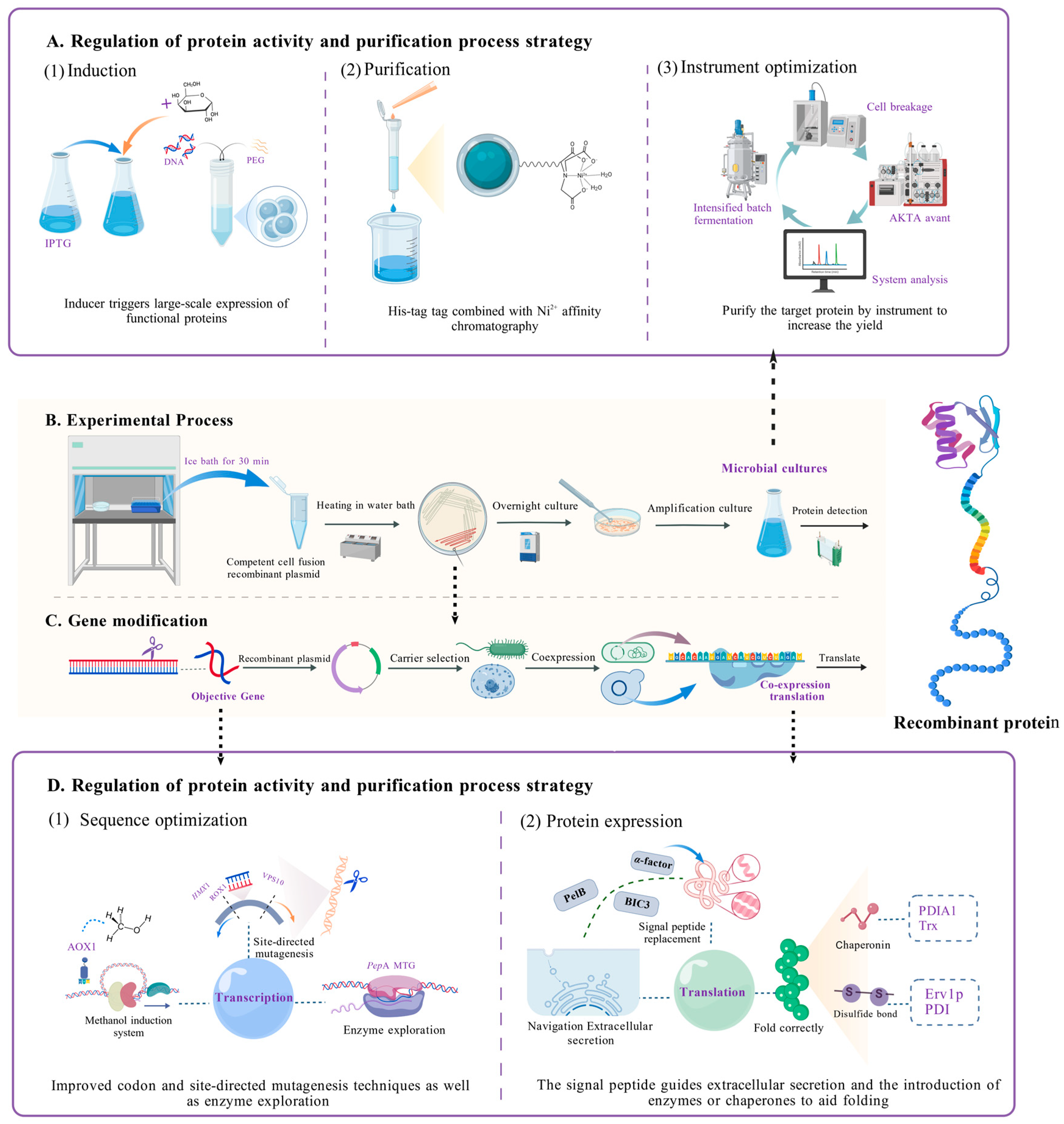
The architecture of microbial manufacturing rests on the ability to program cellular machinery. At its core, the process begins with strain engineering, where host organisms such as Escherichia coli, Saccharomyces cerevisiae, or Pichia pastoris undergo genetic modification. These alterations optimize metabolic flux, ensuring that cellular energy is directed toward synthesizing the target product rather than routine biomass accumulation.
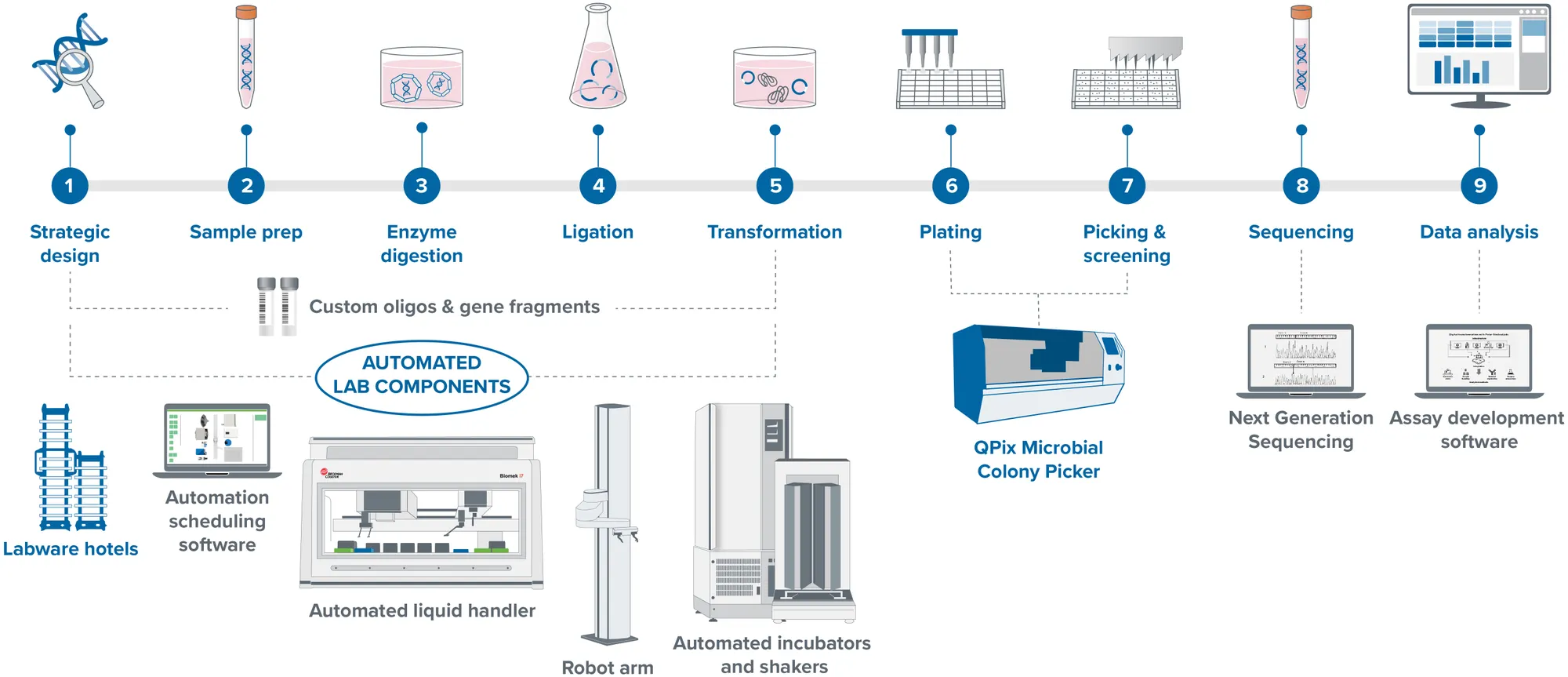
Engineering robust strains requires a deep understanding of metabolic pathways and genome editing tools. Modern bioengineers leverage CRISPR-Cas systems alongside high-throughput screening platforms to construct pathways capable of expressing heterologous genes.
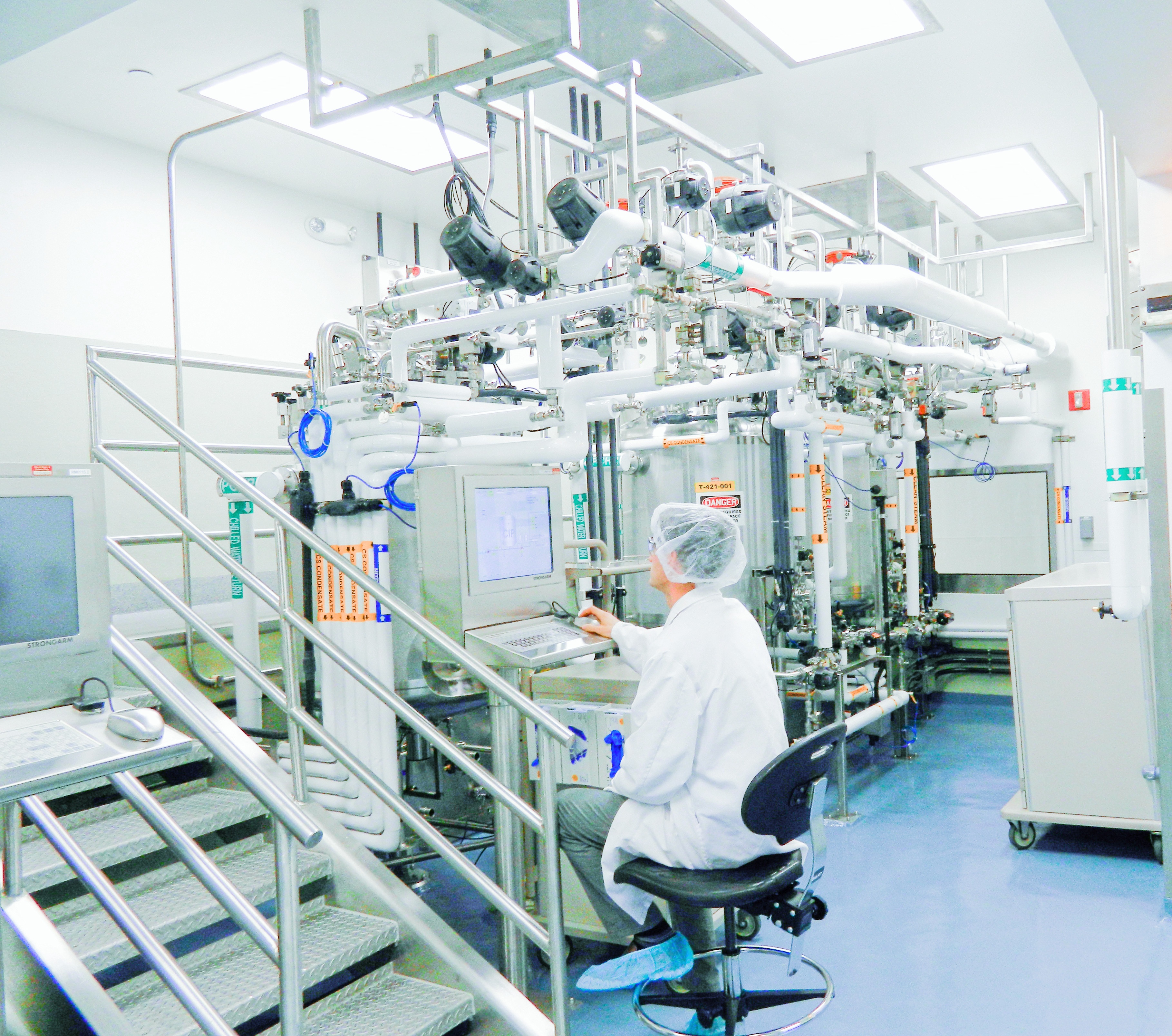
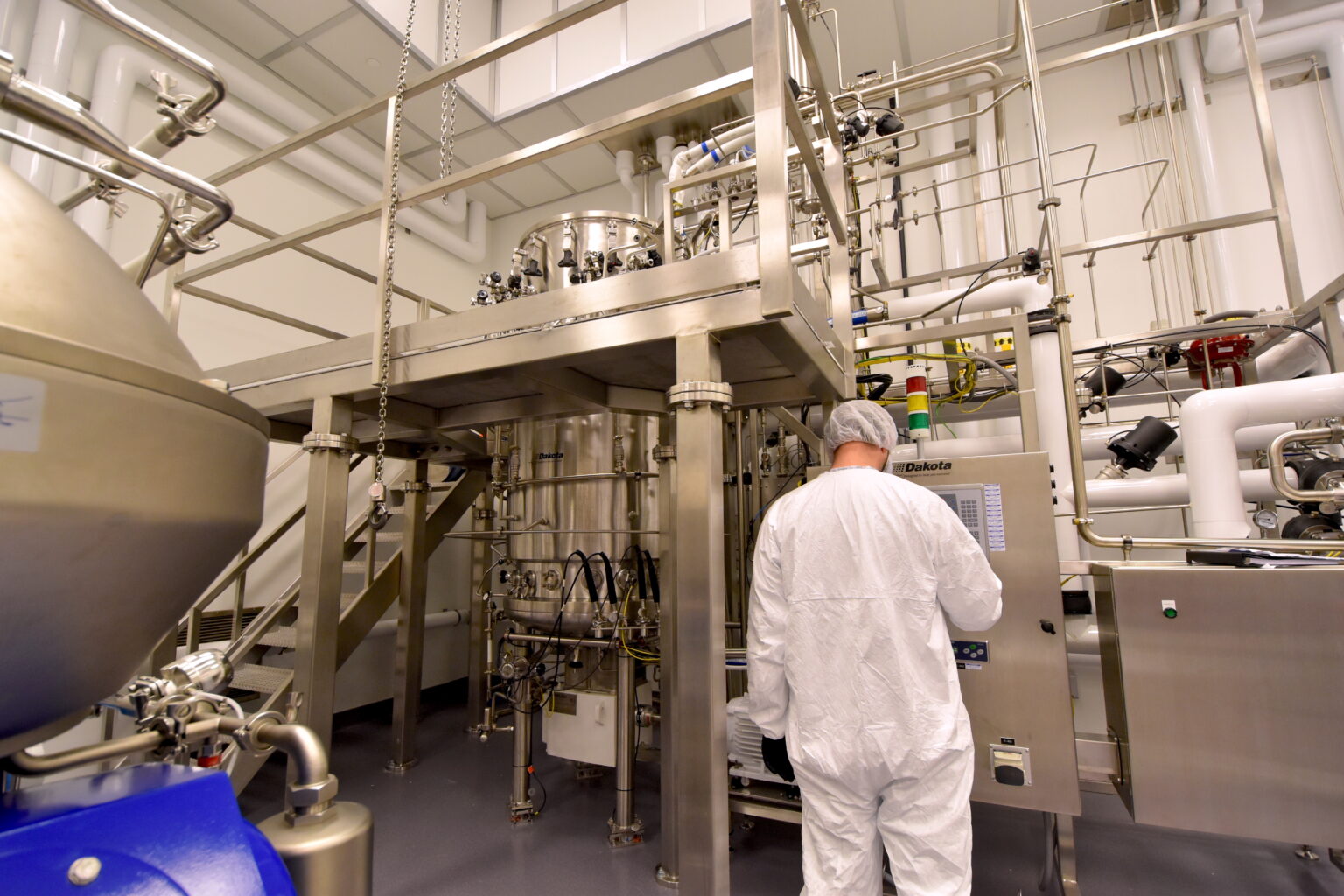
Once a high-performing strain is stabilized, the manufacturing process shifts from the laboratory bench to industrial-scale bioreactors. Scale-up introduces complex fluid dynamics, heat transfer, and mass transfer challenges. Maintaining uniform oxygenation, pH, and nutrient distribution across a 100,000-liter fermentation vessel requires precision engineering.
- Upstream Processing: Involves strain inoculation, media formulation, and maintaining optimal growth parameters within the bioreactor.
- Fermentation Modes: Operators choose between batch, fed-batch, or continuous fermentation depending on the toxicity of the product and desired volumetric productivity.
- Downstream Processing (DSP): Comprises cell lysis, filtration, centrifugation, and chromatographic purification to isolate the target molecule from a complex cellular broth.
Fermentation Technologies: Batch, Fed-Batch, and Continuous Systems
Selecting the appropriate fermentation configuration dictates the economic viability and titer yield of a microbial manufacturing plant. Each mode presents distinct advantages and operational constraints that engineers must balance against the physiology of the production host.
| Fermentation Mode | Operational Complexity | Productivity Profile | Risk of Contamination | Best Suited Applications |
|---|---|---|---|---|
| Batch Fermentation | Low | Finite; high downtime between cycles | Moderate | Small-scale production, secondary metabolites, rapid prototyping |
| Fed-Batch Fermentation | Moderate | High titers; extended operational runs | Low-Moderate | Recombinant proteins, high-cell-density cultures, industrial enzymes |
| Continuous Fermentation | High | Steady-state; maximum volumetric efficiency | High (long-term risk) | Bulk chemicals, organic acids, bioethanol generation |
Batch systems operate in a closed environment where nutrients are loaded initially, and no additional inputs are provided except oxygen and antifoam. While simple to manage, substrate inhibition often limits final product concentration.
Fed-batch systems circumvent substrate inhibition by periodically or continuously feeding nutrients into the bioreactor without removing culture fluid. This approach achieves high cell densities and maximizes product accumulation, making it the industry standard for monoclonal antibodies and complex therapeutic proteins.
Continuous systems maintain a steady state by simultaneously feeding fresh media and withdrawing spent broth. Although continuous operation maximizes equipment utilization, maintaining genetic stability over prolonged cultivation periods remains a technical hurdle.
Feedstocks and Downstream Processing Challenges
The transition from fossil-derived feedstocks to bio-based alternatives requires sustainable carbon sources. Modern facilities increasingly utilize agricultural residues, lignocellulosic biomass, and industrial carbon dioxide streams. However, transitioning away from refined sugars introduces impurities that can foul bioreactors and inhibit microbial growth. Pre-treatment protocols, such as enzymatic hydrolysis and chemical fractionation, are necessary to break complex polymers into fermentable monosaccharides.
Downstream processing (DSP) often accounts for up to 80% of the total production cost in microbial manufacturing. Extracting an intracellular product requires efficient cell disruption techniques, such as high-pressure homogenization or bead milling, without denaturing sensitive proteins.
Following cell lysis, clarification removes solid debris via tangential flow filtration (TFF) or disc-stack centrifugation. Chromatographic methods, including affinity, ion-exchange, and size-exclusion chromatography, achieve high purity for biopharmaceuticals. For bulk chemicals, distillation, solvent extraction, and crystallization are preferred due to lower capital expenditure at scale.
Applications Across Industries: Therapeutics, Materials, and Agriculture
Microbial manufacturing disrupts traditional supply chains by enabling the production of molecules that are difficult or impossible to synthesize via petrochemical routes. The pharmaceutical sector relies heavily on microbial hosts to produce insulin, vaccines, and complex antibiotics. Precision fermentation also yields alternative proteins, such as mycoprotein and animal-free dairy components, transforming the food technology landscape.
In materials science, engineered microbes synthesize biopolymers like polyhydroxyalkanoates (PHAs) for biodegradable plastics, as well as spider silk proteins and collagen for high-performance textiles. Agricultural biotechnology utilizes microbial hosts to manufacture biofertilizers, biopesticides, and nitrogen-fixing inoculants, reducing reliance on synthetic agrochemicals.
Advantages and Limitations of Microbial Production Systems
Evaluating the viability of a bio-based process requires weighing biological efficiency against economic and operational realities.
Advantages
- Sustainability: Utilizes renewable resources and offers a significantly lower carbon footprint compared to petroleum-based synthesis.
- Molecular Complexity: Enables the stereospecific synthesis of intricate biological structures that chemical catalysts cannot replicate efficiently.
- Scalability: Microorganisms multiply rapidly, allowing for predictable scale-up from benchtop vials to industrial fermentation plants.
Limitations
- Downstream Bottlenecks: Purification and separation costs frequently outweigh the costs associated with the fermentation phase itself.
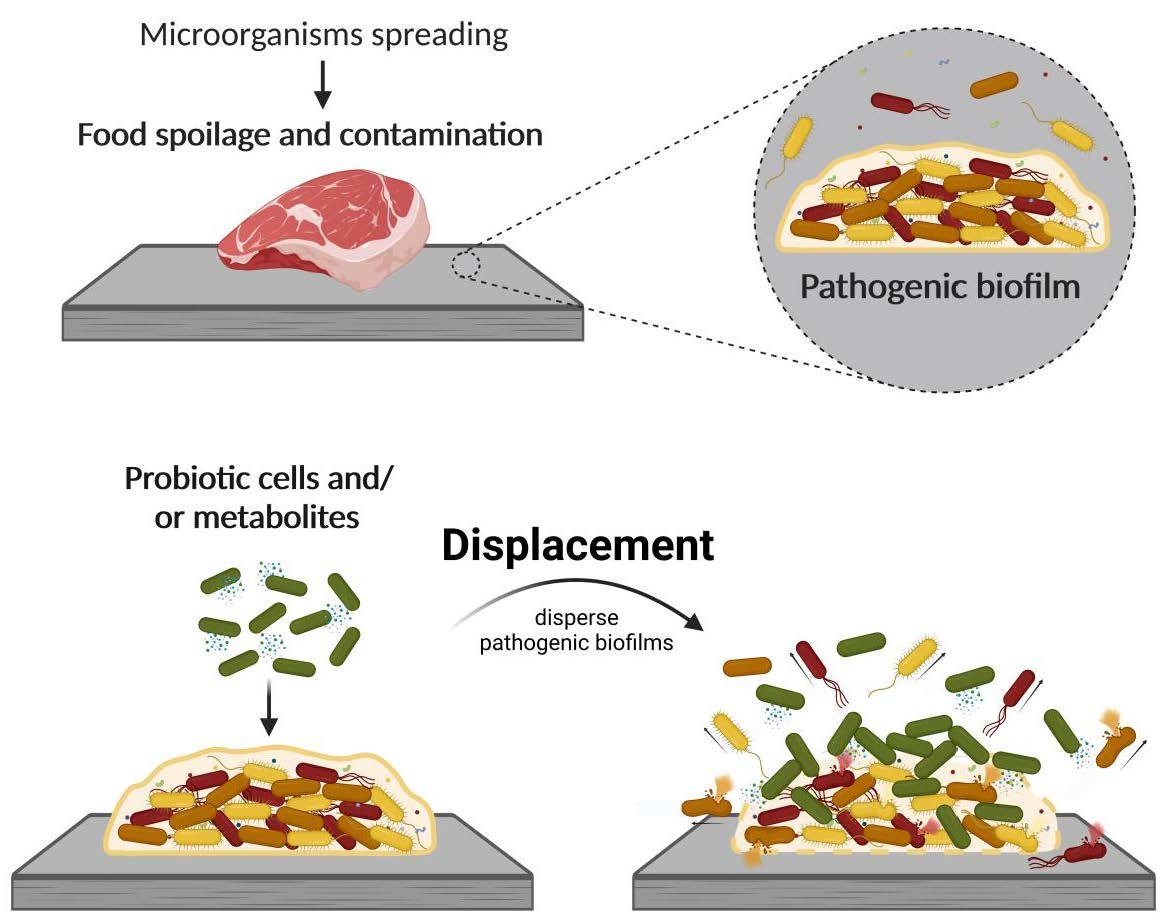
- Contamination Risks: Bacteriophage infections or competing wild-type microorganisms can devastate large-scale cultures, leading to complete batch failure.
- Capital Intensity: Building state-of-the-art cGMP (current Good Manufacturing Practice) fermentation facilities requires substantial upfront capital investment.
Step-by-Step Guide to Scaling a Microbial Manufacturing Process
Executing a successful scale-up from concept to commercial production requires a structured framework designed to mitigate biological and engineering risks.
- Strain Discovery and Optimization: Identify the optimal microbial chassis and utilize metabolic engineering to maximize the yield of the target molecule.
- Bench-Scale Validation: Test the engineered strain in 1- to 5-liter benchtop bioreactors to establish baseline kinetic parameters, oxygen uptake rates (OUR), and carbon dioxide evolution rates (CER).
- Pilot-Scale Verification: Transition to 100- to 1,000-liter pilot facilities to validate heat and mass transfer models, refine feeding strategies, and optimize DSP protocols.
- Techno-Economic Analysis (TEA): Model operational expenditures (OPEX) and capital expenditures (CAPEX) to ensure the unit economics are competitive with incumbent technologies.
- Commercial Fermentation: Scale production to industrial bioreactors (50,000 to 300,000+ liters) under strict quality control and regulatory compliance frameworks.
Frequently Asked Questions
What microorganisms are most commonly used in industrial manufacturing?
The most frequently utilized hosts include the bacterium Escherichia coli, the yeast Saccharomyces cerevisiae, Pichia pastoris, and various species of Bacillus and Pseudomonas. Each organism offers distinct advantages in growth rate, genetic tractability, and protein folding capacity.
How do companies handle contamination risks in large-scale bioreactors?
Facilities maintain sterility through rigorous steam-in-place (SIP) and clean-in-place (CIP) protocols, positive-pressure cleanrooms, and stringent media sterilization. Continuous monitoring of off-gas composition and pH anomalies helps detect early signs of biological contamination.
What is the primary cost driver in microbial manufacturing?
Raw material feedstocks and downstream purification typically represent the largest operational expenditures. Optimizing carbon source costs and improving DSP recovery efficiency are primary targets for reducing overall production expenses.
Can microbial manufacturing completely replace petrochemical synthesis?
While microbial manufacturing can produce drop-in replacements for many bulk and specialty chemicals, complete replacement is constrained by feedstock availability, geographic limitations, and the economic competitiveness of mature fossil fuel supply chains.
Strategic Outlook and Implementation
Adopting microbial manufacturing requires aligning biological capabilities with robust engineering infrastructure. Organizations must prioritize strain stability, resource-efficient media formulation, and scalable downstream workflows from the earliest stages of research and development. By systematically addressing mass transfer limitations and purification bottlenecks, industrial biotechnology delivers scalable, sustainable production systems for the global bioeconomy.
Image Gallery