Does Your Auto Insurance Cover Personal Liability for a Rental Car?
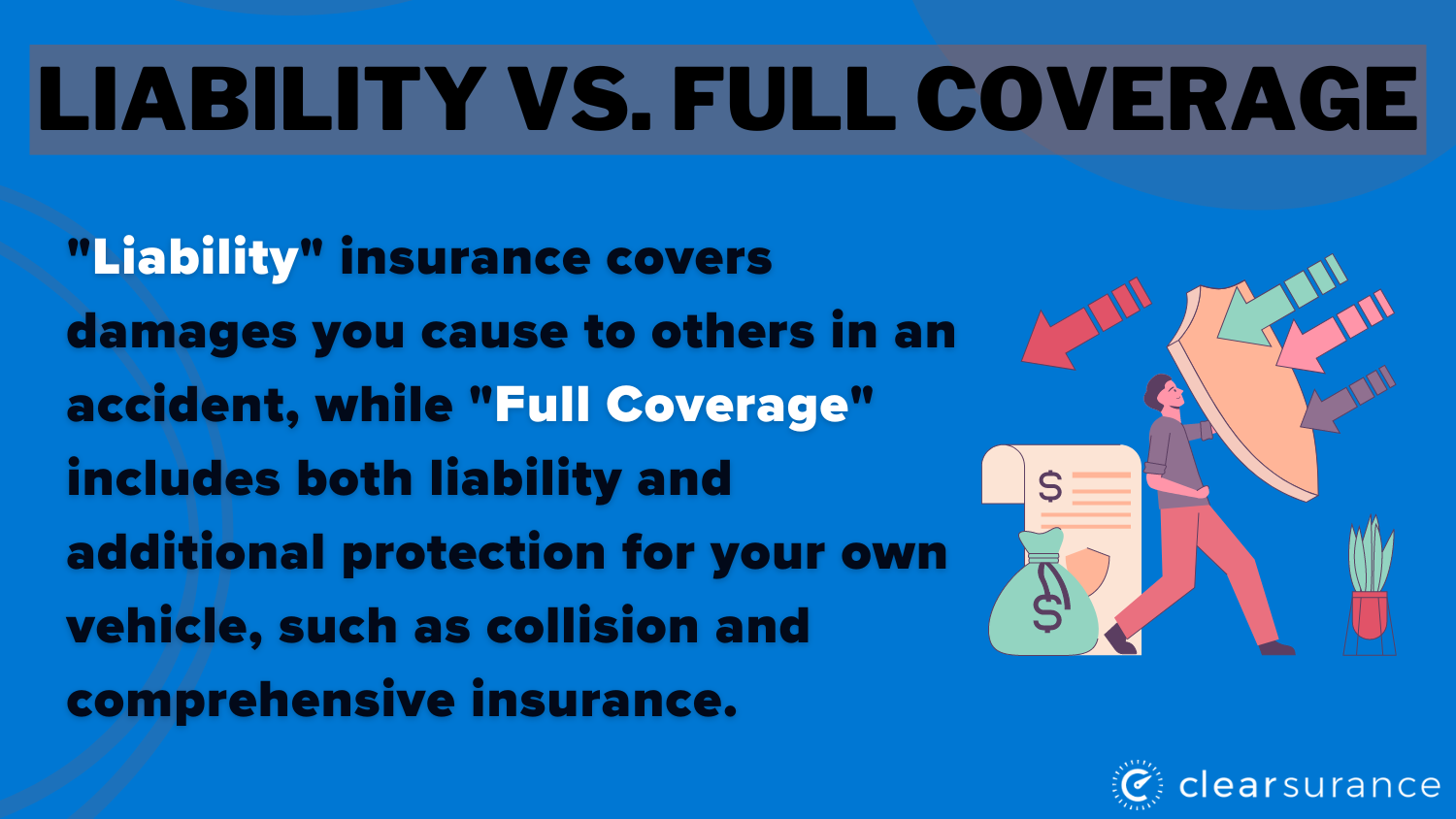
In 2026, most standard personal auto insurance policies in the United States and Canada provide liability coverage for rental cars, provided the vehicle is used for personal purposes. If your existing policy includes bodily injury and...
In 2026, most standard personal auto insurance policies in the United States and Canada provide liability coverage for rental cars, provided the vehicle is used for personal purposes. If your existing policy includes bodily injury and property damage liability, those same coverage limits typically follow you when you drive a rental, protecting you if you are found at fault in an accident.
Contents
Navigating the rental car counter can be a stressful experience, often involving a barrage of insurance offers and high-pressure sales tactics. Understanding whether your personal auto insurance policy covers liability for a rental car is essential for avoiding double-paying for coverage you already have, or worse, driving without adequate protection.
Personal liability in the context of driving is the financial responsibility you bear if you cause an accident that results in injury to another person or damage to their property. While your personal policy often extends this protection to a rental, several critical nuances regarding policy limits, geographic boundaries, and the specific type of rental vehicle can alter your level of protection.
Understanding Liability Insurance in the Context of Rentals
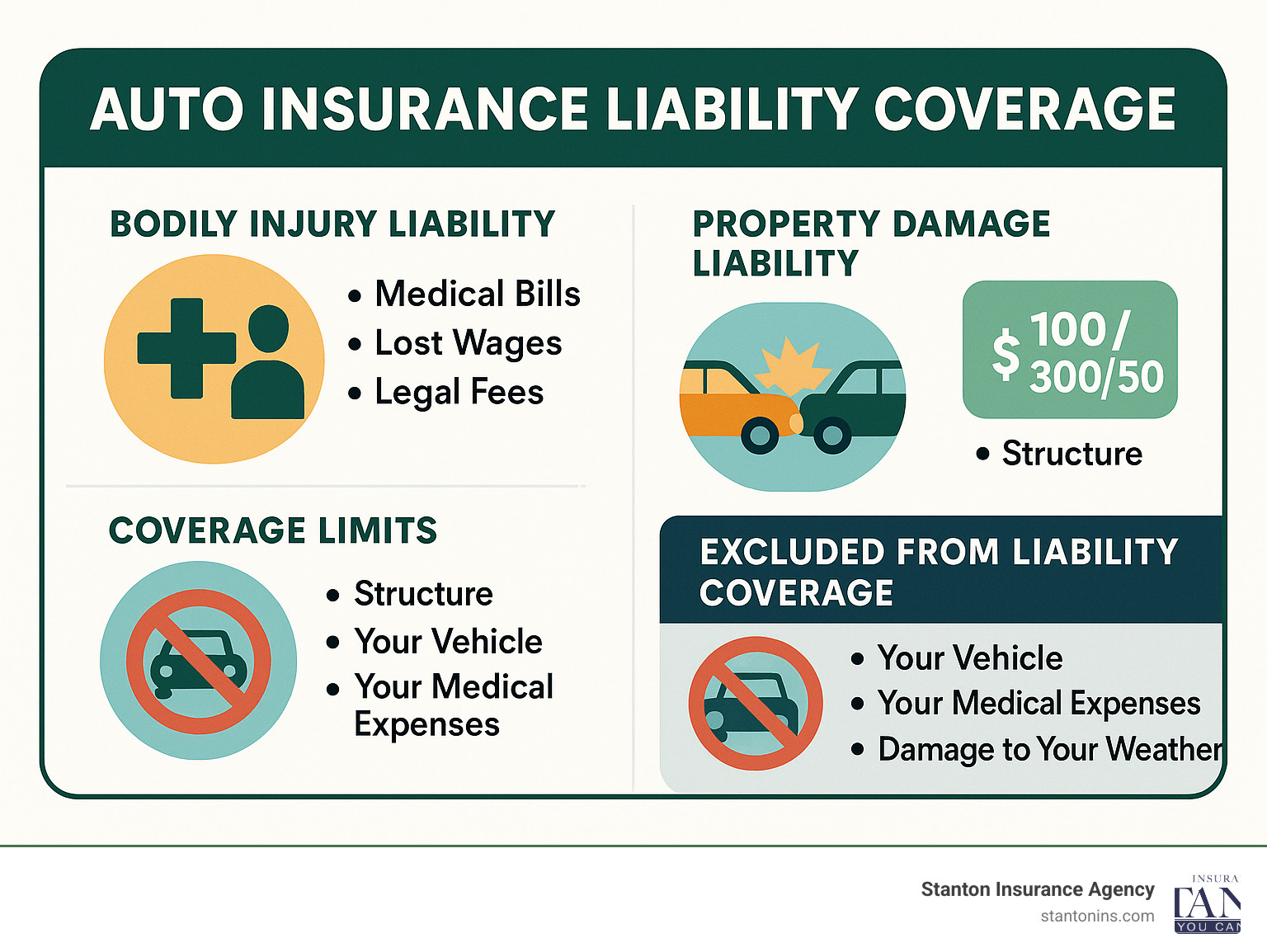
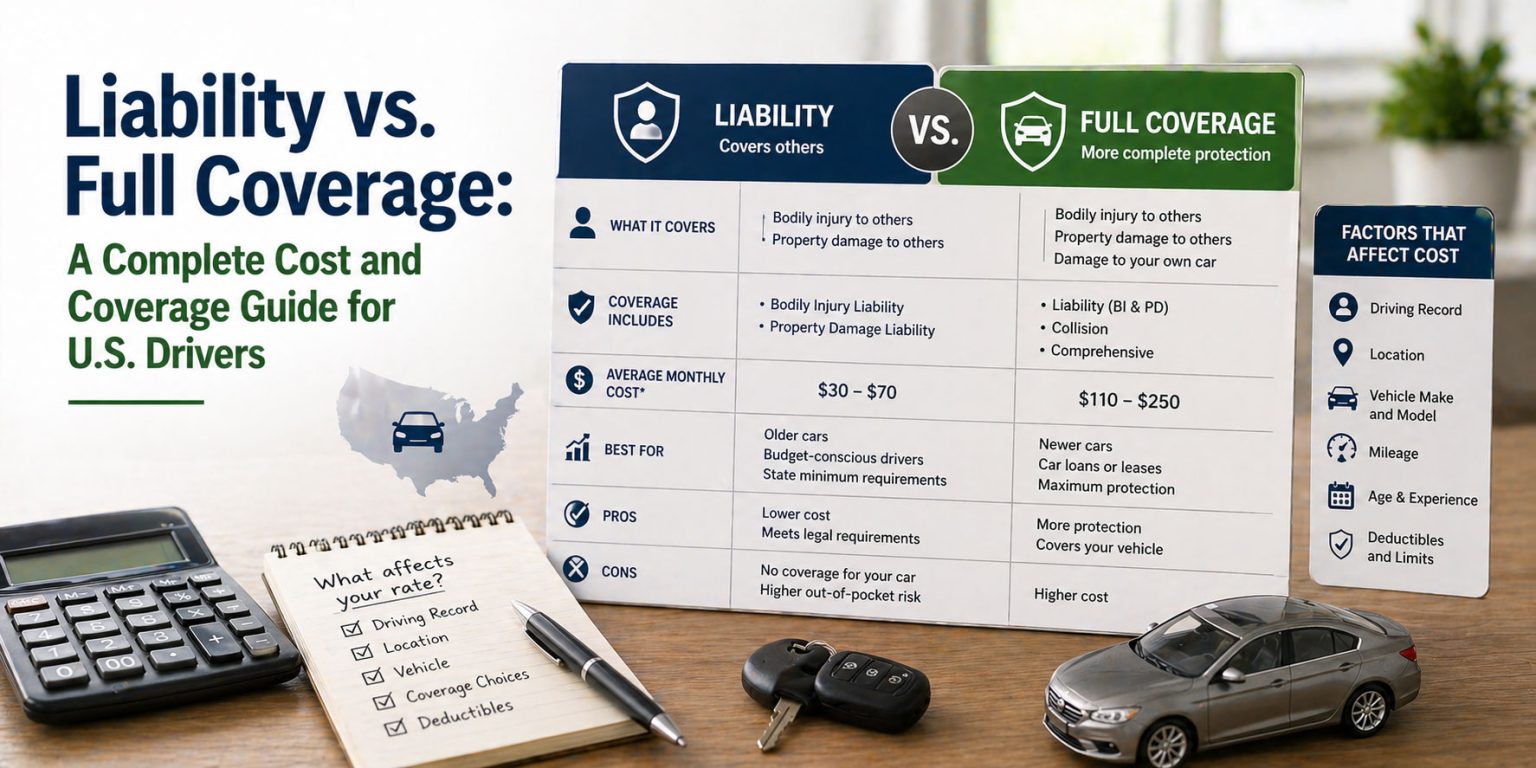
Liability insurance is divided into two primary categories: Bodily Injury (BI) and Property Damage (PD). When you rent a car, these are the components of your personal policy that are most likely to transfer to the rental agreement.
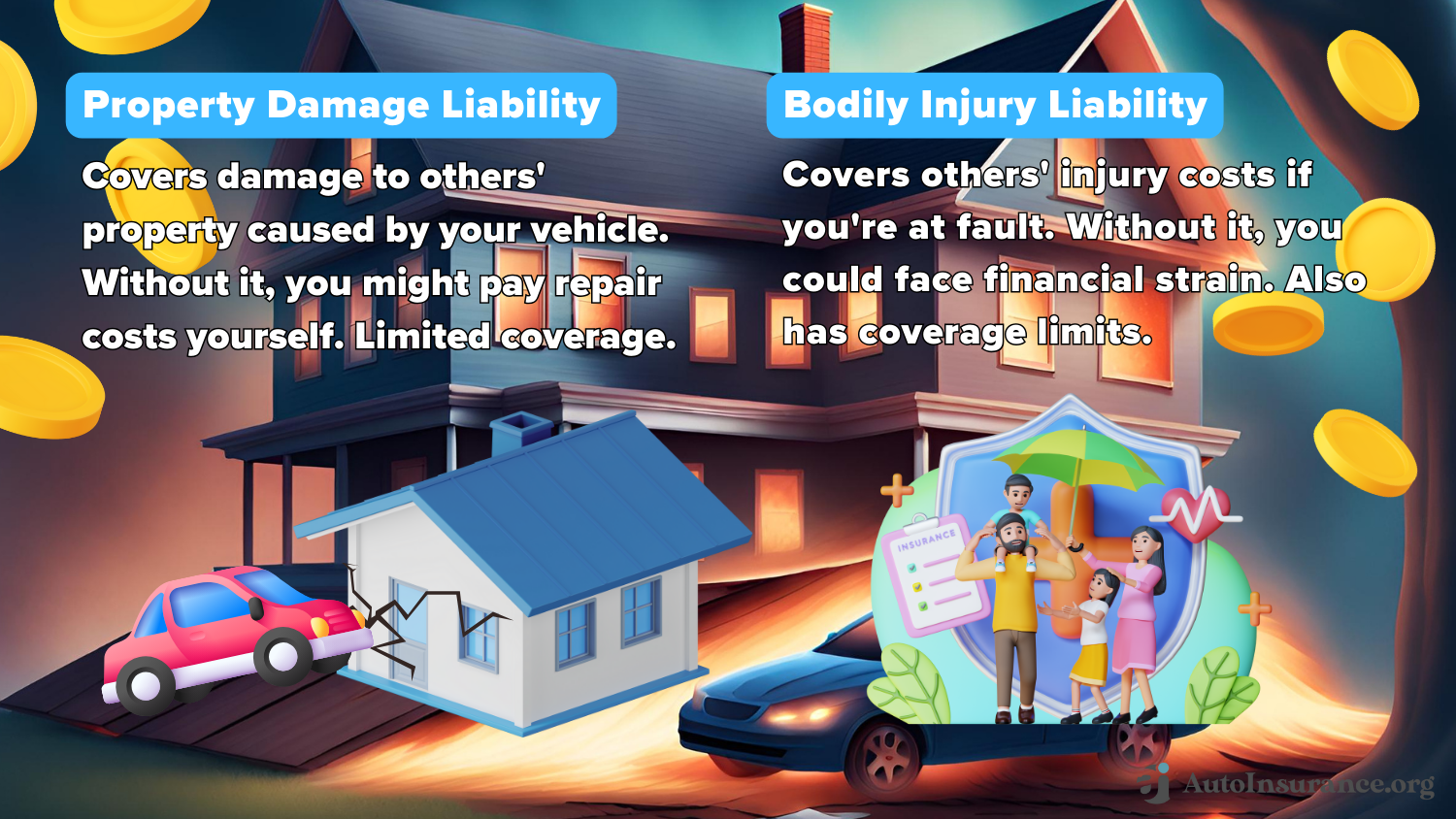
- Bodily Injury Liability: This covers the medical expenses, lost wages, and legal fees of other people involved in an accident where you are at fault.
- Property Damage Liability: This covers the repair or replacement costs for other people’s property, such as their vehicle, a fence, or a building.
It is vital to recognize that liability insurance does not cover the rental car itself or your own medical bills. For the vehicle you are driving, you would need Collision or Comprehensive coverage. For your own injuries, you would rely on Personal Injury Protection (PIP) or Medical Payments coverage.
Does the Coverage Follow the Driver or the Car?
In the insurance industry, there is a common saying that "insurance follows the car." However, in the case of a temporary substitute vehicle or a rental car used for personal travel, liability insurance typically follows the driver. This means your status as a policyholder provides a "portable" layer of protection that applies regardless of whether you are driving your sedan at home or a rented SUV on vacation.
When Does Your Personal Policy Apply?
While the general rule is that coverage transfers, it is subject to several prerequisites. As of 2026, insurance providers maintain strict guidelines on when they will honor a claim involving a rental vehicle.
1. Personal Use vs. Business Use
Your personal auto insurance policy is designed for private, non-commercial use. If you are renting a car for a business trip, your personal policy may not apply. Many employers provide corporate insurance for business travel, or you may need to purchase the rental company's Supplemental Liability Insurance (SLI).
2. Geographic Restrictions
Most U.S.-based insurance policies extend coverage to the entire United States, its territories, and Canada. However, if you are renting a car in Mexico, Europe, or Asia, your personal auto insurance will almost certainly not provide liability coverage. In these instances, you must purchase insurance directly from the rental agency or a specialized international provider.
3. Vehicle Type and Weight
Standard policies are written for "private passenger vehicles." If you rent a large commercial moving truck (like a U-Haul), a heavy-duty van, or an exotic high-end sports car, your personal policy may exclude these under "vehicle type" or "value" clauses. Always check the definitions section of your policy for weight or MSRP limits.
The Role of Credit Cards: Liability vs. Damage
One of the most common misconceptions in 2026 remains the belief that credit card "rental insurance" covers liability. This is rarely the case.
Most premium credit cards (such as those from Visa, Mastercard, or American Express) offer a Collision Damage Waiver (CDW) or Loss Damage Waiver (LDW). This benefit protects you if the rental car itself is stolen or damaged. It does not provide liability insurance. If you cause an accident that injures another driver, your credit card will not pay for their medical bills or the damage to their car.
Therefore, you cannot rely on a credit card to replace the liability portion of an auto insurance policy. You must either have a personal auto policy or purchase liability coverage from the rental company.
Types of Rental Car Insurance Explained
When you stand at the rental counter, you are typically offered four types of products. Knowing how these interact with your personal policy is the key to making an informed decision.
| Coverage Type | What It Covers | Do You Need It if You Have Personal Insurance? |
|---|---|---|
| Supplemental Liability Insurance (SLI) | Claims from others for injury or property damage. | Only if you want higher limits or have no personal insurance. |
| Loss Damage Waiver (LDW) | Theft or damage to the rental car itself. | Redundant if you have Collision/Comprehensive, but avoids a deductible. |
| Personal Accident Insurance (PAI) | Medical costs for you and your passengers. | Redundant if you have health insurance or PIP/MedPay. |
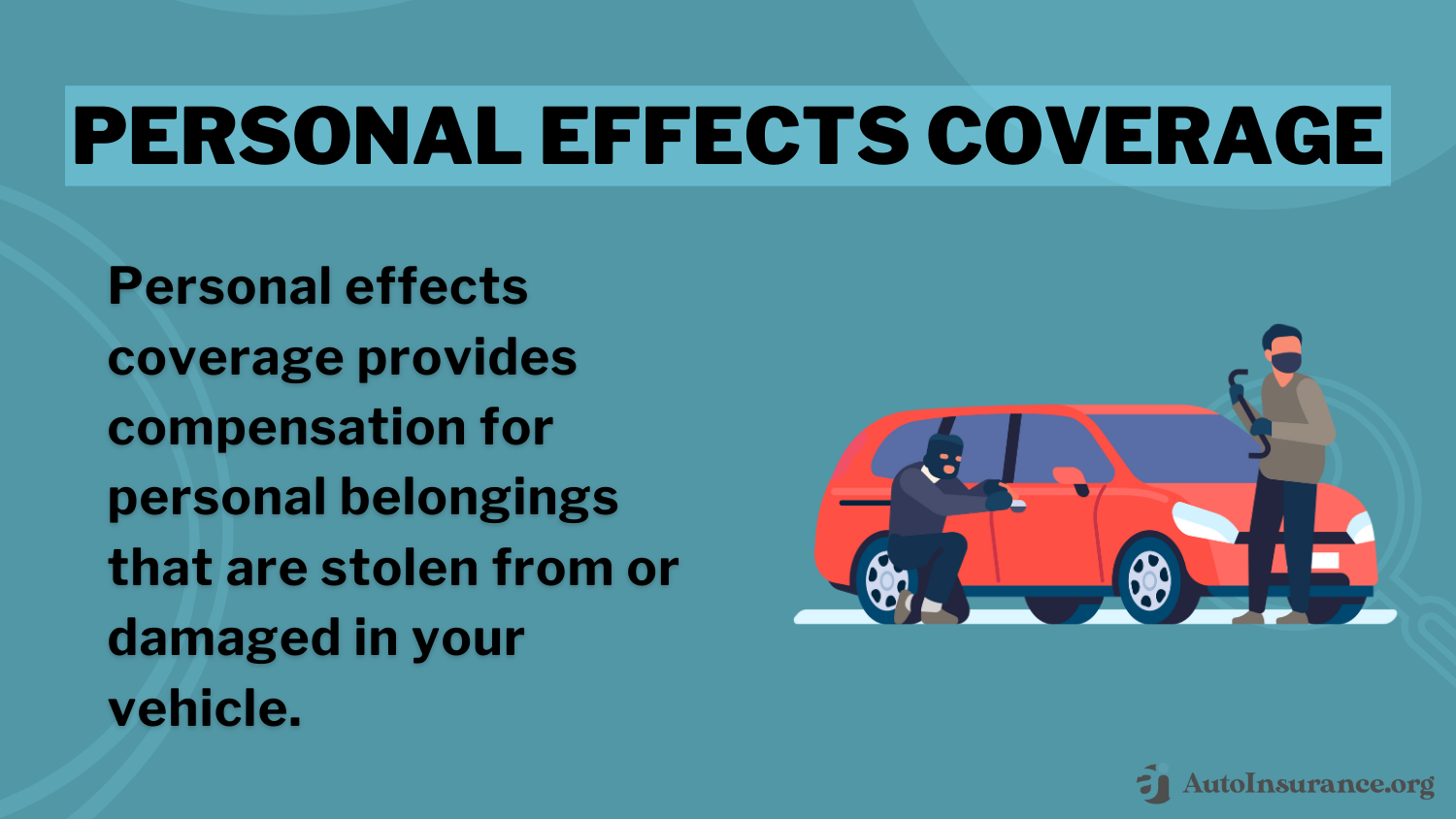
| Personal Effects Coverage (PEC) | Theft of personal items from the rental car. | Redundant if you have Homeowners or Renters insurance. |
Supplemental Liability Insurance (SLI)
Rental agencies offer SLI (sometimes called LIS) to increase your liability protection. Even if your personal policy covers you, it only covers you up to your policy’s limits. If you carry the state-minimum liability (e.g., $25,000 for bodily injury), and you cause a major accident, you are personally responsible for any costs exceeding that $25,000. SLI usually provides up to $1 million or $2 million in additional protection, creating a significant buffer against lawsuits.
Peer-to-Peer Rentals and Business Use
The rise of peer-to-peer (P2P) car-sharing platforms like Turo and Getaround has complicated the insurance landscape. As of 2026, many traditional auto insurers still classify P2P rentals differently than traditional rentals from companies like Hertz or Enterprise.
- P2P Platforms: Some personal policies explicitly exclude coverage for vehicles rented through P2P platforms, viewing them as "commercial sharing" rather than "rental." In these cases, you must use the insurance packages offered by the platform.
- Business Travel: If you are a gig worker or a corporate employee on a sanctioned trip, verify your coverage with your employer’s risk management department. Personal policies generally exclude "delivery" or "commercial transport" activities.
How to Verify Your Coverage Before You Rent
Do not wait until you are at the rental counter to determine if you are covered. Follow these steps to verify your status:
- Read Your Declarations Page: This summary of your policy lists your liability limits. Ensure the limits are high enough to protect your assets in the event of a catastrophic lawsuit.
- Contact Your Agent: Specifically ask, "Does my liability coverage extend to a rental car for personal use in [Location]?"
- Inquire About "Loss of Use": While your liability might be covered, your personal policy might not cover "Loss of Use" fees—the money a rental company loses while the car is in the shop. This is a common gap that travelers overlook.
- Check for Umbrella Policies: If you have an umbrella insurance policy, it typically provides an extra layer of liability protection that applies to rentals, often picking up where your primary auto policy leaves off.
Common Pitfalls and Coverage Gaps
Even with a robust personal policy, you may encounter gaps that leave you financially vulnerable.
Diminution of Value
If you wreck a rental car and it is repaired, its resale value decreases. Many rental companies will charge you for this "diminution of value." Standard personal auto policies frequently exclude this charge, leaving you to pay the difference out of pocket.
Deductibles
If you rely on your personal policy for a rental car claim, you are still responsible for your deductible (e.g., $500 or $1,000). Purchasing the rental company's waiver usually eliminates this out-of-pocket cost.
Administrative Fees
Rental agencies often charge "administrative" or "towing" fees following an accident. These are rarely covered by personal auto insurance and can add hundreds of dollars to the cost of a claim.
Frequently Asked Questions
Does liability insurance cover a rental car if I am not the primary driver?No, unless that person is also listed on your personal insurance policy as a covered driver or is explicitly added to the rental agreement. Most rental contracts require all drivers to be documented. If an unauthorized driver is behind the wheel, the rental contract is breached, and your insurance may deny the claim.
What if I don't own a car or have auto insurance?If you do not have a personal auto policy, you generally have no liability coverage when renting a car. In this scenario, you should purchase the Supplemental Liability Insurance (SLI) from the rental agency. Alternatively, if you rent cars frequently, you can purchase a "Non-Owner Auto Insurance" policy, which provides liability protection whenever you drive a vehicle you don't own.
Is liability coverage mandatory for rentals?In almost every U.S. state, some form of liability coverage is legally required to operate a vehicle. While the rental company must maintain the state-minimum insurance on their fleet, they often pass the primary liability responsibility to the renter's insurance via the rental agreement.
Does my homeowners insurance cover rental car liability?No. Homeowners and renters insurance policies generally exclude liability arising from the "ownership, maintenance, or use" of a motor vehicle. You must rely on an auto-specific policy or an umbrella policy.
Can I use my personal insurance for a rental van or moving truck?Usually not. Most personal policies have a weight limit (often 10,000 to 12,000 lbs). Large moving trucks exceed this limit and are classified as commercial vehicles. You will likely need to purchase the specific insurance offered by the truck rental company.
Practical Recommendation
Before your next trip in 2026, take ten minutes to call your insurance provider. Confirm your liability limits and ask specifically if they cover "Loss of Use" and "Diminution of Value" for rentals. If your liability limits are at the state minimum, consider purchasing the rental company’s Supplemental Liability Insurance (SLI) for the duration of your trip. While it adds a daily cost, it protects your personal assets and savings from being targeted in the event of a high-value liability claim.
Disclaimer: Insurance laws and policy terms vary by state and provider. This guide provides general information and does not constitute legal or financial advice. Always consult your specific policy documents or a licensed insurance professional for binding coverage details.
Image Gallery