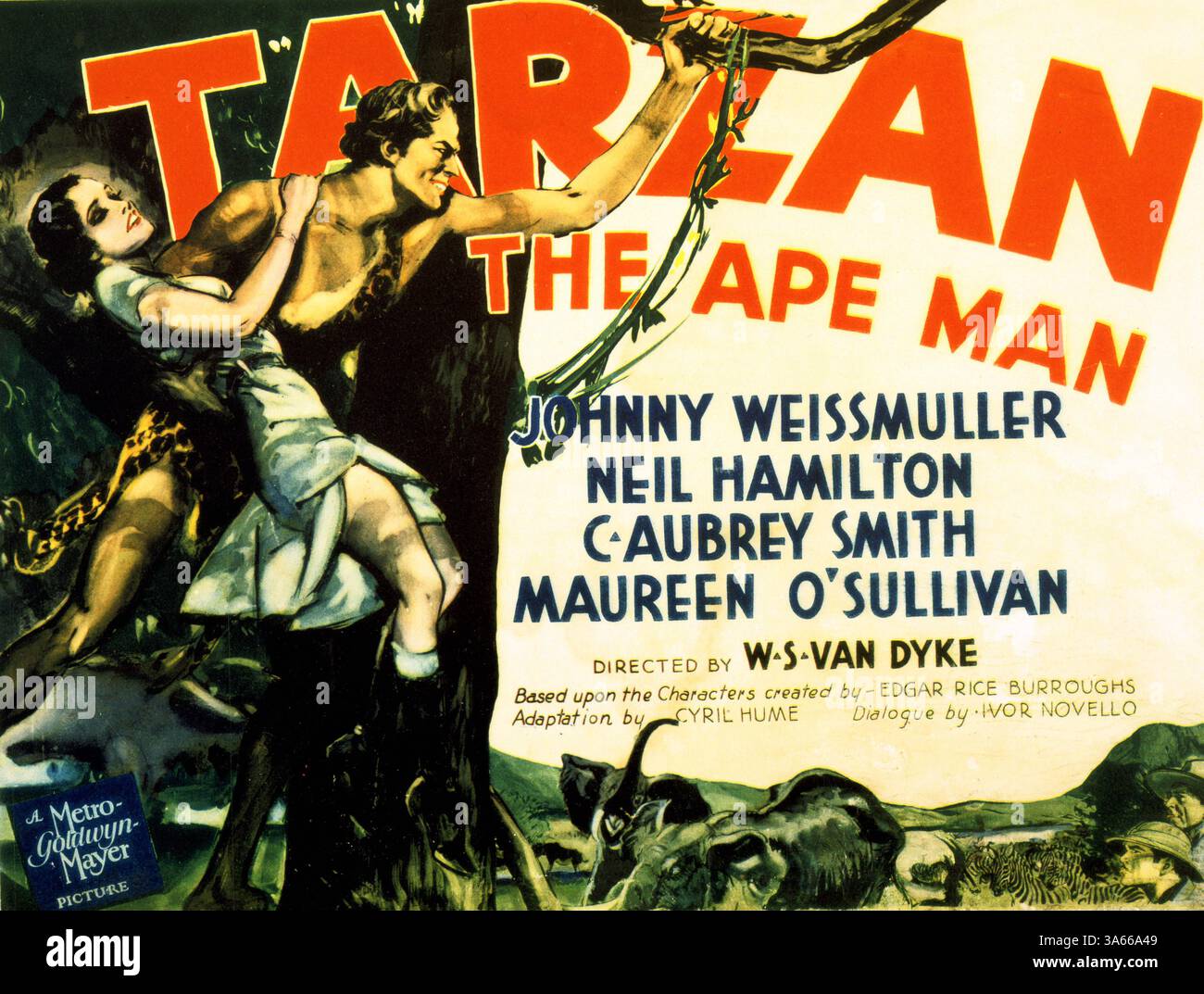
Exploring Tarzan the Ape Man (1932): The Definitive Guide to Johnny Weissmuller’s Iconic Debut
Released by Metro-Goldwyn-Mayer (MGM) on March 25, 1932, Tarzan the Ape Man is the definitive Pre-Code adventure film that introduced Johnny Weissmuller as the jungle hero. Directed by W.S. Van Dyke, it established the character's sign...
Released by Metro-Goldwyn-Mayer (MGM) on March 25, 1932, Tarzan the Ape Man is the definitive Pre-Code adventure film that introduced Johnny Weissmuller as the jungle hero. Directed by W.S. Van Dyke, it established the character's signature yell and "broken English" persona, fundamentally reshaping the public's perception of Edgar Rice Burroughs' original literary creation.
Contents
The Historical Context of the 1932 Release
In 1932, the film industry was in a state of rapid evolution. The transition from silent films to "talkies" was nearly complete, but studios were still experimenting with the scale of sound production. MGM, then the most prestigious studio in Hollywood, sought to create a spectacular adventure that could capitalize on the popularity of jungle-themed films following the success of their 1931 production Trader Horn.
Tarzan the Ape Man was not the first time Edgar Rice Burroughs' character had appeared on screen—silent versions had existed since 1918—but it was the first to utilize synchronized sound to create an immersive jungle atmosphere. This film arrived during the "Pre-Code" era, a brief window in Hollywood history before the strict enforcement of the Motion Picture Production Code (Hays Code) in mid-1934. Consequently, the 1932 film contains a level of violence, naturalism, and suggestive costuming that would be censored in subsequent sequels throughout the late 1930s and 1940s.
Casting a Legend: Johnny Weissmuller and Maureen O'Sullivan
The success of the 1932 film rested almost entirely on the shoulders of its lead actors. The search for Tarzan was extensive, as the studio needed someone with an exceptional physique who could also handle the physical demands of the role.
The Rise of Johnny Weissmuller
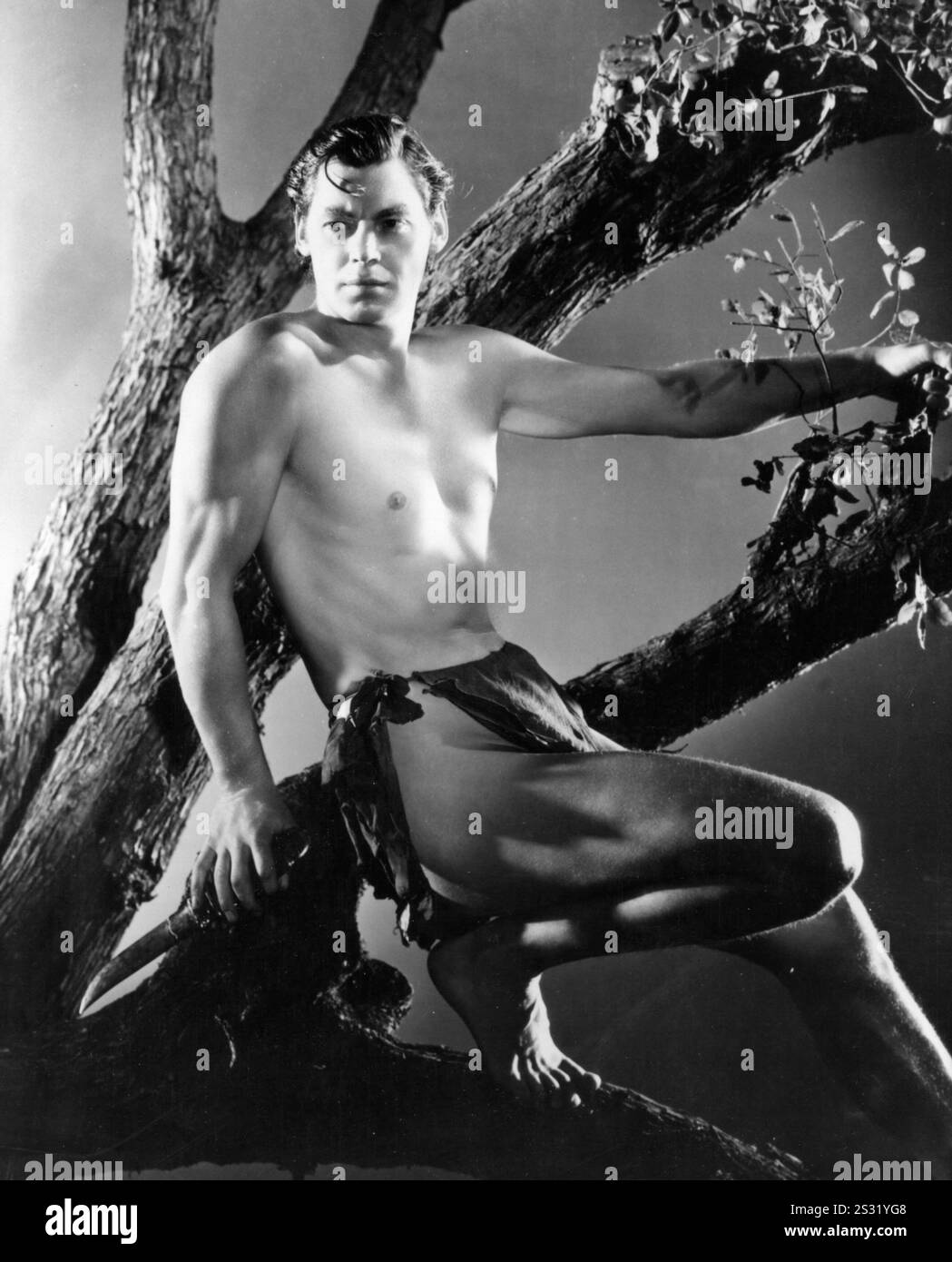
Johnny Weissmuller was not an actor by trade but a world-class athlete. An Olympic swimmer who had won five gold medals and set dozens of world records, Weissmuller possessed a "V-shaped" torso and natural grace that perfectly suited the image of a jungle-reared aristocrat. His casting was a gamble that paid off immensely; his performance defined the role for a generation. While Burroughs' original book depicted Tarzan as an articulate, self-taught polyglot, the 1932 film chose to make him a "noble savage" with limited speech. This creative decision, while controversial among literary purists, made the character more accessible and mythic to global audiences.
Maureen O'Sullivan as Jane Parker
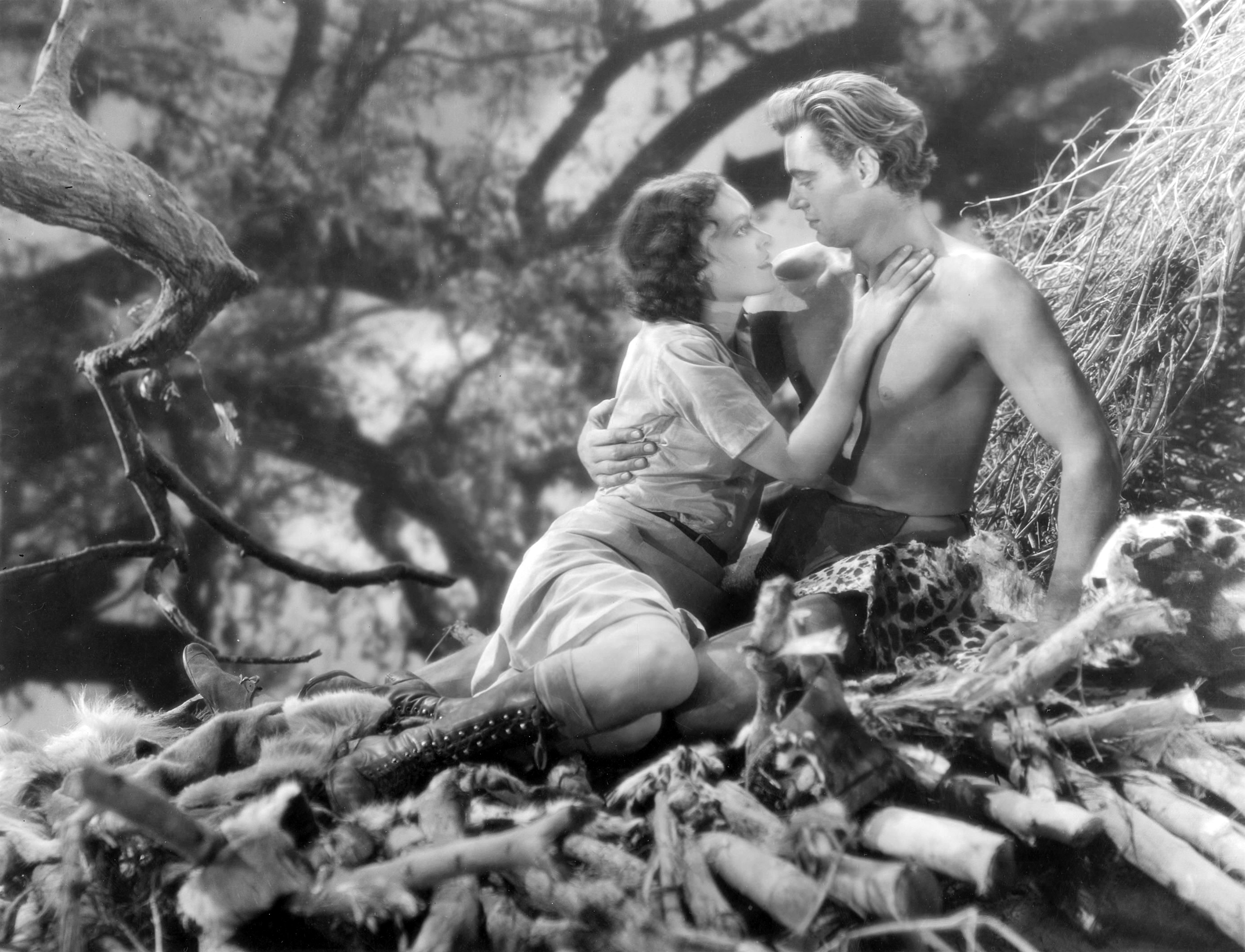
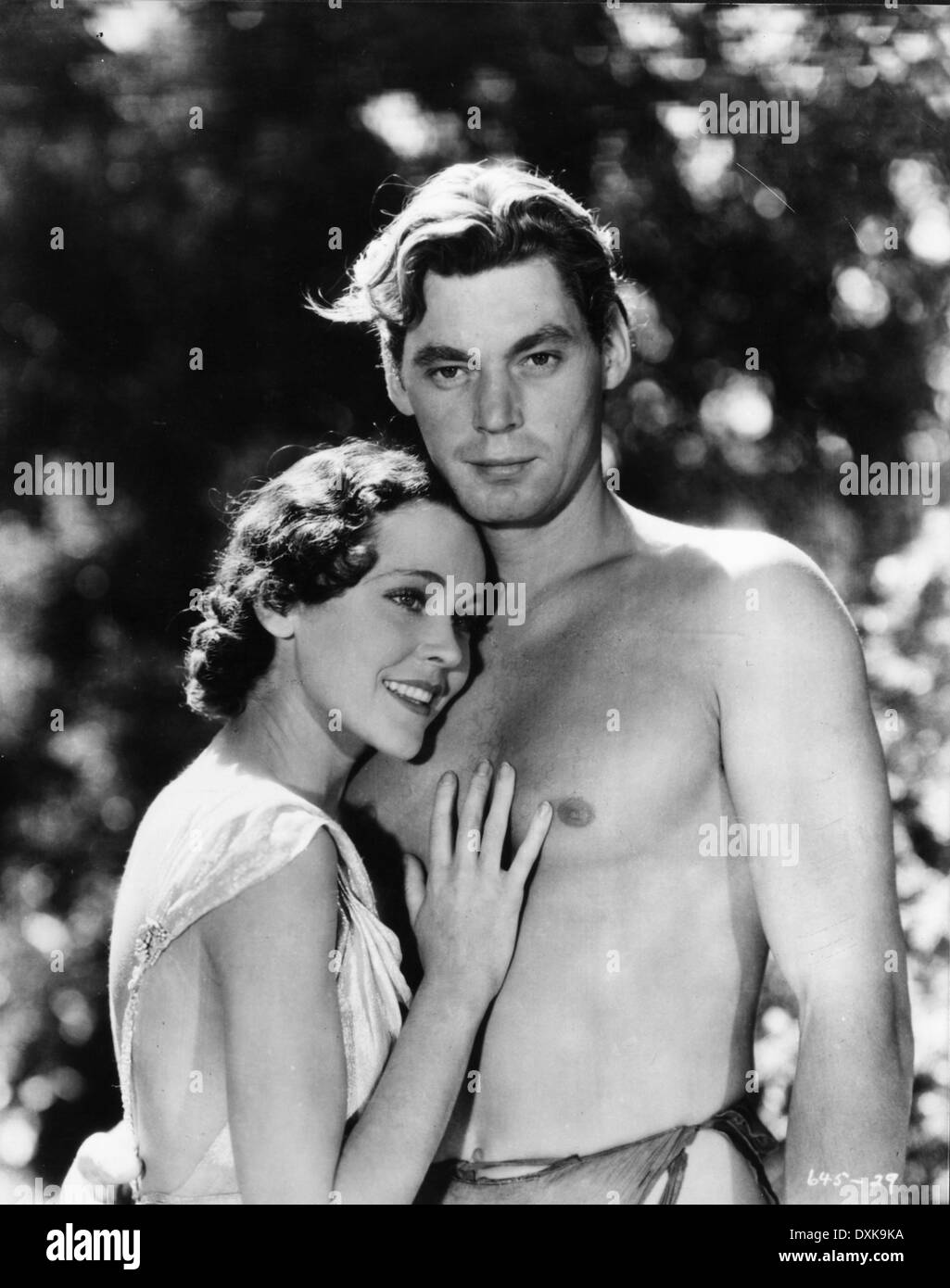
Maureen O'Sullivan’s portrayal of Jane Parker (changed from Jane Porter in the books) provided the necessary emotional anchor for the film. Her Jane is not merely a damsel in distress but a modern, curious woman of the 1930s who finds herself simultaneously terrified and fascinated by the wild man she encounters. The chemistry between Weissmuller and O'Sullivan became the gold standard for the franchise, leading them to star in six Tarzan films together.
Plot Analysis: The Expedition for Ivory
The narrative follows James Parker (C. Aubrey Smith) and Harry Holt (Neil Hamilton) as they embark on an expedition in Africa to find the legendary "Elephants' Graveyard," a mythical place where elephants go to die, supposedly filled with a fortune in ivory. Jane, Parker’s daughter, insists on joining the dangerous journey.
As the party crosses the "Mutia Escarpment," they encounter Tarzan, a mysterious white man raised by apes. Tarzan abducts Jane, but instead of harming her, he protects her from the jungle's many threats. The film’s tension arises from the conflict between the "civilized" world of the ivory hunters—who are often depicted as more brutal and greedy than the animals—and the primal, honest world of Tarzan.
The climax involves a harrowing battle against a tribe of "dwarf" warriors (played by actors in costumes, a product of the era’s makeup limitations) and the eventual discovery of the graveyard. By the film's end, Jane chooses to stay with Tarzan, a radical departure from contemporary social norms that emphasized returning to the safety of Western civilization.
Technical Innovation and Production Challenges
For 1932, the production of Tarzan the Ape Man was an ambitious undertaking. While the film is set in the heart of Africa, much of it was filmed on the MGM backlot in Culver City and at various locations in California, including Lake Sherwood and the botanical gardens of Los Angeles.
Use of Stock Footage
To give the film its African scale, Director W.S. Van Dyke utilized a significant amount of stock footage from his previous film, Trader Horn. This included shots of wildlife and landscape. While the integration of this footage is sometimes noticeable to modern eyes, it was a state-of-the-art technique in 1932 that allowed the film to feel expansive without the astronomical cost of an overseas expedition.
The Origin of the Tarzan Yell
One of the most enduring contributions of the 1932 film is the Tarzan Yell. There are various accounts regarding its creation. While Weissmuller claimed he could perform it naturally based on his German yodeling background, audio records suggest it was a sophisticated sound engineering feat managed by Douglas Shearer. The sound was likely a combination of Weissmuller's voice, a soprano's recorded note, the growl of a dog, and the pluck of a violin string, all played backward or at varying speeds to create an otherworldly, resonant cry.
Stunt Work and Practical Effects
The "swinging on vines" sequences were performed using a combination of Weissmuller’s own athletic ability and professional circus trapeze artists. The interaction with animals was also largely practical. The "apes" in the film (specifically Cheetah, who became a staple of the series) were chimpanzees, though the larger "apes" that raised Tarzan were often played by actors in costumes.
Key Technical Specifications
The following table summarizes the core production details of the 1932 release:
| Feature | Specification |
|---|---|
| Director | W. S. Van Dyke |
| Producer | Irving Thalberg (uncredited), Bernard H. Hyman |
| Screenplay | Cyril Hume, Ivor Novello |
| Cinematography | Harold Rosson, Clyde De Vinna |
| Release Date | March 25, 1932 |
| Running Time | 100 minutes (original) / 92 minutes (standard) |
| Aspect Ratio | 1.37:1 (Academy Ratio) |
| Studio | Metro-Goldwyn-Mayer (MGM) |
| Budget | Approximately $650,000 |
| Box Office | Over $2.5 million (initial run) |
Comparing the Film to Edgar Rice Burroughs’ Novel
It is essential to note that the 1932 film is a loose adaptation of the 1912 novel Tarzan of the Apes. Burroughs was famously protective of his creation, and he was not entirely pleased with the "Me Tarzan, you Jane" simplification of the character.
- Linguistic Ability: In the book, Tarzan is highly intelligent and teaches himself to read and write English before he ever hears it spoken. In the 1932 film, he is essentially non-verbal until Jane begins to teach him.
- The Origin Story: The movie skips much of Tarzan's childhood and the detailed history of the Greystoke family, focusing instead on his first encounter with adult white explorers.
- The Tone: The novel is a philosophical exploration of "nature vs. nurture," whereas the 1932 film is designed as a high-stakes action-romance.
Despite these differences, the 1932 film became the "official" version of Tarzan in the eyes of the public, and most subsequent adaptations for the next 50 years followed the MGM template rather than the original literature.
Legacy and Modern Preservation
As of 2026, Tarzan the Ape Man remains a cornerstone of classic Hollywood cinema. Its influence is visible in every jungle adventure that followed, from King Kong (1933) to the Indiana Jones franchise.
Censorship History
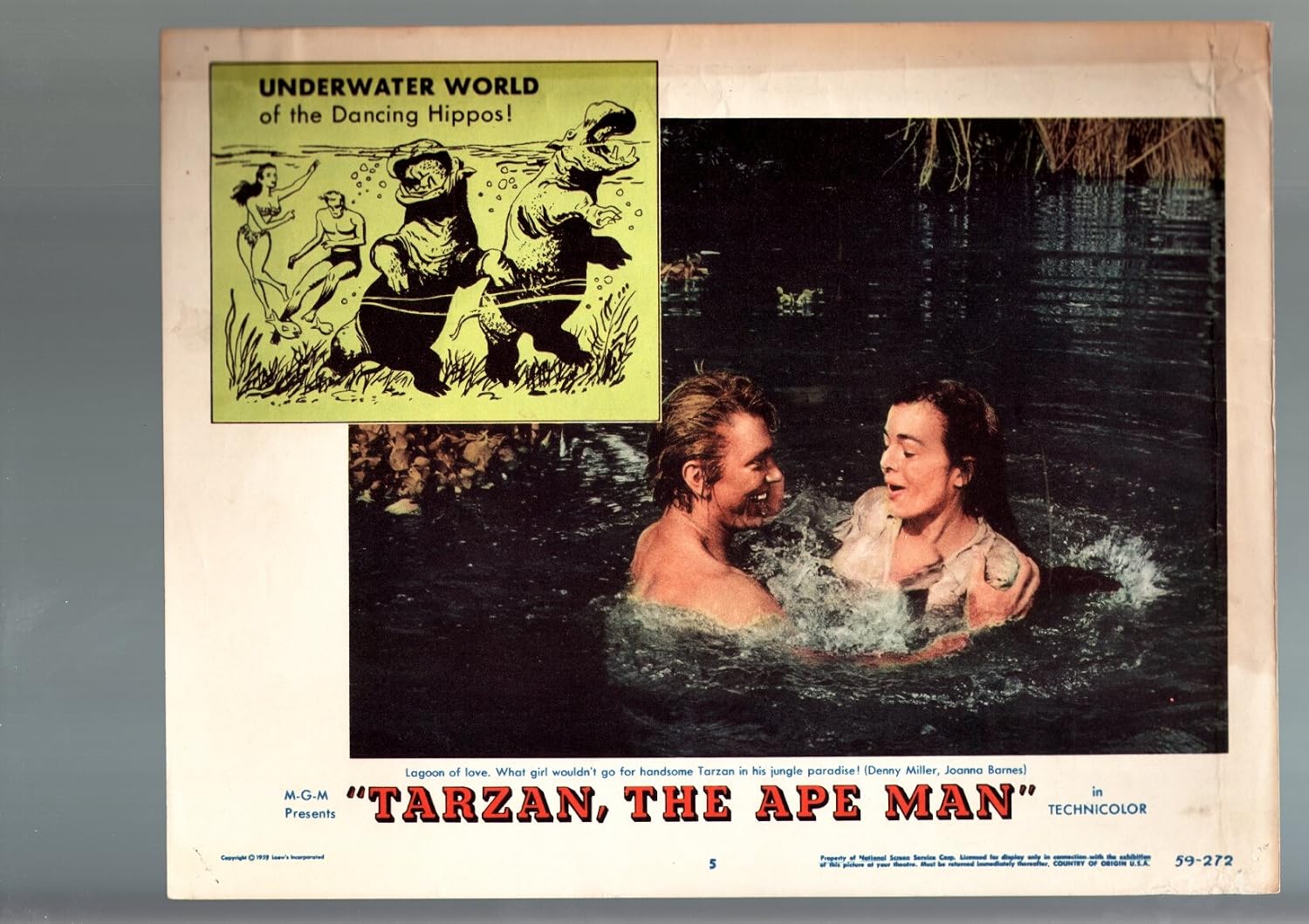
Because the film was released before the 1934 Hays Code enforcement, it originally contained scenes that were later cut for re-releases. Specifically, the famous "underwater swim" between Tarzan and Jane and certain shots of Jane’s wardrobe (or lack thereof) were deemed scandalous. Modern digital restorations have sought to include as much of this original footage as possible, offering a glimpse into the creative freedom of the early 1930s.
Availability and Viewing
The film has undergone several high-definition restorations. It is currently available through major classic film distributors and streaming services specializing in the Warner Bros./MGM library. For the best experience, viewers should seek out the 4K scans which preserve the intricate grain of the 35mm film and the nuance of the early sound recording.
Frequently Asked Questions
Does Tarzan actually say "Me Tarzan, you Jane" in the 1932 film?
No. This is one of the most famous misquotations in cinema history. In the actual scene, Tarzan and Jane are attempting to communicate. Tarzan points to himself and says "Tarzan," then points to her. She says "Jane." They repeat the names back and forth, but the specific phrase "Me Tarzan, you Jane" never occurs in that exact sequence in the 1932 script.
Was the 1932 Tarzan filmed in Africa?
No. Despite the convincing use of stock animal footage from the production of Trader Horn, the primary filming took place in California. The Mutia Escarpment and the lush jungle settings were largely built on MGM soundstages or found in local California parks and botanical gardens.
Who played the role of Tarzan before Johnny Weissmuller?
Several actors played Tarzan in the silent era, most notably Elmo Lincoln in Tarzan of the Apes (1918) and James Pierce in Tarzan and the Golden Lion (1927). However, Weissmuller was the first to play the character in a sound film, which contributed to his lasting dominance in the role.
Why is the 1932 version considered better than its many sequels?
Many critics prefer the 1932 original because of its "Pre-Code" energy. It feels more dangerous and sensual than the later sequels, which became increasingly formulaic and family-oriented once the Hays Code took full effect. The 1932 film also had a higher production budget and more meticulous direction than the later, lower-budget entries produced by RKO.
What happened to the "Elephants' Graveyard" after the film?
The concept of an Elephants' Graveyard became a recurring trope in adventure fiction and Disney's The Lion King. While it was a central plot point in the 1932 film, it served as a symbolic representation of the "forbidden" and "mystical" aspects of the jungle that civilization could never truly conquer.
Recommendations for Viewers
If you are planning to watch Tarzan the Ape Man (1932) for the first time, it is highly recommended to watch it as part of a double feature with its 1934 sequel, Tarzan and His Mate. The two films represent the peak of the Weissmuller-O'Sullivan era.
When viewing, pay close attention to the sound design. In 1932, capturing clear audio in "jungle" environments (even on a set) was incredibly difficult. The way the filmmakers balanced the ambient sounds of birds and insects with the dialogue was a precursor to modern immersive soundscapes. Despite its age, the film retains a visceral power that newer, CGI-heavy remakes often struggle to replicate.
Image Gallery