Exploring the Psychology and Impact of the Meme on Stress in 2026
The meme on stress functions as a powerful digital coping mechanism that utilizes humor and shared relatability to mitigate the psychological burden of anxiety and burnout. By transforming isolating internal pressure into a communal vi...
The meme on stress functions as a powerful digital coping mechanism that utilizes humor and shared relatability to mitigate the psychological burden of anxiety and burnout. By transforming isolating internal pressure into a communal visual language, these memes facilitate emotional regulation and provide a sense of validation for individuals navigating high-pressure environments in 2026.
Contents
The Evolution of the Stress Meme: From Static Images to Hyper-Contextual AI Artifacts
In 2026, the concept of a "meme on stress" has evolved far beyond the simplistic image macros of the previous decade. While the core intent—finding levity in hardship—remains constant, the delivery systems and psychological depth have shifted. Modern stress memes are often hyper-contextual, leveraging Generative AI to create personalized scenarios that mirror a user's specific professional or academic anxieties.
Historically, memes were static, relying on broad archetypes like "Hide the Pain Harold" or "This is Fine." Today, stress memes often incorporate short-form video, augmented reality (AR) filters, and algorithmic synthesis that adapts humor to current global events or niche industry stressors. This evolution reflects a deeper societal need for immediate, bite-sized mental health interventions that fit into a fast-paced digital lifestyle.
The technical infrastructure supporting these memes has also matured. Platforms now prioritize "relatability algorithms" that surface content based on emotional state markers rather than just standard engagement metrics. This ensures that a person experiencing workplace burnout in the tech sector sees content tailored to those specific grievances, rather than generic motivational platitudes which can often trigger "toxic positivity" responses.
The Neurobiology of Humor: Why Stress Memes Provide Relief
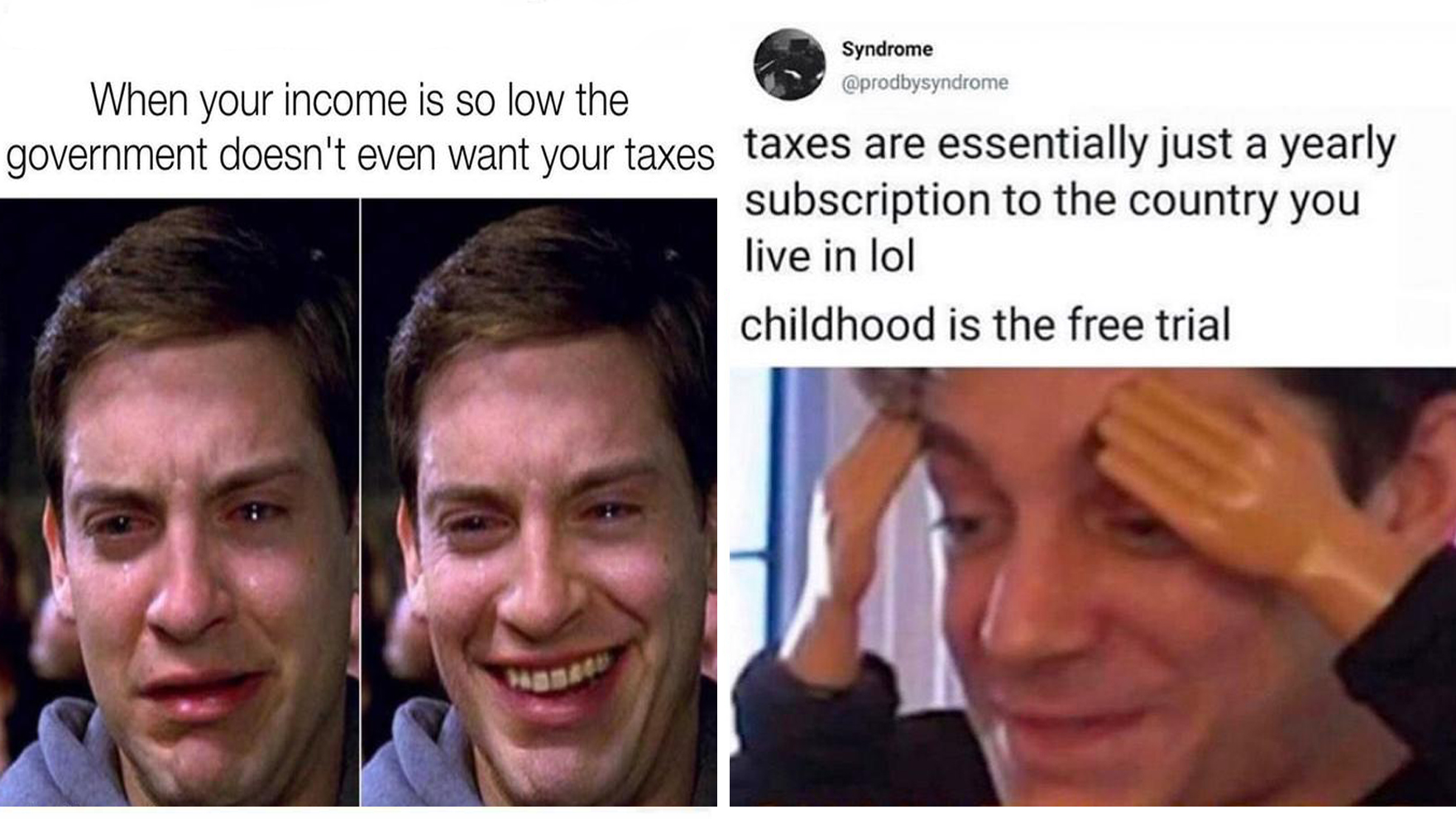
The efficacy of the stress meme is rooted in established psychological frameworks, specifically the Benign Violation Theory. This theory suggests that humor arises when something that is typically perceived as a threat (a "violation") is reframed as being harmless or socially acceptable (a "benign" context). When a person views a meme about a looming deadline or a chaotic home life, they are essentially viewing a "threat" through a lens that renders it manageable.
Neurological Triggers and Hormonal Balance
Dopamine and Endorphins: Viewing a funny meme triggers the brain's reward system, releasing dopamine. This neurotransmitter is associated with pleasure and motivation, helping to counteract the "brain fog" often associated with chronic stress.
Cortisol Reduction: Engaging with humor has been shown to lower levels of cortisol, the primary stress hormone. In 2026, clinical studies have increasingly pointed toward "digital micro-breaks"—including meme consumption—as a valid method for short-term cortisol management in high-stakes environments.
Cognitive Reappraisal: Memes force the viewer to look at their situation from an outside perspective. This cognitive shift is a hallmark of traditional therapy, where the goal is to reframe a negative experience into something that can be analyzed and laughed at, rather than just suffered through.
Categorizing the "Meme on Stress": Primary Archetypes in 2026
To understand the landscape of stress-related digital content, we must categorize the various forms these memes take. Each archetype serves a different psychological function and targets specific demographics.
| Meme Category | Primary Theme | Psychological Function | Target Audience |
|---|---|---|---|
| The Burnout Loop | Repetitive tasks and lack of sleep | Validates the feeling of being "stuck" | Corporate employees and freelancers |
| Academic Dread | Looming deadlines and exam anxiety | Reduces the isolation of high-pressure studies | University students and researchers |
| Existential Sarcasm | Broad concerns about the future or climate | Provides a sense of communal destiny/shared fate | Gen Z and Gen Alpha professionals |
| Parenting Chaos | Domestic disorder and lack of control | Normalizes the imperfections of modern family life | Working parents and caregivers |
| The "Fine" Facade | Masking stress with a calm exterior | Highlights the gap between internal reality and social expectations | Everyone (Universal appeal) |
The Role of Stress Memes in Workplace Culture and HR Strategies
By 2026, forward-thinking Human Resources departments have integrated the "meme on stress" into their internal communication strategies. Rather than viewing memes as a distraction, they are recognized as indicators of the "organizational pulse." A sudden influx of memes about a specific software update or management change can alert leadership to systemic stressors before they lead to attrition.
However, the implementation of "humor-based wellness" requires a nuanced approach. Forcing "relatable" memes from a corporate account often results in "cringe," which can alienate employees and make them feel that their genuine struggles are being mocked. The most effective corporate meme cultures are those that arise organically within decentralized communication channels, such as Slack or Discord, where employees feel safe expressing frustration through satire.
Guidelines for Healthy Workplace Meme Engagement
- Avoid Toxic Positivity: Do not use memes to minimize genuine complaints. A meme should validate a struggle, not demand that an employee "just smile through it."
- Ensure Inclusivity: Ensure that the humor used does not target specific individuals or protected groups. Stress memes should be "punching up" at the situation, not "punching down" at people.
- Encourage Boundaries: While memes can be helpful, they can also lead to "doomscrolling." HR should encourage employees to use humor as a bridge to real conversation, not as a permanent substitute for professional support.
The Psychological Pitfalls: When Memes Become Maladaptive
While the benefits of the stress meme are significant, there is a threshold where this coping mechanism becomes counterproductive. In the field of digital psychology, we refer to this as "Maladaptive Meme Usage." This occurs when an individual uses humor to consistently avoid addressing the root causes of their stress.
Risk Factors of Excessive Meme Consumption
Normalization of Dysfunction: When an entire community constantly memes about getting only three hours of sleep, it can normalize a dangerous lifestyle choice. Instead of seeking help for insomnia or overwork, the individual may feel that their suffering is just a "part of the brand."
The Echo Chamber Effect: Algorithmic feeds in 2026 can trap users in a loop of high-stress content. If a user is already feeling depressed, a constant stream of nihilistic stress memes can reinforce their negative world view rather than providing the intended relief.
Erosion of Deep Coping Skills: Relying solely on a quick laugh to manage anxiety may prevent an individual from developing more robust coping mechanisms, such as mindfulness, physical exercise, or cognitive-behavioral therapy (CBT) techniques.
How to Create and Share Effective Stress Memes in 2026
If you are a content creator or a mental health advocate looking to leverage the power of the stress meme, following a structured approach ensures the content is both impactful and responsible.
- Identify the Core "Violation": What is the specific stressor? Is it a technical glitch, a social awkwardness, or a systemic pressure? The more specific the violation, the more relatable the meme.
- Select the Appropriate Format: In 2026, dynamic formats like "Live-Reaction Synthetics" or "Looping POV Shorts" are highly effective. Match the format to the platform where your audience resides.
- Balance the Humor with Authenticity: The best stress memes feel like they were made by someone who is "in the trenches." Avoid overly polished or "corporate-feeling" designs.
- Provide an "Outlet" or Resource: For creators with large audiences, including a link to mental health resources in the bio or a pinned comment can transform a simple meme into a gateway for real help.
Pros and Cons of Memetic Stress Relief
Analyzing the dual nature of these digital artifacts is essential for any professional or individual looking to integrate them into a wellness routine.
Pros
- Instant Validation: Users immediately feel less alone in their struggle.
- Low Barrier to Entry: Requires no financial investment and minimal time.
- Destigmatization: Breaks down the "perfect life" facade of traditional social media.
- Social Bonding: Creates "in-group" connections through shared niche humor.
Cons
- Short-Term Efficacy: Does not solve the underlying problem causing the stress.
- Potential for Cynicism: Can lead to a "why bother" attitude if the humor is too dark.
- Distraction Factor: Can lead to procrastination, which ironically increases stress.
- Misinterpretation: Humor is subjective; what relieves stress for one person may cause it for another.
Frequently Asked Questions
Can memes really reduce my cortisol levels?
Yes, but only temporarily. Laughter and amusement trigger the release of endorphins and decrease the production of cortisol. While a "meme on stress" can provide immediate relief and a psychological "reset," it is not a replacement for long-term stress management strategies like adequate sleep, nutrition, and professional therapy.
Are stress memes bad for my mental health?
Not inherently, but they can be if used as a form of avoidance. If you find yourself scrolling through memes instead of completing the tasks that are causing you stress, the behavior becomes a secondary stressor. The key is to use them as a "micro-break" rather than a primary coping strategy.
Why do I find "dark humor" memes more helpful than positive ones?
This is often due to the "validation effect." Positive quotes can feel dismissive of your actual pain (toxic positivity), whereas dark humor acknowledges the difficulty of your situation. By acknowledging the "darkness," these memes make the viewer feel understood, which is a powerful step in emotional regulation.
How can I tell if my "memeing" has become a problem?
If you feel that your only way to express your feelings is through memes, or if you feel a sense of hopelessness that the memes are reinforcing rather than relieving, it may be time to speak with a mental health professional. In 2026, many digital wellness apps can track your "content diet" to help you identify these patterns.
Should companies use memes in their mental health programs?
They can, but with extreme caution. The meme must be used to humanize the organization and acknowledge the reality of work-life challenges. If a company uses memes while simultaneously ignoring requests for better working conditions, it will be viewed as hypocritical and damaging to morale.
Final Recommendations for 2026 Digital Wellness
As we navigate the complex digital landscape of 2026, the "meme on stress" remains a vital, albeit complicated, tool in our mental health toolkit. To maximize the benefits while minimizing the risks, individuals should practice "mindful consumption." This involves checking in with oneself before and after browsing social media: Did that meme make me feel lighter, or did it just reinforce my anxiety?
For organizations, the goal should be to foster an environment where the humor found in memes is backed by tangible support systems. A meme can start a conversation, but it is the organizational culture that must finish it. Use memes as the "icebreaker" for deeper discussions regarding workload, mental health resources, and the importance of disconnecting in an "always-on" world.
Image Gallery