They Live by Night Movie (1948): Nicholas Ray's Masterpiece of Lyrical Noir
They Live by Night is a landmark 1948 film noir directed by Nicholas Ray in his feature-film directorial debut. Starring Farley Granger and Cathy O'Donnell as star-crossed young lovers on the run, the RKO Pictures production redefined...
They Live by Night is a landmark 1948 film noir directed by Nicholas Ray in his feature-film directorial debut. Starring Farley Granger and Cathy O'Donnell as star-crossed young lovers on the run, the RKO Pictures production redefined the crime genre by injecting raw emotional vulnerability, poetic lyricism, and a sympathetic critique of society into hardboiled cinema.
Contents
The Genesis of an Industry-Shifting Noir
Based on Edward Anderson's 1937 novel Thieves Like Us, the film underwent a long and complicated gestation at RKO. John Houseman produced the project, securing a fresh approach to the material that avoided the cynical detachment typical of contemporary crime thrillers. Nicholas Ray, mentored by Elia Kazan, brought a distinct theatrical sensibility and a profound empathy for marginalized youth to the production.
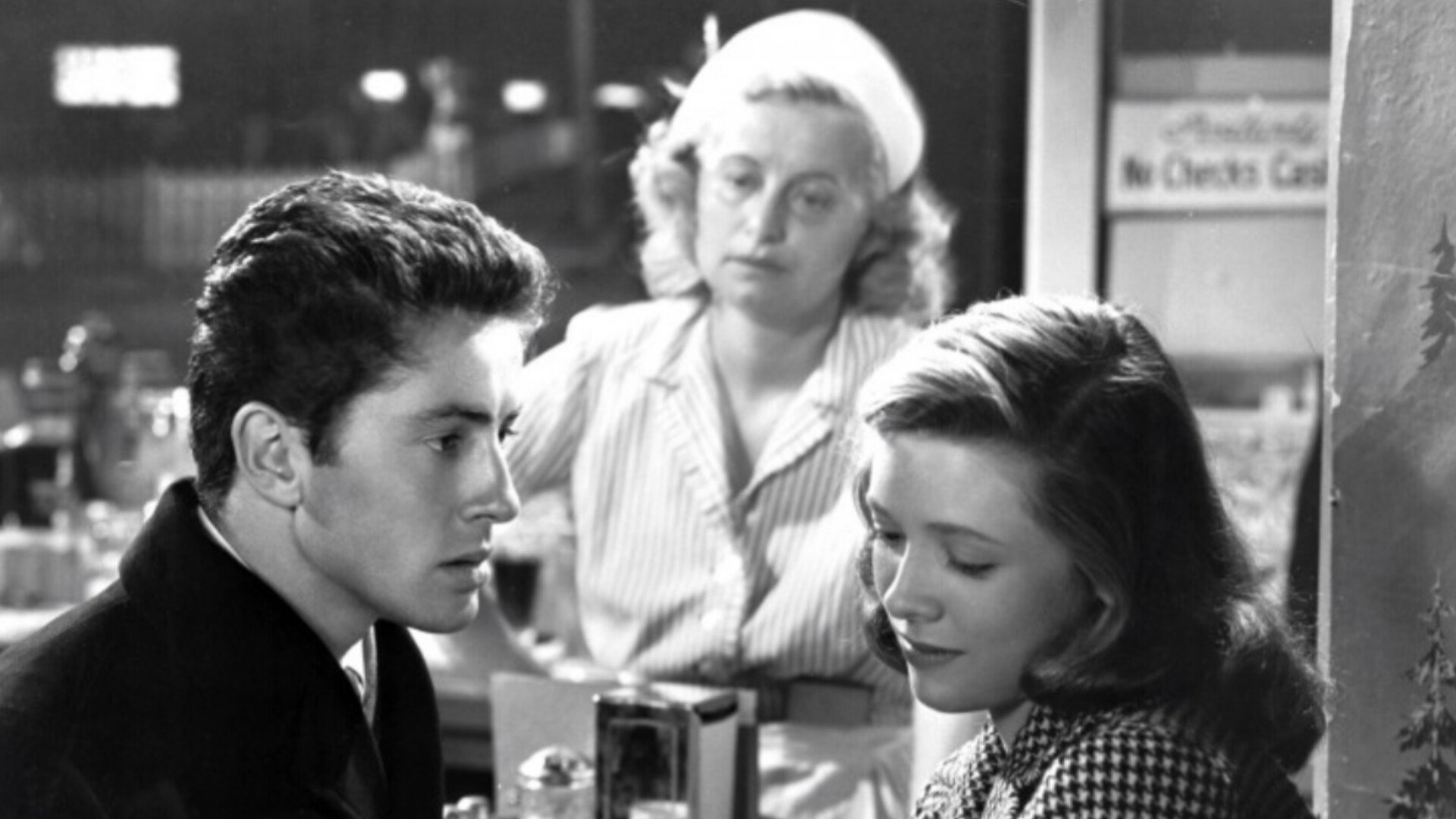
The story follows Bowie Bowers (Farley Granger), an impressionable young man who escapes from a Mississippi prison farm alongside hardened criminals T-Tubbs (Howard Da Silva) and Chicamaw Mobley (Jay C. Flippen). While hiding out with Chicamaw's relative, Bowie meets Keechie (Cathy O'Donnell). Despite the looming shadow of inescapable violence and relentless pursuit by the law, an authentic and tender romance blossoms between the two outcasts.
Instead of glorifying criminality or painting the protagonists as hardened sociopaths, the film portrays them as victims of circumstance. The oppressive backdrop of the American South during the Great Depression amplifies their desperation. Ray utilized innovative cinematic techniques, including aerial tracking shots and naturalistic dialogue, to establish a documentary-like immediacy while retaining a hauntingly romantic atmosphere.
Cinematic Style and Technical Innovation in Nicholas Ray's Debut
Nicholas Ray established his distinctive visual and thematic vocabulary in They Live by Night. Working alongside cinematographer George E. Diskant, Ray crafted a visual language that contrasted stark, menacing studio-built night exteriors with sun-drenched, open-air daytime scenes that offered the young lovers no place to hide.
Several technical and stylistic hallmarks define the movie's enduring cinematic legacy:
- Lyrical Realism: Ray balanced gritty crime elements with delicate character moments, emphasizing domestic intimacy over high-octane action set pieces.
- Sympathetic Outcasts: The narrative rejects the traditional noir trope of the femme fatale, presenting Keechie as a pure, protective force seeking safety and normalcy.
- Spatial Oppression: Characters are frequently framed by tight interiors, car windows, and roadside motels, visually reinforcing the inescapable trap of their criminal lifestyle.
- Humanized Antagonism: Law enforcement and criminal mentors alike are portrayed with psychological complexity, avoiding simple black-and-white moral dichotomies.
| Production Element | Traditional 1940s Film Noir | They Live by Night (1948) |
|---|---|---|
| Protagonist Archetype | Cynical private eye or doomed schemer | Impoverished, naive youth caught in a trap |
| Romantic Dynamic | Deceptive, manipulative, or fatalistic | Genuinely tender, desperate for domestic peace |
| Atmospheric Focus | Urban shadows, sleazy neon-lit cityscapes | Rural backroads, sunlit plains, claustrophobic hideouts |
| Director's Perspective | Detached, moralizing, or fatalistic | Deeply empathetic, sociological, and tragic |
Narrative Structure and Character Arc Analysis
The narrative trajectory of They Live by Night relies on an inescapable sense of impending doom. From the opening aerial shot soaring over a rural highway, the audience is reminded that Bowie and Keechie's flight is a race against time. The structural progression of their relationship unfolds in distinct phases:
Phase One: Escape and Encounter
Bowie enters the criminal underworld not out of innate malice, but because of a wrongful conviction and systemic poverty. His introduction to Keechie provides a momentary sanctuary. Ray frames their early interactions with gentle close-ups, setting them apart from the coarse, money-obsessed older gang members.
Phase Two: Domestic Illusion
For a brief period, Bowie and Keechie attempt to live as a conventional married couple. They secure a small cabin, dreaming of a legitimate future. This segment highlights Ray's skill at generating suspense out of quiet, domestic routines. Every knock at the door threatens to shatter their fragile happiness.
Phase Three: The Inevitable Pursuit
Chicamaw's erratic violence and the gang's insistence on pulling Bowie into further heists destroy their domestic refuge. The final act accelerates into a desperate flight toward the Mexican border, culminating in a tragic highway ambush that seals their fate.
Reception, Distribution Hurdles, and Cultural Legacy
Despite its artistic brilliance, They Live by Night suffered from studio politics and delayed distribution. RKO underwent massive corporate restructuring when Howard Hughes took control of the studio, leading to shelving and limited initial releases under alternate titles such as The Twisted Road and They Live by Night.
Critical reassessment over the decades has rightfully elevated the film to masterpiece status. François Truffaut and Jean-Luc Godard championed Ray's work, recognizing him as a foundational auteur of modern cinema. The film's structural DNA directly inspired subsequent American "lovers on the run" masterpieces, most notably Arthur Penn's Bonnie and Clyde (1967) and Terrence Malick's Badlands (1973).
Frequently Asked Questions About They Live by Night
What is the primary theme of They Live by Night?
The film explores the corrupting influence of society on vulnerable youth, the illusion of the American Dream during the Great Depression, and the purity of young love pitted against systemic violence. Ray uses the romance between Bowie and Keechie to highlight humanity amidst bleak circumstances.
Is They Live by Night based on a book?
Yes, the movie is adapted from Edward Anderson's 1937 novel Thieves Like Us. Robert Altman later directed a second film adaptation under the original novel's title in 1974, starring Keith Carradine and Shelley Duvall.
Why did the movie have multiple titles?
RKO Pictures struggled with how to market the film. Under Howard Hughes's management, the studio temporarily retitled it The Twisted Road before eventually reverting to the original title for select releases and subsequent revival screenings.
How did Nicholas Ray influence modern cinema?
Nicholas Ray pioneered a deeply empathetic, psychological approach to genre filmmaking. His focus on alienated youth, distinct visual compositions, and emotional realism deeply influenced the French New Wave and the American New Hollywood movement of the late 1960s and 1970s.
Where can I watch They Live by Night today?
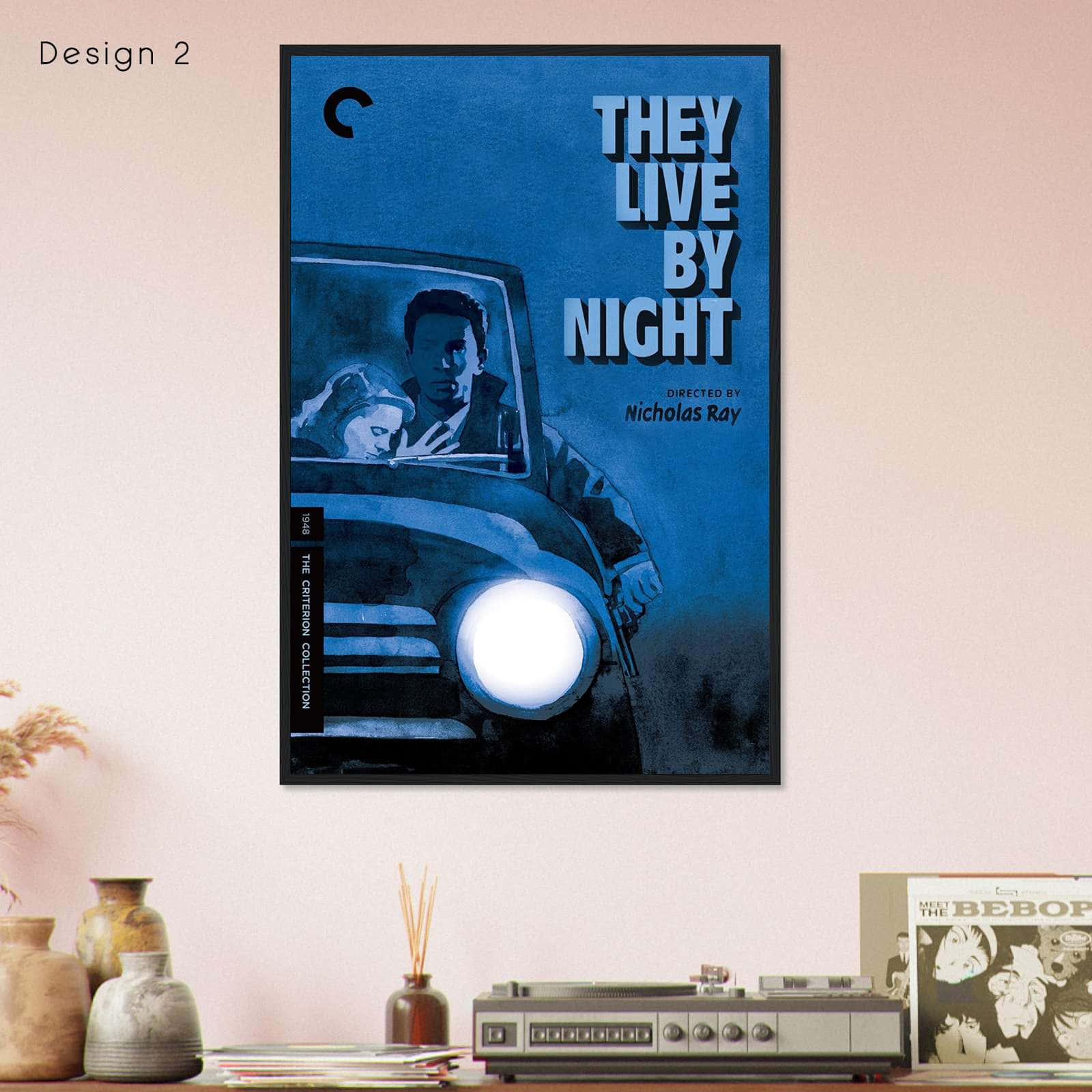
The film has been preserved and distributed on physical media through prestigious home video labels such as The Criterion Collection, ensuring modern cinephiles can access pristine high-definition restorations complete with archival bonus materials and critical commentaries.
Experience the Foundation of Modern Lyrical Noir
Exploring They Live by Night offers an essential masterclass in cinematic empathy, directorial innovation, and visual storytelling. Whether you are revisiting classic Hollywood cinema or tracing the historical roots of the modern crime drama, Nicholas Ray's debut remains a stunning emotional achievement. Dive into official film archives, explore critical retrospectives, and experience this timeless tragedy of star-crossed youth on pristine home video releases today.
Image Gallery