Can You Redeem Your Own Life Insurance? Options for Accessing Policy Value
Yes, you can redeem or access the value of your own life insurance policy while you are still alive, provided you have a permanent life insurance policy, such as whole life or universal life, that has accumulated cash value. Term life...
Yes, you can redeem or access the value of your own life insurance policy while you are still alive, provided you have a permanent life insurance policy, such as whole life or universal life, that has accumulated cash value. Term life insurance generally cannot be redeemed for cash unless it features a specific "return of premium" rider or is sold through a life settlement.
Contents
The process of "redeeming" a policy—technically referred to as surrendering, withdrawing, or settling—allows policyholders to access liquidity for retirement, medical expenses, or debt consolidation. However, doing so usually reduces or eliminates the death benefit intended for your beneficiaries. In 2026, the regulatory environment for life settlements and the tax treatment of cash value withdrawals remain complex, requiring a careful analysis of your specific contract.
Understanding the Difference Between Policy Types
Before attempting to redeem a policy, you must identify the specific type of insurance you own. Not all life insurance products possess an underlying cash account that can be "redeemed."
Permanent Life Insurance
Permanent policies, including Whole Life, Universal Life (UL), and Variable Universal Life (VUL), are designed to last for the insured's entire lifetime. A portion of every premium payment is diverted into a cash value account. This account grows tax-deferred over time. In 2026, these products remain the primary vehicles for "redeeming" value because they function as both a protection tool and a financial asset.
Term Life Insurance
Term insurance provides coverage for a specific period (e.g., 10, 20, or 30 years). It does not typically build cash value. If the term expires and you are still alive, the policy simply ends with no payout. There are two primary exceptions:
- Return of Premium (ROP) Riders: These policies refund your premiums at the end of the term if you are still living.
- Life Settlements: If you are over a certain age or have a health condition, you may be able to sell a term policy to a third party, though this is less common than settling permanent policies.
Method 1: Surrendering the Policy for Cash Value
Surrendering is the most direct way to "redeem" your life insurance. When you surrender a policy, you voluntarily terminate the contract in exchange for its Cash Surrender Value (CSV).
The CSV is the total accumulated cash value minus any outstanding loans and surrender charges. Most permanent policies impose surrender charges during the first 10 to 15 years of the contract. These charges are designed to help the insurance company recover the costs of underwriting and agent commissions.
The Financial Impact of Surrendering
Surrendering a policy is an "all or nothing" decision. Once the papers are signed and the check is issued, the life insurance coverage ceases. This can be a significant mistake if you still have dependents who rely on the death benefit. Furthermore, if the cash value you receive exceeds the total amount of premiums you paid (your "cost basis"), the excess is considered taxable income by the Internal Revenue Service (IRS).
Method 2: Policy Loans
If you need liquidity but do not want to lose your coverage, a policy loan is often a superior alternative to redemption. Most permanent policies allow you to borrow against the cash value.
How Policy Loans Work in 2026
Unlike a bank loan, a life insurance policy loan does not require a credit check or an approval process. You are essentially borrowing your own money, using the death benefit as collateral.
- Interest Rates: The insurance company charges interest on the loan, which can be fixed or variable. In the current 2026 financial climate, these rates are often more competitive than personal loans.
- Repayment Flexibility: You are not strictly required to pay back the loan on a monthly schedule. However, any unpaid interest is added to the loan balance.
- Risk: If the loan balance plus interest grows to exceed the policy's total cash value, the policy may lapse. Additionally, if you die with an outstanding loan, the balance is deducted from the payout sent to your beneficiaries.
Method 3: Partial Withdrawals
Some policies, particularly Universal Life, allow for partial withdrawals. This differs from a loan because you are not borrowing the money; you are simply taking it out of the account.
Withdrawals are generally tax-free up to your cost basis (the total premiums paid). Once you begin withdrawing gains, those funds are taxed as ordinary income. It is important to note that a withdrawal will permanently reduce the death benefit, often by an amount greater than the withdrawal itself, depending on the policy’s structure.
Method 4: Life Settlements and Viatical Settlements
A life settlement involves selling your life insurance policy to a third-party investor (typically an institutional fund) for a one-time cash payment. This payment is higher than the cash surrender value but lower than the total death benefit.
Eligibility for Life Settlements
Life settlements are generally reserved for policyholders aged 65 or older with policies valued at $100,000 or more. The investor takes over the premium payments and collects the death benefit when the insured passes away.
- Viatical Settlements: If the policyholder is terminally or chronically ill, the sale is called a viatical settlement. These often result in higher payouts and may have more favorable tax treatment under the Health Insurance Portability and Accountability Act (HIPAA).
- 2026 Market Trends: The secondary market for life insurance has matured significantly. More consumers are using settlements to fund long-term care or supplement retirement portfolios rather than letting policies lapse.
Method 5: Accelerated Death Benefits (Living Benefits)
Many modern policies include "living benefit" riders. These allow you to "redeem" a portion of your death benefit while you are still alive if you are diagnosed with a terminal illness, chronic illness, or require long-term care.
This is not a loan or a surrender; it is an advance on the eventual payout. Accessing these funds can provide critical financial support during a health crisis without the need to sell the policy to a third party. However, exercising this option will reduce the amount your heirs receive.
Comparing Your Redemption Options
The following table summarizes the primary ways to access your policy's value in 2026.
| Method | Eligibility | Speed of Access | Tax Implications | Impact on Coverage |
|---|---|---|---|---|
| Full Surrender | Permanent policies only | 7–30 days | Gains are taxable | Coverage is terminated |
| Policy Loan | Permanent policies with cash value | 3–10 days | Generally tax-free | Reduces death benefit if unpaid |
| Partial Withdrawal | Primarily Universal Life | 7–14 days | Tax-free up to cost basis | Permanently reduces death benefit |
| Life Settlement | Seniors or ill policyholders | 3–6 months | Capital gains/income tax | Coverage is transferred |
| Living Benefits | Requires qualifying diagnosis | 30–60 days | Often tax-free | Reduces death benefit |
Tax Considerations and "Cost Basis"
One of the most common mistakes when redeeming life insurance is failing to account for taxes. The IRS treats life insurance cash value using the FIFO (First-In, First-Out) method for withdrawals. This means the first dollars you take out are considered a return of your premiums (tax-free). Only after you have withdrawn all paid premiums do the gains become taxable.
However, if you surrender the policy entirely, the calculation is:
Taxable Gain = (Cash Received + Outstanding Loans) - Total Premiums Paid
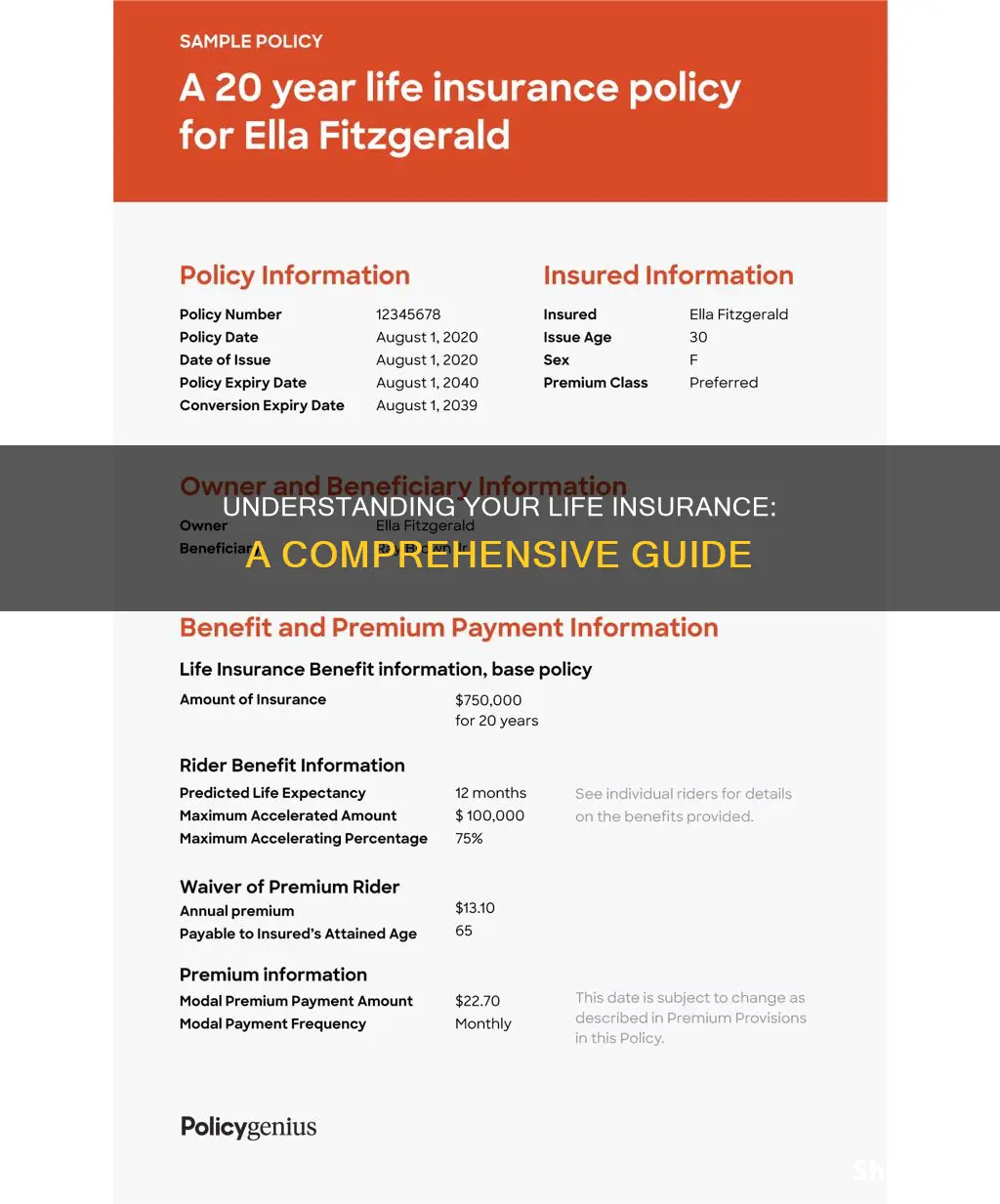
For large policies, this can result in a significant tax bill. Before proceeding with a redemption, it is advisable to request a "In-Force Illustration" from your insurance carrier. This document provides a projection of your policy’s current and future value, as well as the specific tax consequences of surrendering it in 2026.
Common Pitfalls to Avoid
When looking to "redeem" your own life insurance, several risks can jeopardize your financial stability:
- Surrender Charges: Many policyholders are shocked to find their "Account Value" is much higher than their "Cash Surrender Value." Always verify the net amount you will actually receive.
- Phantom Income: If you have a policy with a large loan and you allow it to lapse or you surrender it, the IRS may treat the forgiven loan as "taxable income," even if you don't receive a check.
- Loss of Insurability: Once you redeem or surrender a policy, you cannot simply "undo" it. If your health has declined since you first bought the policy, replacing the coverage will be much more expensive or even impossible.
- Market Timing: For Variable Life policies, your cash value is tied to market performance. Redeeming during a market downturn could lock in losses that might have otherwise recovered.
Frequently Asked Questions
Can I redeem a term life insurance policy?
Generally, no. Term life insurance does not build cash value. Your only "redemption" options are a Return of Premium rider payout at the end of the term or selling the policy through a life settlement if you meet specific age and health criteria.
How long does it take to get the money?
A policy loan or withdrawal typically takes between 3 and 10 business days. A full surrender may take up to 30 days. Life settlements are the slowest option, often requiring 3 to 6 months due to the extensive medical and legal due diligence required by the purchasing investor.
Will redeeming my policy affect my credit score?
No. Life insurance companies do not report policy loans or surrenders to credit bureaus. Since you are accessing your own asset, there is no "debt" in the traditional sense that would impact your creditworthiness.
Do I need the beneficiary's permission to redeem the policy?
If your beneficiary is "revocable" (the standard setting), you do not need their permission. You are the owner of the contract and have full control. However, if you designated an "irrevocable beneficiary," you must obtain their written consent before surrendering the policy or taking a loan.
Is it better to sell my policy or surrender it?
Selling your policy via a life settlement almost always yields more cash than surrendering it to the insurance company. However, the process is much longer and involves sharing your private medical records with investors. If you need cash immediately, a surrender or loan is faster.
Practical Recommendation
If you are considering redeeming your life insurance in 2026, start by requesting a Current In-Force Illustration and a Surrender Value Quote from your insurance company. These documents will tell you exactly how much cash is available and what the tax impact will be. If you are over 65, also seek a free appraisal from a reputable life settlement broker to see if your policy is worth more on the secondary market than its surrender value. Only proceed with a full surrender if you are certain you no longer need the death benefit protection for your family or estate.
Image Gallery