Designer Walls Net Worth in the US: Market Valuation and Financial Landscape 2026
As of 2026, the luxury "designer walls" and premium wallcovering market in the United States is valued at approximately $1.68 billion. This valuation encompasses the total equity, annual revenue, and brand assets of high-end manufactur...
As of 2026, the luxury "designer walls" and premium wallcovering market in the United States is valued at approximately $1.68 billion. This valuation encompasses the total equity, annual revenue, and brand assets of high-end manufacturers, artisanal studios, and specialized distributors that define the bespoke interior surfaces sector within the broader $5.4 billion U.S. wall decoration industry.
Contents
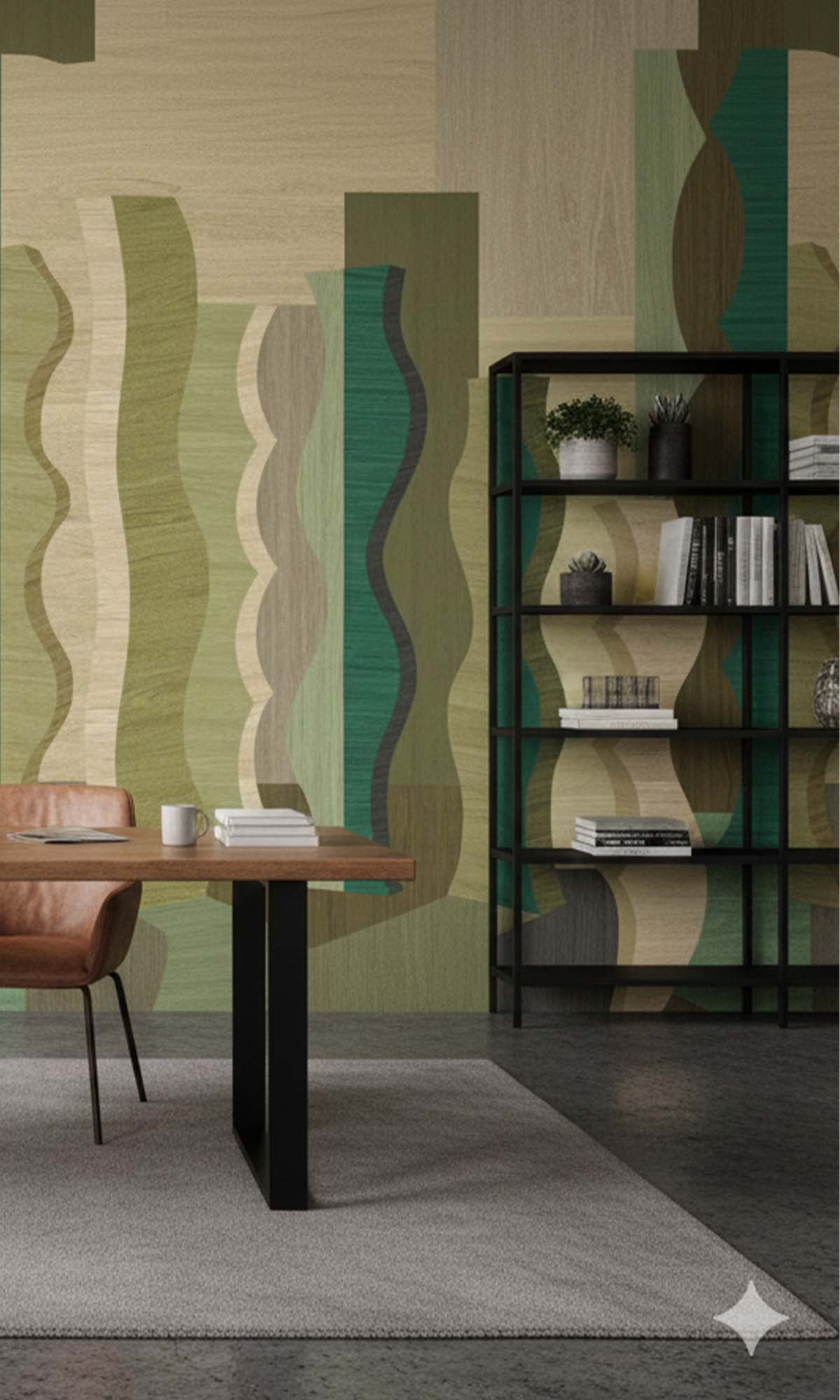
The concept of "Designer Walls" has evolved from simple wallpapering into a complex ecosystem of architectural surfaces, 3D tactile panels, and sustainable acoustic solutions. To understand the net worth of this segment in the U.S. landscape, one must analyze the intersection of the luxury real estate market, advancements in manufacturing technology, and the shifting preferences of high-net-worth individuals (HNWIs) and commercial developers.
The Economic Composition of the Designer Wall Sector
When discussing the "net worth" of designer walls in the U.S., it is essential to distinguish between the aggregate value of the industry and the valuation of individual leading entities. Unlike mass-market home improvement brands, the designer wall sector operates on high margins and lower volumes, with a focus on "trade-only" distribution models that protect brand equity and price integrity.
Private Equity and Brand Valuations
In 2026, several major players dominate the U.S. market, many of which are privately held or backed by private equity firms. Companies like Phillip Jeffries, Maya Romanoff, and various boutique importers that market under the "Designer Walls" banner have seen their internal valuations rise by nearly 22% since 2022. This growth is driven by the consolidation of the interior design supply chain, where centralized platforms for architects and designers have made high-end products more accessible to professionals.
The Role of Bespoke Manufacturing
A significant portion of the sector's net worth is tied to proprietary manufacturing processes. For instance, companies specializing in hand-painted scenic wallpapers or CNC-milled 3D wood panels hold significant intangible assets in the form of design libraries and specialized equipment. In the U.S. market, these assets are often valued higher than liquid capital because they represent a barrier to entry for lower-cost competitors.
Market Drivers Influencing Valuation in 2026
The financial health of the designer walls market is inextricably linked to the performance of the luxury residential and "Class A" commercial real estate sectors. Several key drivers have sustained the valuation of these products through the mid-2020s.
The Post-Digital Aesthetic Shift
By 2026, the "Zoom background" era has matured into a permanent demand for high-quality, tactile home environments. Homeowners are no longer satisfied with flat paint; they seek "designer walls" that offer depth, such as Venetian plaster, silk-wrapped panels, or acoustic felt installations. This shift has increased the average transaction value per room from $1,200 in 2020 to over $3,500 in 2026 for premium projects.
Sustainable and "Living" Walls
Environmental, Social, and Governance (ESG) criteria have become a major financial driver. The net worth of companies focusing on "living walls" (bio-walls) and carbon-neutral recycled materials has surged. Investors are pouring capital into firms that can provide LEED-certified wallcoverings, as these products are now mandatory for many new commercial developments in major hubs like New York City, San Francisco, and Austin.
| Market Segment | Estimated US Valuation (2026) | Primary Material Drivers | Growth Rate (YoY) |
|---|---|---|---|
| Luxury Wallcoverings | $720 Million | Natural fibers, silk, metallic leaf | 4.2% |
| 3D & Architectural Panels | $410 Million | Recycled polymers, sustainable wood | 6.8% |
| Acoustic Designer Walls | $350 Million | High-density felt, perforated metals | 9.1% |
| Bespoke/Hand-Painted Murals | $200 Million | Artisanal labor, custom digital printing | 3.5% |
Geographic Concentration and Revenue Streams
The net worth of the designer walls industry is not distributed evenly across the United States. Revenue is heavily concentrated in regions with high concentrations of luxury housing and corporate headquarters.
- The Northeast Corridor (NY, NJ, CT): This region remains the largest market for designer walls, accounting for nearly 30% of total U.S. revenue. The demand for high-end office renovations and luxury penthouses keeps valuations high for local distributors.
- The Sunbelt (FL, TX, AZ): Rapid population growth of wealthy retirees and tech professionals has turned Florida and Texas into the fastest-growing markets for residential designer walls.
- The West Coast (CA, WA): Focuses heavily on sustainable and "tech-integrated" wall systems, including panels with embedded lighting or smart-home sensors.
Revenue Channels
The net worth of these businesses is supported by three primary revenue streams:
- Trade Sales (B2B): Sales to interior designers and architects, often involving tiered pricing and long-term contracts.
- Commercial Contracts: Large-scale installations in hotels, luxury retail stores (e.g., Fifth Avenue boutiques), and corporate lobbies.
- Direct-to-Consumer (DTC) Premium: While rare in the "designer" segment, some brands have successfully launched high-end e-commerce lines for DIY enthusiasts willing to pay $200+ per roll.
Operational Costs and Profitability
To understand the net worth, one must look at the margins. Luxury wall products often carry a gross margin of 50% to 70%. However, several factors impact the bottom line in 2026:
Specialized Labor Shortages
The value of a "designer wall" is only realized through expert installation. The U.S. has faced a shortage of master paperhangers and plasterers. This has led some designer wall companies to acquire installation firms, integrating the service into their business model to capture more of the value chain.
Supply Chain Resilience
In 2026, many U.S. companies have moved their manufacturing away from overseas markets to "near-shoring" in Mexico or local production in states like North Carolina. This transition required significant capital expenditure but has resulted in higher company valuations due to reduced lead times and lower shipping risks.
Competitive Landscape: Who Owns the Market?
The "net worth" of the designer wall space is divided between long-standing heritage brands and modern disruptors.
- Heritage Giants: Brands that have existed for decades, often family-owned, rely on deep catalogs and relationships with the world's leading design firms. Their valuation is based on brand loyalty and archive designs.
- Tech-Driven Disruptors: New companies using 3D printing and AI-generated patterns. These firms have lower overhead and higher scalability, attracting venture capital interest that inflates their market valuation relative to their current revenue.
- Consolidators: Entities like F. Schumacher & Co. or various design-house conglomerates continue to acquire smaller boutique "designer walls" brands to broaden their portfolios, leading to a more corporate structure in the industry.
Technical Specifications and Valuation Standards
In the financial assessment of designer walls, "value" is often determined by technical performance. A wallcovering's net worth in a commercial setting is dictated by:
- Fire Ratings: ASTM E84 Class A ratings are essential for the commercial "designer" market.
- Durability: Type II vinyl or high-performance fabrics that can withstand heavy traffic in hospitality settings.
- Acoustics: NRC (Noise Reduction Coefficient) ratings of 0.45 or higher are now standard for "designer" office walls, significantly increasing the price point and market value of these products.
FAQs
What is the average cost of a designer wall installation in the US?
In 2026, a professionally installed designer wall typically costs between $25 and $150 per square foot, depending on materials. For high-end artisanal products like hand-applied gold leaf or intricate 3D wood assemblies, prices can exceed $300 per square foot. This includes both material costs and the labor of specialized craftsmen.
Are designer walls considered a good investment for home resale value?
Yes, but with caveats. Neutral, high-quality "designer walls" such as grasscloth or sophisticated architectural panels can increase a home’s appraisal value by 2% to 5% in the luxury segment. However, highly personalized or "bold" murals may not provide the same return on investment (ROI) as they depend on the specific taste of future buyers.
Who are the biggest players in the US designer walls market?
Key market leaders include Phillip Jeffries, Holly Hunt, Schumacher, Koroseal, and Wolf-Gordon. Additionally, boutique agencies often branded as "Designer Walls" or "Unique Surfaces" operate as regional powerhouses in cities like New York, Miami, and Los Angeles.
How has AI impacted the net worth of designer wall companies?
AI has increased the valuation of companies that have integrated it into their design workflows. It allows for rapid customization and "infinite" pattern variations, reducing the time from concept to production. This efficiency has increased profitability and allowed brands to offer bespoke services at a slightly lower cost, expanding their target market.
What is the most expensive material used in designer walls in 2026?
The highest-valued materials in 2026 include ethically sourced rare wood veneers, semi-precious stone inlays, and high-tech smart-fabrics that change opacity or color based on light exposure. These materials represent the "ultra-luxury" tier of the market.
Practical Recommendation for Stakeholders
For investors and business owners looking to capitalize on the $1.68 billion designer walls market in 2026, the focus should be on vertical integration. Companies that control both the manufacturing of unique materials and the installation process are currently seeing the highest valuations and the most stable net worth growth. For homeowners and designers, prioritizing materials with high sustainability ratings and timeless aesthetic appeal ensures that the financial investment in "designer walls" retains its value over the long term.
Image Gallery