Foundation Repair in James Island: Solutions for Coastal Soil Challenges
Effective foundation repair in James Island requires specialized techniques like helical pier installation and crawl space encapsulation to combat the area's sandy, high-moisture soils. Homeowners must address signs like wall cracks an...
Effective foundation repair in James Island requires specialized techniques like helical pier installation and crawl space encapsulation to combat the area's sandy, high-moisture soils. Homeowners must address signs like wall cracks and uneven floors promptly to prevent structural failure caused by the Lowcountry’s fluctuating water table and coastal erosion.
Contents
As of 2026, property owners on James Island face a unique set of structural challenges. Nestled between the Stono River, Charleston Harbor, and the Atlantic, the island’s geography is defined by its low elevation and alluvial soil composition. These environmental factors make foundation stability a primary concern for both historic homes and newer developments. Understanding the specific geological demands of the area is the first step in ensuring a home remains safe and level for decades to come.
Understanding James Island’s Unique Geological Challenges
The soil on James Island is predominantly composed of sandy deposits, silts, and pockets of expansive clay, often referred to by geologists as the Wando or Seabrook series. These soil types are highly susceptible to moisture-induced changes. In the Lowcountry, the water table is exceptionally high, often sitting just a few feet below the surface.
When the region experiences the heavy rainfall common in South Carolina summers, these soils can become saturated, leading to a loss of load-bearing capacity. Conversely, during periods of drought, the clay components shrink, creating voids beneath concrete slabs or footings. This cycle of expansion and contraction—coupled with the constant ebb and flow of the tide in nearby marshes—puts immense stress on residential foundations.
Furthermore, James Island's proximity to the coast means that many homes are built on "fill dirt" used to raise elevations. If this fill was not properly compacted at the time of construction, it eventually settles under the weight of the structure, leading to differential settlement—where one part of the house sinks faster than the rest.
Signs of Foundation Distress in James Island Properties
Identifying foundation issues early can save homeowners tens of thousands of dollars in secondary repairs. In the James Island climate, certain signs are more prevalent than others:
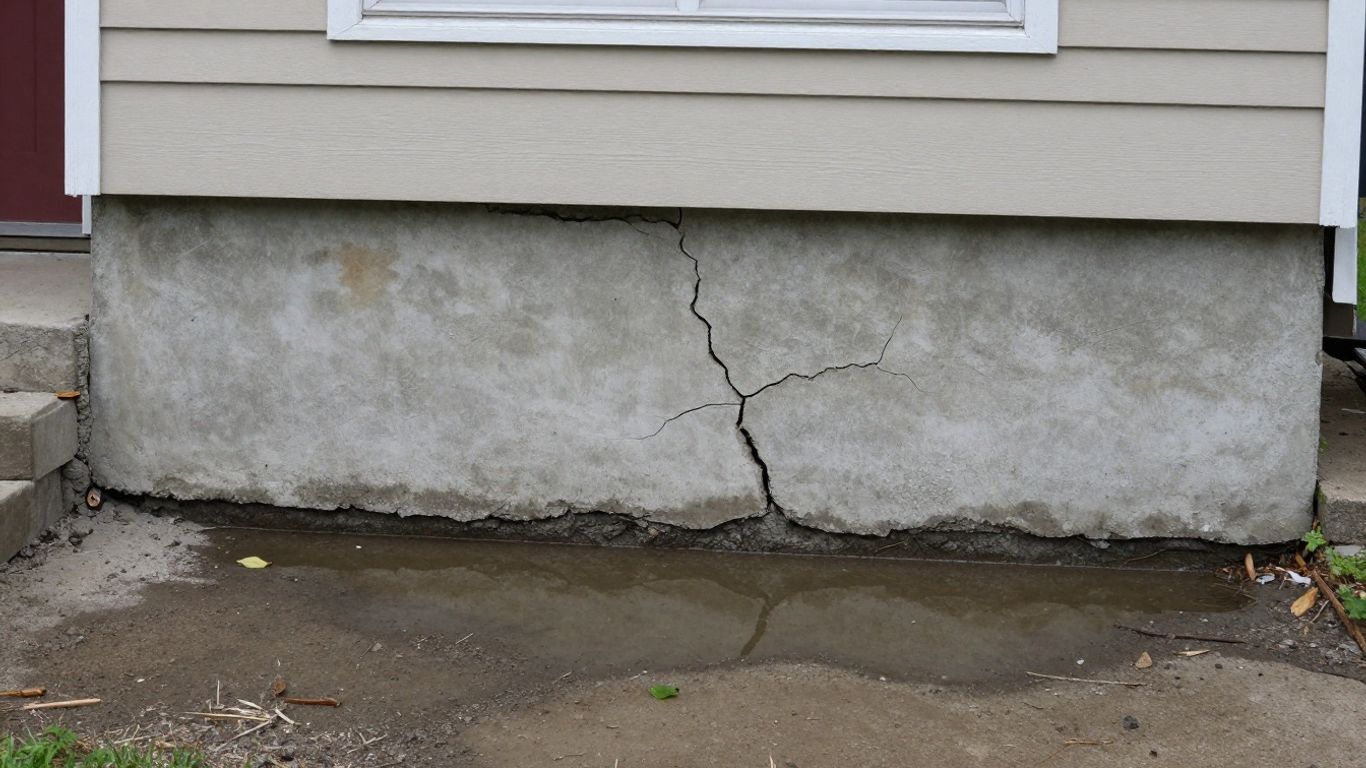
- Stair-Step Cracks in Brickwork: This is perhaps the most iconic sign of settlement in the Charleston area. Cracks that follow the mortar lines in a zigzag pattern usually indicate that a corner or a section of the foundation is sinking.
- Sticking Doors and Windows: When a foundation shifts, the rectangular frames of doors and windows become skewed into parallelograms. This causes doors to rub against the top or sides of the frame, or windows to become difficult to latch.
- Separation of Trim and Molding: Observe where the walls meet the ceiling or where crown molding is installed. If you notice gaps appearing where there were none before, the structure is likely pulling apart due to foundation movement.
- Cracked Drywall and Interior Sloping: Diagonal cracks extending from the corners of interior door frames are a hallmark of settlement. Additionally, if you feel like you are walking "downhill" in certain rooms, the floor joists or the slab itself may have dropped.
- Crawl Space Moisture and Sagging Floors: Many older homes on James Island are built on pier-and-beam foundations. Excess moisture in the crawl space can rot wooden support beams, leading to "spongy" or sagging floors above.
Common Foundation Repair Methods for James Island
As of 2026, several engineering-backed solutions are standard for addressing the specific needs of coastal South Carolina homes. The choice of method depends largely on whether the home is built on a concrete slab or has a raised crawl space.
Helical Piers: The Gold Standard for Sandy Soil
For homes experiencing deep settlement, helical piers are often the preferred solution. Unlike push piers, which rely on the weight of the structure to drive them into the ground, helical piers are screwed into the earth using hydraulic machinery. This is critical in the James Island area because the sandy topsoil often lacks the friction necessary for push piers. Helical piers are driven down until they reach a load-bearing strata of soil or rock, providing a permanent "stilt" for the foundation to rest upon.
Polyjacking and Concrete Leveling
For slab-on-grade homes or sinking driveways and patios, polyjacking (polyurethane foam injection) has become the modern replacement for traditional mudjacking. Technicians drill small holes into the concrete and inject a high-density, waterproof foam. As the foam expands, it fills voids and lifts the slab back to its original position. In the high-moisture environment of James Island, polyurethane is superior to mudjacking because it is hydrophobic; it will not wash away or erode when the water table rises.
Crawl Space Stabilization and Encapsulation
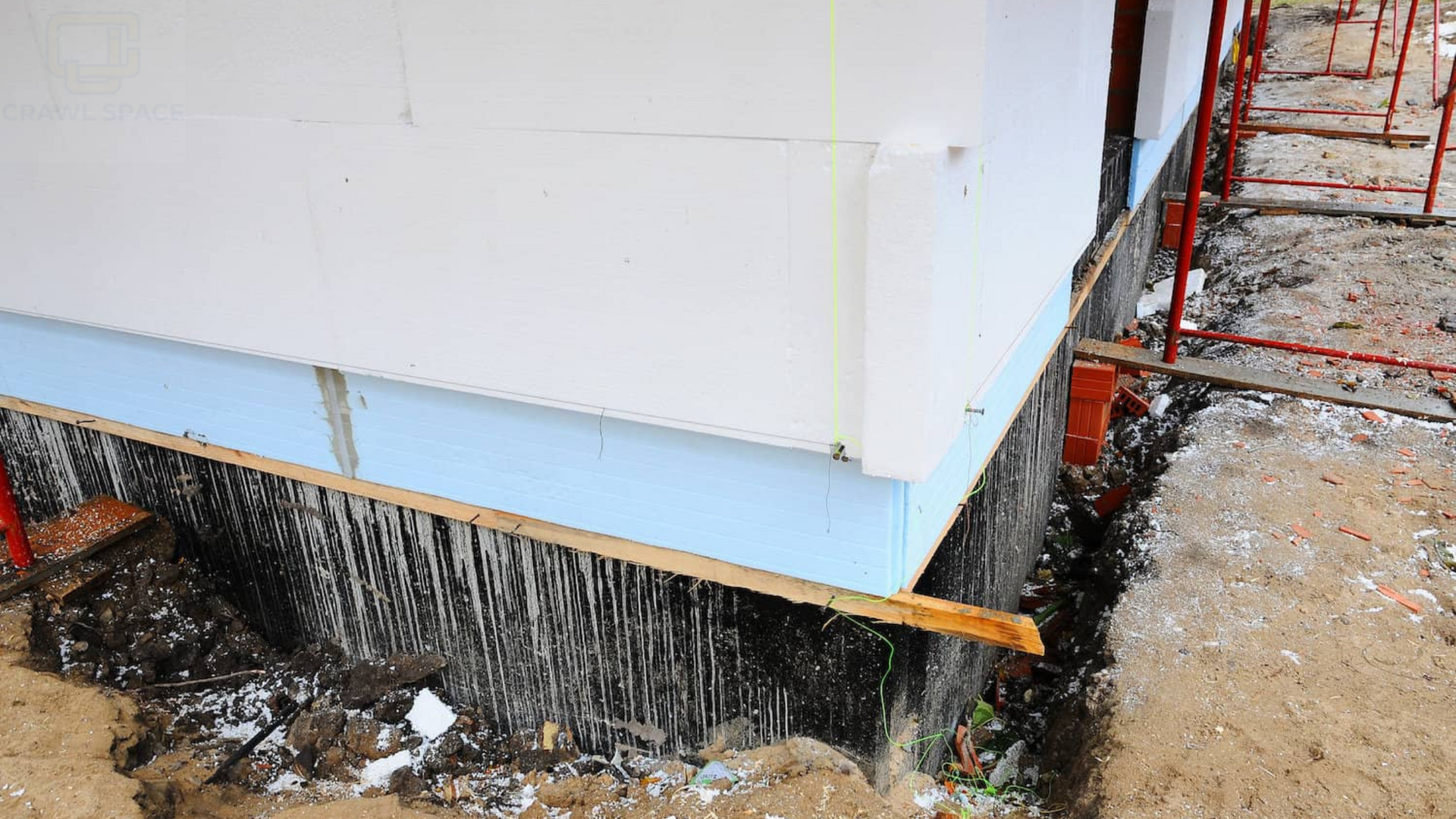
Because James Island frequently deals with 80% or higher humidity levels, crawl space health is intrinsically linked to foundation health. Encapsulation involves sealing the crawl space with a heavy-duty vapor barrier, installing a dehumidifier, and potentially adding "Smart Jacks" (adjustable steel piers). This prevents the wood rot and termite activity that often mimic or exacerbate foundation failure in Lowcountry homes.
Cost Considerations for Foundation Repair in 2026
Budgeting for foundation repair requires an understanding of both the severity of the damage and the method of repair. While every project is unique, current market data for the James Island and Greater Charleston area suggests the following ranges:
| Repair Method | Average Cost Range (2026) | Best For | Expected Longevity |
|---|---|---|---|
| Helical Piers | $1,800 – $3,200 per pier | Heavy settlement, sandy soils | Lifetime (Transferable) |
| Polyjacking | $1,200 – $4,500 per project | Sinking slabs, patios, walkways | 10–15 Years |
| Crawl Space Encapsulation | $5,000 – $15,000+ | Humidity control, floor sagging | 20+ Years |
| Foundation Crack Injection | $600 – $1,500 | Minor seepage, non-structural | 5–10 Years |
| Crawl Space Support Jacks | $800 – $1,500 per jack | Sagging interior floors | Lifetime |
Factors that influence these costs include the depth of the load-bearing soil, the accessibility of the repair site, and the local permitting fees required by the City of Charleston or Charleston County.
Selecting a Qualified Foundation Specialist in the Lowcountry
Foundation repair is not a DIY project, nor is it a task for a general handyman. Homeowners should vet contractors based on several criteria:
- Licensure and Insurance: Ensure the contractor holds a valid South Carolina Specialty Contractor license. Verify their standing through the South Carolina Department of Labor, Licensing and Regulation (LLR).
- Engineering Oversight: Reputable companies often work with third-party structural engineers to provide an unbiased assessment and a stamped repair plan. This is often required for municipal permits on James Island.
- Local Experience: A company that understands the specific behavior of James Island's marshy soil is far more valuable than a national chain without local geological knowledge.
- Warranty Terms: Look for transferable lifetime warranties on piering systems. This is a significant asset if you decide to sell your home in the future.
The Impact of Flooding and Drainage on Foundation Longevity
On James Island, the "foundation" of your foundation is your drainage system. Poor water management is the leading cause of structural failure in the area. When water pools around the perimeter of a home, it creates hydrostatic pressure, which pushes against foundation walls and can cause them to bow or crack.
By 2026, modern foundation repair plans almost always include a drainage component. This may involve:
- French Drains: Redirecting groundwater away from the footings.
- Gutter Extensions: Ensuring roof runoff is discharged at least 10 feet from the structure.
- Grading: Reshaping the landscape so that soil slopes away from the home at a minimum of 6 inches over the first 10 feet.
Addressing these issues is essential. Even the best piering system can be undermined if the soil around it is constantly washed away by poor drainage or tidal flooding.
Frequently Asked Questions
Does homeowner’s insurance cover foundation repair in James Island?
In most cases, standard homeowner’s insurance does not cover foundation repair if the damage is caused by "earth movement" or gradual settlement. However, if the foundation damage is a direct result of a sudden event covered by the policy, such as a pipe burst, there may be a claim. Given James Island’s flood zones, separate flood insurance is usually required for water-related structural damage, but this also rarely covers gradual settlement.
How long does a typical foundation repair take?
Most residential foundation repairs on James Island, such as the installation of helical piers or polyjacking, can be completed within 2 to 5 days. Crawl space encapsulation may take slightly longer depending on the size of the home and the level of debris removal required before installation.
Is James Island soil too soft for traditional push piers?
Frequently, yes. Push piers require the house to be heavy enough and the soil to provide enough resistance to drive the pier to bedrock. Because James Island has deep layers of soft silt and sand, helical piers—which are mechanically screwed into the ground—are generally more reliable for achieving the necessary torque and load-bearing capacity.
Can I wait to repair my foundation cracks?
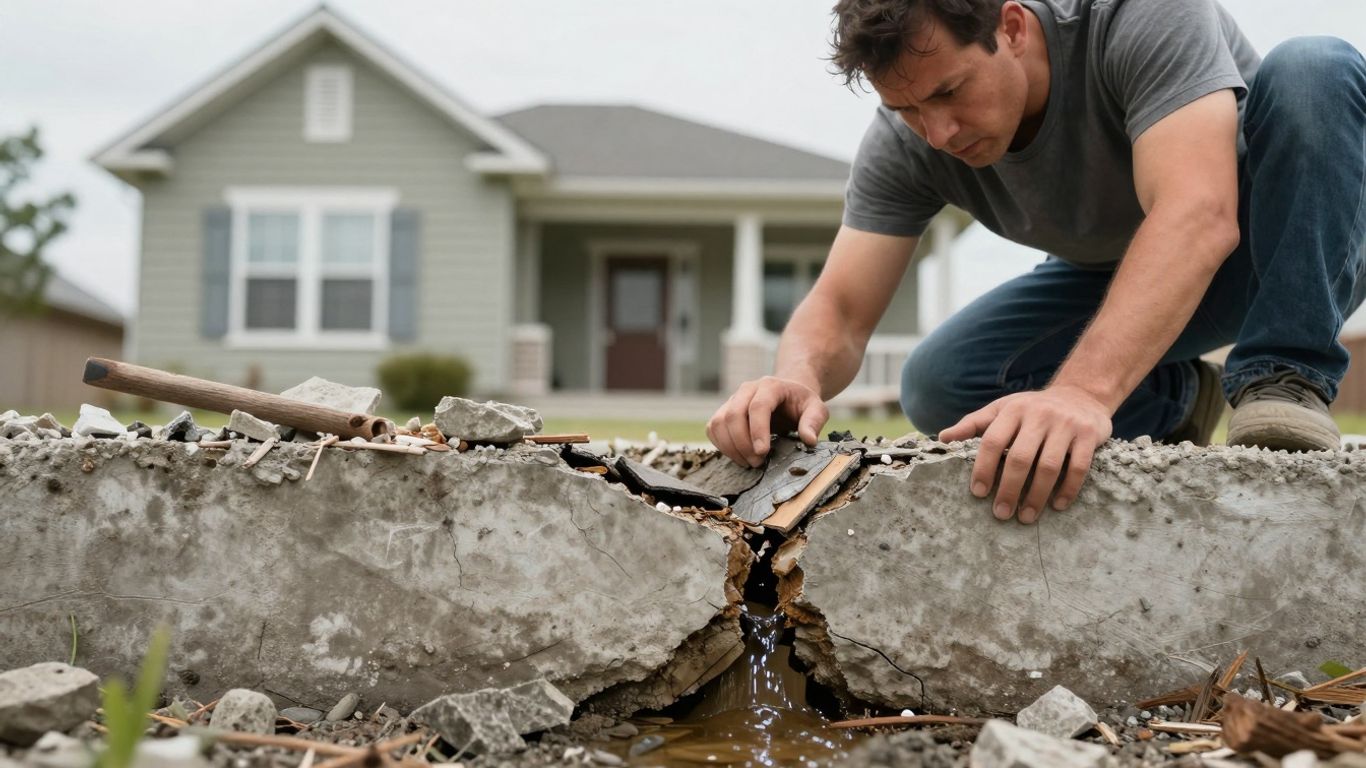
Waiting is rarely advisable. Small cracks can allow moisture to reach the steel reinforcement (rebar) inside concrete foundations, causing it to rust and expand. This expansion creates more pressure, leading to larger cracks and eventually structural failure. Furthermore, as the house continues to shift, the cost of the repair typically increases as more piers or more significant leveling is required.
How do I know if my crawl space needs encapsulation or just repair?
If you smell a musty odor in your home, see standing water in the crawl space after a storm, or notice your hardwood floors cupping, you likely need encapsulation. Simple repairs might fix a single sagging joist, but they won't address the underlying moisture issues that caused the wood to fail in the first place.
Final Recommendation
If you suspect your James Island home is settling, the first step should be a professional structural evaluation. In the coastal Lowcountry environment, the combination of high humidity and shifting sands makes foundation health a dynamic issue. Prioritize contractors who offer comprehensive solutions—addressing both the structural stabilization and the moisture/drainage issues that caused the problem. Taking action in 2026 will preserve your property value and ensure the long-term safety of your home against the elements.
Image Gallery