Remembering Carrie Fisher: Her Life, Literary Legacy, and Cultural Impact
Carrie Fisher passed away on December 27, 2016, following a cardiac event during a transatlantic flight, leaving behind a profound legacy as an actor, author, and mental health advocate. Best known for portraying Princess Leia Organa i...
Carrie Fisher passed away on December 27, 2016, following a cardiac event during a transatlantic flight, leaving behind a profound legacy as an actor, author, and mental health advocate. Best known for portraying Princess Leia Organa in the Star Wars franchise, Fisher was also an accomplished author and Hollywood script doctor who spoke openly about bipolar disorder and addiction.
Contents
The Passing of an Icon: Key Details and Tributes
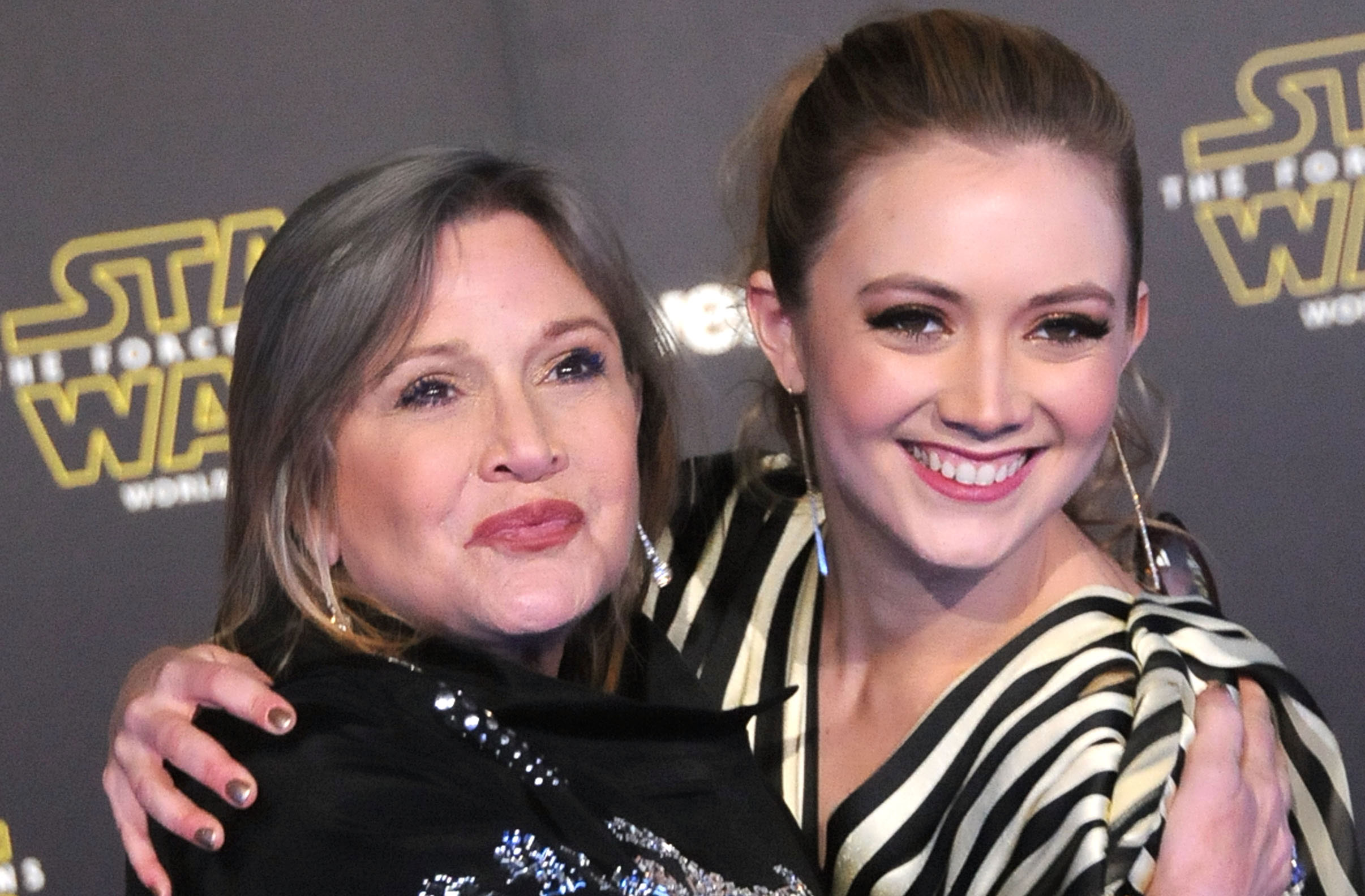
On December 23, 2016, Carrie Fisher experienced a medical emergency aboard a flight from London to Los Angeles. After being stabilized by medical personnel on board and transported to Ronald Reagan UCLA Medical Center, she spent four days in intensive care before passing away on December 27 at the age of 60. Just one day later, her mother, legendary Hollywood actress Debbie Reynolds, suffered a fatal stroke, marking a double tragedy for the entertainment industry and fans worldwide.
The global reaction to Fisher's death demonstrated her broad impact across generations. Tributes flooded in from former castmates, entertainment figures, and millions of fans. Mark Hamill, Harrison Ford, and George Lucas issued statements highlighting not only her talent and sharp wit, but also her fierce independence. Fans organized candlelight vigils around the globe, notably assembling at lightsaber walks hosted in cities like Los Angeles, Austin, and London.
The official cause of death released by the Los Angeles County Department of Medical Examiner-Coroner identified cardiac arrest alongside sleep apnea and other underlying health conditions as contributing factors. Her family chose to honor her memory by focusing on her lifelong dedication to honesty, humor, and self-acceptance.
Beyond the Hologram: Carrie Fisher’s Cinematic and Literary Legacy
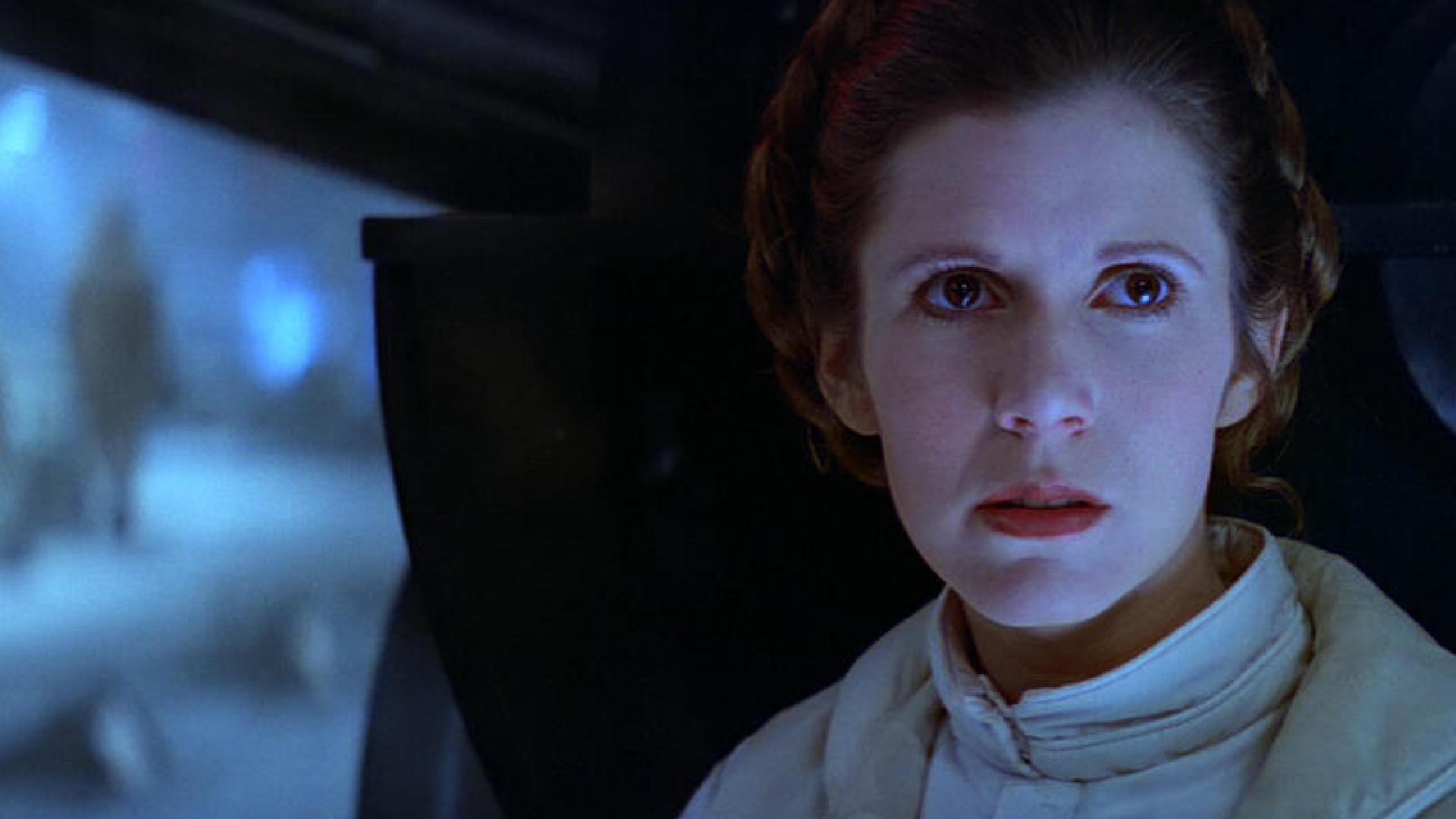
While international audiences first encountered Fisher as Princess Leia Organa in George Lucas’s original Star Wars (1977), her contributions to film and literature extended far beyond her iconic role in a galaxy far, far away.
- CARRIE FISHER
- ACTRESS
- NOVELIST
- MEMOIRIST
- SCRIPT DOCTOR
- MENTAL HEALTH ADVOCATE
Redefining the Hollywood Heroine
In 1977, Princess Leia shattered existing tropes for female characters in mainstream science fiction and blockbuster cinema. Rather than acting as a traditional damsel in distress, Leia was introduced taking direct command of her own rescue, trading blaster fire with Imperial stormtroopers, and leading galactic rebellion strategies. Fisher brought a rare blend of gravity, authority, and biting sarcasm to the role, reprising it across The Empire Strikes Back (1980), Return of the Jedi (1983), The Force Awakens (2015), and The Last Jedi (2017).
Beyond sci-fi, Fisher delivered memorable performances in classics such as The Blues Brothers (1980), Hannah and Her Sisters (1986), When Harry Met Sally... (1989), and The 'Burbs (1989), demonstrating her versatility as a comedic and character actor.
Master of the Written Word and Script Doctoring
Fisher's talent as a writer earned her widespread acclaim independent of her acting career. Her debut semi-autobiographical novel, Postcards from the Edge (1987), humorously confronted her struggles with addiction and her complex relationship with her mother. Fisher adapted the book into a feature film screenplay in 1990, starring Meryl Streep and Shirley MacLaine, earning Fisher a nomination for the BAFTA Award for Best Adapted Screenplay.
She authored several more novels and memoirs, including:
- Surrender the Pink (1990)
- Delusions of Grandma (1994)
- Wishful Drinking (2008) – based on her hit one-woman stage show
- The Princess Diarist (2016) – based on journals kept during the filming of the original Star Wars
In addition to her published works, Fisher was one of Hollywood’s most sought-after script doctors throughout the 1990s and early 2000s. Uncredited writers are frequently brought in to polish dialogue, sharpen character arcs, and fix story pacing. Fisher applied her sharp comedic timing and deep understanding of character development to re-write scripts for major studio films, including Hook (1991), Sister Act (1992), The Wedding Singer (1998), and the Star Wars prequel trilogy.
Mental Health Advocacy: Breaking Stigmas with Unapologetic Honesty
Long before public conversations surrounding mental health became widespread, Carrie Fisher spoke openly about her diagnosis of Bipolar II Disorder and her history with substance abuse. Diagnosed in her late twenties, Fisher refused to treat her condition as a secret or a source of shame.
Through public interviews, her memoirs, and her column for The Guardian, she articulated the daily reality of living with severe mood disorders. She famously emphasized that managing a mental illness requires immense courage rather than representing a personal failing.
"One of the things that baffles me (and there are quite a few) is how there can be so much stigma attached to having a mental illness. As far as I'm concerned, it should be a badge of honor. You should be entitled to the ribbing, the sympathy, the affection—not the judgment."— Carrie Fisher, Wishful Drinking
Her willingness to discuss electroconvulsive therapy (ECT), medication regimens, and rehabilitation programs helped normalize psychiatric treatment for millions of individuals. Organizations such as the National Alliance on Mental Illness (NAMI) and the Didi Hirsch Mental Health Services frequently cited her contribution to reducing public stigma surrounding psychiatric care.
Major Milestones in Carrie Fisher’s Life and Posthumous Honors
The following table summarizes key achievements and posthumous recognitions celebrating Carrie Fisher's creative output and cultural contributions.
| Year | Event / Works | Category | Recognition & Impact |
|---|---|---|---|
| 1977 | Star Wars: Episode IV - A New Hope | Feature Film | Established Fisher as an international cultural icon. |
| 1987 | Postcards from the Edge | Literature | Best-selling novel establishing her career as a major author. |
| 1990 | Postcards from the Edge (Film Adaptation) | Screenplay | Nominated for BAFTA Best Adapted Screenplay. |
| 2008 | Wishful Drinking | Stage / Memoir | Hit non-fiction book and Broadway show detailing her life. |
| 2016 | The Princess Diarist | Memoir | New York Times Best Seller exploring her early film career. |
| 2018 | The Princess Diarist (Audiobook) | Posthumous Award | Won the Grammy Award for Best Spoken Word Album. |
| 2019 | Star Wars: Episode IX - The Rise of Skywalker | Posthumous Film | Rendered on screen using unreleased archival footage. |
| 2023 | Hollywood Walk of Fame Star | Posthumous Honor | Dedicated on May 4, 2023 (Motion Pictures category). |
How Lucasfilm Handled Leia’s Posthumous Screen Appearances
Fisher completed her principal photography for Star Wars: Episode VIII - The Last Jedi (2017) prior to her death in late 2016. Lucasfilm chose not to alter her role in the film, allowing her complete final physical performance as General Leia Organa to remain intact as a tribute to her craft.
For the final film in the sequel trilogy, Star Wars: Episode IX - The Rise of Skywalker (2019), director J.J. Abrams and Lucasfilm faced the narrative challenge of completing Leia's story without the actress. Lucasfilm explicitly announced they would not rely on digital CGI recreations for Fisher, opting instead to utilize unreleased footage captured during the production of The Force Awakens.
- Footage from Episode VII (2015)
- Color-Matched & Relit
- Integrated into Episode IX (2019) Scene
With the consent of her daughter, actress Billie Lourd, unused dialogue sequences were adapted to fit the script of The Rise of Skywalker. CGI was applied only to adjust lighting, background environments, and wardrobe details so that her physical presence matched the new scenes. This allowed the narrative arc of Leia Organa to be concluded using authentic live-action performances recorded by Fisher before her passing.
How to Explore Her Work and Honor Her Legacy Today
Fans looking to engage with Carrie Fisher's intellectual and creative legacy can do so through several accessible avenues:
- Read Her Core Bibliography: Start with Postcards from the Edge to appreciate her sharp fiction, followed by Wishful Drinking and The Princess Diarist for direct insight into her personal experiences.
- Explore Her Screenplays and Doctoring Work: Watch the 1990 feature film adaptation of Postcards from the Edge or review films like Sister Act and The Wedding Singer with an eye toward her signature sharp dialogue.
- Support Mental Health Advocacy Organizations: Support non-profit organizations dedicated to removing stigmas around psychiatric illnesses, such as the Brain & Behavior Research Foundation or the National Alliance on Mental Illness (NAMI).
- Listen to Her Audiobooks: Her recording of The Princess Diarist showcases her storytelling abilities and earned her a posthumous Grammy Award in 2018.
Frequently Asked Questions
When did Carrie Fisher pass away, and what was the official cause?
Carrie Fisher passed away on December 27, 2016, at the age of 60. The Los Angeles County Coroner's report cited cardiac arrest, alongside sleep apnea and a combination of underlying health conditions, as contributing factors to her death.
Did Carrie Fisher write her own books and screenplays?
Yes. Carrie Fisher was an established author of fiction and non-fiction. She wrote the 1987 best-selling novel Postcards from the Edge and adapted it into the 1990 award-nominated film screenplay. She also wrote several memoirs (Wishful Drinking, The Princess Diarist) and worked for years as a top script doctor in Hollywood.
How was Leia included in Star Wars: The Rise of Skywalker after Carrie Fisher passed?
Lucasfilm did not use a fully digital CGI model to create new scenes for Fisher. Instead, director J.J. Abrams used unreleased, live-action footage filmed by Fisher during the production of The Force Awakens (2015). The production team wrote around the existing footage and used visual effects to adapt her lighting, clothing, and background to fit the new storyline.
Did Carrie Fisher receive a star on the Hollywood Walk of Fame?
Yes. Carrie Fisher was posthumously honored with a star on the Hollywood Walk of Fame on May 4, 2023. Her star is located near the El Capitan Theatre on Hollywood Boulevard, near the star of her original Star Wars co-star, Mark Hamill.
What posthumous awards did Carrie Fisher win?
In 2018, Carrie Fisher won a posthumous Grammy Award for Best Spoken Word Album for the audiobook narration of her memoir, The Princess Diarist. She was also nominated posthumously for a Primetime Emmy Award in 2017 for her guest appearance on the television series Catastrophe.
Preserving the Legacy of Carrie Fisher
Carrie Fisher remains an enduring figure across popular culture, literary arts, and public health advocacy. Whether remembered as the defiant leader of a galactic rebellion, a candid memoirist, or a pioneer who helped demystify mental illness, her influence remains relevant. Readers interested in honoring her legacy can engage directly with her published works, revisit her extensive screen achievements, or support non-profit groups dedicated to mental health research and patient care.
Image Gallery