The Alaskan Bush People New Series Explained: What to Expect
The Alaskan Bush People continues to evolve in 2026, shifting its narrative focus from the original Brown family homestead in the Alaskan wilderness to their multi-faceted lives in Washington State. The latest series installments docum...
The Alaskan Bush People continues to evolve in 2026, shifting its narrative focus from the original Brown family homestead in the Alaskan wilderness to their multi-faceted lives in Washington State. The latest series installments document the family’s transition to managing North Star Ranch, navigating ongoing health challenges, and balancing legacy building with modern-day survival requirements in the Pacific Northwest.
Contents
Understanding the Evolution of the Series
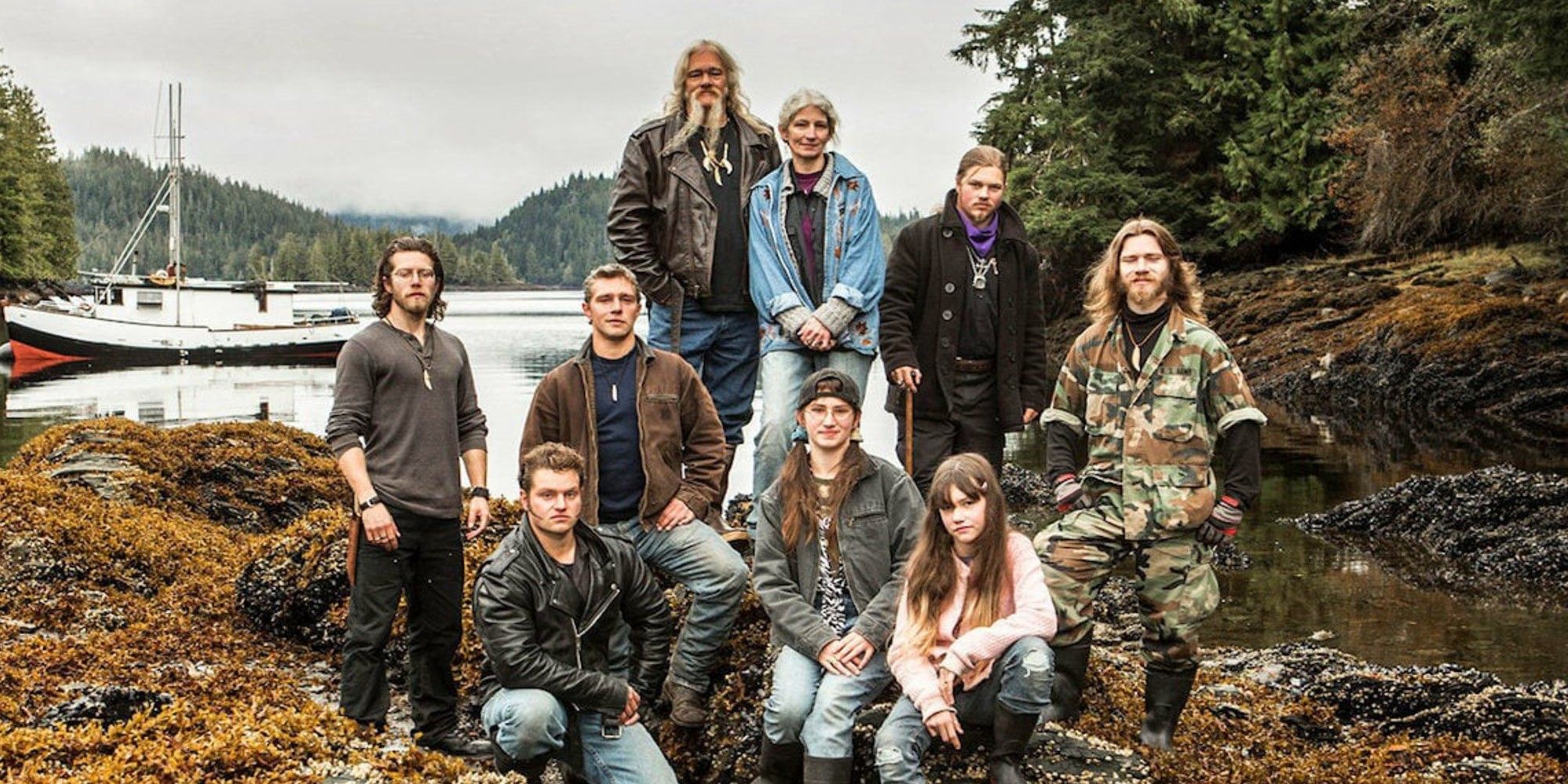
Since its debut, Alaskan Bush People has undergone significant tonal and structural shifts. Originally framed as an observational documentary series centering on Billy and Ami Brown’s self-styled "wolf pack" living in isolation, the show has gradually transitioned into a character-driven reality docuseries.
In 2026, the series focuses on the surviving family members—Bam, Bear, Gabe, Noah, Bird, and Rain—as they attempt to solidify their foothold at North Star Ranch. The narrative arc has moved away from the initial premise of "extreme isolation" to a reality-television format that emphasizes intergenerational dynamics, business ventures, and the logistical challenges of land management. Viewers familiar with the early seasons will notice a departure from the "bush" aesthetic toward a more conventional rural lifestyle, punctuated by the high-stakes drama that has become a staple of the franchise.
Key Changes in the Latest Installments
The current series reflects a strategic pivot in production. Following the passing of patriarch Billy Brown, the show has functioned as a chronicle of the family’s attempt to maintain his vision for a self-sustaining ranch while grappling with the loss of their primary leader.
Shift in Location and Scope
The primary setting is no longer the remote Alaskan interior but rather the expansive property near Tonasket, Washington. This shift has altered the show's technical scope. Instead of documenting the construction of temporary bush cabins, the cameras now track projects such as the development of solar infrastructure, animal husbandry, and the complexities of property taxes and land maintenance. The logistical burden on the cast is different; rather than fighting the elements for basic survival, the challenge is now the professionalization of their homesteading skills.
Focus on Individual Narratives
In 2026, the series structure allocates significant time to the individual children’s lives. The internal dynamics—often characterized by disagreements over management, lifestyle choices, and the pressure of public scrutiny—are central to the latest storylines. This allows for a more granular look at how each family member is carving out their path while still operating under the "Brown family" brand.
Comparative Overview of Series Phases
| Feature | Original Series (Early Seasons) | Current Series (2026) |
|---|---|---|
| Primary Setting | Alaskan Interior | North Star Ranch, Washington |
| Survival Focus | Hunting, foraging, cabin building | Ranch management, infrastructure, family unity |
| Cast Dynamics | Patriarch-led (Billy Brown) | Sibling-led; collective decision making |
| Production Style | Observational bush-life aesthetic | Character-driven reality television |
Technical and Logistical Realities
For viewers interested in the "explained" aspect of the show, it is essential to distinguish between the on-screen narrative and the operational realities of the production. The series is filmed on private land, which necessitates compliance with local Washington state zoning and land-use regulations.
The logistical requirements of filming a major television series in a remote, rural area are substantial. In 2026, the show utilizes a rotating production crew that manages the challenges of mountain weather and site accessibility. While the narrative portrays the family as isolated, the production of the show requires a consistent influx of external technical personnel, equipment, and logistical support, which is standard for high-budget reality television.
Frequently Asked Questions
Is the Brown family still living in Alaska?
No. While the series remains titled Alaskan Bush People, the family has been based in Washington State for several years. The move was originally prompted by medical necessity, as the family required closer proximity to specialized care facilities, but the transition became permanent.
What is the primary focus of the new series?
The current focus is on the long-term viability of North Star Ranch. This includes the development of the land, the management of family resources, and the personal development of the siblings as they navigate life without their parents.
How does the show handle the passing of Billy Brown?
The show addresses the loss of the patriarch by focusing on the transition of leadership. The narrative often highlights the ways in which the surviving family members struggle or succeed in implementing the systems Billy designed for their collective survival and financial stability.
Are the events in the series scripted?
Like most reality programs, the series uses a combination of "fly-on-the-wall" observational footage and structured segments intended to drive the story forward. While the emotional core and family tensions are generally considered genuine, production planning dictates the specific activities and interview responses presented to the audience.
Where can I watch the latest episodes?
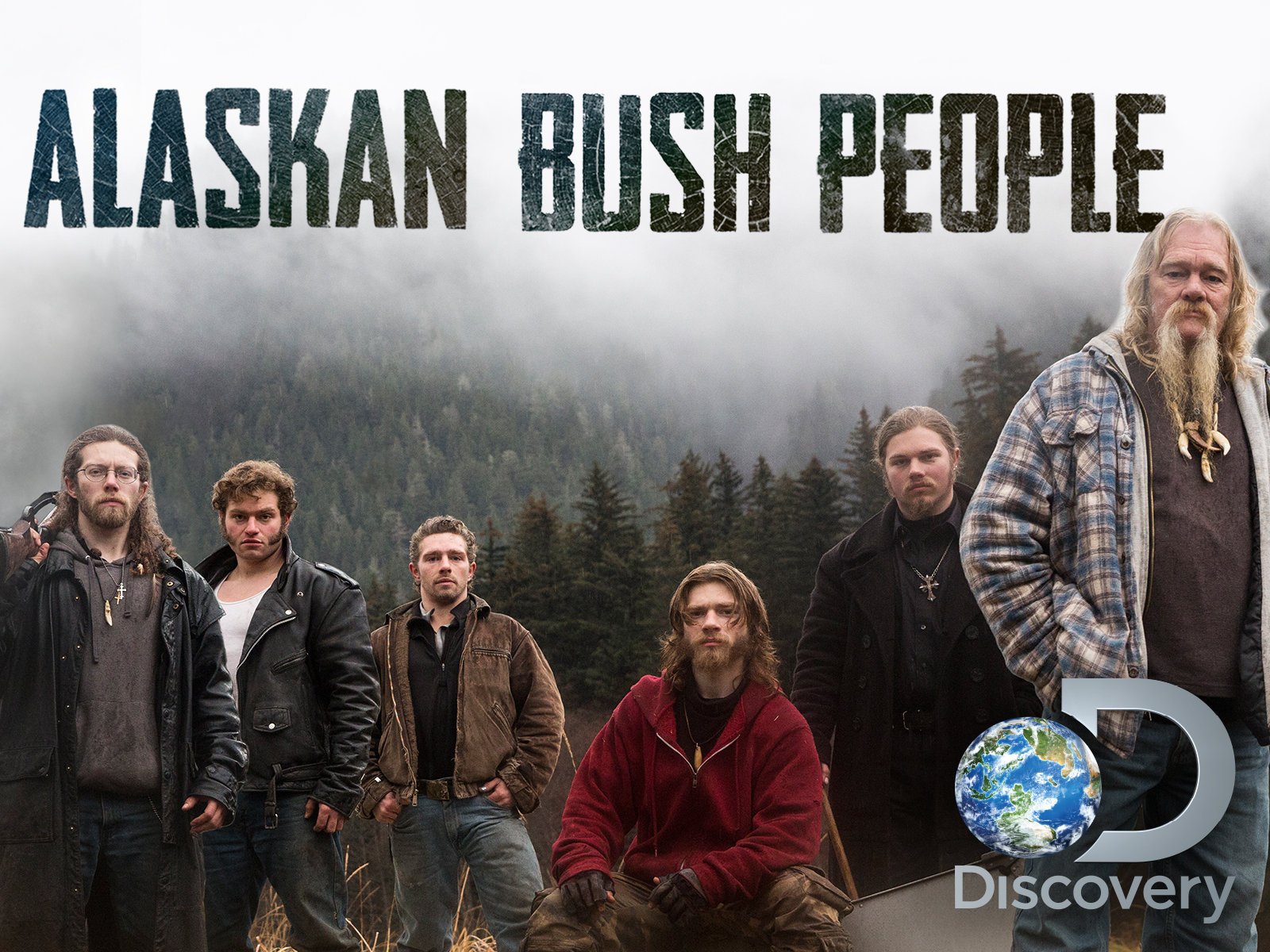
The series is distributed through the Discovery network. Viewers can access content via cable television or through the Discovery+ streaming platform, which maintains the archive of previous seasons and the most recent 2026 installments.
Next Steps for Viewers
If you are catching up on the series to understand the current trajectory of the Brown family, begin by reviewing the "transition" seasons which bridge the move from Alaska to Washington. Understanding the specific health and financial motivations that necessitated the relocation provides crucial context for the conflicts currently unfolding at North Star Ranch. For those seeking technical insights, pay close attention to the behind-the-scenes segments often included in special episodes, which provide rare glimpses into the production crew's role in facilitating the family’s projects.
Image Gallery