Dr. Evelyn Scott AO: Life, Legacy, and Civil Rights Leadership
Dr. Evelyn Ruth Scott AO (1935–2017) was a groundbreaking Indigenous Australian social justice campaigner, civil rights pioneer, and leader in the national reconciliation movement. Serving as Chairperson of the National Council for Abo...
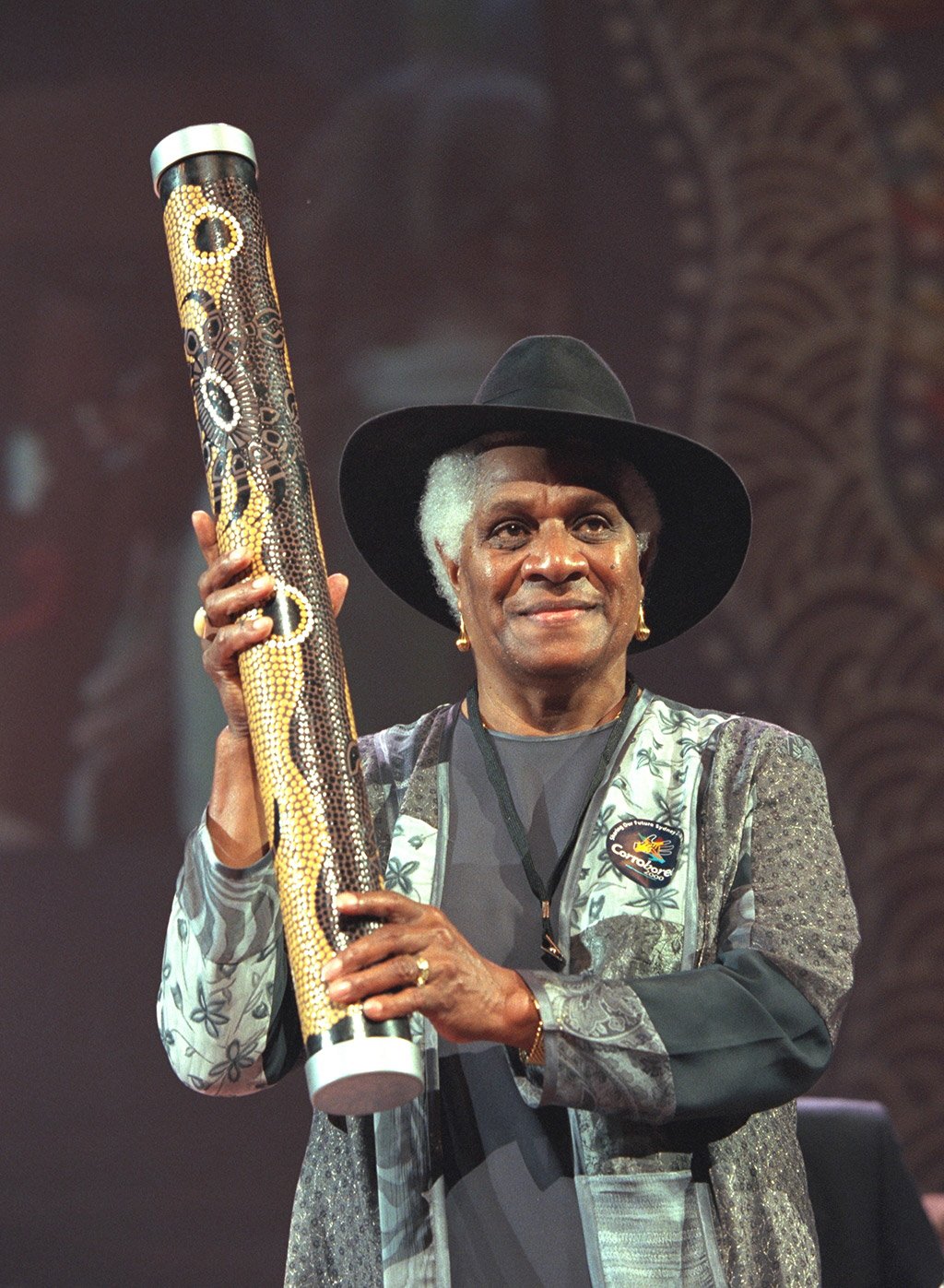
Dr. Evelyn Ruth Scott AO (1935–2017) was a groundbreaking Indigenous Australian social justice campaigner, civil rights pioneer, and leader in the national reconciliation movement. Serving as Chairperson of the National Council for Aboriginal Reconciliation from 1997 to 2000, she led the historic Corroboree 2000 Walk for Reconciliation across the Sydney Harbour Bridge.
Contents
(Note: While this analytical profile focuses primarily on the celebrated Australian civil rights leader Dr. Evelyn Ruth Scott AO, this guide also provides a brief disambiguation reference for the 20th-century American modernist author Evelyn Scott [1893–1963] and American actress Evelyn Scott [1915–2002].)
Early Life, Heritage, and Grassroots Community Foundations
Dr. Evelyn Ruth Scott AO was born in Ingham, North Queensland, in 1935. Descended from the Kuku Yalanji people of Far North Queensland and with South Sea Islander ancestry, her early life was shaped by the systemic racial segregation and legal disenfranchisement enforced under Queensland’s Aboriginals Protection and Restriction of the Sale of Opium Act. The state-sanctioned restrictions of this era severely limited the movement, wages, civil liberty, and self-determination of First Nations people.
Rather than accepting institutionalized inequality, Scott dedicated her early adulthood to community-level activism in Townsville and regional Queensland during the 1960s. Recognizing that political rights could not be isolated from physical well-being and legal defense, she co-founded vital community-controlled institutions, including the Townsville Aboriginal and Islander Health Service (TAIHS) and regional legal support clinics.
Key Pillars of Early Activism
- Community-Controlled Healthcare: Establishing autonomous health services managed by Indigenous health workers to combat high rates of preventable disease and medical neglect.
- Legal Advocacy and Protection: Organizing legal aid framework to defend First Nations community members against arbitrary police actions and unfair labor practices.
- Women's Rights and Family Welfare: Championing housing security, child protection, and educational access for Indigenous families in regional and rural communities across Queensland.
Through these regional programs, Scott demonstrated that self-determination was not merely an abstract political philosophy, but a practical operational model driven by community control.
Leadership in FCAATSI and the 1967 Constitutional Referendum
During the mid-1960s, Dr. Evelyn Scott emerged as a central figure in the Federal Council for the Advancement of Aborigines and Torres Strait Islanders (FCAATSI). Working alongside prominent civil rights leaders such as Faith Bandler, Joe McGinness, and Sir Douglas Nicholls, Scott campaigned relentlessly across Queensland for systemic constitutional reform.
[Note: Historical Context of the 1967 Referendum] Prior to May 27, 1967, the Australian Constitution contained two discriminatory clauses: - Section 51 (xxvi): Prevented the Commonwealth Parliament from making special laws for Indigenous Australians. - Section 127: Excluded "Aboriginal natives" from being counted in national population censuses.
Scott played a critical role in grassroots voter education, door-to-door campaigning, and organizing logistics in non-metropolitan Queensland. The referendum was held on May 27, 1967, yielding the highest "Yes" vote in Australian constitutional history at 90.77%.
| Referendum Amendment Target | Pre-1967 Legal Framework | Post-1967 Reform Impact |
|---|---|---|
| Section 51 (xxvi) | Federal Parliament could only make laws for "other races," leaving First Nations affairs to state governments. | Enabled the Commonwealth Government to pass federal legislation specifically supporting Indigenous rights and funding services. |
| Section 127 | Explicitly banned First Nations people from inclusion in official population statistics and census counts. | Mandated full inclusion of Indigenous people in demographic tracking, electoral mapping, and resource allocations. |
The overwhelming referendum victory transformed federal jurisdiction over Indigenous policy, establishing a national imperative for civil rights reform and setting the stage for future land rights claims.
Chairing the National Council for Aboriginal Reconciliation (1997–2000)
In 1997, Dr. Evelyn Scott succeeded Patrick Dodson as Chairperson of the National Council for Aboriginal Reconciliation (CAR). Her appointment came at a pivotal moment in Australian political history, marked by intense debate over land rights following the High Court's Wik Decision (1996) and growing public calls for a formal state apology to the Stolen Generations.
Leadership Philosophy during the Reconciliation Era Dr. Evelyn Scott firmly maintained that true reconciliation required both symbolic recognition and structural redress. She argued that national unity could only be achieved when Australia fully acknowledged its colonial history, protected Native Title rights, and guaranteed equal social and economic outcomes for First Nations peoples.
Corroboree 2000 and the Bridge Walk
Under Scott’s leadership, the Reconciliation Council drafted two historic documents: the Australian Declaration towards Reconciliation and the Roadmap for Reconciliation. These documents were presented at Corroboree 2000, a high-level convention held at the Sydney Opera House on May 27–28, 2000.
The event culminated on May 28, 2000, in the People’s Walk for Reconciliation. Dr. Scott led more than 250,000 citizens across the Sydney Harbour Bridge in the largest public demonstration of political solidarity in Australian history. Similar bridge walks followed across state capitals, bringing over 400,000 Australians into active demonstration for reconciliation.
Key Achievements of Corroboree 2000: 1. Mobilized 250,000+ marchers across the Sydney Harbour Bridge. 2. Formally presented national reconciliation documents to political leaders. 3. Created irreversible public pressure for a federal apology to the Stolen Generations. 4. Shifted reconciliation from a bureaucratic process to a national civic movement.
Chronology of Historical Milestones and Institutional Leadership
Dr. Evelyn Scott’s career spanned more than five decades of public advocacy, policy innovation, and institutional governance.
| Year | Role / Event | Key Accomplishment or Historical Impact |
|---|---|---|
| 1935 | Birth in Ingham, Queensland | Born into Kuku Yalanji and South Sea Islander heritage, shaping a lifetime of anti-discrimination work. |
| 1960s | Regional Organizing & FCAATSI Campaigning | Co-founded regional health and legal services; organized Queensland operations for the 1967 Constitutional Referendum. |
| 1971–1973 | Vice-President of FCAATSI | First Indigenous woman appointed to executive leadership of a national political advocacy body. |
| 1980s | Indigenous Employment and Training Reform | Served on federal advisory committees expanding vocational education and land management opportunities. |
| 1997 | Appointed Chair of CAR | Succeeded Patrick Dodson to lead the National Council for Aboriginal Reconciliation. |
| 2000 | Corroboree 2000 Leader | Spearheaded the Sydney Harbour Bridge Walk, presenting the national reconciliation declaration. |
| 2001 | Awarded Centenary Medal | Honored by the Australian Government for outstanding service to Indigenous community development. |
| 2003 | Officer of the Order of Australia (AO) | Received Australia's top civilian honor for leadership in Indigenous affairs and social justice. |
| 2017 | Passing & State Funeral | Passed away on September 21, 2017. Honored with a State Funeral in Townsville—the first for an Indigenous woman in Queensland history. |
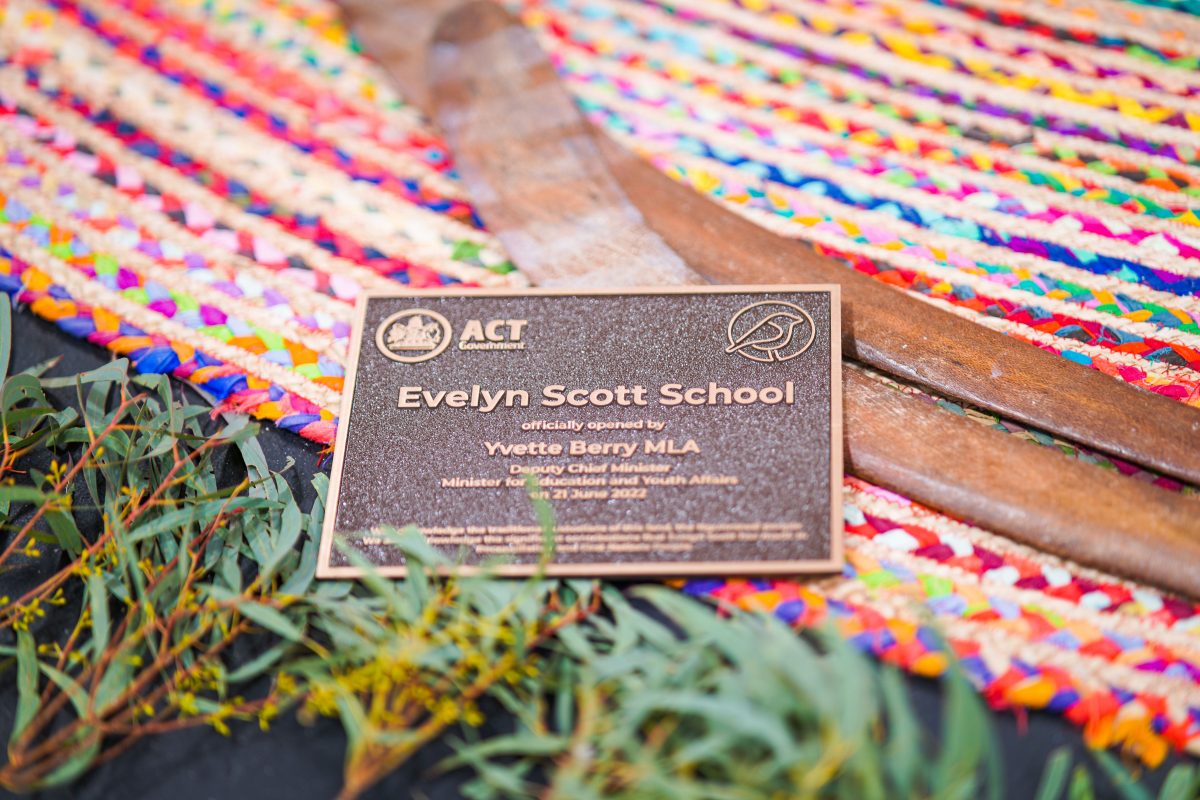
| 2021 | Opening of Evelyn Scott School | ACT Government named a flagship educational institution in Canberra in her honor. |
Comparative Analysis: Key Leaders in Australian Civil Rights & Reconciliation
To understand Dr. Evelyn Scott’s distinct contribution to Australian history, it is valuable to compare her leadership focus with that of her contemporaries in the civil rights movement.
| Leader | Key Focus Area | Primary Organizational Roles | Distinct Methodological Contribution |
|---|---|---|---|
| Dr. Evelyn Scott AO | Grassroots Health, Constitutional Reform, National Reconciliation | Chairperson, National Council for Aboriginal Reconciliation; Vice-President, FCAATSI | Bridge-building between community-level health services and national political strategy; leading mass public reconciliation movements. |
| Patrick Dodson | Land Rights, Native Title, Dialogue with Federal Government | Founding Chair, CAR; Executive Director, Central Land Council | Intellectual framework for land rights and national treaty negotiations; serving as an elder spokesperson in parliament. |
| Lowitja O'Donoghue AC | National Administrative Reform, Institutional Governance | Inaugural Chairperson, Aboriginal and Torres Strait Islander Commission (ATSIC) | Professionalizing Indigenous administration, navigating complex federal legislative processes, public health governance. |
| Faith Bandler AC | Legislative Civil Rights, 1967 Referendum Advocacy | General Secretary, Federal Council for the Advancement of Aborigines and Torres Strait Islanders | Organizing urban coalition politics, cross-cultural union alliances, and national media campaigns for the 1967 referendum. |
Institutional Legacy, Honours, and Educational Impact
Following her passing in September 2017, the Queensland Government accorded Dr. Evelyn Scott a State Funeral in Townsville, acknowledging her decades of selfless service to the nation. She was the first First Nations woman to be granted this tribute in Queensland.
Her impact continues to shape civic discourse, institutional governance, and educational curricula across Australia:
- Evelyn Scott School (Canberra): Opened in 2021 in Denman Prospect, ACT, this institution operates on principles of reconciliation, social inclusion, and cultural respect, keeping her name active in contemporary public education.
- National Curriculum Integration: History and Social Sciences (HASS) curricula in Australian primary and secondary schools highlight Dr. Scott’s leadership alongside the 1967 Referendum and Corroboree 2000.
- The Dr. Evelyn Scott Scholarship: Dedicated academic and community development grants supporting young First Nations leaders pursuing careers in public health, law, and social policy.
Disambiguation: Other Notable Figures Named Evelyn Scott
While search queries for "Evelyn Scott" overwhelmingly seek biographical and historical details regarding the Australian civil rights leader, the name is also shared by prominent historic figures in literature and entertainment:
1. Evelyn Scott (American Author, 1893–1963)
- Identity: Born Elsie Dunn in Clarksville, Tennessee; published under the pseudonym Evelyn Scott.
- Significance: Important American modernist novelist, poet, and literary critic associated with the Southern Renaissance.
- Major Works: The Wave (1929), an experimental American Civil War novel utilizing multiperspective modernist techniques; Escapade (1923), an autobiographical memoir detailing her life in Brazil; and Background in Tennessee (1937).
- Literary Style: Characterized by psychological realism, stream-of-consciousness narrative structures, and sharp social commentary on gender and Southern heritage.
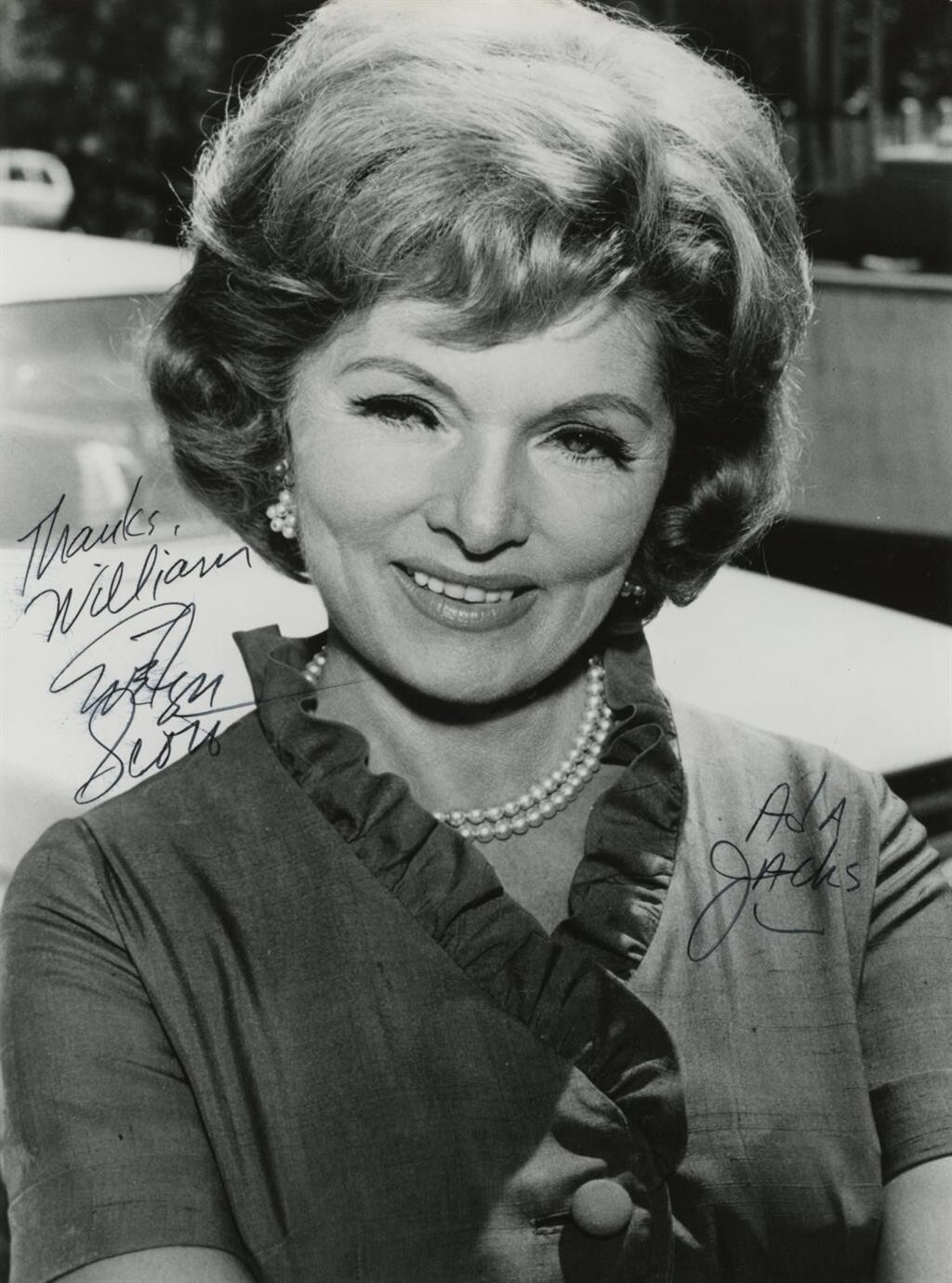
2. Evelyn Scott (American Actress, 1915–2002)
- Identity: American radio, film, and television actress active during the mid-20th century.
- Significance: Best known for her recurring role as Ada Kitson in the long-running television drama series Peyton Place (1965–1969), as well as her voice work on classic radio programs such as The Great Gildersleeve.
Frequently Asked Questions About Dr. Evelyn Scott AO
Who was Dr. Evelyn Scott AO?
Dr. Evelyn Ruth Scott AO (1935–2017) was an Indigenous Australian civil rights activist, community organizer, and former Chairperson of the National Council for Aboriginal Reconciliation. She played a key role in the historic 1967 Constitutional Referendum and led the landmark Corroboree 2000 Walk for Reconciliation.
What was Dr. Evelyn Scott's involvement in the 1967 Referendum?
As an executive leader within the Federal Council for the Advancement of Aborigines and Torres Strait Islanders (FCAATSI), Dr. Scott organized grassroots campaigning across Queensland. Her efforts helped secure the historic 90.77% "Yes" vote, which amended the Australian Constitution to include First Nations people in the national census and grant federal legislative powers for Indigenous affairs.
What happened during the Corroboree 2000 walk led by Dr. Scott?
On May 28, 2000, Dr. Evelyn Scott led more than 250,000 citizens across the Sydney Harbour Bridge as Chair of the National Council for Aboriginal Reconciliation. This historic event demonstrated overwhelming public support for national reconciliation and a formal government apology to the Stolen Generations.
What awards and honours did Dr. Evelyn Scott receive?
Dr. Evelyn Scott was awarded the Centenary Medal in 2001 and was appointed an Officer of the Order of Australia (AO) in the 2003 Australia Day Honours. Following her passing in 2017, she was granted a State Funeral by the Queensland Government, and the Evelyn Scott School was named in her honour in the Australian Capital Territory.
How did Dr. Evelyn Scott contribute to community healthcare?
Early in her career in North Queensland, Dr. Scott co-founded the Townsville Aboriginal and Islander Health Service (TAIHS). She advocated for community-controlled healthcare models, ensuring First Nations people had direct governance over their medical services and public health programs.
The Enduring Legacy of Dr. Evelyn Scott
Dr. Evelyn Scott AO transformed Australian society by bridging community-level healthcare organizing with high-level constitutional and legislative reform. Her leadership demonstrated that national reconciliation requires more than legal frameworks; it demands sustained civic engagement, public truth-telling, and political courageousness.
Her life's work continues to serve as an authoritative benchmark for human rights advocates, educators, and policy makers working toward a more just and reconciled nation.
Image Gallery