Analyzing FBI Crime Statistics by Race: Methodologies, Data Sources, and Reporting Standards for 2026
Understanding Federal Bureau of Investigation crime statistics categorized by race requires a rigorous examination of reporting methodologies, data collection frameworks, and the distinction between arrest rates and overall criminal vi...
Understanding Federal Bureau of Investigation crime statistics categorized by race requires a rigorous examination of reporting methodologies, data collection frameworks, and the distinction between arrest rates and overall criminal victimization. Official federal data sets provide critical empirical insights for criminologists, policymakers, and researchers, yet interpreting these figures demands an understanding of structural variables such as law enforcement participation rates, geographic reporting variations, and socioeconomic indicators.
Contents
Foundations of Federal Crime Data Collection Systems
The primary repositories for federal crime data in the United States are managed through structured federal programs that aggregate information submitted voluntarily by thousands of local, state, tribal, and federal law enforcement agencies. To interpret demographic breakdowns accurately, analysts must understand the operational mechanics of these reporting architectures.
The Evolution from UCR to NIBRS
For decades, the Uniform Crime Reporting (UCR) Summary Reporting System served as the baseline for national crime metrics. However, the complete transition to the National Incident-Based Reporting System (NIBRS) fundamentally changed how demographic data is captured. Unlike the legacy system, which only recorded the most serious offense in a multiple-offense incident (the hierarchy rule), NIBRS captures detailed data on each single crime incident and separate offense.
- Incident-Level Granularity: NIBRS records individual offenses, victim information, property characteristics, and offender attributes, including demographic markers such as race, ethnicity, age, and sex.
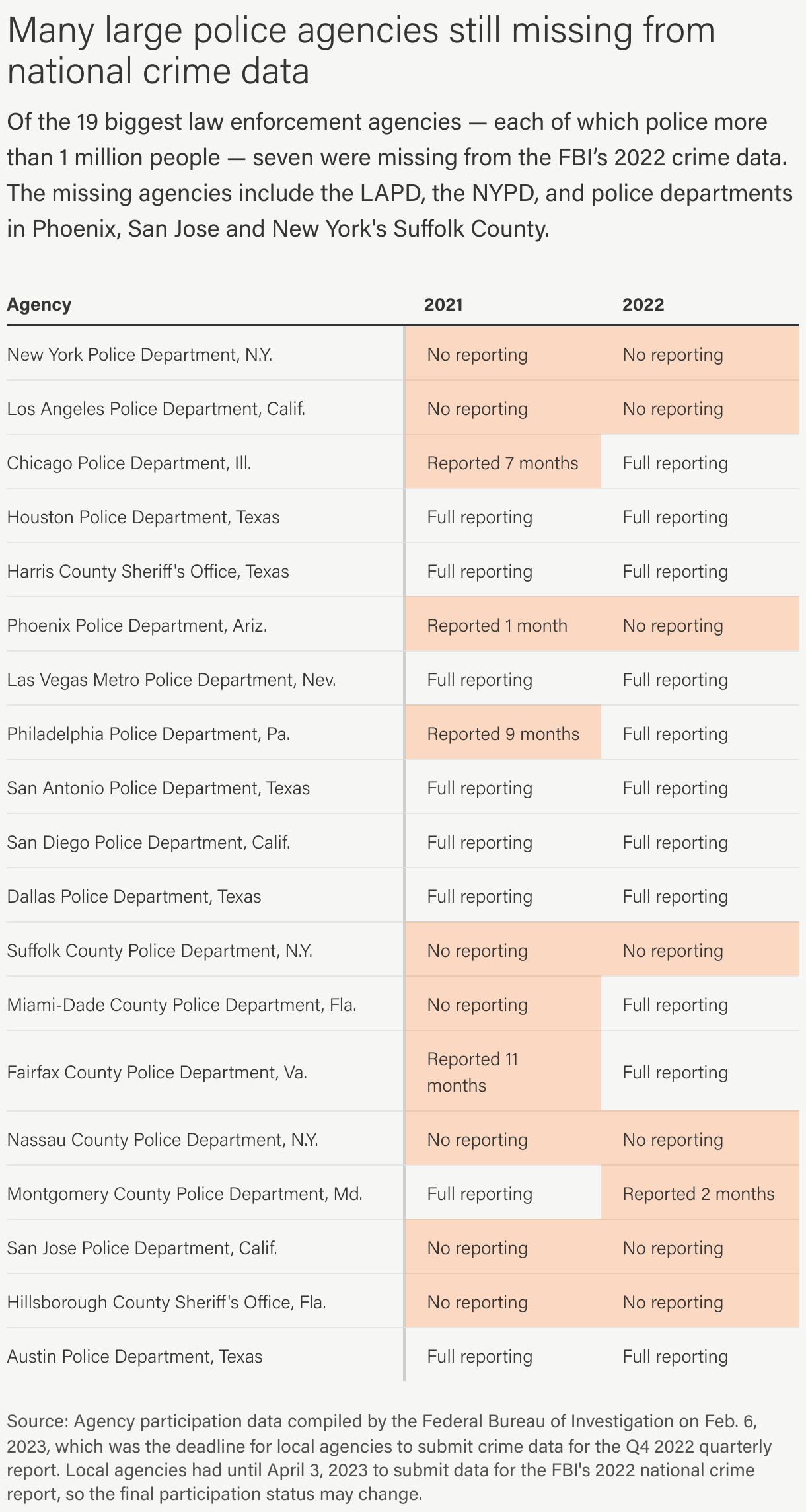
- Voluntary Participation Challenges: While federal incentives and grant structures have driven widespread adoption, agency reporting compliance varies annually, necessitating statistical estimation techniques by the Bureau of Justice Statistics (BJS) and the FBI to account for non-reporting jurisdictions.
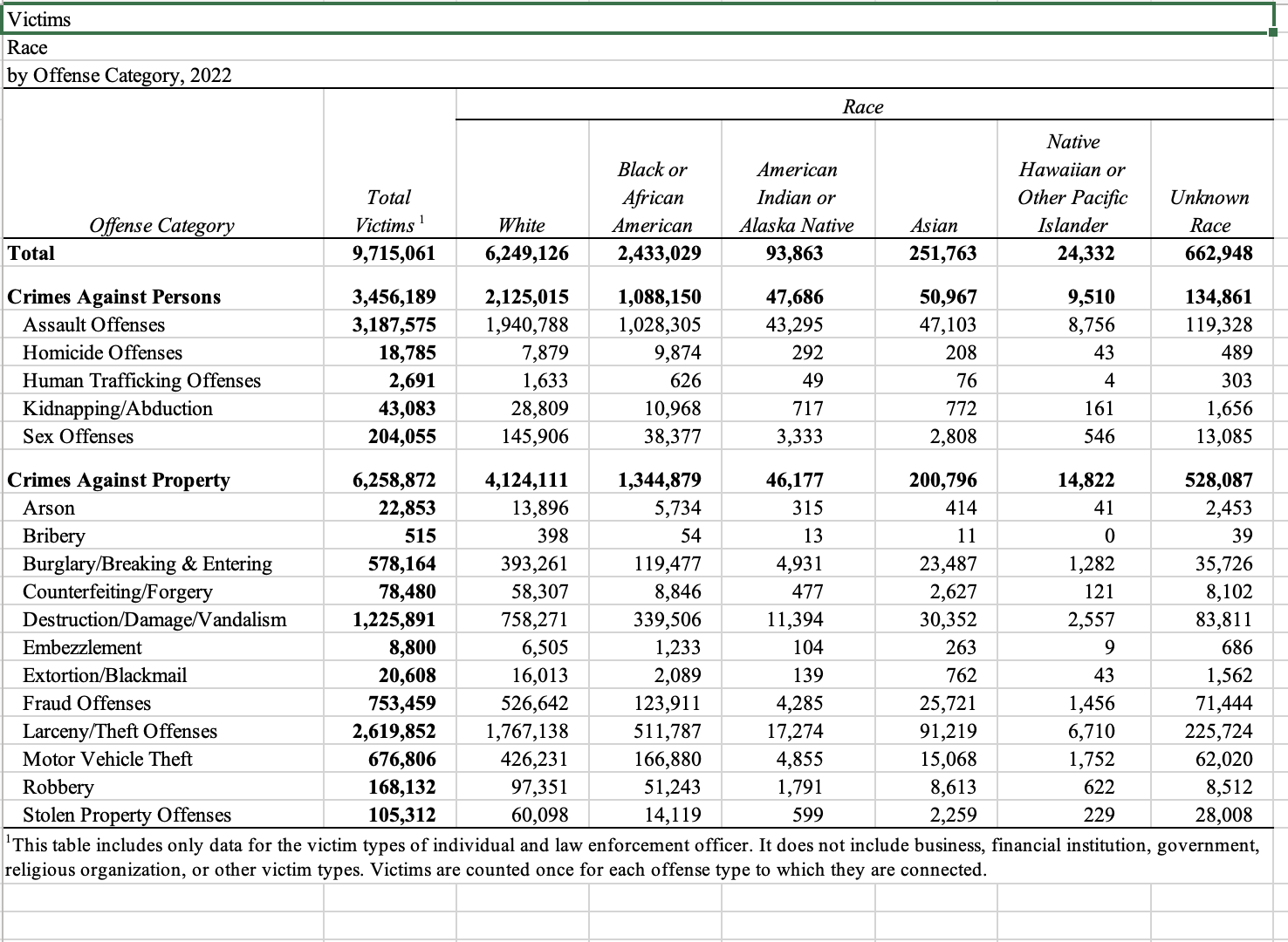
- Demographic Classifications: Standard federal demographic categorization aligns with Office of Management and Budget (OMB) standards, dividing race into categories such as American Indian or Alaska Native, Asian, Black or African American, and White, alongside classifications for ethnicity (Hispanic or Latino).
Understanding the Difference Between Arrest Data and Offender Estimates
A frequent source of misinterpretation in public discourse involves conflating arrest statistics with the total volume of committed crimes. Federal crime statistics by race generally reflect demographic data of individuals who have been arrested by law enforcement, rather than comprehensive counts of all offenders.
- Arrest Statistics vs. Offender Profiles: Arrest metrics represent law enforcement activity and apprehension outcomes. They are influenced heavily by policing strategies, resource allocation, and geographic patrol patterns.
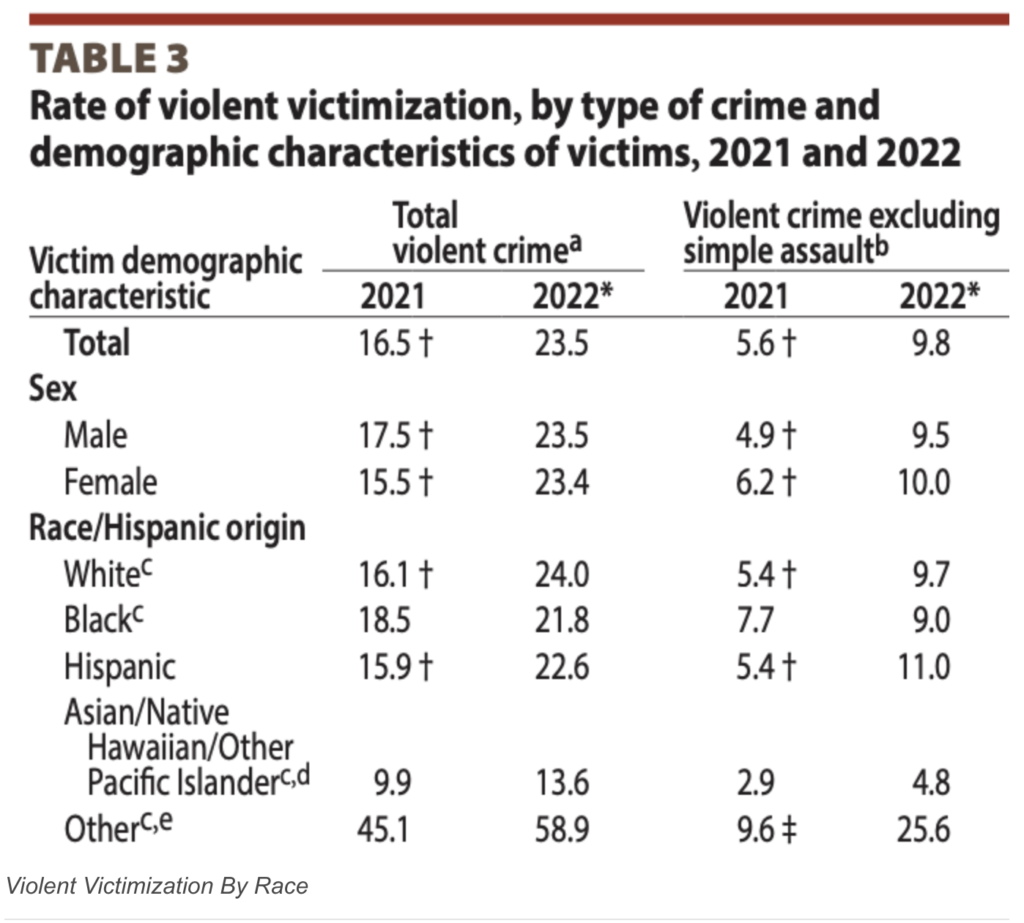
- Victimization Surveys as a Comparative Baseline: To cross-reference arrest data, researchers rely on the National Crime Victimization Survey (NCVS), administered by the U.S. Census Bureau for the Bureau of Justice Statistics. The NCVS surveys households directly to capture crimes both reported and not reported to police, providing an alternative demographic lens on violent crime victim and offender descriptions.
- The Dark Figure of Crime: Unreported offenses remain absent from both police administrative records and victimization surveys, highlighting the limitations inherent in attempting to quantify complex social phenomena through single-source metrics.
Comparative Overview of Federal Crime Data Sources
To evaluate how demographic variables are tracked, researchers analyze multiple federal instruments. Each system serves a distinct analytical purpose and operates under specific methodological constraints.
| Data Program | Primary Administrator | Core Focus | Demographic Tracking Method | Limitation |
|---|---|---|---|---|
| NIBRS | Federal Bureau of Investigation | Incident-level crime characteristics | Recorded via law enforcement observation and reporting during arrest or investigation. | Subject to agency non-reporting gaps and missing demographic fields. |
| NCVS | Bureau of Justice Statistics / U.S. Census Bureau | Self-reported victim experiences and perceived offender characteristics | Based on victim perception and reporting during randomized household interviews. | Excludes homicide, victimless crimes, and commercial crimes; relies on memory recall. |
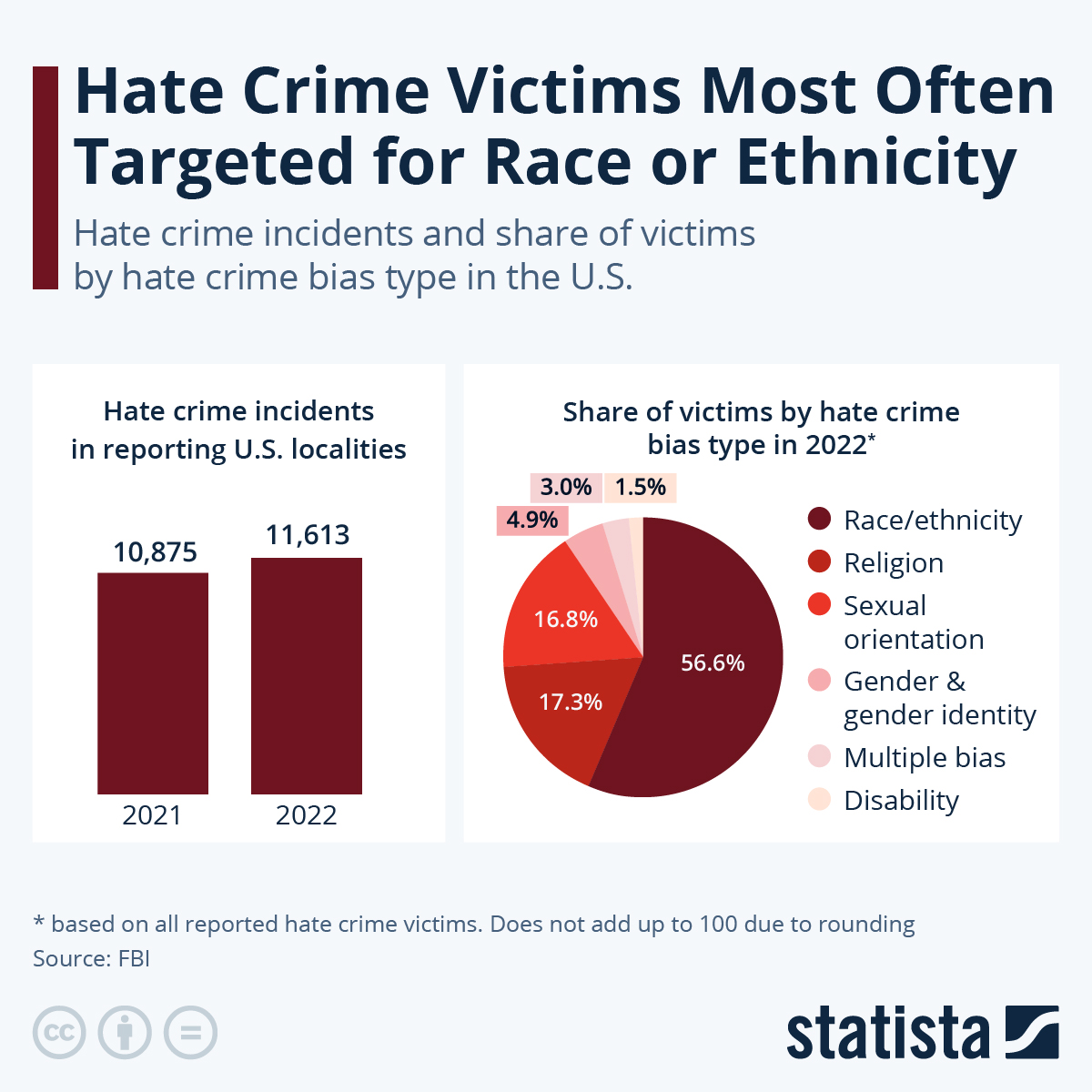
| Hate Crime Statistics | Federal Bureau of Investigation | Bias-motivated offenses | Documented based on law enforcement confirmation of bias motivation (racial, religious, etc.). | Relies entirely on police identification and reporting of bias motivation. |
Socioeconomic and Environmental Correlates
Criminological research consistently demonstrates that raw demographic breakdowns do not operate in a vacuum. Scholars emphasize that race itself is not a causal criminogenic factor; rather, statistical disparities correlate heavily with underlying structural conditions.
- Poverty and Economic Deprivation: Studies across decades link neighborhood-level economic disadvantage, high unemployment rates, and concentrated poverty to elevated rates of both property and violent crime, regardless of racial composition.
- Neighborhood Instability: Residential mobility, housing density, and community disinvestment weaken informal social controls, creating environments where criminal activity is more likely to proliferate.
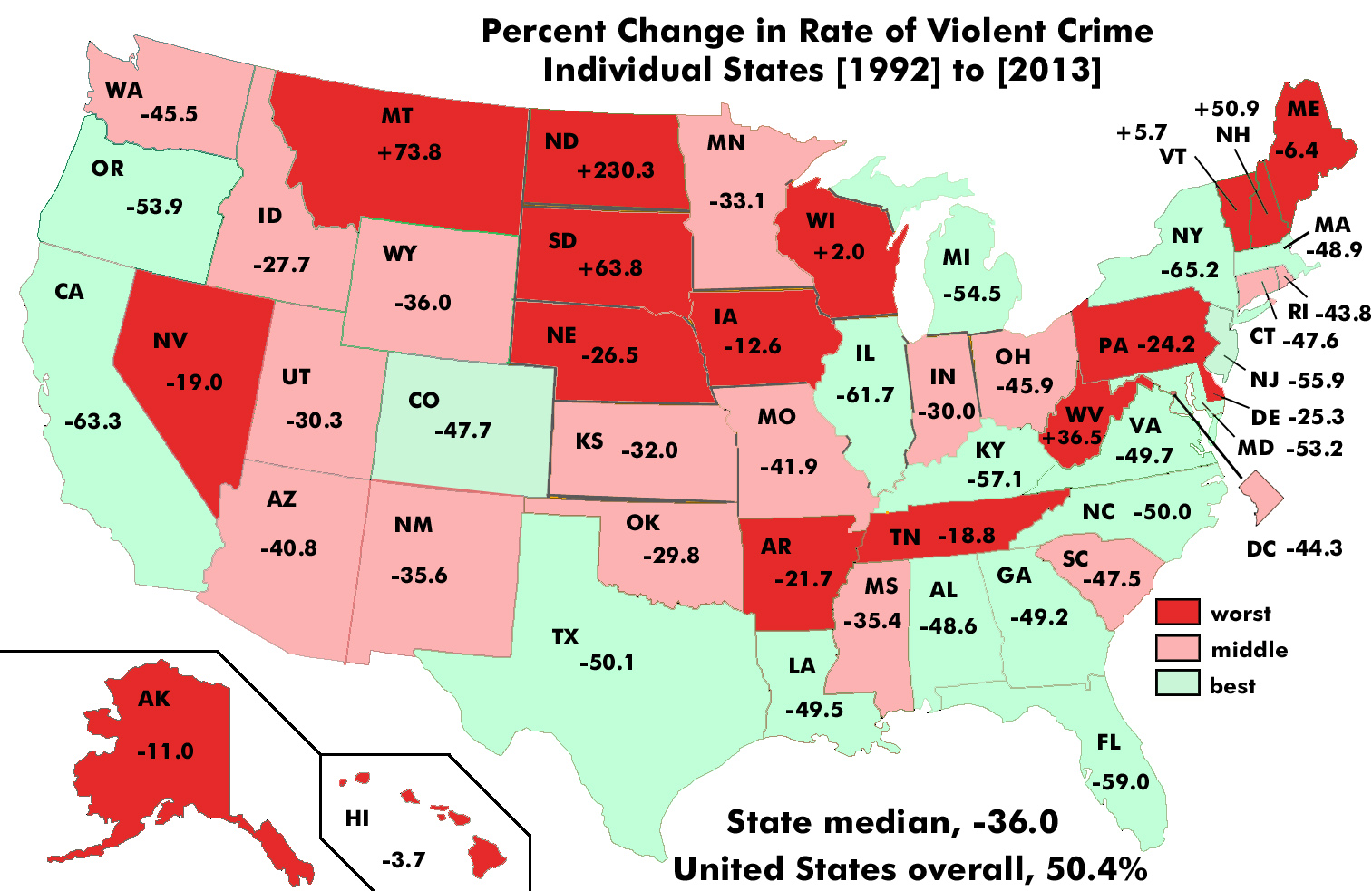
- Geographic Concentration: Crime is highly localized. Urban cores and specific census tracts often experience disproportionate crime volumes compared to suburban or rural sectors, intersecting with demographic residential patterns shaped by historical housing policies.
Methodological Limitations and Interpretation Guidelines
Analyzing race within federal crime datasets requires strict adherence to analytical best practices to prevent flawed conclusions or policy misapplications.
Key Analytical Considerations for Researchers
Law Enforcement Discretion: Arrest statistics measure the intersection of criminal behavior and police intervention practices, meaning high-patrol areas frequently yield higher recorded arrest rates regardless of underlying baseline crime rates.
Missing Data Variance: Not all arresting agencies successfully submit complete demographic profiles for every booking, requiring statistical imputation models that can introduce margins of error.
Categorical Limitations: Broad federal racial categories often obscure significant cultural, national origin, and socioeconomic diversity within aggregated groups.
Frequently Asked Questions
What do FBI crime statistics by race actually measure?
Federal crime statistics by race primarily measure demographic characteristics of individuals arrested by reporting law enforcement agencies or identified in incident reports, rather than a definitive census of all criminal behavior. These figures reflect law enforcement actions, reporting compliance, and regional enforcement priorities.
How does NIBRS improve demographic data collection compared to older systems?
NIBRS captures incident-level data for multiple offenses within a single criminal event, replacing the legacy UCR hierarchy rule. This allows agencies to record specific demographic details—including race, ethnicity, age, and relationship between victim and offender—for every distinct offense committed.
Why do arrest statistics differ from victimization survey results?
Arrest statistics rely on police reports and apprehensions, which are influenced by law enforcement deployment and reporting practices. Conversely, the National Crime Victimization Survey (NCVS) captures direct household reports of crimes, including those never reported to police, offering a different perspective on victim and perceived offender demographics.
Is race considered a direct cause of criminal behavior in federal studies?
Criminologists and federal analysts emphasize that race is a demographic variable rather than a causal mechanism. Statistical disparities in crime data correlate closely with mediating structural factors such as concentrated poverty, geographic location, local economic opportunity, and neighborhood stability.
Where can researchers access official and raw federal crime datasets?
Researchers can access raw data, annual summary reports, and interactive query tools through the FBI’s Crime Data Explorer (CDE) platform and the Bureau of Justice Statistics website, which provide comprehensive data tables and methodological documentation.
Maximizing Data Accuracy in Criminological Research
When utilizing federal crime statistics for academic research, policy design, or public reporting, analysts must cross-reference multiple data streams. Combining NIBRS administrative records with NCVS self-reported victimization data and localized socioeconomic indicators ensures a balanced, scientifically rigorous interpretation of crime trends and demographic variables. Reviewing official documentation from the Bureau of Justice Statistics and the FBI's Criminal Justice Information Services (CJIS) division remains essential for maintaining methodological integrity.
Image Gallery