The Complete Guide to LED Treatment at Home: Science, Safety, and Protocols in 2026
LED treatment at home involves using specialized devices that emit specific wavelengths of light—primarily red, blue, and near-infrared—to trigger cellular repair and address skin concerns like acne and aging. For effective results in...
LED treatment at home involves using specialized devices that emit specific wavelengths of light—primarily red, blue, and near-infrared—to trigger cellular repair and address skin concerns like acne and aging. For effective results in 2026, users must utilize FDA-cleared devices, maintain a consistent schedule, and follow specific protocols to ensure safety and biological efficacy.
Contents
The Science of Photobiomodulation
To understand how LED treatment at home functions, one must first grasp the concept of photobiomodulation (PBM). This is a non-thermal process where light energy is absorbed by chromophores (light-sensitive molecules) within the cells. In human skin, the primary chromophore for visible and near-infrared light is cytochrome c oxidase, an enzyme found in the mitochondria.
When the mitochondria absorb these specific photons, the process enhances the production of adenosine triphosphate (ATP), which serves as the energy currency of the cell. Increased ATP leads to accelerated cellular metabolism, improved DNA replication, and enhanced protein synthesis. For skincare applications, this translates to the stimulation of fibroblasts, the cells responsible for producing collagen and elastin.
Unlike lasers, which use heat to create "micro-injuries" that the body must then heal, LED therapy is a "cool" treatment. It does not cause damage to the tissue. Instead, it provides the cells with the energy needed to function at a higher capacity. By 2026, home devices have become significantly more efficient at delivering these wavelengths with precise irradiance (power density), making professional-grade results more accessible to the average consumer.
Wavelengths and Their Biological Impacts
Not all light is created equal. The efficacy of LED treatment at home depends entirely on the specific wavelengths used, measured in nanometers (nm). Different wavelengths penetrate the skin to different depths and interact with different biological structures.
Blue Light (415 nm)
Blue light is primarily used for treating acne vulgaris. It operates at a relatively shallow depth, reaching the sebaceous glands within the epidermis. The primary target is Cutibacterium acnes (formerly P. acnes), the bacteria responsible for inflammatory acne. These bacteria produce a chemical called porphyrin. When blue light hits porphyrins, it creates a photochemical reaction that produces singlet oxygen, which effectively destroys the bacteria from the inside out without damaging the surrounding skin.
Red Light (630–660 nm)
Red light is the gold standard for anti-aging and inflammation. It penetrates deeper than blue light, reaching the mid-to-deep dermis. Here, it stimulates fibroblast activity to increase collagen production. In 2026, clinical consensus remains that red light is highly effective for reducing the depth of fine lines, improving skin texture, and decreasing the downtime associated with more aggressive treatments like chemical peels or microneedling.
Near-Infrared Light (830–850 nm)
Near-infrared (NIR) is invisible to the human eye but penetrates the deepest—reaching the hypodermis and even muscle tissue. NIR is used for deep tissue repair, reduction of systemic inflammation, and the treatment of hyperpigmentation. It is often used in conjunction with red light to provide a comprehensive "layered" treatment that addresses both surface-level texture and deep-level structural integrity.
Comparison of Wavelength Efficacy
| Wavelength | Primary Target | Depth of Penetration | Core Clinical Benefit |
|---|---|---|---|
| 415 nm (Blue) | Porphyrins in bacteria | Epidermis (0.5 mm) | Destroys acne-causing bacteria |
| 590 nm (Yellow) | Hemoglobin/Blood vessels | Dermal-Epidermal Junction | Reduces redness and flushing |
| 633 nm (Red) | Cytochrome c oxidase | Mid-Dermis (2–3 mm) | Collagen synthesis; fine line reduction |
| 830 nm (NIR) | Mitochondria/Deep Tissue | Deep Dermis/Muscle (5–10 mm) | Accelerated healing; inflammation control |
Selecting the Right Home Device
By 2026, the market for home LED devices has matured, offering everything from flexible silicone masks to high-powered panels. However, not all devices are effective. To ensure you are investing in a product that actually works, you must look at specific technical specifications.
FDA Clearance and Safety Standards
The first step is verifying FDA clearance. This indicates that the manufacturer has proven the device is "substantially equivalent" to a legally marketed device in terms of safety and efficacy. Do not confuse "FDA Registered" with "FDA Cleared"; registration only means the company is on the FDA's list, whereas clearance means the product has undergone review for its specific health claims.
Irradiance and Fluence
The most critical technical factor is irradiance, measured in milliwatts per square centimeter (mW/cm²). Irradiance determines how many photons hit a specific area of your skin per second. If the irradiance is too low, the treatment will not reach the threshold required to trigger a biological response.
Fluence (or "dose") is the total energy delivered over time, measured in Joules per square centimeter (J/cm²). A quality home device should provide an irradiance between 30 mW/cm² and 100 mW/cm². If a manufacturer does not list their irradiance levels, it is often an indicator of a low-powered, ineffective device.
Mask vs. Panel vs. Wand
- LED Masks: These are popular because they ensure a consistent distance from the skin. Flexible silicone masks have become the standard in 2026 because they contour to the face, ensuring uniform light delivery.
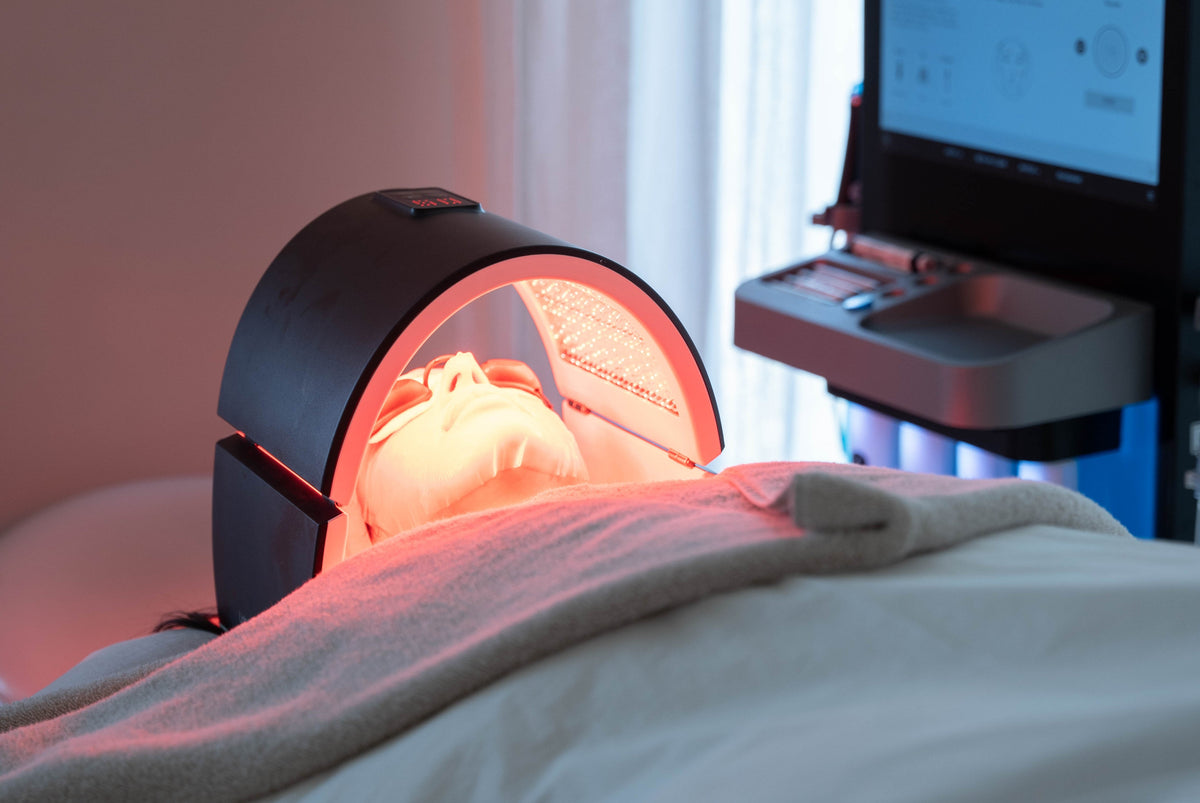
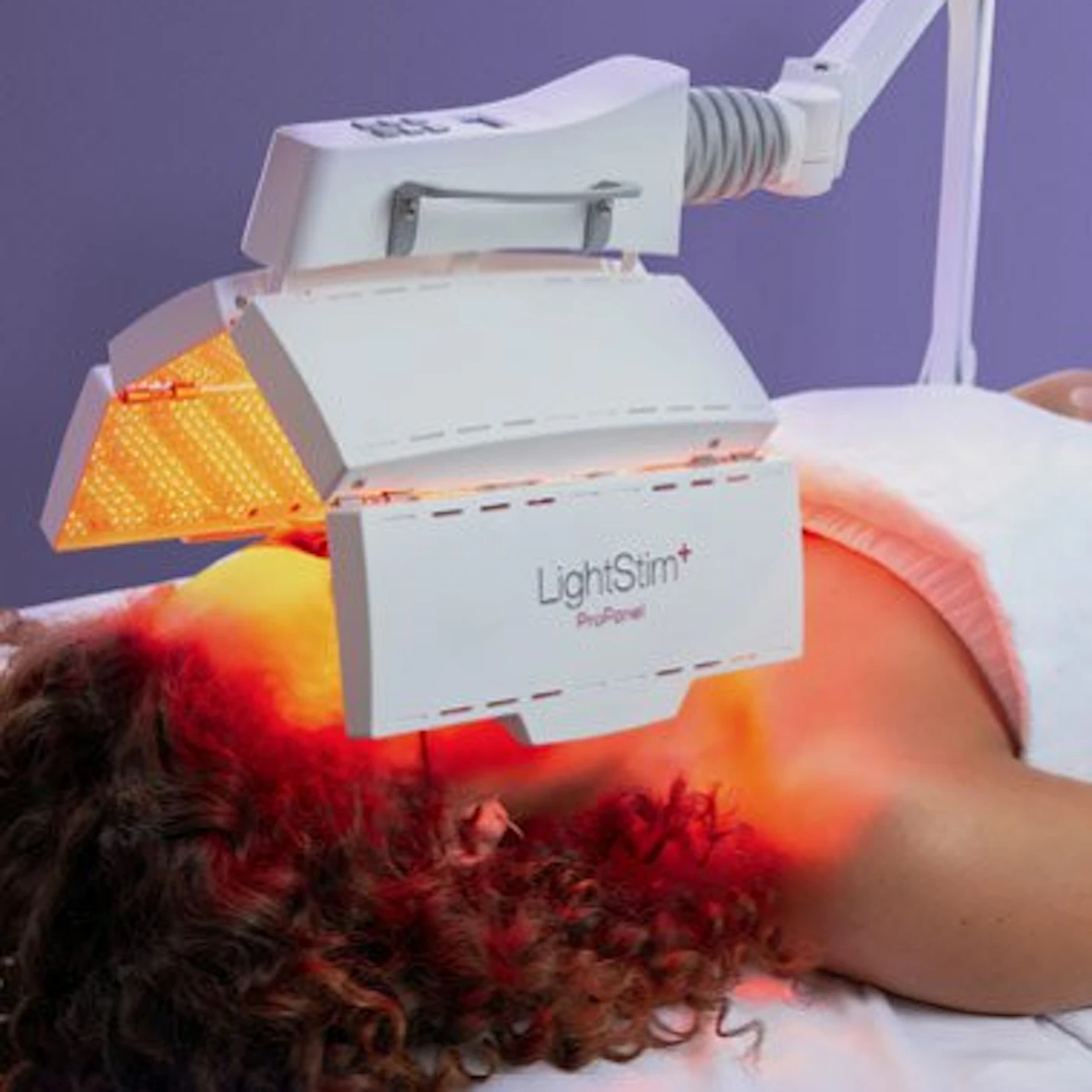
- Panels: These offer higher power and can treat larger areas (like the chest or back) but require the user to sit still at a specific distance (usually 6 to 12 inches) for the duration of the treatment.
- Wands: These are portable and good for spot treatments (like a single blemish), but they are generally less effective for full-face anti-aging due to the difficulty of maintaining consistent coverage and time.
Step-by-Step Home Treatment Protocol
To maximize the benefits of LED treatment at home, the skin must be prepared correctly, and the device must be used in a specific sequence.
- Cleanse Thoroughly: Begin with a clean, dry face. Any makeup, sunscreen, or heavy moisturizers can reflect or block the light, significantly reducing the treatment's efficacy. Avoid using products with physical exfoliants or high concentrations of active acids (AHAs/BHAs) immediately before treatment to prevent irritation.
- Protect the Eyes: Even if a device is FDA-cleared, the brightness of the LEDs can cause eye strain or discomfort. Always use the provided goggles or built-in eye shields, especially when using blue or NIR light.
- Positioning and Timing: If using a mask, ensure it is snug against the skin. If using a panel, maintain the manufacturer-recommended distance. Most effective treatments in 2026 require 10 to 20 minutes per session.
- Frequency: Consistency is more important than duration. For anti-aging, 3 to 5 times per week is the standard recommendation. For acne, daily use of blue light may be necessary during active breakouts, tapering off once the skin clears.
- Post-Treatment Actives: After the session, the skin's cellular activity is peaked. This is the optimal time to apply serums. Vitamin C or green tea extract can synergize with red light to further boost collagen production and antioxidant protection.
Safety, Risks, and Contraindications
While LED treatment at home is generally considered safe for all skin types (Fitzpatrick scales I-VI), there are important medical considerations.
Photosensitizing Medications
Certain medications make the skin hyper-reactive to light. If you are taking Isotretinoin (Accutane), certain antibiotics (like Tetracycline), or using topical Retin-A, consult a dermatologist before beginning LED therapy. These medications can increase the risk of redness or temporary hyperpigmentation when combined with high-intensity light.
Eye Health and Seizure Disorders
Individuals with a history of seizures or epilepsy triggered by light should avoid LED devices, particularly those with a "pulsing" mode. Additionally, while red light is sometimes used to treat certain retinal conditions under clinical supervision, home users should never look directly into the LEDs to avoid potential damage to the macula.
Thyroid Conditions
When treating the neck area with NIR or red light, individuals with thyroid disorders should exercise caution. Since light therapy can stimulate cellular activity, there is a theoretical risk of overstimulating the thyroid gland. Many practitioners recommend placing a physical shield (like a folded towel) over the thyroid area if using a large panel.
Home Treatment vs. Professional Office Visits
In 2026, the gap between home devices and professional office treatments has narrowed, but important differences remain regarding power and clinical oversight.
| Feature | Home LED Devices | Professional LED (In-Clinic) |
|---|---|---|
| Power Density | Moderate (30–60 mW/cm²) | High (100+ mW/cm²) |
| Session Length | 10–20 Minutes | 5–15 Minutes |
| Cost | One-time investment ($200–$600) | Per session ($50–$150) |
| Convenience | High (Anytime at home) | Low (Requires appointment) |
| Results Timeline | Cumulative (8–12 weeks) | Immediate (Faster initial response) |
Professional systems, such as those found in dermatologists' offices, utilize panels with thousands of diodes and sophisticated cooling systems that allow for much higher energy delivery in a shorter timeframe. However, the American Academy of Dermatology notes that for chronic conditions like aging or mild acne, the high frequency of home use can often match the results of sporadic professional visits over the long term.
Troubleshooting and Device Maintenance
To ensure your device remains effective throughout 2026 and beyond, proper maintenance is required.
- Sanitization: LED masks accumulate skin oils and bacteria. Clean the contact surface after every use with a 70% isopropyl alcohol wipe or a gentle, non-abrasive soap. Do not submerge electronic devices in water.
- Battery Calibration: If using a cordless mask, avoid letting the battery drain to 0% frequently. Modern lithium-ion batteries in 2026 devices perform best when kept between 20% and 80% charge.
- Diode Check: Occasionally turn the device on and look at it through a camera lens (which can often see infrared light as a pale purple glow). If multiple diodes are dark, the irradiance of the device is compromised, and it may need to be serviced or replaced.
Frequently Asked Questions
Can I use LED therapy every day?
Yes, most red and near-infrared devices are safe for daily use. However, there is a "plateau effect" where the skin can only absorb so much energy in a 24-hour period. Using the device for an hour instead of 20 minutes will not triple the results; it may actually cause slight irritation or dryness.
How long does it take to see results from home LED?
For acne, improvements in inflammation can often be seen within 2 to 3 weeks. For anti-aging concerns like fine lines and skin density, results typically manifest after 8 to 12 weeks of consistent use. This timeline reflects the natural cycle of collagen production and cellular turnover.
Does LED therapy work for hyperpigmentation?
Near-infrared (830 nm) and green light (525 nm) are the most effective wavelengths for hyperpigmentation. Red light can also help by reducing the underlying inflammation that triggers melanin production. However, it is essential to use high-quality FDA-cleared devices to ensure the light doesn't generate heat, which can paradoxically worsen conditions like melasma.
Can I use red light therapy over my makeup?
No. Makeup, specifically those containing zinc oxide or titanium dioxide (found in many foundations and sunscreens), acts as a physical barrier that reflects the light away from the skin. For the photons to reach the mitochondria, the skin surface must be completely bare.
Final Recommendation
For individuals looking to integrate LED treatment at home into their 2026 wellness routine, the most effective approach is to prioritize consistency over intensity. Select a flexible silicone mask with at least 60 mW/cm² irradiance that offers a combination of 633nm (Red) and 830nm (NIR) wavelengths. Start with three 10-minute sessions per week on clean skin, and gradually increase frequency as your skin builds tolerance. Always pair the treatment with a high-quality SPF during the day, as stimulated skin requires protection from UV-induced degradation of the newly formed collagen.
Image Gallery