Comprehensive Guide to Jail Inmate Lookups: Navigating Correction Records and Custody Status in 2026
A jail inmate lookup is a digital search process used to locate individuals currently detained in local city or county correctional facilities. This procedure helps family members, legal counsel, and the public track custody statuses,...
A jail inmate lookup is a digital search process used to locate individuals currently detained in local city or county correctional facilities. This procedure helps family members, legal counsel, and the public track custody statuses, verify booking details, and understand facility-specific visitation and bond procedures through official law enforcement databases.
Contents
Navigating the criminal justice system requires precise data and an understanding of how local, state, and federal confinement facilities manage public records. Whether you are locating a loved one following a sudden arrest or conducting a background check, knowing how to execute an accurate jail inmate lookup ensures you access reliable data while avoiding third-party data broker scams. This guide details the technical mechanisms, jurisdictional differences, and operational requirements governing inmate searches in 2026.
Understanding the Structure of Correctional Facilities
Before initiating an inmate search, you must identify the correct type of correctional facility holding the individual. The American penal system is fragmented across multiple jurisdictions, meaning a search tool designed for one level of government will not yield results for another.
County jails and city holding facilities process short-term detainees, individuals awaiting trial, and those serving misdemeanor sentences under one year. State prisons house convicted felons serving multi-year sentences, while federal penitentiaries hold individuals convicted of federal offenses.
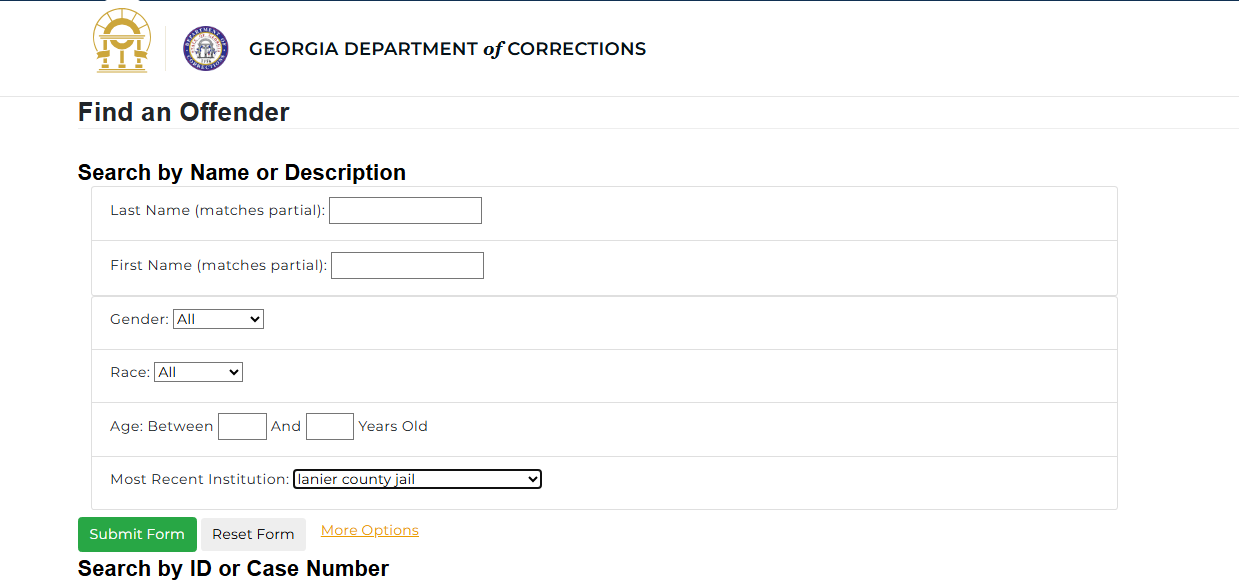
Jurisdictional Distinction: Local Jails vs. State Prisons Always verify the arresting agency. Individuals typically remain in local municipal holding cells for less than 48 hours before transfer to a county jail facility. If an inmate's court case concludes with a state sentence, their records transition from county jail management systems to the state department of corrections database.
Essential Data Points Required for an Effective Search
Conducting a successful lookup depends on the quality of the information you input into a law enforcement portal. Vague queries often return hundreds of false matches or system errors.
To optimize your search results, gather as many of the following identifiers as possible before accessing a jail roster:
- Full legal name, including middle names and potential suffixes (Jr., III)
- Date of birth or estimated age range
- Booking number or state identification number (SID) if known
- Date of arrest and the arresting law enforcement agency
- Race, gender, and physical descriptors used for identity verification
Step-by-Step Walkthrough: Executing a Jail Inmate Lookup
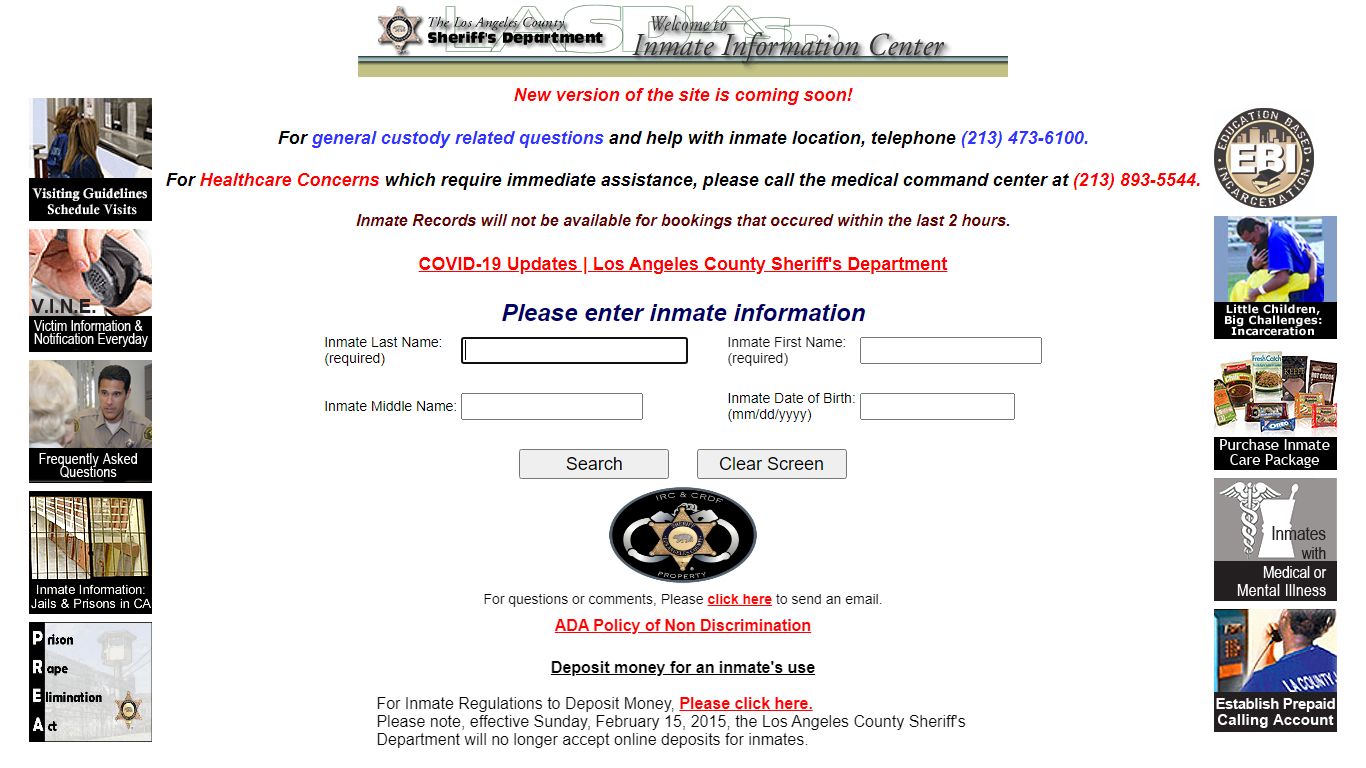
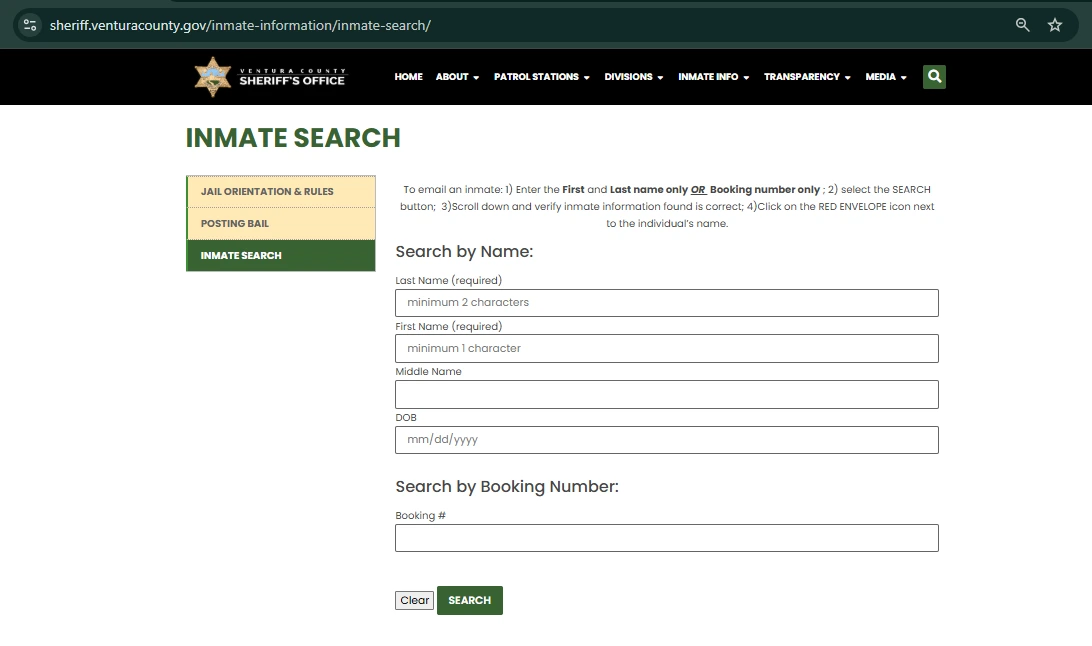
While user interfaces vary by jurisdiction, standard law enforcement portals follow a uniform workflow. Follow these steps to navigate a county sheriff's office database effectively:
- Identify the Proper County or Municipality: Locate the official website of the county sheriff's department or city police department where the arrest occurred. Ensure the URL ends in a secure government domain suffix (such as .gov) to guarantee authenticity.
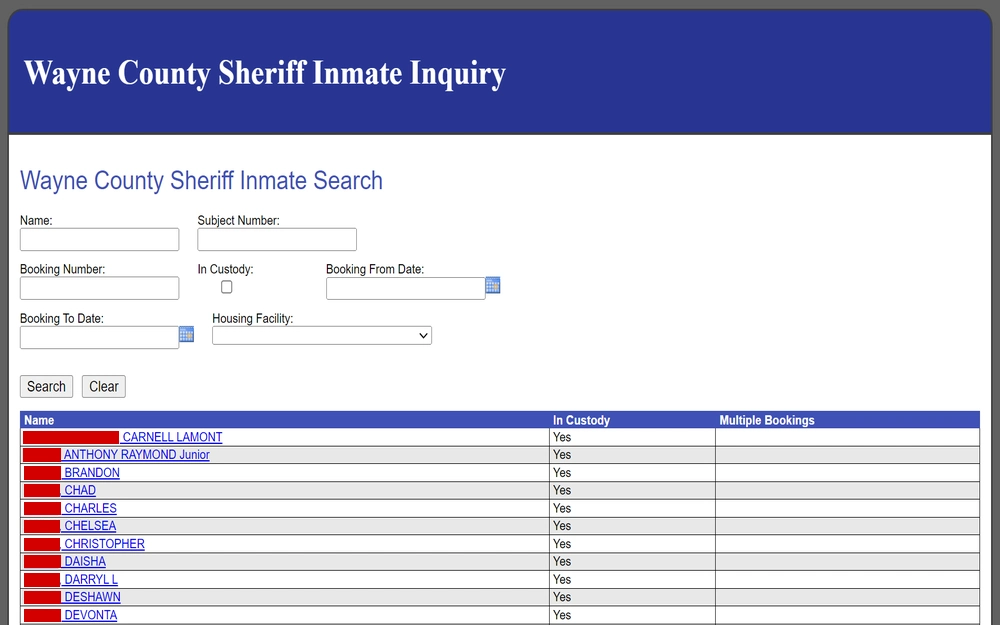
- Access the Inmate Search Portal: Navigate to the "Inmate Roster," "Daily Bookings," or "Jail Records" section of the website.
- Input Search Criteria: Enter the inmate's first and last name. If the database requires exact spelling, use wildcards (such as an asterisk) if the system permits to capture hyphenated or misspelled names.
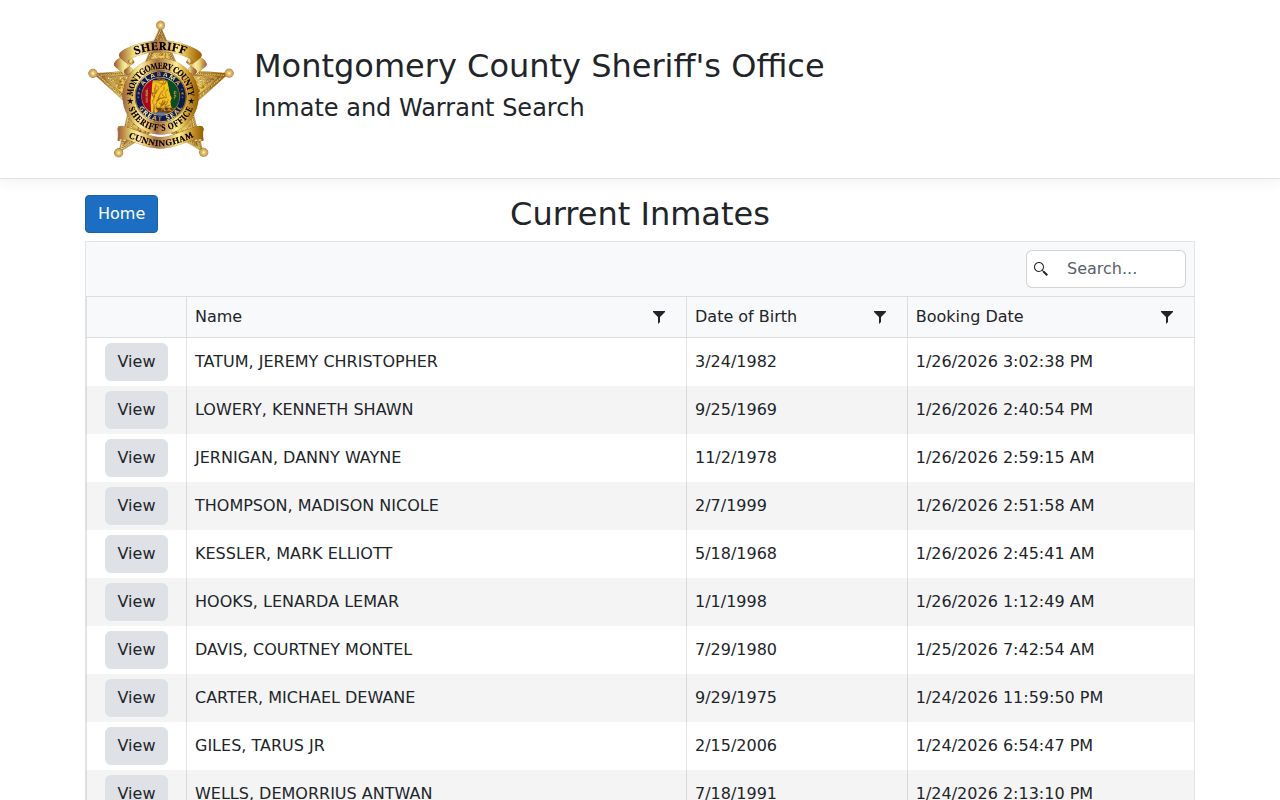
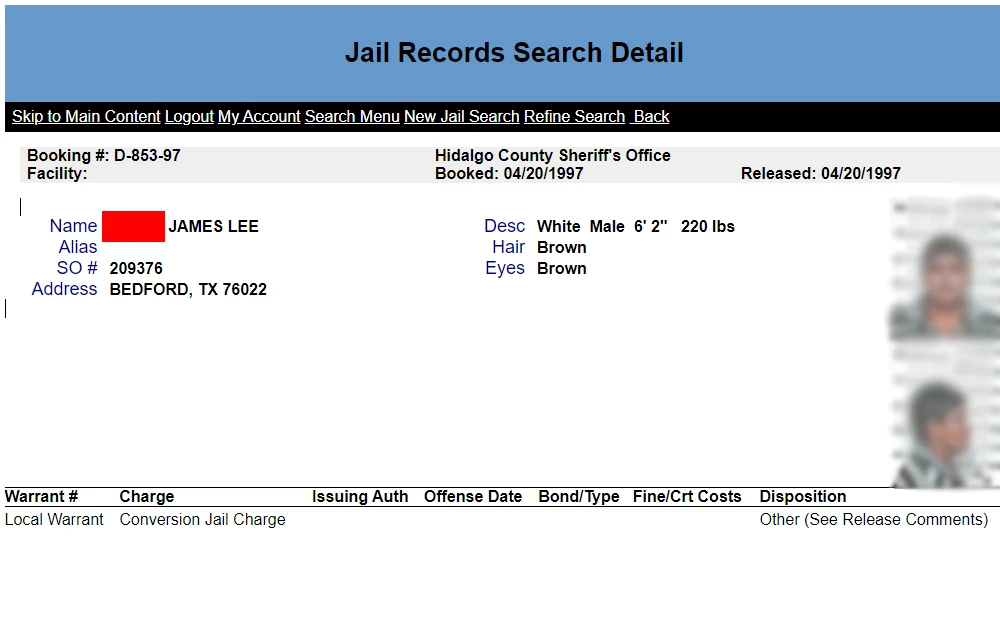
- Review Booking Details: Examine the returned profile for matching identifiers, including mugshots, physical descriptions, and booking photos.
- Analyze Charges and Bond Information: Review the specific penal code violations, bond amounts, bond types (cash, surety, or property), and upcoming court appearance dates.
Comparing Corrections Search Platforms
Different entities provide access to custody records, each with distinct advantages and limitations regarding cost, update frequency, and data accuracy.
| Platform Type | Cost to User | Update Frequency | Data Reliability | Primary Use Case |
|---|---|---|---|---|
| County Sheriff Databases | Free | Real-time or Hourly | High (Official Source) | Locating newly arrested individuals and checking bond amounts |
| State DOC Databases | Free | Daily | High (Official Source) | Tracking individuals transferred to state prison sentences |
| Federal VINE Systems | Free | Real-time | High (Official Source) | Receiving automated notifications regarding custody status changes |
| Third-Party Data Brokers | Paid / Subscription | Varies (Often outdated) | Low to Moderate | Broad background checks (Not recommended for immediate jail lookups) |
Financial and Operational Realities of Inmate Management
Once you locate an inmate using a lookup tool, navigating the operational rules of the facility becomes the next priority. Jails operate under strict administrative guidelines that dictate communication, financial transactions, and release procedures.
Posting Bail and Bond Options
Most jail inmate lookup tools display financial obligations required for pretrial release. Options typically include cash bonds, where the full amount must be paid in cash or cashier's check, and surety bonds, which involve hiring a licensed bail bondsman who charges a non-refundable percentage fee (typically 10% in most jurisdictions) to secure the defendant's release.
Commissary and Communication Accounts
Inmates rely on facility-approved trust accounts to purchase hygiene products, stationery, and food items. Families can deposit funds into these accounts using terminal kiosks in the jail lobby, official online payment processors contracted by the facility, or phone payment systems. Be aware that third-party financial processors routinely charge service fees for every transaction.
Common Pitfalls and Troubleshooting Inmate Searches
Searches frequently fail due to common user errors or administrative delays within the booking process. Review these troubleshooting strategies if your initial lookup yields no results:
- The 24-Hour Rule: Newly arrested individuals must undergo fingerprinting, medical screening, and administrative processing before appearing in public jail rosters. This process can take anywhere from 4 to 24 hours depending on facility backlog.
- Name Variations: Hispanic naming conventions often include maternal and paternal surnames, which can cause indexing discrepancies. Try searching using only the first name and the first few letters of the last name.
- Out-of-County Transfers: If an individual was arrested by state troopers or specialized task forces, they may have been transported to a central detention facility outside the immediate municipality where the arrest took place.
- Avoiding Predatory Websites: Avoid third-party websites that demand credit card information to view public jail rosters. Official county jail lookups are mandated by public records laws to be free of charge.
Frequently Asked Questions
Why is an inmate not showing up on the jail lookup tool?
Inmates may not appear immediately due to ongoing booking processing delays, typically lasting between 4 to 24 hours post-arrest. Additionally, the individual may have been transferred to another facility, released on their own recognizance (ROR), or booked under an alias or misspelled name.
Are jail inmate lookup records completely free to use?
Yes, official county sheriff, state department of corrections, and federal bureau of prisons inmate locators are entirely free for public use. Any website demanding a fee to view basic jail roster details is a private data broker and is not affiliated with law enforcement agencies.
How can I receive automated alerts if an inmate's status changes?
Many jurisdictions utilize automated notification networks such as VINE (Victim Information and Notification Everyday). These platforms allow family members and registered users to sign up for confidential phone or email alerts regarding transfers, court dates, or inmate releases.
What is the difference between a county jail and a state prison record?
County jail records reflect short-term custody, pre-trial detention, and misdemeanor sentences managed by local law enforcement. State prison records track convicted felons serving long-term sentences administered by the state department of corrections.
Can I look up juvenile inmate records online?
No. Federal and state privacy laws strictly protect the confidentiality of minors. Juvenile arrest and detention records are sealed from public jail lookup portals to protect the identity and rehabilitation of minors.
Conclusion and Next Steps
Executing a successful jail inmate lookup requires patience, accurate biographical data, and the use of verified government platforms. By targeting the correct municipal or county jurisdiction and understanding booking timelines, you can effectively track custody status, manage bond requirements, and coordinate communication or legal representation. Always rely on official sheriff and department of corrections portals to ensure data integrity and protect your personal information from unauthorized third-party services.
Image Gallery