Comprehensive Guide to Identifying and Rescuing Overcooked Pasta: 2026 Culinary Standards
Identifying signs of overcooked pasta involves observing a loss of structural integrity, a mushy or gummy texture, and a noticeably pale, translucent appearance. Overcooked pasta lacks the resistance of "al dente" (to the tooth) and of...
Identifying signs of overcooked pasta involves observing a loss of structural integrity, a mushy or gummy texture, and a noticeably pale, translucent appearance. Overcooked pasta lacks the resistance of "al dente" (to the tooth) and often breaks apart when handled with a fork or tongs. In 2026, culinary science emphasizes the breakdown of the gluten-protein matrix and starch gelatinization as the primary indicators of a failed boil.
Contents
The Scientific Basis of Overcooking: Starch and Protein Dynamics
To understand why pasta overcooks, one must examine the molecular structure of durum wheat semolina. Pasta is essentially a network of gluten proteins trapping starch granules. When pasta is submerged in boiling water, two simultaneous processes occur: the starch granules absorb water and swell (gelatinization), and the protein network denatures.
The Point of Equilibrium
In professional 2026 kitchen standards, the "perfect" cook is achieved when the starch in the very center of the pasta is hydrated but the protein structure remains firm. Once the cooking time exceeds the manufacturer’s recommendations—typically influenced by the specific protein content of the 2026 harvest—the protein network relaxes too much. This allows the starch granules to over-expand and eventually burst, leaking amylopectin into the water and leaving the pasta with a limp, shapeless consistency.
Primary Visual Signs of Overcooked Pasta
Visual cues are the first line of defense in the kitchen. Even before tasting, a trained eye can detect when a batch has crossed the threshold from tender to mushy.
- Bloated Dimensions: Overcooked pasta absorbs excess water, causing it to swell significantly beyond its original dry or even "al dente" size. This is particularly noticeable in tubular shapes like penne or rigatoni, where the walls appear thin and stretched.
- Color Transformation: Freshly cooked pasta should maintain a vibrant, creamy yellow hue. Overcooked pasta often takes on a pale, almost white, or semi-translucent appearance. This indicates that the starch has been over-hydrated and the light-reflecting properties of the dough have changed.
- Frayed or "Shaggy" Edges: Examine the ends of long strands or the ridges of shapes like fusilli. If the edges look ragged, fuzzy, or "shaggy," the outer layers of the pasta are literally dissolving into the cooking water.
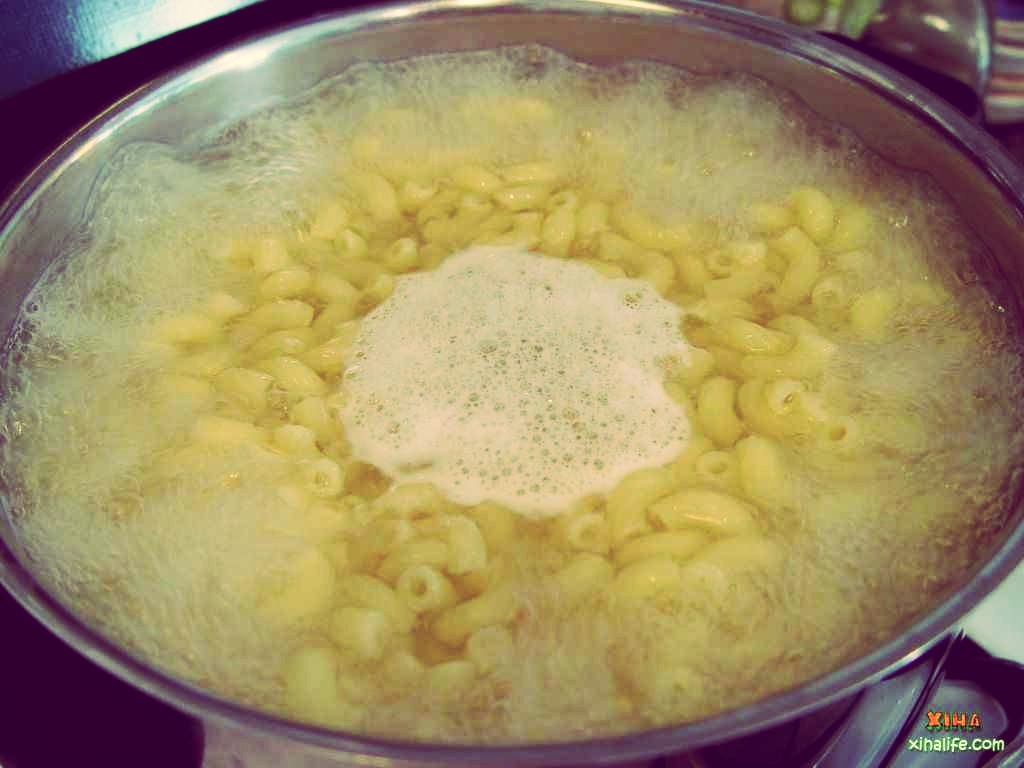
- Cloudy Cooking Water: While some cloudiness is expected due to starch release, excessively thick or "milky" water suggests that the structural components of the pasta are leaching out at an accelerated rate.
Textural and Sensory Indicators
The definitive test for overcooking is the sensory experience. Modern culinary metrics in 2026 categorize pasta texture into distinct phases of hydration.
- Loss of Resistance: When bitten, overcooked pasta offers no "snap" or resistance. It yields immediately to the pressure of the teeth, often feeling slimy or "mushy" on the tongue.
- Gummy Consistency: As the starch granules burst, the exterior of the pasta becomes coated in a sticky film. This makes the pasta clump together into a singular mass, a phenomenon known in technical circles as "macaroni agglutination."
- Bland Flavor Profile: Interestingly, overcooking can dilute the natural nutty flavor of the semolina. The excess water absorption masks the complex carbohydrate notes, leaving the pasta tasting watery and insipid.
Technical Comparison: Pasta Cooking States
The following table outlines the physical and chemical differences between the three primary states of cooked pasta as defined by current 2026 food science benchmarks.
| Feature | Al Dente (The Standard) | Fully Tender | Overcooked (Mushy) |
|---|---|---|---|
| Core Structure | Visible white "anima" (soul) at center | Uniformly hydrated throughout | Collapsed protein matrix |
| Bite/Resistance | Firm, requires active chewing | Soft but holds shape | Mushy, melts away |
| Surface Texture | Slightly rough, holds sauce well | Smooth | Slimy and sticky |
| Volume Increase | Approx. 2x original size | Approx. 2.2x original size | 2.5x or greater |
| Starch Retention | High (mostly internal) | Moderate | Low (leached into water) |
| Elasticity | High (strands spring back) | Moderate | Low (strands snap or sag) |
Impact of Shape and Material on Overcooking Rates
Not all pasta reacts to heat in the same manner. The surface-area-to-volume ratio dictates how quickly "signs of overcooking" will manifest.
- Thin Strands (Angel Hair/Capellini): These are the most volatile. The window between perfect and overcooked is often less than 30 seconds. Signs include "matting," where the strands form a dense, inseparable block.
- Large Shapes (Lasagna/Jumbo Shells): These often overcook on the edges while remaining firm in the center. The sign here is "curling" or tearing at the thin extremities.
- Gluten-Free Varieties (Rice/Corn/Chickpea): In 2026, gluten-free technology has advanced, but these pastas are still prone to "disintegration." Unlike wheat pasta, which gets mushy, gluten-free pasta may simply crumble into the water if overcooked by even a minute.
The Carryover Cooking Effect: A Common Technical Oversight
A frequent mistake leading to overcooked pasta is failing to account for "carryover cooking." When pasta is drained, it retains significant latent heat. If it is not immediately shocked in cold water (only recommended for pasta salads) or tossed with a cool sauce, the internal moisture continues to hydrate the starch.
To avoid this, professional 2026 guidelines suggest pulling pasta from the water approximately 60 to 90 seconds before it reaches the desired final texture. This is especially critical if the pasta is destined for a "padella" (pan) finish, where it will cook further in a simmering sauce.
Strategic Remedies: How to Save Overcooked Pasta
If you identify the signs of overcooking too late, all is not lost. While you cannot restore the "al dente" bite, you can repurpose the pasta to minimize the negative sensory impact.
Professional Recovery Methods
The Sauté Technique: Drain the pasta immediately and rinse with cold water to stop the cooking process. Sauté the pasta in a pan with butter or olive oil over high heat. The goal is to create a slight "crust" or "crisp" on the exterior, which provides a textural contrast to the soft interior.
The Baked Dish Pivot: Overcooked pasta is ideal for "al forno" (baked) dishes like mac and cheese or pasta bakes. The dry heat of the oven evaporates some of the excess moisture, while the addition of breadcrumbs and melted cheese provides the structural integrity the pasta itself lacks.
The Frittata Integration: Chop the overcooked pasta and incorporate it into an egg-based frittata. The eggs act as a new structural matrix, effectively hiding the mushy texture of the noodles.
Frequently Asked Questions (FAQ)
Does overcooked pasta have a higher glycemic index? Yes, overcooked pasta typically has a higher glycemic index because the over-gelatinized starch is more easily and rapidly broken down into glucose by digestive enzymes. This leads to a faster spike in blood sugar compared to pasta cooked "al dente."
Why does overcooked pasta get sticky? Pasta becomes sticky when the starch granules (specifically amylose and amylopectin) burst and coat the surface of the noodle. This creates a natural glue-like substance that causes the strands to adhere to one another.
Can you fix mushy pasta by putting it in the fridge? While refrigeration will firm up the pasta through a process called starch retrogradation, it will not restore the original "al dente" texture. The pasta will feel firmer when cold, but once reheated, the structural collapse of the protein network remains evident.
Does rinsing pasta under cold water prevent it from getting overcooked? Rinsing stops the cooking process immediately by removing latent heat and washing away excess surface starch. However, if the pasta is already overcooked, rinsing will only prevent it from getting worse; it cannot reverse the damage already done to the internal structure.
How do 2026 high-protein pastas handle overcooking? Modern 2026 high-protein pastas (often supplemented with pea protein or lupin) are generally more resilient to overcooking than traditional semolina pasta. The reinforced protein matrix requires more thermal energy and time to break down, providing a wider "safety window" for the cook.
Practical Recommendations for Perfect Pasta
To ensure your pasta never reaches the "overcooked" stage, adopt a rigorous monitoring protocol. Start testing for doneness two minutes before the package's lowest estimated cooking time. Use a timer religiously, as even a 45-second distraction can be the difference between a premium meal and a culinary failure. Always reserve a cup of starchy pasta water before draining; if your pasta is slightly undercooked, finishing it in the sauce with this water will allow it to reach the perfect consistency without the risk of over-hydration.
Image Gallery