Choosing the Best Men's Workout Shoes for Your Training Style
Choosing the best men's workout shoes requires matching your footwear's technical specifications—such as drop, cushioning, outsole grip, and upper stability—to your primary training modality, whether that is heavy weightlifting, high-i...
Choosing the best men's workout shoes requires matching your footwear's technical specifications—such as drop, cushioning, outsole grip, and upper stability—to your primary training modality, whether that is heavy weightlifting, high-intensity interval training, or long-distance running.
Contents
Finding the right pair of workout shoes can dramatically influence your athletic performance, comfort, and injury prevention metrics. Because modern fitness routines often combine multiple disciplines, the footwear market has evolved to cater to specialized demands. A shoe engineered for a marathon will actively hinder your performance during heavy squats or deadlifts, just as a rigid weightlifting shoe will cause discomfort and fatigue on a multi-mile run. Understanding how different structural elements interact with your biomechanics is the foundation of selecting the proper pair for your specific fitness regimen.
Understanding Your Training Modality and Footwear Demands
The primary driver behind choosing workout shoes is your training style. Fitness regimens are rarely monolithic; most gym-goers engage in a hybrid mix of strength training, conditioning, and agility work. However, identifying your primary activity helps isolate the non-negotiable features you need in a shoe.
Lifting weights requires stability, minimal compression under load, and a wide, flat base to maximize ground contact. Conversely, running requires impact absorption, energy return, and flexibility through the forefoot. Agility-focused training, such as CrossFit or general circuit training, demands a hybrid approach: lateral support to prevent foot roll during side-to-side movements, durability for rope climbs, and enough forefoot flexibility for box jumps and short sprints.
Failing to match the shoe to the modality often leads to compromised biomechanics. For instance, running shoes feature thick, spongy foam midsoles that act as shock absorbers. While beneficial for repetitive linear impact, this cushioning creates an unstable platform during a heavy barbell squat, shifting your center of gravity and forcing stabilizing muscles to overcompensate.
Key Technical Specifications of Workout Shoes
To make an informed purchase, you must look past marketing terms and evaluate the physical components of the shoe. Each element plays a direct role in how the shoe performs under various physical stresses.
Drop (Heel-to-Toe Offset)
The drop refers to the height difference between the heel and the forefoot, measured in millimeters.
- High Drop (8mm to 12mm+): Common in traditional running shoes, this encourages a heel strike and relieves tension on the Achilles tendon and calves.
- Low-to-Zero Drop (0mm to 4mm): Preferred for minimalist training, CrossFit, and weightlifting. A lower drop places the foot in a more natural, flat position, improving proprioception and balance during multi-directional movements.
Midsole Composition and Density
Midsoles are typically constructed from EVA (ethylene-vinyl acetate) foam, polyurethane, or specialized proprietary compounds.
- Soft Midsoles: Excellent for shock absorption during high-impact running or plyometrics.
- Firm Midsoles: Essential for cross-training and lifting, as they prevent the foot from sinking or wobbling when under heavy external loads.
Outsole Traction and Rubber Compound
The outsole dictates how well the shoe grips various gym surfaces, from rubber flooring to polished turf. Look for zoned rubber placement that offers high-friction grip in high-wear areas like the forefoot and heel, alongside multidirectional tread patterns for lateral stability.
Upper Construction and Durability
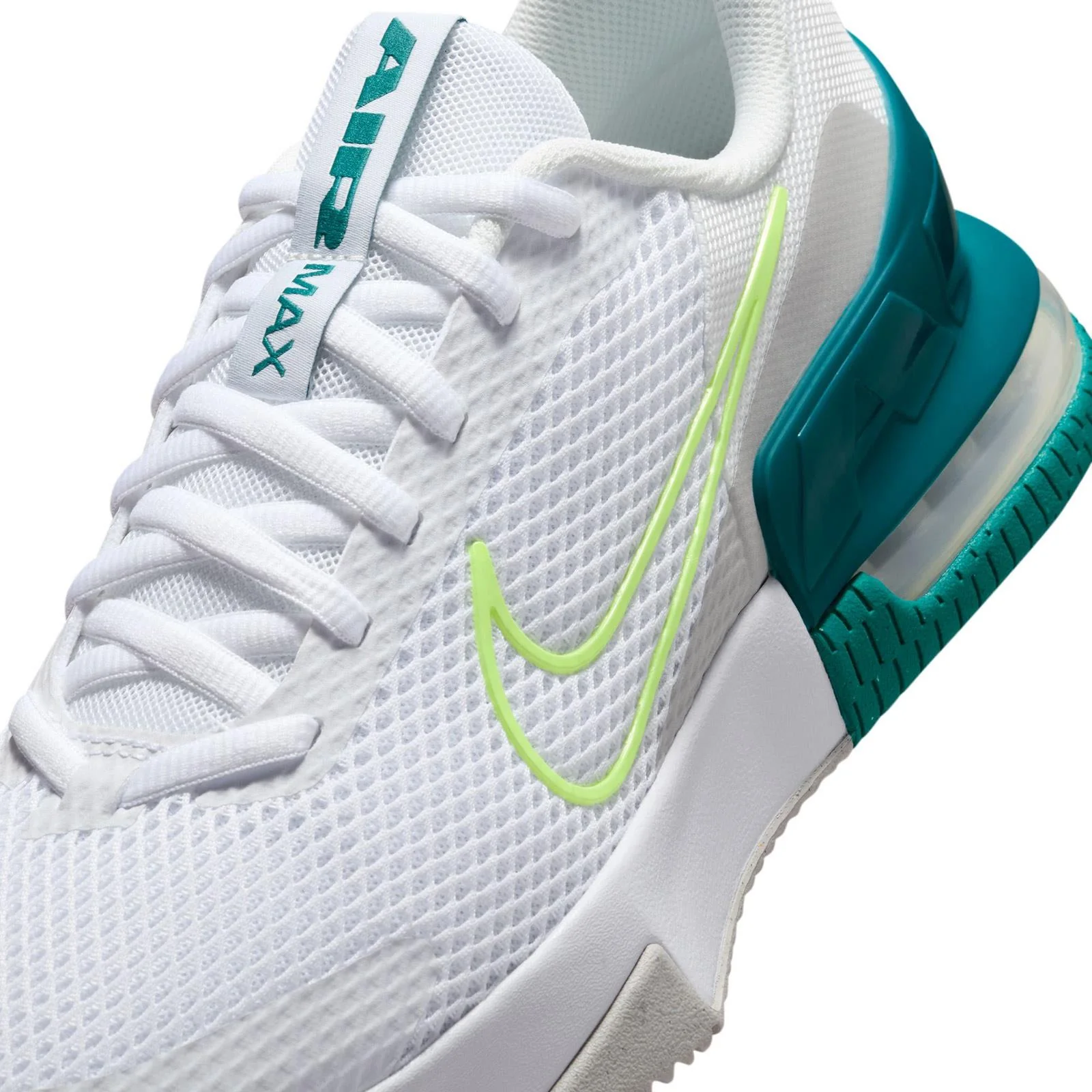
The upper material encases your foot. Mesh uppers provide breathability for cardio-heavy sessions, while reinforced synthetics, TPU overlays, and lateral cage systems offer the structural containment necessary for lateral movements and rope climbs.
Categorizing Men's Training Footwear
Different shoes serve distinct functional roles in a comprehensive fitness program. Reviewing the core categories clarifies which design matches your exact routine.
| Shoe Category | Primary Use | Key Characteristics | Ideal For |
|---|---|---|---|
| Cross-Trainers | Versatile gym workouts, HIIT, circuit training | Flat, stable base, durable uppers, moderate cushioning | CrossFit, general conditioning, bootcamps |
| Weightlifting Shoes | Heavy squats, Olympic lifts | Elevated wooden or hard-plastic heel, rigid sole, metatarsal strap | Powerlifting, clean and jerks, snatches |
| Running Shoes | Road running, treadmill sessions, endurance cardio | Thick foam cushioning, flexible forefoot, high drop | Distance running, jogging, treadmill intervals |
| Minimalist / Barefoot Shoes | Natural movement, functional fitness, light lifting | Zero drop, wide toe box, very thin sole | Calisthenics, barefoot-style running, mobility work |
Cross-Trainers: The All-Around Performers
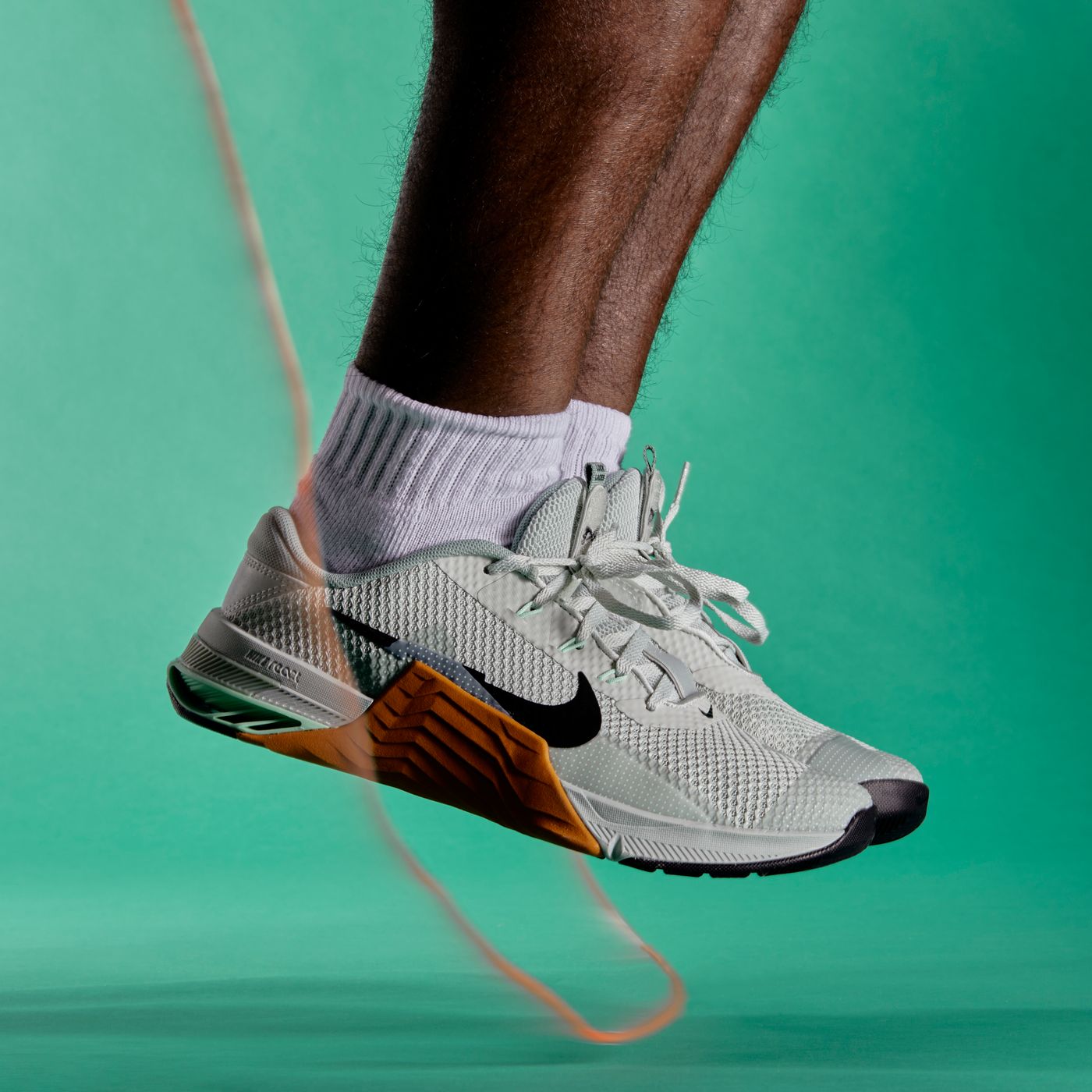
Cross-trainers are designed to handle the unpredictable nature of modern gym sessions. If your workout involves a warm-up jog, followed by kettlebell swings, box jumps, and dumbbell lunges, a cross-trainer is your best option. These shoes feature a wider, flatter base than running shoes to keep you stable during loaded movements, combined with enough forefoot flexibility to handle dynamic, multi-directional exercises. Brands engineer these models with reinforced sidewalls to resist the friction caused by lateral cuts and rope climbs.
Weightlifting Shoes: Specialized Stability
For serious strength athletes focusing on powerlifting or Olympic weightlifting, dedicated lifting shoes are indispensable. The defining feature of a weightlifting shoe is its raised, incompressible heel (typically ranging from 0.5 to 1.0 inch). This elevation alters your biomechanics, allowing you to achieve a deeper squat torso uprightness without putting excessive stress on your ankle mobility. The sole is completely rigid, ensuring that every ounce of force you generate goes directly into driving the floor away, rather than being absorbed by compressible foam.
Running Shoes: Linear Efficiency
Running shoes are engineered for one primary purpose: forward propulsion and impact mitigation. The thick, responsive midsoles absorb the ground reaction forces generated when running miles on pavement or treadmills. However, their high stack height and soft cushioning make them entirely unsuitable for heavy barbell work or lateral agility drills, as the unstable platform increases the risk of ankle roll.
Common Mistakes When Buying Workout Shoes
Navigating the athletic footwear market can be confusing, and shoppers frequently make avoidable errors that compromise their comfort and training efficiency.
- Buying a "One-Size-Fits-All" Shoe for Specialized Goals: While cross-trainers are versatile, they cannot replace a dedicated running shoe for a 10K, nor can they match the stability of a specialized lifting shoe for a 500-pound squat. Assess your routine honestly; if you split your time equally between heavy lifting and long-distance running, owning two distinct pairs of shoes is necessary.
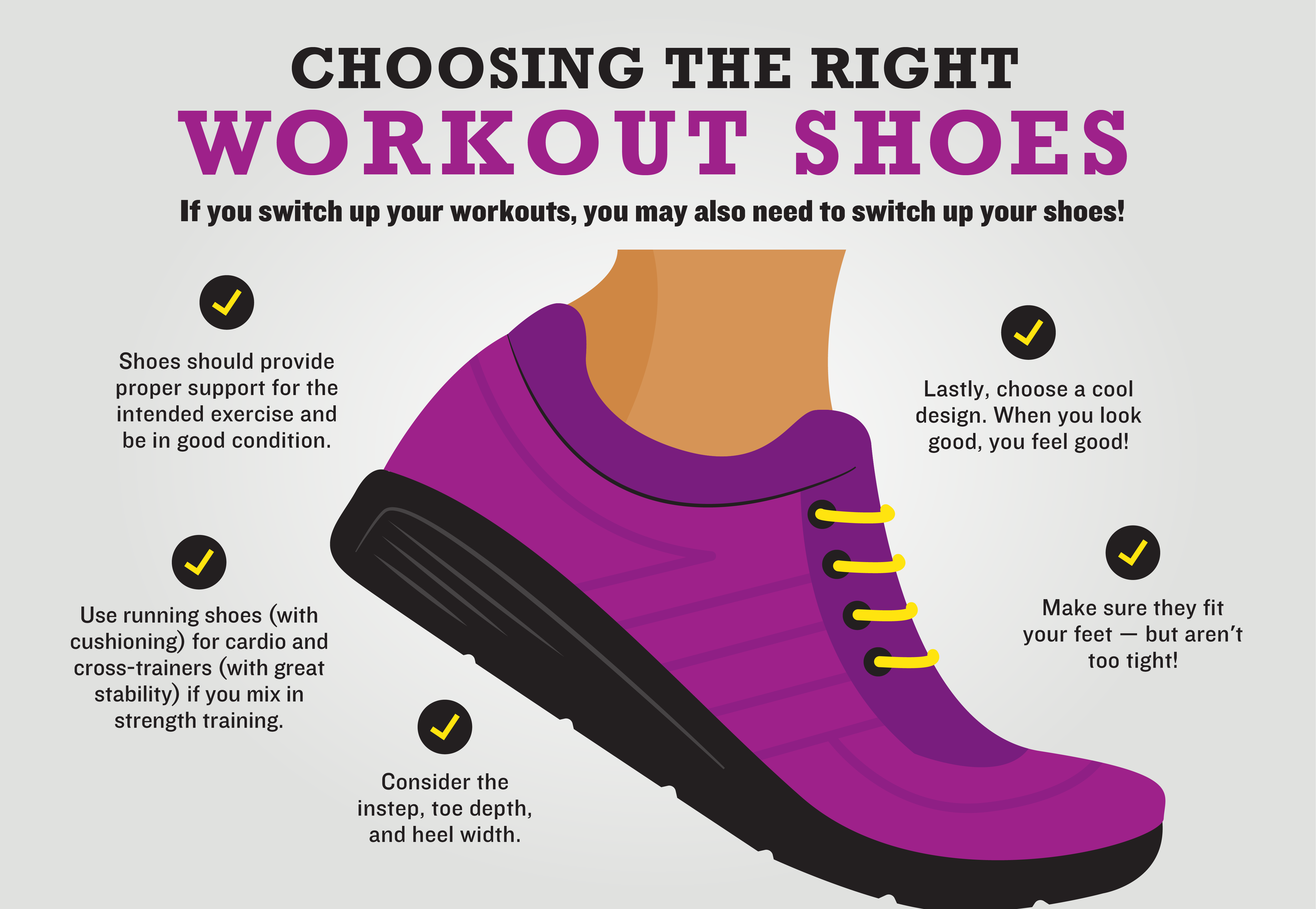
- Neglecting Toe Box Width: Many modern shoes feature a tapered toe box that compresses the toes together. A constricted forefoot prevents your toes from splaying naturally, which diminishes your foot's innate stability and balance. Look for anatomical or extra-wide toe boxes if you feel pinched during lateral movements.
- Ignoring Sizing Nuances for Training Styles: Running shoes are frequently purchased a half-size up to account for foot swelling during long efforts. Cross-trainers and lifting shoes, however, generally require a snug, locked-in fit to prevent the foot from sliding laterally inside the shoe during dynamic cuts or heavy loads.
Fitting and Maintenance Guidance
Once you select the appropriate category and model, proper fitting and upkeep maximize the lifespan of your investment.
How to Test Fit
Always try on workout shoes later in the day, as your feet naturally swell throughout waking hours and physical activity. Wear the exact type of socks you intend to use during your workouts. Ensure there is roughly a thumb's width of space between your longest toe and the front of the shoe. Perform a few bodyweight squats, lateral shuffles, and a light jog in the store or at home to check for heel slippage or pinching across the midfoot.
Maintenance and Lifespan
Workout shoes degrade due to both physical wear and structural breakdown of the midsole foam. Running shoes typically lose their shock-absorption capabilities after 300 to 500 miles of use. Cross-trainers and lifting shoes generally last longer because their midsoles are firmer and less prone to compression fatigue, though external wear on the uppers and outsoles will dictate when they need replacement. To extend their lifespan, air out your shoes after sweaty sessions, avoid machine washing or drying them (which breaks down glues and foam integrity), and keep them out of prolonged direct sunlight in hot environments.
Frequently Asked Questions
Can I run long distances in cross-training shoes?
While you can comfortably complete short treadmill warm-ups or sprints in cross-trainers, they lack the specialized cushioning and energy return required for long-distance road running. Using cross-trainers for high-mileage running can lead to increased impact stress on your joints due to their firmer, flatter midsoles.
Why do weightlifting shoes have raised heels?
The elevated heel compensates for limited ankle mobility, allowing you to squat deeper while keeping your torso more upright. This positioning places the load more evenly across your quads and hips, optimizing biomechanics for deep squats and Olympic lifts.
Are minimalist shoes good for the gym?
Minimalist or zero-drop shoes are excellent for functional fitness, calisthenics, and general weightlifting because they promote natural foot mechanics and provide maximum proprioceptive feedback from the floor. However, they require an adaptation period if you are used to heavily cushioned footwear, as they place more demand on your calves and Achilles tendons.
How often should I replace my gym shoes?
The replacement timeline depends on your training volume. If you use your shoes three to four times a week for mixed gym sessions, inspect them every 9 to 12 months for worn-out outsoles, compromised lateral support, or flattened midsoles. Running shoes should be tracked by mileage, typically replaced every 300 to 500 miles.
Should I wear different shoes for upper body and lower body days?
Most dedicated gym-goers who engage in hybrid training wear versatile cross-trainers for upper-body days and general workouts. On heavy leg days, many athletes switch to specialized flat-soled shoes (like wrestling shoes or canvas trainers) or elevated weightlifting shoes depending on whether they are pulling (deadlifts) or pushing (squats).
Image Gallery