The Reality of Finding a Black Sand Beach in Ireland: Top Locations and Geology
While Ireland does not possess true volcanic black sand beaches similar to those found in Iceland or Hawaii, several locations across the island feature strikingly dark grey shingle, charcoal-colored sediment, and heavy mineral deposit...
While Ireland does not possess true volcanic black sand beaches similar to those found in Iceland or Hawaii, several locations across the island feature strikingly dark grey shingle, charcoal-colored sediment, and heavy mineral deposits. The most prominent examples include Ashleam Bay on Achill Island and specific stretches of the Copper Coast, where geological formations create a moody, dark-toned coastal aesthetic.
Contents
Understanding the Geology of Ireland's Darker Shores
To understand why a "black sand beach in Ireland" differs from international counterparts, one must look at the island's tectonic history. Unlike the Mid-Atlantic Ridge where Iceland sits, Ireland is not a modern volcanic hotspot. Consequently, the jet-black basaltic sand formed from rapidly cooling lava is largely absent. However, Ireland’s coast is shaped by ancient volcanic activity, Carboniferous shales, and concentrated heavy minerals that produce a similar visual effect.
The dark appearance of certain Irish beaches is typically attributed to three primary factors:
- Carboniferous Shale and Slate: In many parts of the west, particularly in Clare and Kerry, the coastal cliffs are composed of dark shales and siltstones. As these erode, they create a dark, fine-grained sediment or shingle that appears black, especially when wet.
- Heavy Mineral Deposits: On beaches like Killiney in Dublin or certain coves in Wexford, "black sand" occurs as streaks or layers. This is often magnetite or ilmenite—dense, dark minerals left behind by wave action that washes away lighter quartz grains.
- Ancient Volcanic Activity: The Copper Coast in County Waterford contains evidence of Ordovician volcanic activity from over 450 million years ago. While weathered, the resulting dark andesite and rhyolite rocks contribute to the somber, dark tones of the local shoreline.
Top Locations for Dark Sand and Shingle in Ireland
As of 2026, travel interest in "moody" or "alternative" Irish landscapes has grown. If you are searching for a beach that breaks the traditional golden-sand mold, the following locations offer the closest experience to a black sand beach in Ireland.
Ashleam Bay, Achill Island (County Mayo)
Ashleam Bay is perhaps the most famous "dark" beach in Ireland. Located along the Wild Atlantic Way, it is often referred to as the "Secret Beach" due to its secluded nature at the bottom of a series of steep, dramatic hairpin bends known as the Ashleam Drive.
The beach itself is comprised of smooth, dark grey and charcoal-colored pebbles and shingle. When the Atlantic tide recedes and the stones remain wet, the beach takes on a deep, obsidian-like sheen. The surrounding cliffs are high and rugged, providing a sense of scale and isolation that rivals the famous Reynisfjara in Iceland.
Visitor Considerations: Accessing the shoreline requires a steep descent. The currents here are notoriously strong, making it a location better suited for photography and coastal walks rather than swimming. Parking is limited to small lay-bys along the cliff road, so early morning visits are recommended during the peak 2026 summer season.
The Copper Coast (County Waterford)
A UNESCO Global Geopark, the Copper Coast features a variety of geological wonders. While many of its beaches are sandy or golden, areas like Bunmahon and Annestown feature dark, jagged rock formations and patches of deep grey sediment.
The "blackness" here comes from the ancient volcanic roots of the region. The interplay between the dark pillars of rock and the churning sea creates a high-contrast environment. Exploring the sea caves along this stretch reveals damp, dark walls that heighten the "black beach" atmosphere.
Killiney Beach (County Dublin)
While generally considered a pebble beach, Killiney is a prime location for observing the "heavy mineral" phenomenon. After heavy storms or specific tidal cycles, long ribbons of fine black sand appear on the surface of the beach.
This is not volcanic ash but rather a concentration of magnetite and other heavy minerals. Geologists often use this site to study sediment transport. For the casual visitor, these dark streaks provide a unique visual contrast against the grey granite stones that the beach is famous for.
The Flaggy Shore (County Clare)
Made famous by the poetry of Seamus Heaney, the Flaggy Shore near Ballyvaughan is characterized by its vast pavements of dark limestone and shale. While not a "sand" beach in the traditional sense, the entire coastal shelf is a deep, leaden grey that turns black under rain or spray. It offers a stark, monochromatic landscape that fulfills the aesthetic desire for a dark coastal environment.
Comparing Ireland's Dark Beaches
The following table provides a comparison of the primary locations where you can find dark sand or shingle as of 2026.
| Location | County | Primary Material | Visual Effect | Best For |
|---|---|---|---|---|
| Ashleam Bay | Mayo | Dark Shingle/Pebbles | Deep Charcoal/Black | Photography |
| Bunmahon | Waterford | Volcanic Rock/Sand | Dark Grey/Moody | Geology Enthusiasts |
| Killiney Strand | Dublin | Magnetite Striations | Black Streaks on Grey | Beachcombing |
| Flaggy Shore | Clare | Limestone/Shale | Monochromatic Grey | Coastal Walks |
| Doolin Coast | Clare | Carboniferous Shale | Jet Black (Wet) | Sunset Views |
Practical Advice for Visiting Dark Beaches
Exploring Ireland’s more rugged, dark-toned coastlines requires more preparation than a standard trip to a blue-flag sandy beach. Because these locations are often defined by shingle, rock, and proximity to steep cliffs, safety and environmental stewardship are paramount.
Footwear and Safety
Dark shingle beaches like Ashleam Bay are physically demanding to walk on. Unlike soft sand, loose pebbles can lead to ankle injuries. Sturdy, waterproof hiking boots with good ankle support are essential. Furthermore, many of these beaches are "tide-locked," meaning the water can come in quickly against the cliffs, leaving no path for retreat. Always consult the Irish Coast Guard safety guidelines and check local tide tables before venturing onto the rocks.
Photography Tips
To capture the "black" look of these beaches, timing is critical. Dark sand and stones reflect very little light. The best results are achieved during the "Blue Hour" (just before sunrise or after sunset) or on overcast days when the light is diffused. Use a polarizing filter to manage reflections on wet stones, which helps deepen the perceived blackness of the material.
Conservation and "Leave No Trace"
In 2026, environmental protections for Irish coastal geodiversity have been strengthened. It is illegal in many jurisdictions to remove stones, sand, or fossils from beaches. This is particularly important on heavy-mineral beaches where the "black" sand is a finite resource easily depleted by souvenir hunters. Visitors are encouraged to follow the Leave No Trace Ireland principles to ensure these unique geological sites remain intact for future generations.
Managing Expectations: Ireland vs. Iceland
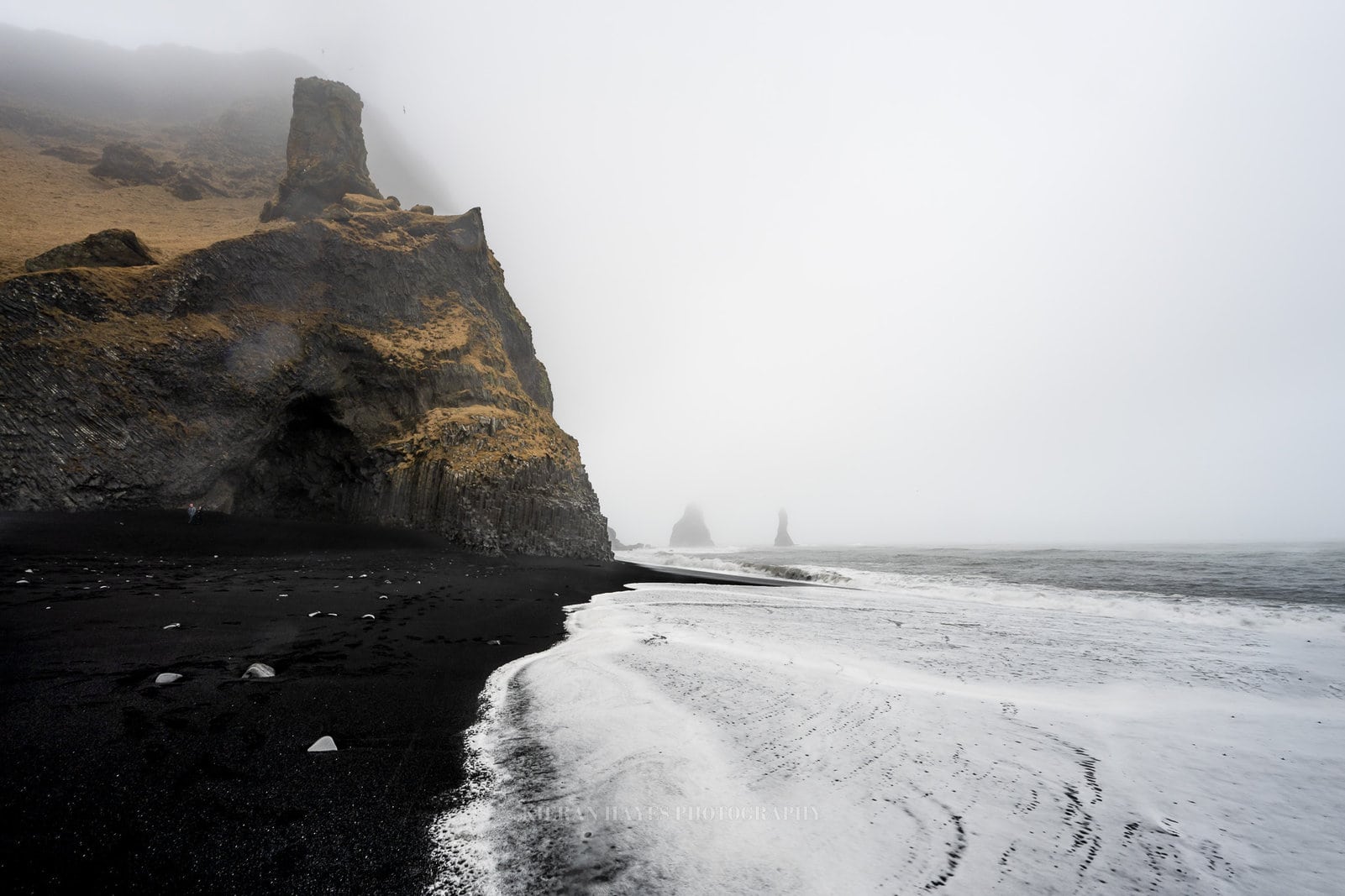
It is vital for travelers to distinguish between the volcanic "Black Sand" of the North Atlantic and the sedimentary "Dark Beaches" of Ireland. If you go to Ireland expecting the fine, jet-black powder of Vik, you may be disappointed. Ireland's version is more textured, composed of ancient shales and weathered stones. However, what Ireland lacks in volcanic ash, it makes up for in lush green cliff-top contrasts that you won't find anywhere else in the world.
The charm of an Irish dark beach lies in its somber, ancient atmosphere. These are places of geological transition, where the bones of the island—its limestone, shale, and granite—are ground down by the relentless power of the Atlantic Ocean.
FAQ
Does Ireland have a beach with black volcanic sand?
No, Ireland does not have true volcanic black sand beaches. The dark beaches found in Ireland are typically composed of dark shale, limestone, or heavy minerals like magnetite. Ireland's volcanic activity occurred millions of years ago, and the resulting rocks have since been weathered or covered by other geological layers.
Where is the darkest beach in Ireland?
Ashleam Bay on Achill Island, County Mayo, is widely considered the darkest beach in Ireland. Its shoreline is covered in dark grey and charcoal-colored shingle that appears almost black when wet, especially under the shadow of the surrounding high cliffs.
Can you swim at Ashleam Bay?
Swimming at Ashleam Bay is generally discouraged. The beach is exposed to the full force of the Atlantic, leading to powerful rip currents and heavy swells. Additionally, the steep descent and rocky terrain make it difficult for emergency services to access the area quickly. It is better suited for sightseeing and photography.
Is the sand at Killiney Beach actually black?
Killiney Beach is primarily a grey pebble beach, but it frequently features streaks of black sand. These streaks are concentrated deposits of heavy minerals, such as magnetite and ilmenite. They are most visible after storms or high tides have reorganized the surface layers of the beach.
Why is the sand different colors in Ireland?
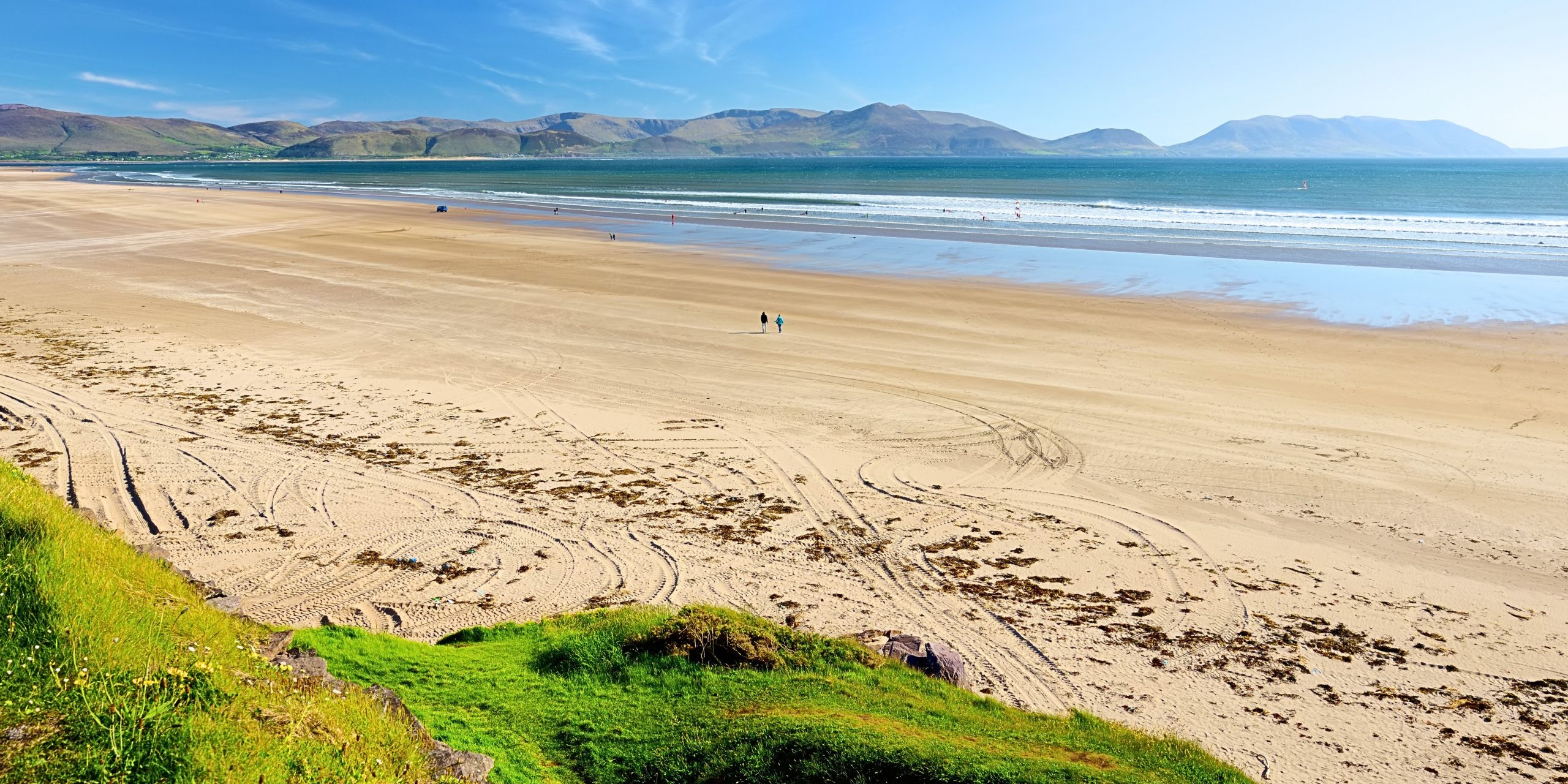
Ireland’s sand color is determined by the local geology. Most Irish beaches are golden or white because they are composed of crushed quartz or limestone. Darker beaches occur where the local rock is shale or slate, or where heavy minerals are deposited by specific current patterns.
Recommended Next Action
If you are planning a trip to experience Ireland’s moody coastal landscapes in 2026, start by visiting the Geological Survey Ireland website to download their coastal heritage maps. These maps identify specific areas of shale and volcanic rock that produce the darkest coastal features. For the most immersive experience, book a stay on Achill Island; this allows you to visit Ashleam Bay at sunrise when the light levels are lowest and the dark stones are at their most visually striking.
Image Gallery