Jurassic World in Order: The Complete Franchise Viewing Guide
Watching the Jurassic franchise in chronological order allows viewers to trace the scientific, ethical, and catastrophic evolution of dinosaur de-extinction from the early experiments on Isla Nublar to the global ecological consequence...
Watching the Jurassic franchise in chronological order allows viewers to trace the scientific, ethical, and catastrophic evolution of dinosaur de-extinction from the early experiments on Isla Nublar to the global ecological consequences seen in the most recent installments. By following the timeline of events rather than the theatrical release dates, you gain a clearer perspective on the shifting corporate motives of InGen and the escalating struggle for coexistence between humanity and genetically resurrected species.
Contents
Understanding the Jurassic Franchise Chronology
The Jurassic saga is divided into two distinct eras: the Jurassic Park trilogy and the Jurassic World trilogy. While the films were released across several decades, their internal timeline follows a linear progression. Viewing them in chronological order of events provides the most cohesive experience, as character arcs, technological advancements, and the state of dinosaur containment evolve logically from one entry to the next.
The following list organizes the primary feature films by the internal year in which the events of each story take place.
The Chronological Viewing Sequence
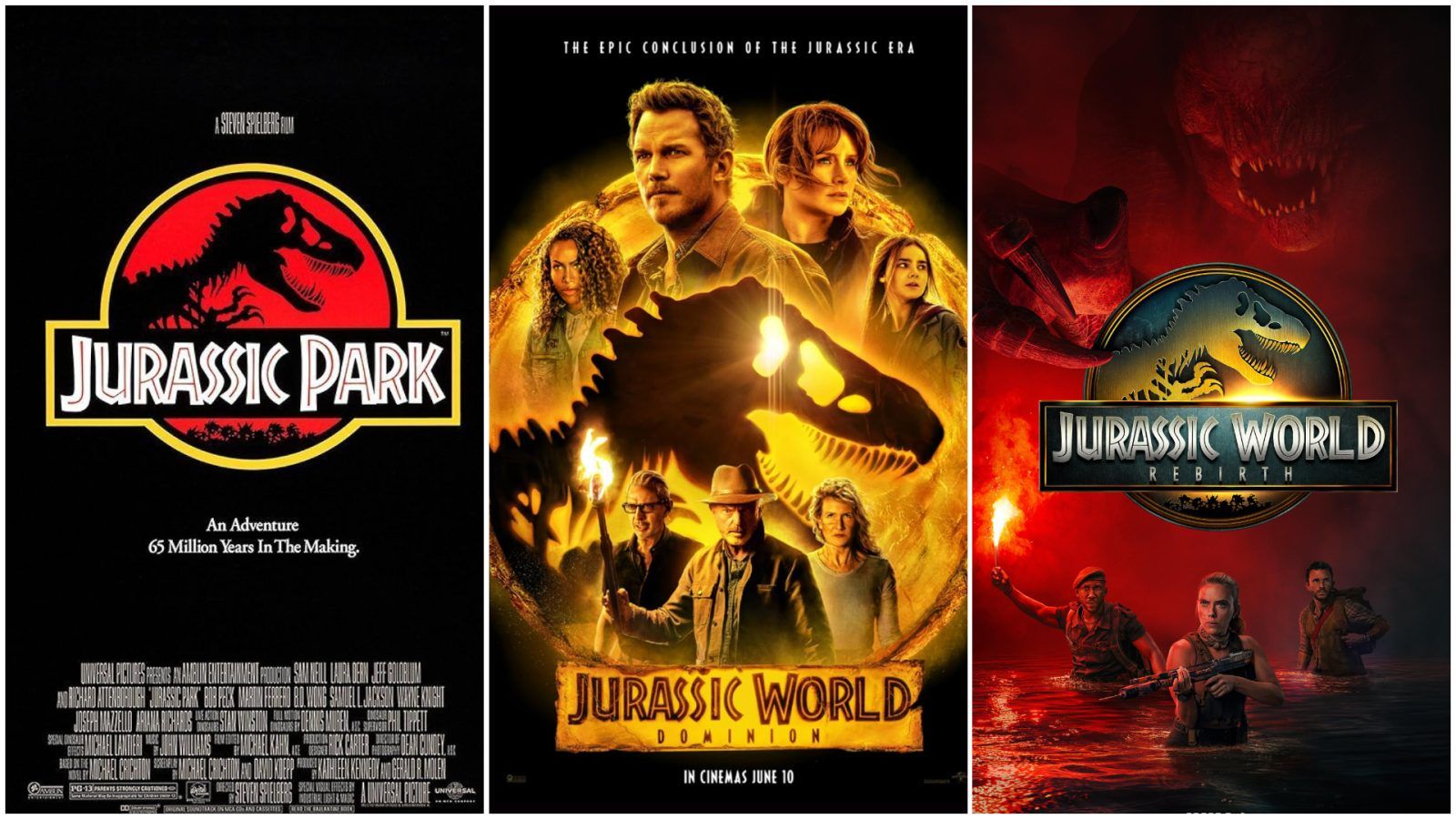
- Jurassic Park (1993): The foundation of the series, detailing the inaugural tour of the park on Isla Nublar.
- The Lost World: Jurassic Park (1997): Set four years after the events of the first film, this installment shifts the focus to the secondary site, Isla Sorna (Site B).
- Jurassic Park III (2001): Taking place several years after the San Diego incident, this film documents the return to Isla Sorna.
- Jurassic World (2015): Set over a decade after the collapse of the original parks, this film introduces the fully operational Jurassic World resort.
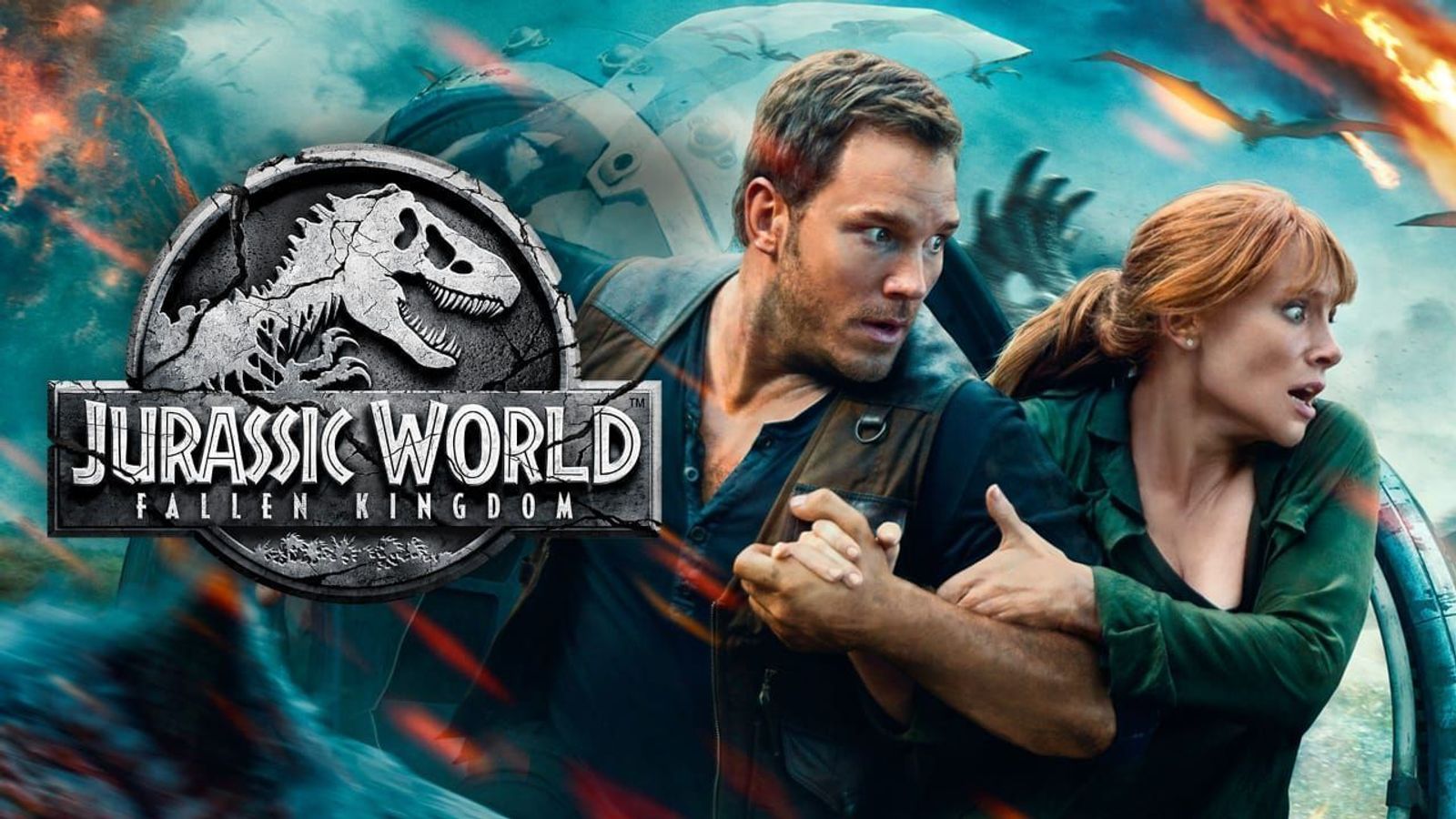
- Jurassic World: Fallen Kingdom (2018): Picking up three years after the fall of the Jurassic World park, this story addresses the displacement of the surviving dinosaurs.
- Jurassic World Dominion (2022): The conclusion of the modern trilogy, set four years after the events of Fallen Kingdom, documenting the era of global coexistence.
Detailed Breakdown of the Timeline
The Jurassic Park Era (1993–2001)
The initial trilogy focuses on the reckless ambition of John Hammond and his company, InGen. The 1993 film establishes the core premise: the successful cloning of dinosaurs and the subsequent failure of the park’s security systems. By the time of The Lost World, the narrative expands to reveal the existence of Isla Sorna, the factory floor where animals were grown before being moved to the park. Jurassic Park III highlights the abandonment of these sites and the uncontrolled breeding of dinosaurs in the wild, showcasing the long-term ecological impact of InGen's research.
The Jurassic World Era (2015–2022)
The second trilogy represents a pivot from "theme park disaster" to "biological ethics and corporate oversight." In 2015’s Jurassic World, the park has achieved commercial success, but the pursuit of higher revenue leads to the creation of the Indominus rex. The destruction of this park in Fallen Kingdom leads to the ultimate dilemma: whether to rescue the dinosaurs from a volcanic eruption or allow them to go extinct a second time. Finally, Dominion explores the reality of a world where human civilization must adapt to the presence of prehistoric creatures in the wild, shifting the conflict from isolated islands to a planetary scale.
Franchise Viewing Comparison Table
To help you manage your viewing schedule, the following table summarizes the key components of each entry in the franchise.
| Title | Release Year | Setting Year | Primary Location |
|---|---|---|---|
| Jurassic Park | 1993 | 1993 | Isla Nublar |
| The Lost World: Jurassic Park | 1997 | 1997 | Isla Sorna / San Diego |
| Jurassic Park III | 2001 | 2001 | Isla Sorna |
| Jurassic World | 2015 | 2015 | Isla Nublar |
| Jurassic World: Fallen Kingdom | 2018 | 2018 | Isla Nublar / Lockwood Estate |
| Jurassic World Dominion | 2022 | 2026 | Global / Biosyn Valley |
Essential Prerequisites for a Complete Experience
To fully appreciate the narrative arc of the Jurassic World series, it is helpful to understand the background of the original trilogy. While the modern films are designed to be accessible to new audiences, the recurring presence of characters such as Dr. Alan Grant, Dr. Ellie Sattler, and Dr. Ian Malcolm provides significant emotional weight to the later chapters.
If you are a first-time viewer, start with the 1993 Jurassic Park. The themes of chaos theory and the hubris of genetic engineering are introduced here, serving as the philosophical backbone for the entire franchise. Without this context, the scientific warnings issued in the Jurassic World entries may feel less urgent or grounded.
Common Viewing Considerations
The "Site B" Significance
A common point of confusion for new viewers is the difference between Isla Nublar and Isla Sorna. Isla Nublar was the location of the intended tourist attraction. Isla Sorna, referred to as "Site B," was the clandestine research facility where dinosaurs were mass-produced. Understanding this distinction is vital for following the logic of the first three films, as it explains why dinosaurs still exist in the wild despite the closure of the original park.
The Technological Gap
Viewers should note that the two trilogies are separated by a significant period of real-world technological advancement in cinema. The transition from practical animatronics and early CGI in the 1990s to the motion-capture and high-fidelity digital effects of the 2010s is noticeable. However, the internal logic of the films—the progression from basic genetic cloning to the creation of hybrid organisms—remains consistent throughout the series.
Frequently Asked Questions
Is it necessary to watch the original trilogy before Jurassic World?
While not strictly required for plot comprehension, it is highly recommended. The character developments and the legacy of the InGen corporation are carried over from the first three films, making the emotional stakes in Jurassic World: Fallen Kingdom and Dominion much clearer.
Where does the short film Battle at Big Rock fit in?
Battle at Big Rock is a short film that takes place one year after the events of Jurassic World: Fallen Kingdom. It depicts the first documented instance of a dinosaur interacting with human society in the mainland United States and serves as a bridge to the events of Jurassic World Dominion.
Are there any spin-off shows that are considered canon?
Yes, the animated series Jurassic World: Camp Cretaceous and Jurassic World: Chaos Theory are considered canon. They fill in the gaps between the feature films, specifically the timeframe surrounding the 2015 collapse of Jurassic World and the events leading up to the status quo in Dominion.
Does the order of viewing affect the "chaos theory" theme?
Yes. Dr. Ian Malcolm’s philosophical warnings about the instability of nature are the common thread. Viewing the films in order allows you to watch his predictions come to fruition, starting from the theoretical concerns in the first film to the realized catastrophic outcomes in the later installments.
Can I skip Jurassic Park III?
While often cited as the least connected entry in the original trilogy, Jurassic Park III is essential for understanding the state of the dinosaurs in the wild. It establishes that life finds a way to adapt without human intervention, which informs the environmental themes central to the Jurassic World films.
Next Action: Begin Your Marathon
To begin your journey through the Jurassic timeline, start by securing access to the 1993 Jurassic Park. Once you have established the foundations of the park and the initial ethical breaches of the project, proceed sequentially through the films in the order listed above. This approach ensures you remain aligned with the progression of the characters and the expanding scope of the dinosaurs' presence in the modern world. For the most immersive experience, keep a digital log of the key figures and corporate organizations, as their evolving roles in the cloning process are the primary drivers of the conflict in every film.
Image Gallery