Foot Massage and Labor Myths: Separating Science from Folklore
While foot massage and reflexology are exceptional tools for relaxation and pain relief during late pregnancy, there is no clinical evidence that they can reliably induce labor in a healthy pregnancy. Most claims regarding specific "tr...
While foot massage and reflexology are exceptional tools for relaxation and pain relief during late pregnancy, there is no clinical evidence that they can reliably induce labor in a healthy pregnancy. Most claims regarding specific "trigger points" are based on traditional practices rather than modern obstetric science, though relaxation may indirectly support the body’s readiness for birth.
Contents
As we move through 2026, the intersection of holistic wellness and evidence-based obstetrics has never been more prominent. Expectant parents frequently seek natural ways to encourage the onset of labor, especially as they approach the 40-week mark. Among the most popular suggestions is the "labor-inducing foot massage." This practice, rooted in the ancient art of reflexology and Traditional Chinese Medicine (TCM), suggests that applying pressure to specific zones on the feet can stimulate uterine contractions. However, distinguishing between the physiological benefits of massage and the myths of "manual induction" is crucial for safety and managing expectations.
The Origin of Labor-Induction Myths via Reflexology
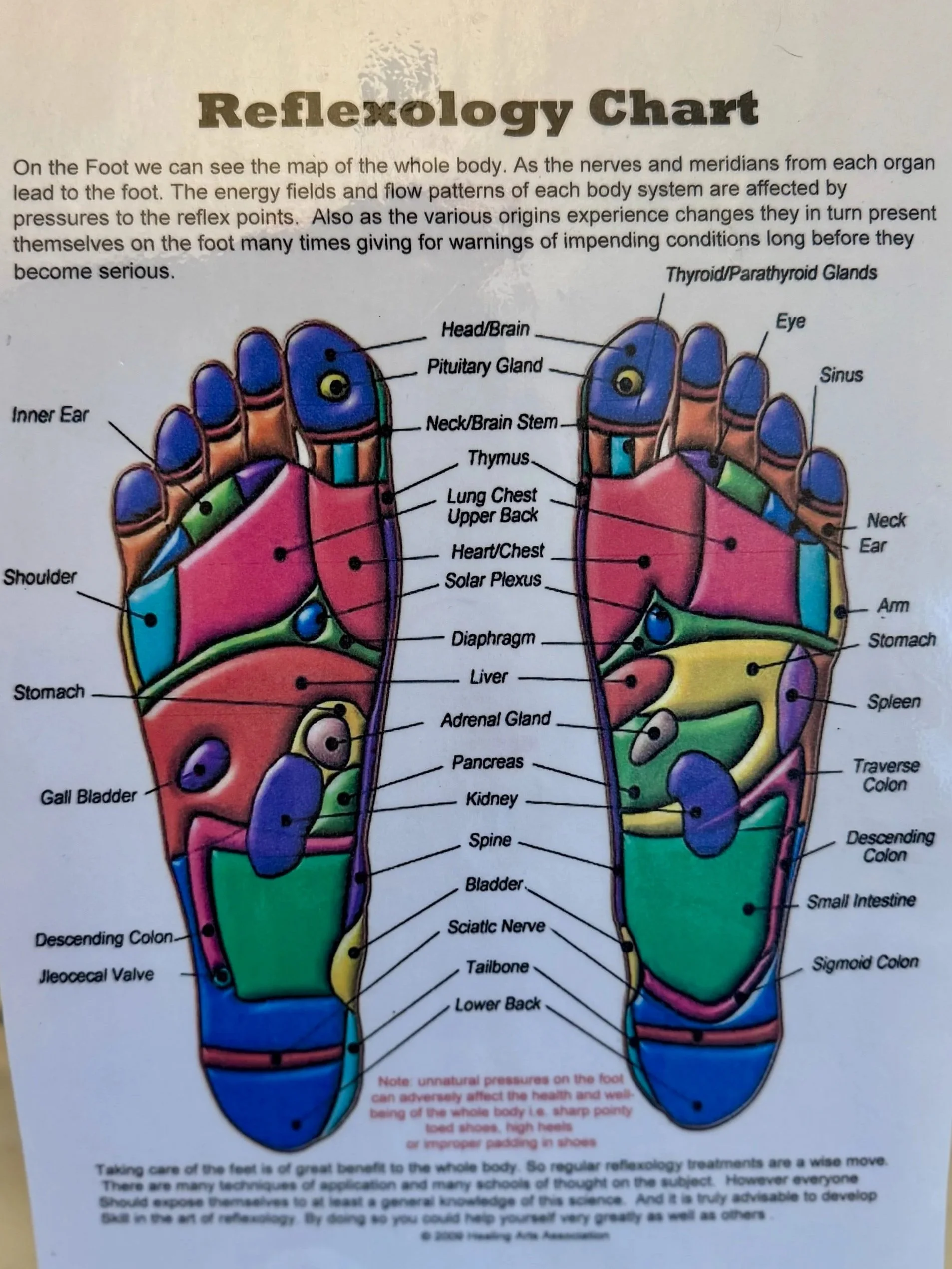
The belief that a foot massage can jumpstart labor stems primarily from reflexology, a practice dating back thousands of years to ancient Egypt and China. Reflexology operates on the principle that specific points on the hands and feet—known as reflex zones—correspond to different organs and systems within the body. In this framework, the heels and the area around the ankles are thought to be energetically linked to the uterus and ovaries.
In the mid-20th century, reflexology gained Western popularity, and the idea of "forbidden points" emerged. These were areas that massage therapists were taught to avoid during pregnancy for fear of causing premature labor. Over time, the narrative flipped: if these points could potentially cause a miscarriage or early labor, surely they could be used intentionally to start labor when a woman is full-term.
By 2026, scientific inquiry has largely debunked the idea that these points act as a "mechanical switch" for labor. While the nervous system is highly integrated, the hormonal cascade required to initiate labor—involving oxytocin, prostaglandins, and the withdrawal of progesterone—is a complex internal process that cannot be triggered simply by external pressure on the skin.
Acupressure Points on the Feet: The "Trigger" Theory
In the context of foot massage and labor, three specific points are most frequently cited. Understanding these points helps clarify why they are often misunderstood as labor triggers.
Spleen 6 (San Yin Jiao)
Located approximately four finger-widths above the inner ankle bone (medial malleolus), Spleen 6 (SP6) is perhaps the most famous point in prenatal acupressure. In TCM, it is believed to strengthen the pelvic floor and regulate the blood. While some studies have suggested that stimulating SP6 during active labor may reduce the intensity of pain and potentially shorten the duration of the first stage of labor, there is no evidence that it can initiate labor from a state of total dormancy.
Urinary Bladder 60 (Kunlun)
This point is found in the depression between the tip of the outer ankle bone (lateral malleolus) and the Achilles tendon. Traditionally, BL60 is used to promote downward energy (descending Qi). In folklore, it is claimed to help the baby "descend" into the birth canal. Physically, massaging this area can relieve lower back pain, which is common in the third trimester, but it does not have a direct chemical pathway to cervical effacement.
Kidney 1 (Yong Quan)
Located on the sole of the foot, about one-third of the way down from the base of the toes in the center of the ball of the foot, Kidney 1 is a "grounding" point. It is often used to reduce anxiety and promote sleep. While a calm mother is physiologically better prepared for labor, the idea that Kidney 1 triggers contractions is a myth.
What the Science Says: Clinical Studies and Meta-Analyses
As of 2026, the consensus among major health organizations, including the American College of Obstetricians and Gynecologists (ACOG), remains that complementary therapies like reflexology are safe for comfort but unproven for induction.
Several meta-analyses conducted over the last decade have examined the relationship between foot massage and labor onset. The findings generally fall into two categories:
- Duration vs. Initiation: Clinical trials often show that women who receive regular reflexology in the final weeks of pregnancy may experience slightly shorter labors (on average by 2 to 3 hours). This is attributed to lower stress levels and better physical alignment, not the massage "starting" the labor.
- Oxytocin Levels: Massage is known to increase the production of oxytocin, the "feel-good" hormone. Since oxytocin is also the hormone responsible for uterine contractions, a logical leap is made that more massage equals more contractions. However, the levels of oxytocin produced during a relaxing massage are generally insufficient to overcome the body’s "progesterone brake," which keeps the uterus quiet until the baby is biologically ready.
A 2023 systematic review of randomized controlled trials concluded that while reflexology significantly reduced anxiety scores in post-term women, the rate of spontaneous labor within 48 hours was no higher than in the control group.
The Real Benefits of Foot Massage During Late Pregnancy
Even if a foot massage won't guarantee a trip to the delivery room tonight, it offers profound physical and psychological benefits that support a healthy birth environment.
1. Reduction of Edema (Swelling)
Pregnancy-induced edema is caused by increased blood volume and pressure from the uterus on the vena cava. Gentle, upward strokes on the feet and ankles can help move lymphatic fluid back toward the heart, reducing the discomfort of "canker" (swollen ankles) and preventing the skin from feeling painfully tight.
2. Lowering Cortisol
High levels of the stress hormone cortisol can actually inhibit labor. The body is designed to stay in a state of "gestation" if it perceives a high-stress environment (the "fight or flight" response). By lowering cortisol through relaxation, foot massage helps the body transition into the parasympathetic nervous system, which is where labor is most likely to begin naturally.
3. Improved Sleep Quality
Late-term pregnancy is often defined by insomnia and restless leg syndrome. A dedicated foot massage before bed improves circulation and relaxes the nervous system, allowing for the deep rest necessary to build the stamina required for the upcoming labor.
Potential Risks and Safety Precautions
While foot massage is generally safe, there are specific medical conditions where it should be approached with caution or avoided entirely.
- Deep Vein Thrombosis (DVT): Pregnancy increases the risk of blood clots in the legs. If a woman has localized swelling in only one leg, redness, or heat, massage is strictly contraindicated until DVT is ruled out, as massaging the area could dislodge a clot.
- Preeclampsia: If swelling is sudden and accompanied by high blood pressure or headaches, massage should be deferred in favor of immediate medical evaluation.
- Placental Abruption or Preterm Labor: Anyone experiencing vaginal bleeding or signs of labor before 37 weeks should avoid deep tissue massage on the feet until cleared by a physician.
Comparison: Foot Massage vs. Medical Induction
To understand why foot massage is often seen as a "myth" for induction, it helps to compare it to evidence-based medical methods.
| Method | Mechanism | Primary Goal | Evidence Level for Induction |
|---|---|---|---|
| Foot Massage | Oxytocin release via relaxation; lymphatic drainage. | Comfort and stress reduction. | Low / Anecdotal |
| Membrane Stripping | Physical separation of the amniotic sac to release prostaglandins. | Mechanical initiation of labor. | Moderate / High |
| Nipple Stimulation | Triggers endogenous oxytocin release via the pituitary gland. | Strengthening or starting contractions. | Moderate |
| Pitocin (IV) | Synthetic oxytocin administered intravenously. | Direct stimulation of uterine muscles. | High (Clinical Standard) |
| Prostaglandin Gel | Chemical ripening of the cervix. | Cervical effacement and dilation. | High |
Frequently Asked Questions
Can rubbing my heels cause a miscarriage?
No. This is one of the most persistent myths in prenatal care. While reflexologists avoid certain areas in the first trimester out of extreme caution, there is no physiological mechanism by which a standard foot massage can cause a miscarriage. Miscarriages are almost always the result of chromosomal abnormalities or maternal health factors, not external pressure on the feet.
How long should a foot massage last to be effective?
If the goal is relaxation and edema reduction, a 20-to-30-minute session is ideal. If the goal is "induction," there is no specific timeframe because the method is not a proven induction tool. Consistency (two to three times a week) is more beneficial for overall well-being than a single long session.
Is it safe to see a professional reflexologist while pregnant?
Yes, provided the reflexologist is trained in prenatal massage. They will know how to position the mother comfortably (avoiding lying flat on the back) and will be aware of the pressure levels appropriate for the third trimester. Always inform your practitioner of any complications like gestational diabetes or hypertension.
Does "labor induction massage" actually work?
If "work" means "starts labor immediately," the answer is generally no. However, if "work" means preparing the body for labor by reducing stress and improving pelvic circulation, then it can be considered a helpful part of a "pre-labor" routine. Many women who go into labor after a massage were likely already on the verge of labor.
Final Recommendation
If you are 40 weeks pregnant and looking for a way to meet your baby, a foot massage is a wonderful way to treat yourself, reduce your anxiety, and connect with your partner. However, you should not rely on it as a medical alternative to induction.
Next Steps:
- Consult your midwife or OB-GYN before attempting any specific "labor points" to ensure you have no contraindications like DVT risk.
- Focus on the "Why": Use massage for its proven benefits—pain relief and relaxation—rather than the stress of trying to "force" labor to start.
- Combine with movement: If cleared by your doctor, combine foot massage with gentle walking or pelvic tilting on a birth ball to encourage the baby into an optimal position.
Image Gallery