How to Define a Journal Entry: A Comprehensive Guide to Modern Accounting Records
A journal entry is a formal record of a financial transaction entered into an organization's accounting system. It represents the first step in the accounting cycle, documenting the date, accounts affected, and specific debit and credi...
A journal entry is a formal record of a financial transaction entered into an organization's accounting system. It represents the first step in the accounting cycle, documenting the date, accounts affected, and specific debit and credit amounts. This systematic record ensures that every business event is captured accurately for future financial reporting and auditing.
Contents
Understanding the Fundamentals of a Journal Entry
To define a journal entry accurately, one must look beyond a simple data point. In professional accounting, a journal entry is the fundamental building block of the entire financial narrative of a business. Every time a company spends money, earns revenue, or incurs a debt, a journal entry must be created to reflect that change.
Historically, these were handwritten in physical "journals" or "books of original entry." As of 2026, most organizations utilize Enterprise Resource Planning (ERP) systems and sophisticated cloud-based accounting software to automate much of this process. However, the underlying logic—the "journalization"—remains consistent regardless of whether the entry is manual or AI-generated.
The primary purpose of a journal entry is to provide a chronological history of all economic activities. This chronology allows accountants to trace financial data back to its source, providing a vital audit trail. Without precise journal entries, creating a Balance Sheet or an Income Statement would be impossible, as these higher-level reports are simply aggregations of individual journal entries.
The Anatomy of a Professional Journal Entry
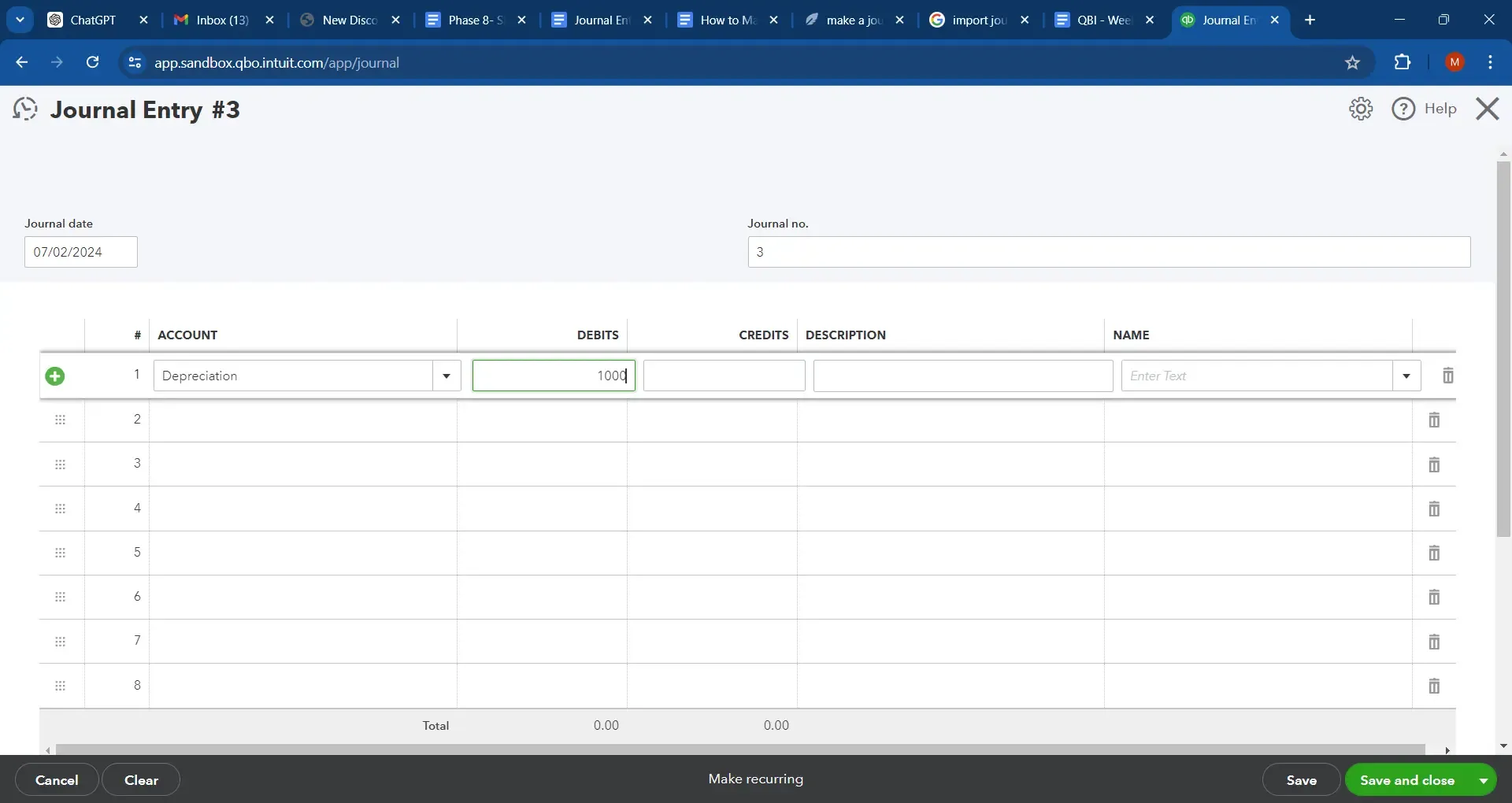
A standard journal entry must contain specific pieces of information to be considered valid and useful for financial analysis. Missing even one of these components can lead to reconciliation errors or audit failures.
- The Date of the Transaction: This is not necessarily the date the entry is typed into the computer, but the date the economic event actually occurred. For example, if a service was rendered on December 31, 2025, but the invoice was processed in January 2026, the journal entry date must reflect the period in which the revenue was earned.
- A Unique Reference Number: Also known as a Journal Voucher (JV) number or transaction ID, this allows for easy tracking and cross-referencing with receipts, invoices, or contracts.
- Account Titles: These are the specific accounts from the company’s Chart of Accounts (COA) that are being modified. Common accounts include Cash, Accounts Receivable, Inventory, and Accounts Payable.
- Debits and Credits: Every entry must have at least one debit and at least one credit. In double-entry bookkeeping, the total value of debits must always equal the total value of credits.
- A Brief Description (Narration): A short sentence explaining the "why" behind the transaction. This is crucial for auditors who may review the books months or years later. For instance: "Payment for Q1 2026 office insurance premium."
The Rule of Double-Entry Bookkeeping
Defining a journal entry is impossible without discussing the double-entry system. This method is based on the fundamental accounting equation: Assets = Liabilities + Owner’s Equity.
In this system, every transaction affects at least two accounts. This "dual effect" ensures that the accounting equation remains in balance. For example, if a company takes out a $10,000 bank loan, its Assets (Cash) increase by $10,000, but its Liabilities (Notes Payable) also increase by $10,000.
The Mechanics of Debits and Credits
The terms "debit" (left side) and "credit" (right side) can be counterintuitive for those outside the accounting profession. Their effect depends entirely on the type of account being modified.
| Account Type | Increase With | Decrease With | Normal Balance |
|---|---|---|---|
| Assets (e.g., Cash, Equipment) | Debit | Credit | Debit |
| Expenses (e.g., Rent, Salaries) | Debit | Credit | Debit |
| Liabilities (e.g., Loans, Payables) | Credit | Debit | Credit |
| Equity (e.g., Retained Earnings) | Credit | Debit | Credit |
| Revenue (e.g., Sales, Interest) | Credit | Debit | Credit |
Understanding this table is essential for defining how a journal entry is constructed. A common mistake is assuming "credit" always means "increase." While a credit increases a Revenue account, it decreases an Asset account like Cash.
Common Types of Journal Entries
In the daily operations of a business in 2026, several different types of entries are used to maintain the books. Each serves a specific role in the accounting cycle.
Simple vs. Compound Entries
A simple journal entry involves only two accounts: one debit and one credit. An example would be paying $500 in cash for office supplies. A compound journal entry involves three or more accounts. For example, if a company buys a $5,000 machine by paying $2,000 in cash and taking a $3,000 loan, the entry would involve one debit (to Equipment) and two credits (to Cash and Notes Payable).
Adjusting Entries
These are made at the end of an accounting period (monthly, quarterly, or annually) to adhere to the accrual basis of accounting. They ensure that revenues are recognized when earned and expenses when incurred, regardless of when cash changes hands. Common adjusting entries include depreciation of assets, accrual of unpaid wages, and recognition of prepaid insurance.
Closing Entries
At the end of the fiscal year, temporary accounts (Revenue, Expenses, and Dividends) must be reset to zero to begin the new year. These amounts are transferred to permanent accounts on the balance sheet, specifically Retained Earnings. This process "closes" the books for the year.
Reversing Entries
Often made on the first day of a new accounting period, these entries "undo" certain adjusting entries made at the end of the previous period. They are used to simplify bookkeeping for future transactions, particularly for payroll or interest accruals.
Step-by-Step Process for Recording a Journal Entry
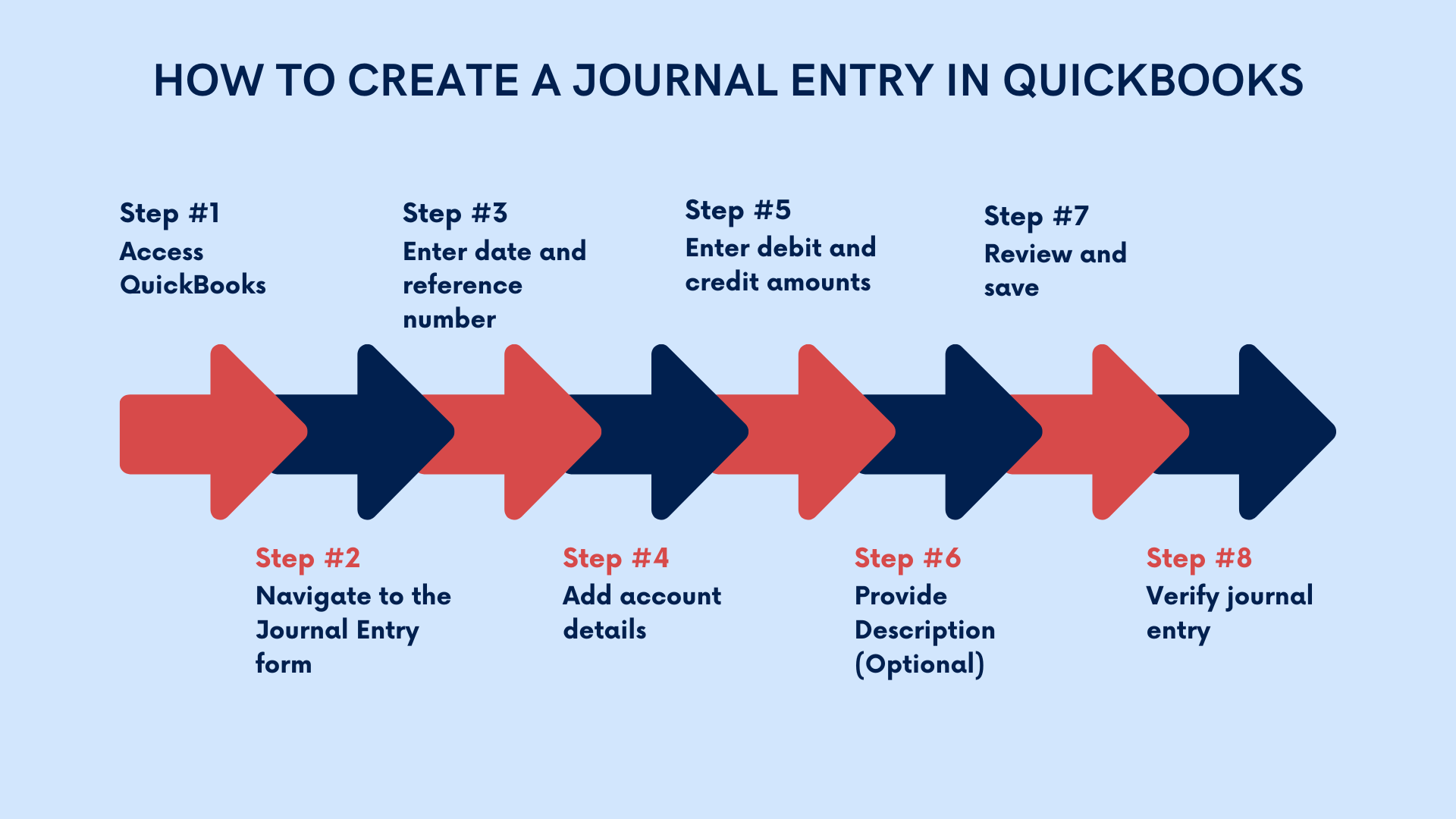
Recording a journal entry follows a logical sequence that ensures data integrity. Professional accountants follow these steps to maintain accuracy:
- Analyze the Transaction: Determine which accounts are affected. Does this event increase or decrease an asset? Is a liability being created?
- Apply the Rules of Debit and Credit: Using the account types identified, decide which accounts need to be debited and which need to be credited.
- Prepare the Entry: Record the date, the account titles (debits are traditionally listed first and slightly to the left), and the amounts.
- Verify Equality: Ensure that Total Debits = Total Credits. Even a one-cent discrepancy will prevent the trial balance from balancing.
- Post to the General Ledger: In modern software, this happens automatically, but conceptually, the entry is "moved" from the journal (chronological) to the ledger (organized by account).
Journal Entries in the Era of Automation (2026)
As of 2026, the definition of a journal entry has evolved to include automated system-generated records. Artificial Intelligence now scans digital invoices and automatically populates journal entries, suggesting the most likely Chart of Accounts category based on historical data.
Despite this automation, human oversight remains critical. The Financial Accounting Standards Board (FASB) and the International Accounting Standards Board (IASB) continue to emphasize that the responsibility for accurate record-keeping lies with the organization’s management. Accountants in 2026 focus less on manual data entry and more on "exception handling"—reviewing entries that the AI flags as unusual or complex.
Furthermore, modern journal entries often include "metadata"—digital tags that link the entry to specific projects, departments, or geographical regions. This allows for multi-dimensional reporting, where a single journal entry can be viewed through various lenses to help executives make informed decisions.
Best Practices and Internal Controls
To maintain the integrity of financial statements, businesses implement strict internal controls regarding journal entries. These controls are designed to prevent both honest errors and intentional fraud.
- Segregation of Duties: The person who authorizes a transaction (e.g., a manager approving a purchase) should not be the same person who records the journal entry.
- Approval Workflows: In 2026, most accounting software requires a "maker-checker" process where one person drafts the entry and a senior staff member reviews and "posts" it.
- Supportive Documentation: No journal entry should exist in a vacuum. Every entry should be backed by a source document, such as a PDF of an invoice, a signed contract, or a bank statement.
- Regular Reconciliation: Periodically comparing the balances in the general ledger (derived from journal entries) against external sources (like bank accounts) is essential for identifying missing or incorrect entries.
FAQs
What is the difference between a journal and a ledger?
The journal is the "book of original entry" where transactions are recorded chronologically as they happen. The ledger is the "book of final entry" where transactions are organized by account (e.g., all cash transactions in one place). You can think of the journal as a diary and the ledger as a categorized filing cabinet.
Can a journal entry have more than two accounts?
Yes, these are called compound journal entries. While a simple entry has one debit and one credit, a compound entry can have multiple debits and credits as long as the total debit amount equals the total credit amount. This is common in payroll or complex asset acquisitions.
Why is the narration or description important?
The narration provides context that numbers alone cannot. It helps auditors and internal staff understand the business purpose of the transaction. Without a narration, a journal entry might appear suspicious or be difficult to categorize during a year-end audit.
How do I correct an error in a journal entry?
In professional accounting, you should never simply "delete" or "erase" a posted entry, as this destroys the audit trail. Instead, you should create a "correcting entry" or a "reversing entry" that offsets the error and then record the transaction correctly.
What happens if my debits and credits don't match?
If the totals do not match, the entry is considered "out of balance." Most modern accounting software will physically prevent you from saving or posting an entry that is not balanced. If forced, it would cause the Trial Balance and Balance Sheet to be incorrect, which is a significant red flag for financial reporting.
Practical Recommendation
If you are a business owner or a student learning to define journal entries, start by mastering the Chart of Accounts. Knowing exactly which accounts are available to you is the first step toward accurate recording. For those using automated software in 2026, always perform a monthly review of "System-Generated Entries" to ensure your AI tools are categorizing transactions according to your specific business logic. Consistent, well-documented journal entries are the best defense against audit issues and the best tool for clear financial insight.
Image Gallery