The BTK Killer in Kansas: A Comprehensive Map of Where the Case Unfolded
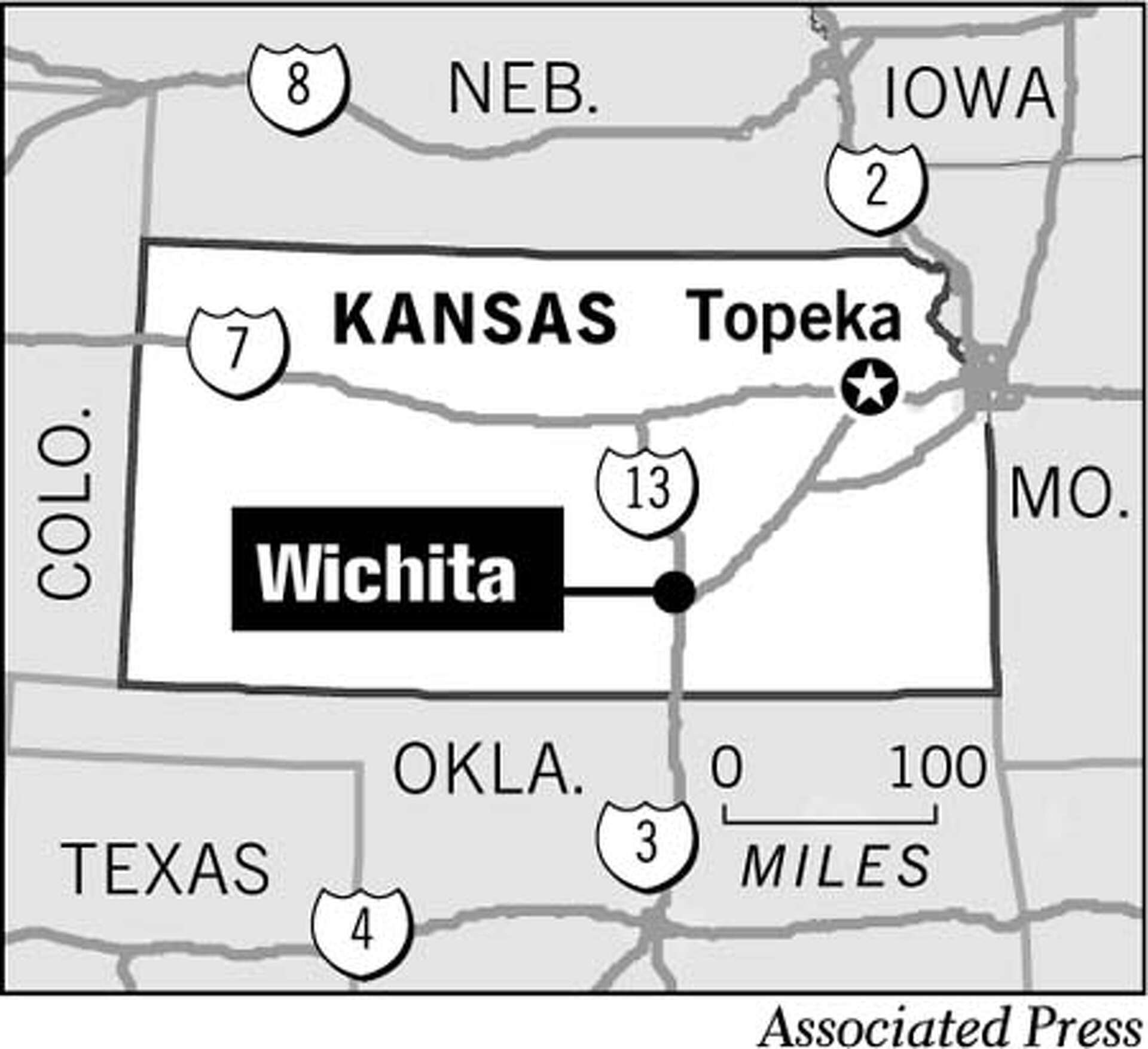
The BTK serial killer case, involving Dennis Rader, primarily unfolded within the residential neighborhoods of Wichita and Park City, Kansas, between 1974 and 2005. Key locations include the Otero family home on North Wichita Street, v...
The BTK serial killer case, involving Dennis Rader, primarily unfolded within the residential neighborhoods of Wichita and Park City, Kansas, between 1974 and 2005. Key locations include the Otero family home on North Wichita Street, various residences in the Edgemoor and Hydraulic areas, and the Christ Lutheran Church in Park City where Rader’s digital trail finally led to his arrest.
Contents
For over thirty years, the "Bind, Torture, Kill" (BTK) mystery remained the most significant cold case in Kansas history. The geographical footprint of these crimes is concentrated in the Wichita metropolitan area, reflecting the killer's intimate knowledge of the local landscape and his ability to hide in plain sight as a family man, church leader, and compliance officer. As of 2026, many of these sites remain as somber landmarks of a period that redefined forensic psychology and suburban security in the American Midwest.
The First Strike: 848 North Wichita Street (1974)
The terror began on January 15, 1974, in a modest home at 848 North Wichita Street. This location served as the site of the Otero family murders, the event that introduced the BTK killer to the public consciousness. Dennis Rader entered the home and killed Joseph and Julie Otero, along with two of their children, Josephine and Joseph Jr.
This specific location is crucial to the case because it established Rader’s modus operandi. He cut the phone lines—a tactic he would repeat—and used ligatures to bind his victims. The brutality of the scene at North Wichita Street sent shockwaves through the community. Today, the original house no longer stands; it was demolished, and the site remains part of a quiet neighborhood, though the memory of the event continues to be a focal point for true crime historians and local residents.
The Edgemoor and Hydraulic Corridors (1974–1977)
Following the Otero murders, the case shifted toward the eastern and central parts of Wichita. On April 4, 1974, Rader targeted Kathryn Bright at 621 South Edgemoor Street. This location was significant because it featured one of the few instances where a witness survived; Kathryn’s brother, Kevin Bright, was shot but managed to escape and provide a description of the attacker.
The timeline continued to unfold in the following locations:
- 1311 South Hydraulic Street (1977): Shirley Vian was murdered in her home while her children were present in another room. This location highlighted Rader's increasing boldness and his tendency to target young mothers.
- 803 South Edgemoor Street (1977): Nancy Fox was killed in December 1977. After this murder, Rader famously called the police from a public payphone at the corner of 2nd and Main Street in downtown Wichita to report the crime, solidifying his desire for media attention and public acknowledgment.
The Park City Connection: A Shift in Geography
As Dennis Rader moved his own residence to 6226 Independence Street in Park City (a suburb just north of Wichita), the case’s geography shifted accordingly. Rader began stalking victims closer to his home and his place of employment as a compliance officer for the city of Park City.
In 1985, Rader murdered Marine Hedge, who lived just a few doors down from him on Independence Street. This location was particularly chilling because Rader reportedly took her body to the Christ Lutheran Church (located at 6151 N. Meridian Ave), where he was a prominent member of the congregation, to photograph the victim in the basement. This intersection of his public life as a "pillars of the community" figure and his private life as a serial killer is one of the most studied aspects of the case.
In 1991, the final confirmed murder occurred at 11711 East 13th Street, where Dolores Davis was abducted from her home. Her body was later found near a bridge in rural Sedgwick County, demonstrating Rader's use of the city's outskirts to dispose of evidence.
The Digital Trail and the 2005 Arrest
The case "unfolded" into a resolution not through physical evidence at a crime scene, but through a digital mistake. After years of silence, Rader resurfaced in 2004, sending letters and packages to local media outlets, including KAKE-TV.
The pivotal location in the resolution of the case was the KSAS-TV station. Rader sent a purple 1.44MB floppy disk to the station, asking the police (via a letter) if they could trace a disk. The police lied and said they could not. Forensic analysts traced the deleted metadata on the disk to a "Dennis" and "Christ Lutheran Church."
This led investigators directly to the church at 6151 N. Meridian Ave, where they confirmed Rader had used the computer. On February 25, 2005, Rader was finally apprehended during a traffic stop near his home in Park City. The decades-long investigation concluded at the Wichita Police Department headquarters at 155 North Main Street, where Rader eventually provided a full confession during a marathon interrogation session.
Mapping the Case: Key Locations and Current Status
The following table summarizes the primary locations where the BTK case unfolded and their general status as of 2026.
| Location Address | Event/Victim | Current Status (2026) |
|---|---|---|
| 848 N. Wichita St, Wichita | Otero Family Murders (1974) | Demolished; Open Lot/Park Area |
| 621 S. Edgemoor St, Wichita | Kathryn Bright Murder (1974) | Private Residence |
| 1311 S. Hydraulic St, Wichita | Shirley Vian Murder (1977) | Private Residence |
| 803 S. Edgemoor St, Wichita | Nancy Fox Murder (1977) | Private Residence |
| 6226 Independence St, Park City | Marine Hedge Murder (1985) | Private Residence (Rader's neighbor) |
| 6117 E. 13th St N, Wichita | Vicki Wegerle Murder (1986) | Private Residence |
| 11711 E. 13th St N, Wichita | Dolores Davis Murder (1991) | Private Residence |
| 6151 N. Meridian Ave, Park City | Christ Lutheran Church | Active Place of Worship |
| 155 N. Main St, Wichita | WPD Headquarters | Municipal Building |
| El Dorado Correctional Facility | Rader's Incarceration | Active Maximum Security Prison |
The Forensic Legacy in Sedgwick County
The BTK case transformed how the Wichita Police Department and the Sedgwick County Sheriff’s Office handle cold cases. The unfolding of this investigation necessitated the creation of specialized task forces that utilized early DNA profiling and behavioral analysis.
The "BTK Task Force," which operated out of a nondescript office building in Wichita, became a model for multi-agency cooperation. Even in 2026, the case is used as a primary example in criminal justice programs at Wichita State University regarding the "cooling off" periods of serial offenders and the psychological profile of the "organized" killer. Rader’s ability to maintain a job and family while committing these crimes forced a re-evaluation of the "loner" stereotype often associated with such criminals.
Forensic DNA and the 21st Anniversary of the Arrest
As we mark the 21st anniversary of Dennis Rader’s arrest in 2026, the case continues to see developments in forensic science. While Rader is serving 10 consecutive life sentences, Kansas investigators have used the intervening decades to compare his DNA against other unsolved cold cases across the Midwest.
The use of familial DNA—which was instrumental in identifying the Golden State Killer—has been applied to ensure no other victims were left behind by Rader. Specifically, investigators have looked into disappearances in rural Kansas and neighboring states like Missouri and Oklahoma that occurred during Rader's active years. While no new murder charges have been filed as of early 2026, the investigation remains "open" in a historical sense, as authorities refuse to rule out his involvement in missing persons cases from the 1980s.
FAQ: Understanding the BTK Case in Kansas
Where is Dennis Rader now?
As of 2026, Dennis Rader remains incarcerated at the El Dorado Correctional Facility in Kansas. He is serving 10 consecutive life sentences with no possibility of parole. Due to the nature of his crimes and his high profile, he is typically kept in restrictive housing for his own safety and the safety of the facility.
Why did the BTK killer stop for so long?
Rader claimed that his "Factor X"—his term for the urge to kill—was suppressed by his busy life, age, and roles in the church and community. However, he never truly "stopped" in his mind; he continued to stalk potential victims (whom he called "projects") and kept extensive journals and trophies from his previous crimes.
Can you visit the BTK crime scenes?
Most of the crime scenes are private residences in quiet neighborhoods. While true crime enthusiasts often drive by these locations, it is important to respect the privacy of current residents who have no connection to the crimes. The Otero home on North Wichita Street is no longer there, but the Christ Lutheran Church remains an active congregation.
How did the floppy disk lead to his arrest?
When Rader sent the floppy disk to KSAS-TV, he believed he had deleted all identifying information. However, forensic software recovered metadata from a deleted Microsoft Word document. The metadata showed the document was last saved by a user named "Dennis" at "Christ Lutheran Church." A quick search of the church's website listed Dennis Rader as the congregation president.
Are there other suspected victims of the BTK killer?
In recent years, including reports through 2025 and 2026, authorities have investigated Rader's potential links to the 1976 disappearance of Cynthia Dawn Kinney in Oklahoma. While Rader has denied involvement in cases beyond the "Wichita Ten," law enforcement continues to utilize modern forensic techniques to check his timeline against unsolved disappearances in the region.
Practical Recommendation for Researchers
For those studying the BTK case or visiting Wichita for historical research, the Wichita Public Library and the Wichita-Sedgwick County Historical Museum maintain extensive archives of local newspaper coverage from the 1970s through the 2005 trial. These resources provide the most accurate contemporary accounts of how the case unfolded in the local community, offering a perspective that modern documentaries often overlook. Always prioritize official court transcripts and police reports over sensationalized media summaries for a fact-based understanding of the events.
Image Gallery