Understanding the Real Cost of Moving Services Rates
To determine the real cost of moving services rates in 2026, you must calculate the base labor or weight-based fee alongside accessorial charges, fuel surcharges, and valuation coverage. While a local move may cost $1,200 to $2,500, a...
To determine the real cost of moving services rates in 2026, you must calculate the base labor or weight-based fee alongside accessorial charges, fuel surcharges, and valuation coverage. While a local move may cost $1,200 to $2,500, a long-distance relocation often exceeds $5,000, depending on inventory volume and specialized handling requirements.
Contents
The Architecture of Professional Moving Estimates
When evaluating moving service rates, it is essential to understand that the initial quote provided by a company is rarely the final price paid at the destination. Professional moving costs are structured around two primary variables: the distance of the move and the total volume or weight of the goods being transported.
For local moves (typically defined as those under 50 to 100 miles), companies generally charge an hourly rate. This rate covers the truck and a specific number of movers. In 2026, hourly rates for a two-person crew typically range from $120 to $180 per hour, with additional movers costing $40 to $60 per hour each. The "real cost" here includes the travel time—the time it takes for the crew to get from their warehouse to your home and back again—which is often billed as one additional hour of labor.
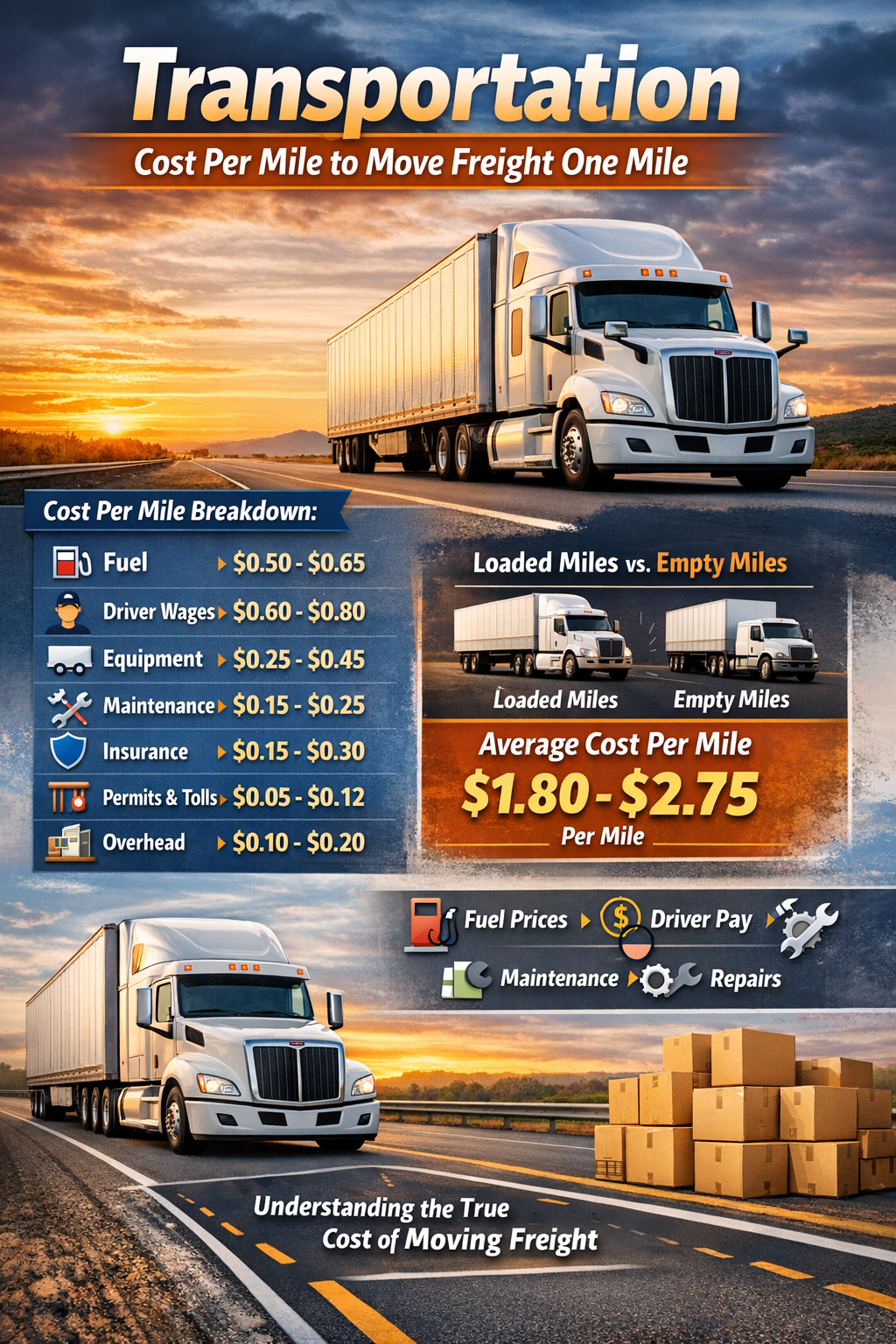
For interstate or long-distance moves, the industry standard has shifted toward volume-based (cubic feet) or weight-based (pounds) pricing. Most reputable carriers operating under federal guidelines use the weight of the shipment. They multiply the total weight by a "tariff rate" determined by the distance. Because these moves involve significant overhead, including weigh station stops, logbook compliance, and multi-day fuel consumption, the base rate is significantly higher than local transit.
Key Factors That Influence Moving Service Rates
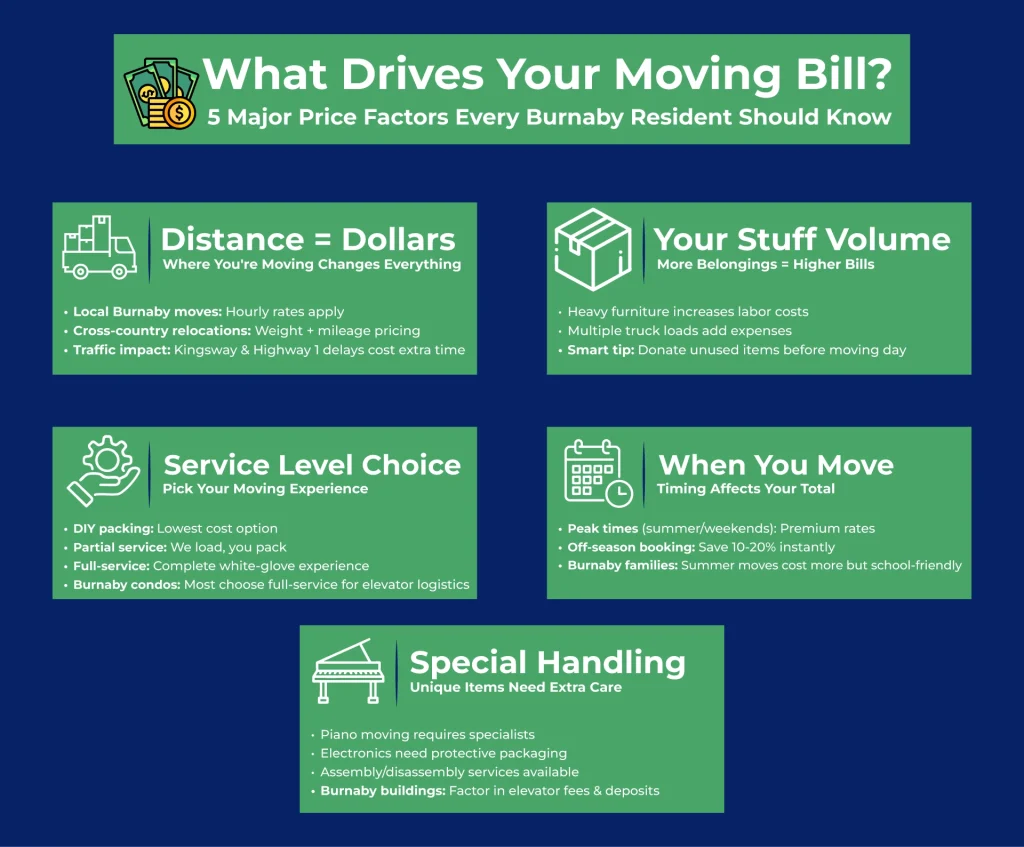
Understanding why one quote is $3,000 and another is $5,000 requires a deep dive into the operational variables that moving companies use to calculate their risk and resource allocation.
Inventory Volume and Weight
The single most impactful factor is the sheer amount of "stuff" you own. In a weight-based estimate, every heavy appliance or dense bookshelf adds to the bottom line. In a volume-based estimate, bulky but light items (like an un-disassembled patio set) consume the "real estate" inside the trailer. Movers use specialized software to convert your inventory list into an estimated weight or cubic footage. Accuracy at this stage is vital; if you add items on moving day, your rate will increase proportionally.
Labor Intensity and Crew Size
A three-bedroom home usually requires at least three to four movers to ensure efficiency and safety. While a larger crew has a higher hourly rate, they often complete the move faster, potentially lowering the total cost. However, if the home has narrow hallways, many stairs, or a long distance between the front door and the truck (known as a "long carry"), the labor intensity increases, and companies will apply specific surcharges to compensate for the additional physical strain and time.
Distance and Logistics
Distance isn't just about fuel; it’s about "opportunity cost" for the moving company. For a long-distance move, a truck and crew may be out of commission for several days. This requires the company to factor in driver lodging, per diem meals, and "deadhead" miles—the cost of driving the truck back empty or the logistical effort of finding a "backhaul" shipment to fill the truck for the return journey.
Accessorial Charges: The "Hidden" Costs of Moving
The term "accessorial charges" refers to any service performed by the mover in addition to the standard loading, transporting, and unloading of goods. These are often where consumers feel "surprised" by the final bill.
| Service Type | Description | Estimated 2026 Cost Range |
|---|---|---|
| Packing Services | Full-service packing of all boxes and breakables. | $500 – $2,500 (based on home size) |
| Stair Fee | Charge for each flight of stairs after the first. | $75 – $150 per flight |
| Long Carry | Distance from truck to door exceeding 75–100 feet. | $100 – $200 per 75 feet |
| Shuttle Service | Required if a large semi-truck cannot reach the home. | $500 – $1,200 |
| Bulky Item Fee | Handling of pianos, hot tubs, or heavy safes. | $200 – $600 per item |
| Storage-in-Transit | Holding goods at a warehouse for 30–90 days. | $300 – $800 per month |
The Shuttle Service Contingency
A shuttle service is one of the most expensive hidden fees. If you are moving to a narrow street in a city or a remote mountain road where a 53-foot tractor-trailer cannot safely maneuver, the company must rent a smaller "box truck" to ferry your goods from the house to the larger trailer parked nearby. This involves double-handling your items, which doubles the labor risk and time.
Understanding Valuation and Insurance Coverage
A common misconception is that moving companies provide "insurance." Legally, they provide "valuation," which represents the limit of their liability. Understanding the cost of these options is critical to determining the real cost of your move.
- Released Value Protection: This is the basic coverage required by law, usually provided at no additional cost. However, it only pays out roughly $0.60 per pound per item. If a 100-pound television worth $2,000 is destroyed, the mover is only liable for $60.
- Full Value Protection (FVP): This is a more comprehensive option where the mover is responsible for the replacement value of lost or damaged items. In 2026, the cost for FVP is generally calculated as a percentage (around 1% to 2%) of the total declared value of your shipment. For a $50,000 shipment, you might pay an additional $500 to $1,000 for this peace of mind.
Choosing FVP significantly increases the "real cost" of the moving services rate, but it is often a necessary expense for households with high-value electronics, art, or designer furniture.
Binding vs. Non-Binding Estimates
To avoid "price creep," you must understand the legal nature of the quote you receive. Under Federal Motor Carrier Safety Administration (FMCSA) guidelines, there are three main types of estimates:
- Non-Binding Estimate: This is a "best guess." The final price is determined by the actual weight of the goods and the services performed. While the mover cannot demand more than 110% of the estimate at the time of delivery, they can bill you for the remainder later.
- Binding Estimate: This guarantees the total cost of the move based on the inventory list provided. If you move more items than listed, the estimate can be voided, but if the inventory stays the same, the price is locked in, regardless of whether the weight is higher than expected.
- Binding Not-to-Exceed (GNTE): This is the most consumer-friendly option. If your shipment weighs less than estimated, you pay less. If it weighs more, you are capped at the original estimate. Many top-tier moving companies in 2026 use this model to build trust with customers.
Seasonal Fluctuations and Timing
The timing of your move can change the base rate by as much as 20% to 30%. The "peak season" for the moving industry runs from May through September. During this period, demand for trucks and labor far exceeds supply, allowing companies to charge premium rates.
Furthermore, moving on the first or last day of the month is more expensive because that is when most leases expire. To secure the lowest real cost, aim for a mid-week, mid-month move during the "off-season" (late autumn or winter). Companies are often willing to discount their labor rates or waive certain accessorial fees just to keep their crews active during slow periods.
Common Pitfalls and How to Verify Rates
One of the greatest risks in the moving industry is the "rogue mover" who provides a low-ball estimate over the phone only to hold goods hostage for higher fees later. To ensure the rate you are quoted is the "real cost," follow these verification steps:
- Demand an In-Home or Virtual Survey: Never trust a quote based solely on a text description of your home. A surveyor must see the volume of goods and the layout of the property to provide an accurate binding estimate.
- Check the USDOT Number: Ensure the company is registered with the Department of Transportation. You can verify their safety record and insurance status on the FMCSA's "Protect Your Move" website.
- Review the "Your Rights and Responsibilities" Booklet: Federal law requires interstate movers to provide this document. If they don't, it's a major red flag.
- Ask About Fuel Surcharges: In 2026, fuel prices remain volatile. Ask if the fuel surcharge is "capped" or if it floats based on the national average at the time of the move.
Final Recommendation for Managing Costs
To truly understand and control the real cost of moving services rates, your first step should be to declutter aggressively. Since weight and volume drive the price, disposing of items you no longer need is the most effective way to lower a quote. Once you have a final inventory, solicit at least three "Binding Not-to-Exceed" estimates from companies with physical offices in your area. Always opt for Full Value Protection for high-value moves, and ensure every verbal promise—such as "free boxes" or "no stair fees"—is documented in writing on the Bill of Lading before the first box is loaded onto the truck.
Frequently Asked Questions
Does a moving company require a deposit to lock in a rate? Yes, most reputable companies require a modest deposit (usually $100 to $500 or 10% of the estimate) to reserve your move date in 2026. However, be wary of any company demanding a large cash deposit (upwards of 50%) upfront, as this is a common sign of a moving scam.
Are moving service rates negotiable? While base tariff rates for long-distance moves are somewhat rigid, the labor costs and accessorial fees are often negotiable. You can often lower the real cost by offering to do your own packing or by being flexible with your delivery window, allowing the company to combine your shipment with another.
What happens if the final weight is much higher than the estimate? If you have a Non-Binding Estimate, you are responsible for paying the full cost of the actual weight. If you have a Binding Estimate, the price remains the same unless you added items that were not on the original inventory list.
Why is there a charge for "Long Carry"? Moving trucks are massive and cannot always park close to the entrance of an apartment building or home. A "Long Carry" fee compensates the movers for the extra time and physical effort required to carry heavy furniture over long distances (usually defined as over 75 feet) from the truck to the door.
Is it cheaper to rent a truck and move myself? The "sticker price" of a truck rental is almost always lower, but the "real cost" must include truck insurance, fuel (which can be $200+ for a large truck), equipment rentals (dollies, blankets), and the risk of injury or damage to your belongings. For large, multi-room homes, the efficiency and liability protection of a professional crew often outweigh the savings of a DIY move.
Image Gallery