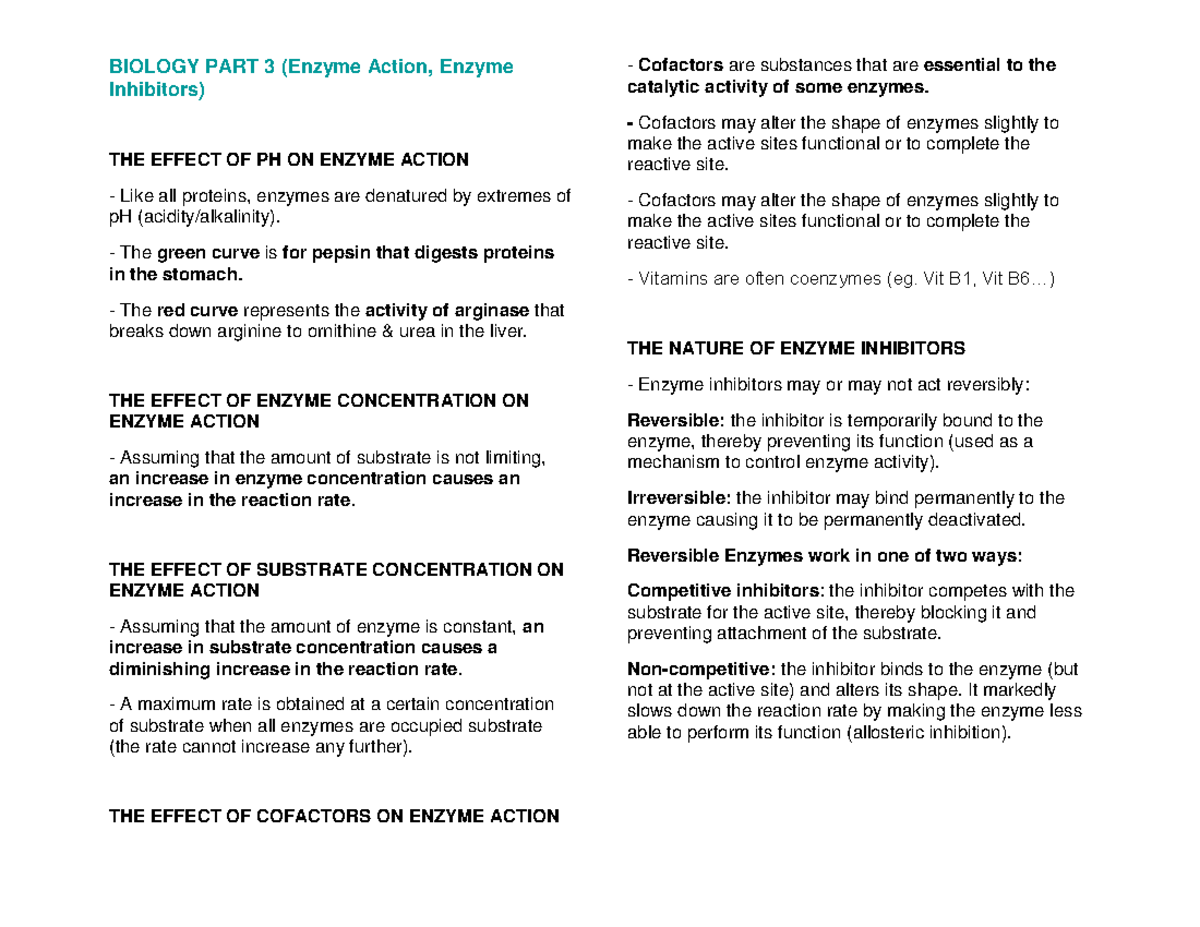
Understanding Biological Inhibitors: Mechanisms, Types, and Physiological Roles
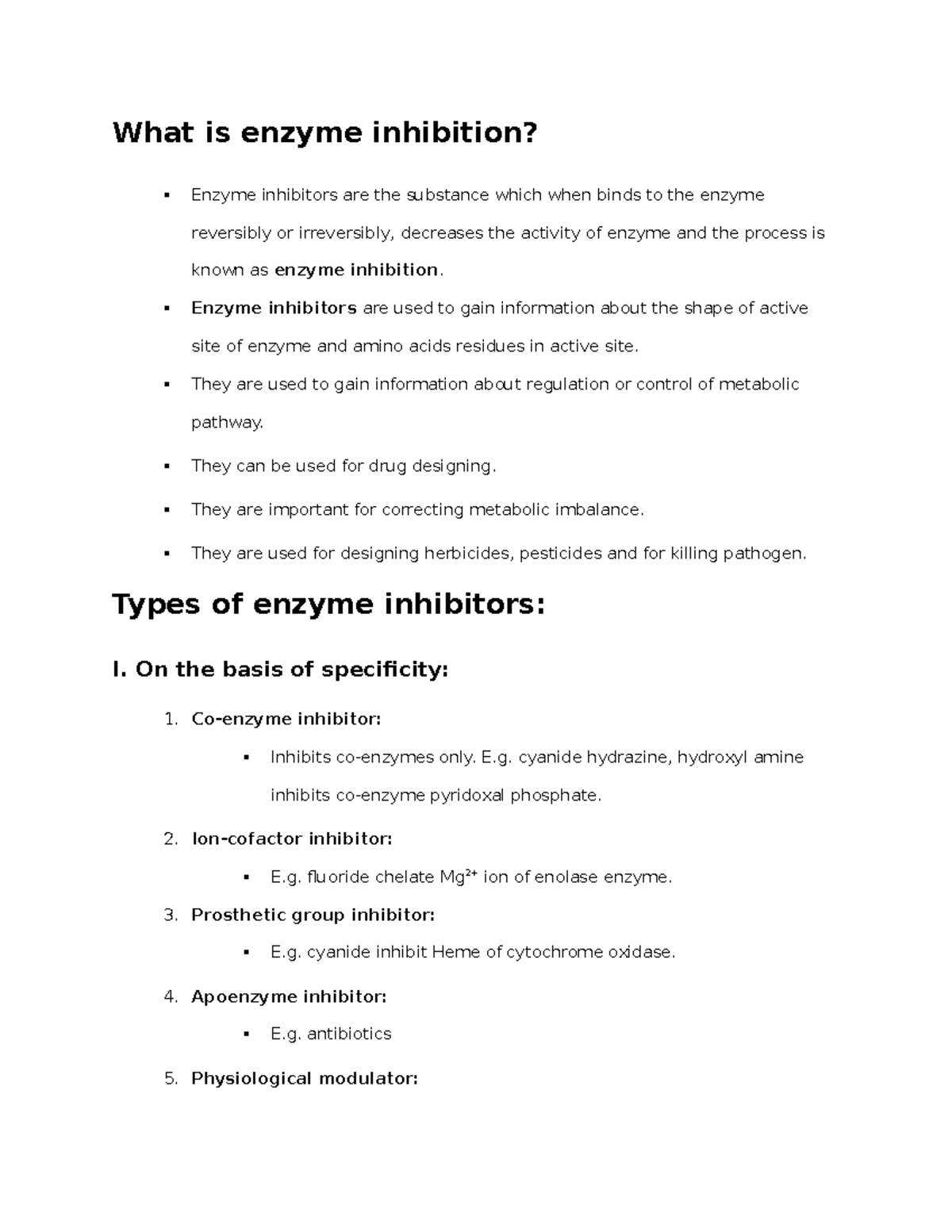
In biology, an inhibitor is a molecule that binds to an enzyme or another functional protein, decreasing its activity or preventing it from performing its intended chemical reaction. By modulating how enzymes interact with their substr...
In biology, an inhibitor is a molecule that binds to an enzyme or another functional protein, decreasing its activity or preventing it from performing its intended chemical reaction. By modulating how enzymes interact with their substrates, these molecules act as essential biological "brakes," allowing organisms to control metabolic pathways, signal transduction, and developmental processes with precision.
Contents
The Mechanism of Enzyme Inhibition
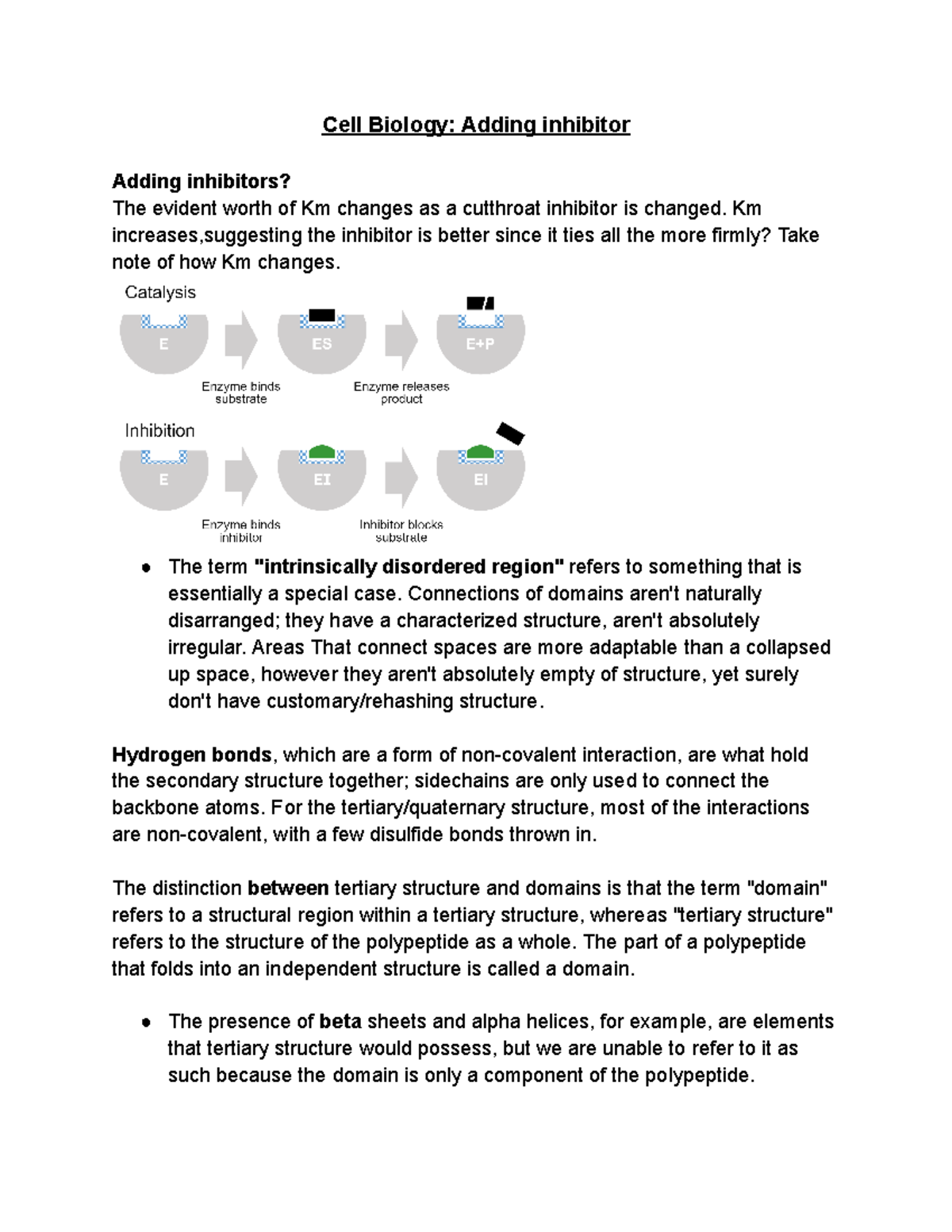
At the core of cellular function are enzymes—biological catalysts that accelerate chemical reactions by lowering the activation energy required for a substrate to convert into a product. An inhibitor functions by disrupting this catalytic cycle. The interaction between an inhibitor and an enzyme is governed by the principles of molecular recognition, specifically the structural fit between the inhibitor and the enzyme’s active site or regulatory sites.
When an inhibitor associates with an enzyme, it alters the enzyme’s conformation or physically blocks the active site, thereby preventing the substrate from binding. The effectiveness of this process is often determined by the binding affinity, usually measured as the dissociation constant ($K_d$) or the inhibition constant ($K_i$). A lower $K_i$ indicates that the inhibitor is highly potent, as it requires a lower concentration to inhibit 50% of the enzyme's activity.
Categorizing Inhibitors by Binding Mode
Biological inhibitors are broadly classified based on whether their interaction with the enzyme is reversible or irreversible. Understanding this distinction is vital for researchers in pharmacology and biochemistry, as it dictates the duration of the inhibitory effect.
1. Reversible Inhibition
Reversible inhibitors form non-covalent bonds (such as hydrogen bonds, hydrophobic interactions, or ionic bonds) with the enzyme. Because these bonds are relatively weak, the inhibitor can dissociate from the enzyme, allowing the enzyme to regain its functionality once the inhibitor is cleared or its concentration decreases.
- Competitive Inhibition: The inhibitor resembles the substrate and competes for access to the enzyme’s active site. If the concentration of the substrate is increased sufficiently, it can "outcompete" the inhibitor, restoring the reaction rate.
- Non-Competitive Inhibition: The inhibitor binds to a site other than the active site (an allosteric site). Binding causes a conformational change that renders the enzyme inactive, regardless of how much substrate is present.
- Uncompetitive Inhibition: The inhibitor binds only to the enzyme-substrate complex. This effectively traps the substrate in the active site and prevents the reaction from proceeding.
2. Irreversible Inhibition
Irreversible inhibitors form strong, covalent bonds with the enzyme, typically at the active site. Because the chemical modification of the enzyme is permanent, the enzyme is effectively destroyed or permanently inactivated. To restore activity, the cell must synthesize new enzyme molecules. These types of inhibitors are frequently utilized in specialized therapeutic contexts, such as certain cancer treatments or nerve agent antidotes.
Comparative Analysis of Inhibition Types
| Type of Inhibition | Binding Site | Effect on Substrate Affinity ($K_m$) | Effect on Reaction Velocity ($V_{max}$) | Reversibility |
|---|---|---|---|---|
| Competitive | Active Site | Increases | Unchanged | Reversible |
| Non-Competitive | Allosteric Site | Unchanged | Decreases | Reversible |
| Uncompetitive | Enzyme-Substrate | Decreases | Decreases | Reversible |
| Irreversible | Variable | N/A | Decreases | Permanent |
The Physiological Significance of Inhibition
Biological inhibition is not inherently detrimental; it is a fundamental requirement for homeostatic balance. If enzymes were constantly active at maximum velocity, cells would quickly exhaust their resources and accumulate toxic metabolic byproducts.
Metabolic Control
Feedback inhibition is a common regulatory strategy where the end product of a metabolic pathway acts as an inhibitor for an enzyme earlier in the same pathway. For example, if a cell has produced enough of a specific amino acid, that amino acid may bind to the first enzyme in the pathway, signaling the cell to stop production. This conserves energy and ensures that resources are allocated efficiently.
Signal Transduction
In cellular signaling, protein kinases are enzymes that add phosphate groups to other proteins to activate them. Inhibitors are often used to dampen these signals. For instance, in neural pathways, inhibitors help regulate the timing of nerve impulses, ensuring that signals are terminated appropriately once their work is done.
Therapeutic and Pharmacological Applications
The study of inhibitors is the cornerstone of modern drug development. By identifying specific inhibitors, researchers can target proteins associated with diseases while minimizing off-target effects on healthy cellular processes.
- Enzyme Replacement and Therapy: Many common medications are inhibitors. For example, statins are competitive inhibitors of the enzyme HMG-CoA reductase, which is essential for cholesterol synthesis in the liver. By inhibiting this enzyme, statins lower blood cholesterol levels.
- Antiviral Medications: Viral replication often relies on specialized viral enzymes that are not found in human cells. Protease inhibitors, used in the treatment of HIV and Hepatitis C, block the enzymes that viruses need to process their polyproteins into mature, infectious units.
- Toxicity and Hazards: Some inhibitors are extremely toxic because they target essential life-sustaining enzymes. Cyanide, for example, acts as an irreversible inhibitor of cytochrome c oxidase, a critical component of the mitochondrial electron transport chain. This inhibition stops cellular respiration, leading to rapid tissue death.
Factors Affecting Inhibitory Performance
The performance of an inhibitor in a biological system is rarely constant. Several factors influence how well an inhibitor operates:
- pH and Temperature: Enzymes have optimal conditions for activity. Deviations in pH or temperature can alter the structural integrity of the enzyme, changing the way an inhibitor binds to it.
- Substrate Concentration: In the case of competitive inhibitors, the ratio of substrate to inhibitor is the primary determinant of efficacy.
- Molecular Cooperativity: Some enzymes contain multiple active sites that interact with one another. When an inhibitor binds to one site, it can increase or decrease the affinity of the other sites for the substrate, a phenomenon known as allosteric regulation.
Frequently Asked Questions
Are all biological inhibitors harmful? No. Inhibitors are essential for life. While some are toxins, many are naturally occurring molecules that the body uses to manage metabolic rates and maintain homeostasis. Without these "brakes," cells would undergo uncontrolled reactions that would quickly become lethal.
Can a reversible inhibitor become irreversible? In standard biological contexts, these categories are distinct based on the bond energy. However, if a reversible inhibitor binds in a way that leads to a subsequent chemical reaction—such as the oxidation of the enzyme—it can become trapped, mimicking an irreversible effect.
How do scientists design new inhibitors? Scientists use a process called structure-based drug design. By using X-ray crystallography or cryo-electron microscopy, they determine the 3D shape of an enzyme's active site. They then use computer modeling to design small molecules that fit perfectly into that site, effectively "plugging" it.
What is the difference between an inhibitor and a poison? All poisons are not inhibitors, but many potent poisons act as inhibitors. A poison is a broader term for any substance that causes harm to an organism. An inhibitor is a specific mechanistic description of how a molecule interacts with a protein to reduce its function.
How is the effectiveness of an inhibitor verified? Effectiveness is typically verified through in vitro assays where the rate of a reaction is measured at various concentrations of the inhibitor. By plotting the reaction velocity against the inhibitor concentration, scientists can calculate the $IC_{50}$—the concentration of inhibitor required to reduce the enzyme activity by 50%.
Next Steps for Research and Study
If you are analyzing inhibition in a laboratory setting, the primary step is to determine the kinetic profile of your target. Use purified enzymes to establish a baseline $V_{max}$ and $K_m$ before introducing the potential inhibitor. Following this, observe changes in the Michaelis-Menten kinetics to classify the type of inhibition occurring. For clinical applications, prioritize studies that evaluate the specificity of the inhibitor, ensuring that the target enzyme is affected while similar isoforms in healthy tissues remain functional.
Image Gallery