Understanding Raw Milk Hospitalizations: Risks, Pathogens, and Public Health Data
Raw milk hospitalizations represent a significant metric tracked by public health agencies to measure the incidence of severe foodborne illness linked to the consumption of unpasteurized milk and dairy products. Unlike pasteurized milk...
Raw milk hospitalizations represent a significant metric tracked by public health agencies to measure the incidence of severe foodborne illness linked to the consumption of unpasteurized milk and dairy products. Unlike pasteurized milk, which undergoes a heat treatment process designed to neutralize harmful bacteria, raw milk retains its natural microbial flora, which can include dangerous pathogens capable of causing debilitating and sometimes life-threatening infections.
Contents
The Public Health Context of Unpasteurized Dairy
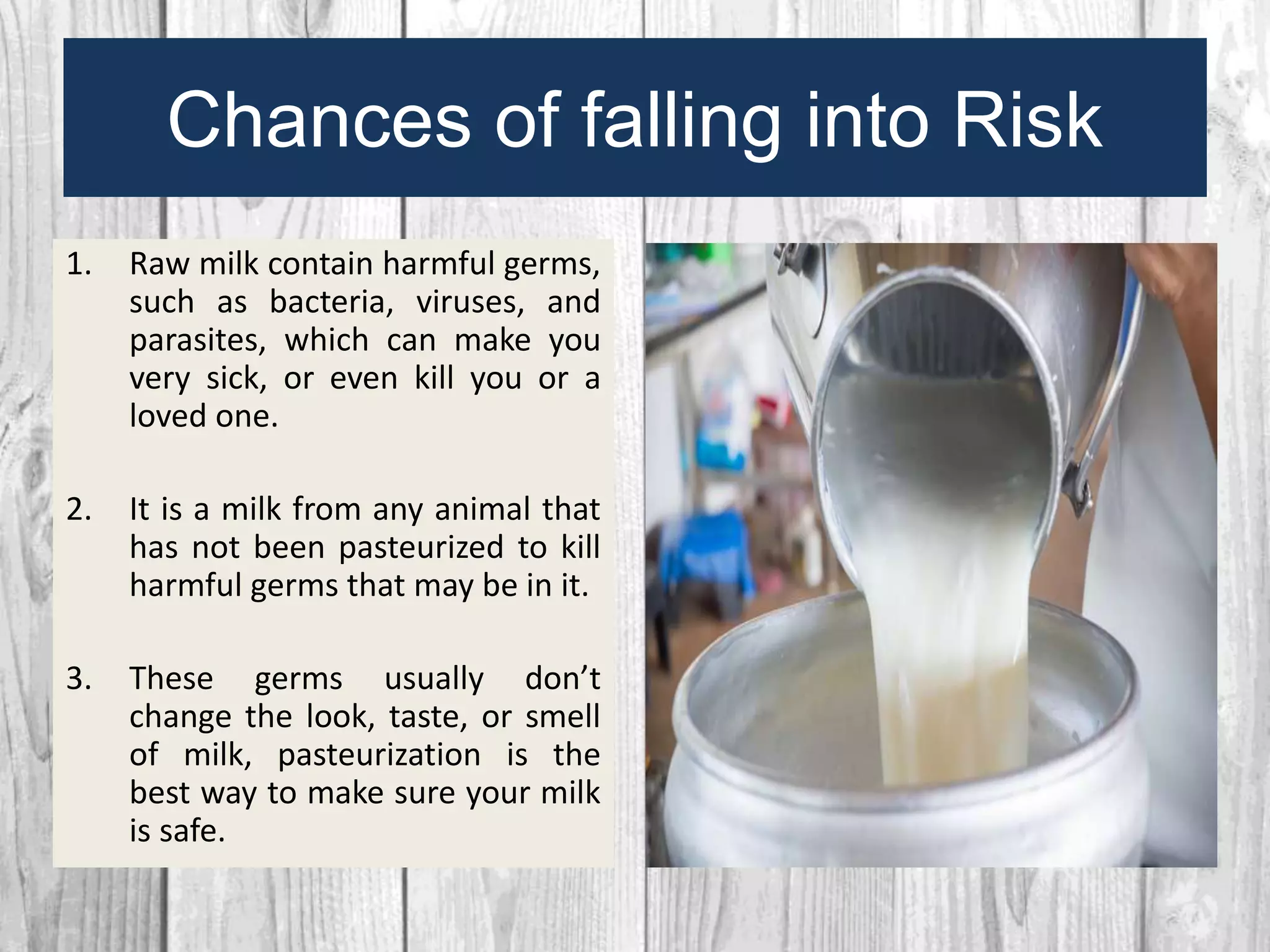
The consumption of raw milk has a dedicated following among consumers who believe it offers superior nutritional benefits, enzymes, and flavor compared to pasteurized alternatives. However, public health organizations—including the U.S. Food and Drug Administration (FDA) and the Centers for Disease Control and Prevention (CDC)—consistently highlight the substantial health risks associated with the practice.
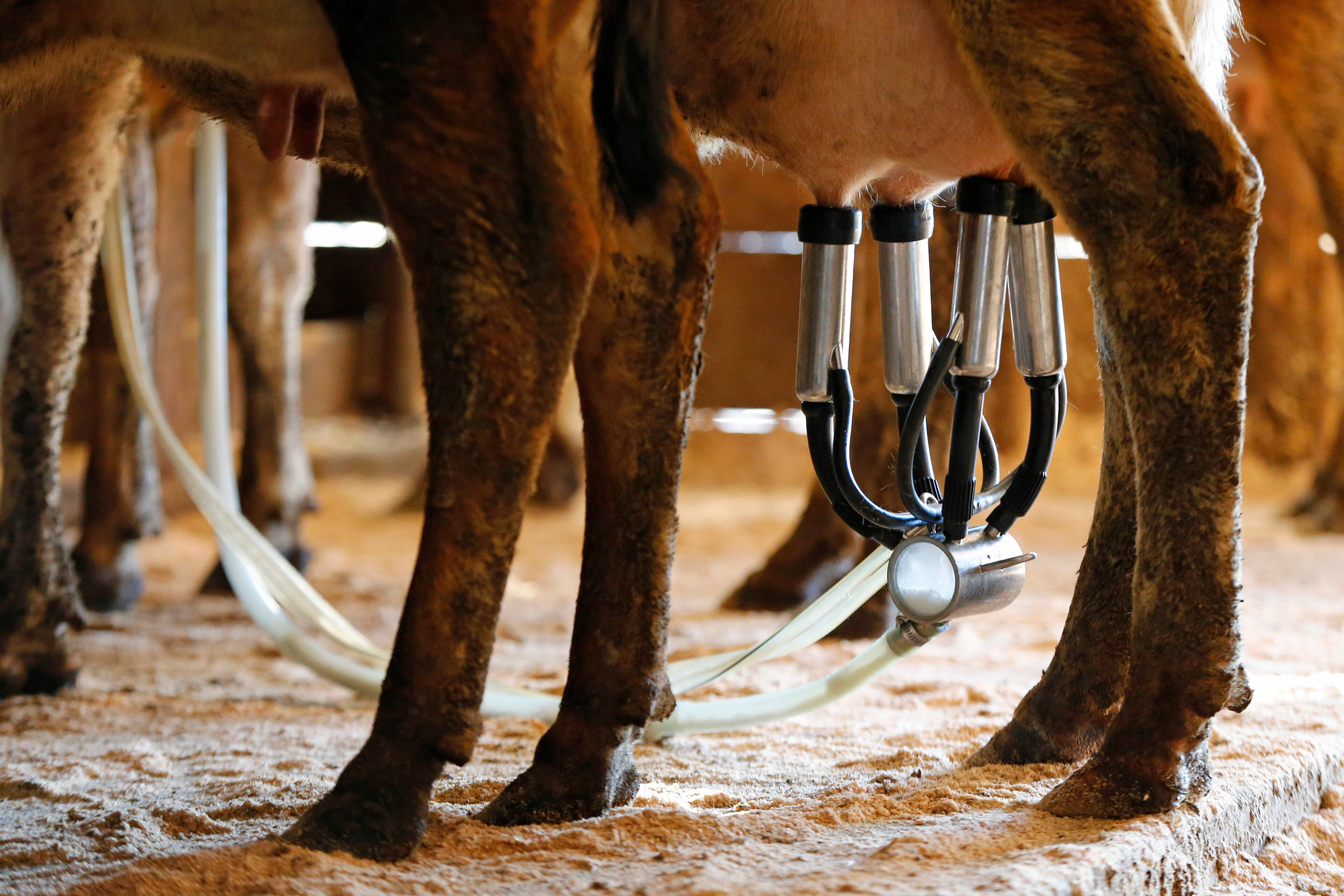
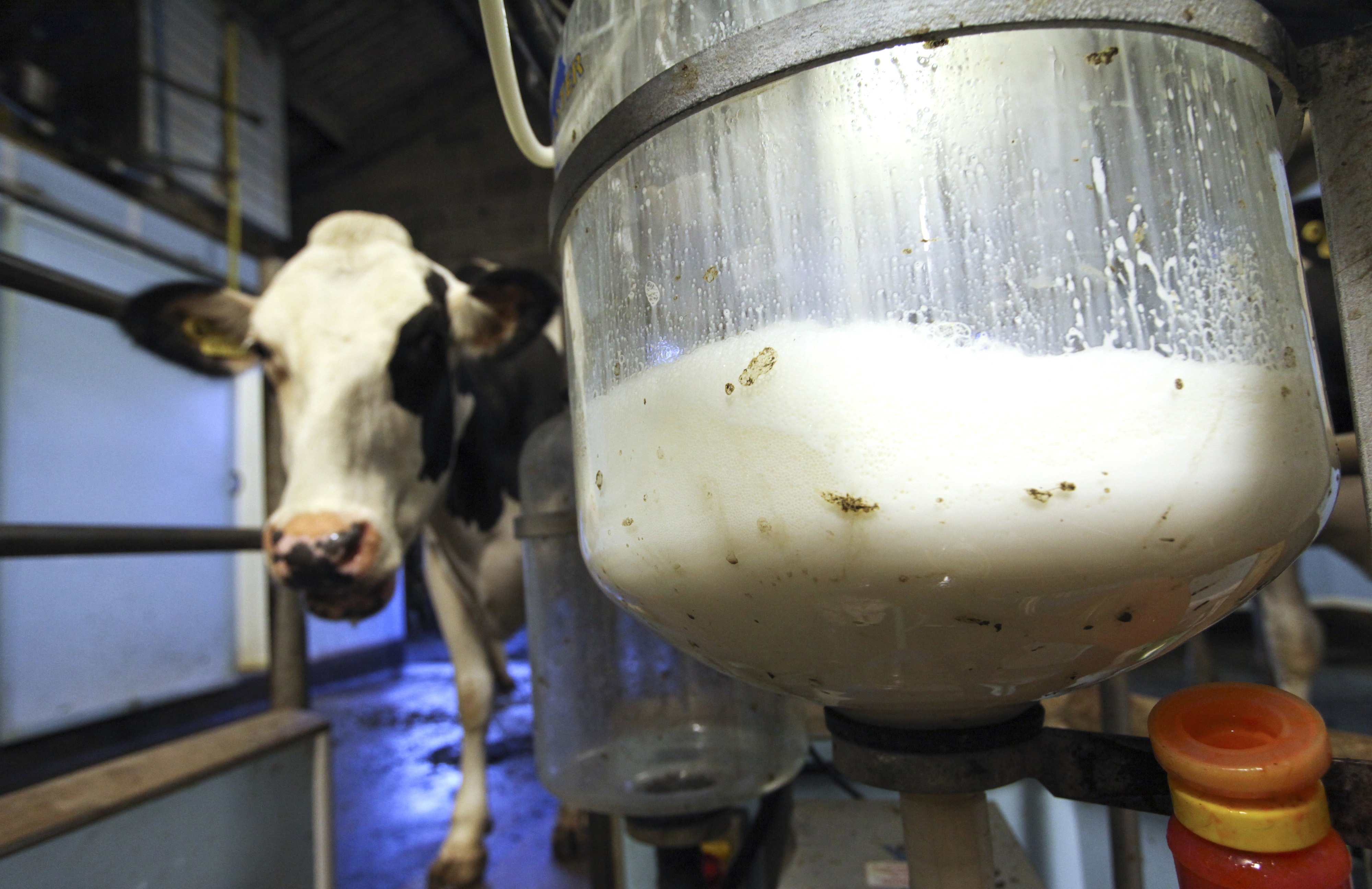
When animals such as cows, goats, and sheep are milked, pathogens from their skin, the environment, or the milking equipment can contaminate the milk. Without pasteurization—a process developed by Louis Pasteur in the 19th century—these pathogens multiply freely. Consequently, outbreaks of foodborne illness frequently trace back to unpasteurized dairy, leading to urgent medical interventions and, in severe cases, hospitalizations.
The Mechanism of Pasteurization
Pasteurization involves heating milk to a specific temperature for a set period to kill harmful microorganisms without significantly altering its nutritional value. Common methods include High-Temperature Short-Time (HTST) pasteurization and Ultra-High Temperature (UHT) processing.
| Method | Temperature | Duration | Primary Objective |
|---|---|---|---|
| HTST (Batch/Flash) | 72°C (161°F) | 15 seconds | Reduce viable microorganisms to safe levels |
| UHT (Aseptic) | 135°C (275°F) | 2 to 4 seconds | Extend shelf life at ambient temperatures |
| Raw (Unpasteurized) | None | None | Retain native microflora and enzymes |
As demonstrated by historical and contemporary data compiled by food safety regulators, the absence of this thermal barrier is the primary catalyst for severe bacterial infections among consumers of raw dairy.
Major Pathogens Associated with Raw Milk
Raw milk can harbor a diverse array of pathogenic bacteria, viruses, and parasites. When individuals consume contaminated products, these agents can breach the intestinal barrier, enter the bloodstream, or produce toxins that cause systemic organ failure.
Campylobacter Species
Campylobacter is one of the most frequently identified bacterial causes of diarrheal illness globally and is routinely isolated in raw milk outbreak investigations. Symptoms include severe abdominal cramping, fever, and diarrhea, which is often bloody. While most individuals recover without specific antibiotic treatment, complications can include reactive arthritis and Guillain-Barré syndrome, a rare neurological disorder characterized by nerve damage and muscle weakness.
Escherichia coli (STEC)
Shiga toxin-producing Escherichia coli strains, such as E. coli O157:H7, pose a severe risk to consumers. These bacteria produce potent toxins that can destroy red blood cells and damage the kidneys. This condition, known as hemolytic uremic syndrome (HUS), is a medical emergency that frequently requires hospitalization, blood transfusions, and dialysis, particularly in young children and older adults.
Listeria monocytogenes
Listeria is an opportunistic pathogen capable of surviving and multiplying even at refrigerated temperatures. Infection, or listeriosis, is particularly dangerous for pregnant women, newborns, and immunocompromised individuals. In pregnant women, it can cause miscarriage, stillbirth, premature delivery, or life-threatening infections in newborns. In other populations, it manifests as sepsis, meningitis, or encephalitis, demanding aggressive intravenous antibiotic therapy.
Other Notable Pathogens
Additional microbes commonly linked to raw milk hospitalizations include:
- Salmonella: Causes salmonellosis, characterized by severe diarrhea, fever, and abdominal cramps.
- Cryptosporidium: A microscopic parasite causing water-like diarrhea and gastrointestinal distress.
- Brucella: Causes brucellosis, a zoonotic infection leading to chronic flu-like symptoms, joint pain, and fatigue.
Epidemiological Trends and Statistical Insights
Data collected by federal and state health departments consistently demonstrate that raw milk is exponentially riskier than pasteurized milk. According to historical tracking by the CDC, outbreaks linked to unpasteurized dairy products account for a disproportionate percentage of all dairy-related foodborne illnesses, despite representing a tiny fraction of total milk consumption.
Vulnerable Populations and Severity of Illness
Children, pregnant women, the elderly, and individuals with compromised immune systems are vastly overrepresented in raw milk hospitalization statistics. Their immune defenses are often less equipped to handle high pathogen loads. When these groups ingest contaminated raw milk, the likelihood of systemic complications increases exponentially.
- Pediatric Cases: Children under the age of five account for a significant share of HUS cases stemming from E. coli contamination in raw milk. Their developing organ systems are exceptionally vulnerable to Shiga toxins.
- Elderly Patients: Older adults face higher rates of invasive listeriosis and salmonellosis, frequently requiring intensive care unit (ICU) admission and prolonged rehabilitation.
Legal Status, Access, and Regulatory Frameworks
The legal availability of raw milk varies significantly across different jurisdictions. In some regions, retail sale is strictly prohibited, while others permit sales directly from farms, through retail stores, or via herd-share agreements where consumers purchase a fractional share of a dairy animal to bypass direct sales bans.
Regulatory bodies emphasize that legal access does not equate to safety. Even when raw milk is produced under stringent sanitary standards and regular inspections, the natural biological variability of animals and environments means that harmful bacteria can still contaminate the final product. Consumers must evaluate these regulatory environments alongside personal health risk tolerances.
Prevention, Clinical Recognition, and Treatment
Mitigating the risks associated with unpasteurized dairy requires robust public health education and prompt medical evaluation when symptoms arise.
Clinical Diagnosis
Healthcare providers diagnose raw milk-associated illnesses through stool cultures, blood tests, or polymerase chain reaction (PCR) assays. Identifying the specific pathogen is critical, as administering certain antibiotics for specific strains of E. coli can increase the release of toxins and worsen the risk of HUS.
Supportive Care and Interventions
For patients hospitalized due to severe dehydration, electrolyte imbalances, or organ complications, treatment typically involves:
- Fluid Resuscitation: Intravenous administration of fluids and electrolytes to restore hydration.
- Renal Support: Dialysis for patients suffering acute kidney injury from HUS.
- Targeted Antimicrobial Therapy: Used selectively when bacterial invasion is confirmed and safe for the specific pathogen identified.
Frequently Asked Questions
What makes raw milk more dangerous than pasteurized milk?
Raw milk has not undergone pasteurization, a heating process designed to eliminate harmful pathogens such as E. coli, Listeria, Salmonella, and Campylobacter. Without this barrier, bacteria present in the environment or on the animal can multiply freely, increasing the risk of severe foodborne illness.
Who is most at risk of hospitalization from consuming raw milk?
Young children, pregnant women, older adults, and individuals with weakened immune systems face the highest risk of severe illness and hospitalization. These groups are more vulnerable to complications like hemolytic uremic syndrome and invasive listeriosis.
Can certified organic or grass-fed raw milk be guaranteed pathogen-free?
No. While farming practices focused on hygiene, cleanliness, and grass-fed diets can reduce overall bacterial loads, they cannot eliminate the risk of contamination. Pathogens can enter milk naturally from the animal or the milking environment regardless of farming methods.
What are the common symptoms of a severe raw milk infection?
Symptoms typically include severe stomach cramps, bloody diarrhea, vomiting, and high fever. Depending on the specific pathogen, symptoms can escalate to neurological issues, kidney failure, or systemic sepsis requiring immediate emergency medical care.
Are herd-share agreements safer than buying raw milk in stores?
From a microbiological standpoint, herd-share agreements do not reduce pathogen risk. Although they operate under different legal frameworks to bypass retail sales bans, the milk remains unpasteurized and carries the same inherent bacterial hazards as store-bought raw milk.
Recommendations for Public Health Safety
Consumers concerned about minimizing foodborne illness risks are strongly advised to select pasteurized dairy products. For individuals choosing to consume raw milk despite public health warnings, staying informed about local regulatory standards, monitoring dairy farm sanitation reports, and seeking immediate medical attention upon experiencing gastrointestinal distress are critical steps. Healthcare professionals should consider unpasteurized dairy consumption in differential diagnoses for patients presenting with acute bloody diarrhea or systemic foodborne symptoms.
Image Gallery