What Does a Term Life Insurance Withdrawal Mean?
Strictly speaking, a term life insurance withdrawal does not exist in standard policies because term life insurance builds zero cash value. Unlike permanent life insurance, term coverage provides pure financial protection for a fixed p...
Strictly speaking, a term life insurance withdrawal does not exist in standard policies because term life insurance builds zero cash value. Unlike permanent life insurance, term coverage provides pure financial protection for a fixed period. However, policyholders can access emergency funds under specific circumstances, such as accelerated death benefit riders, return-of-premium riders, or policy conversions.
Contents
Can You Withdraw Money from a Term Life Insurance Policy?
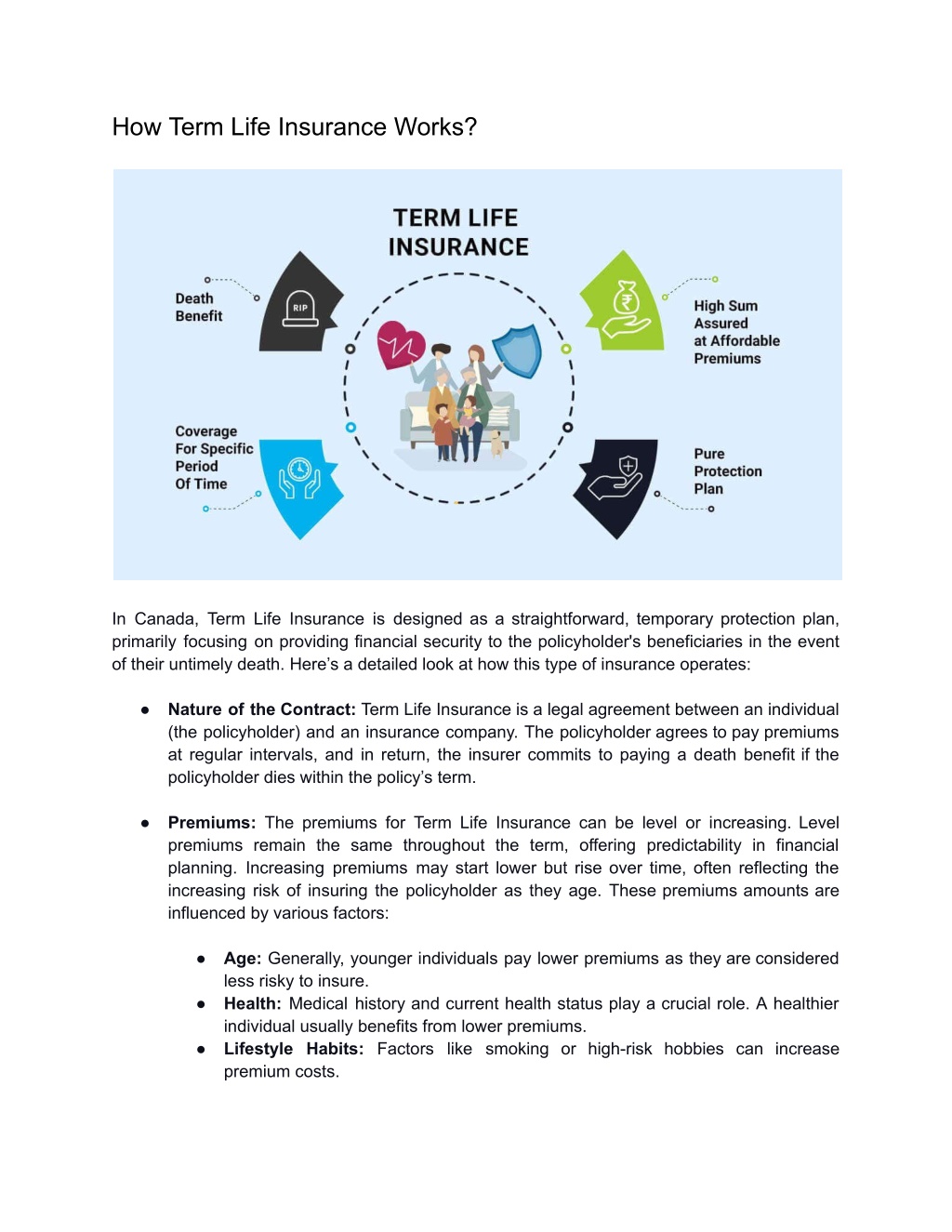
To understand why a withdrawal is generally impossible with term coverage, it helps to examine how term life insurance operates. When you purchase a term life policy—whether for a duration of 10, 20, or 30 years—your premium payments go exclusively toward securing a death benefit for your named beneficiaries.
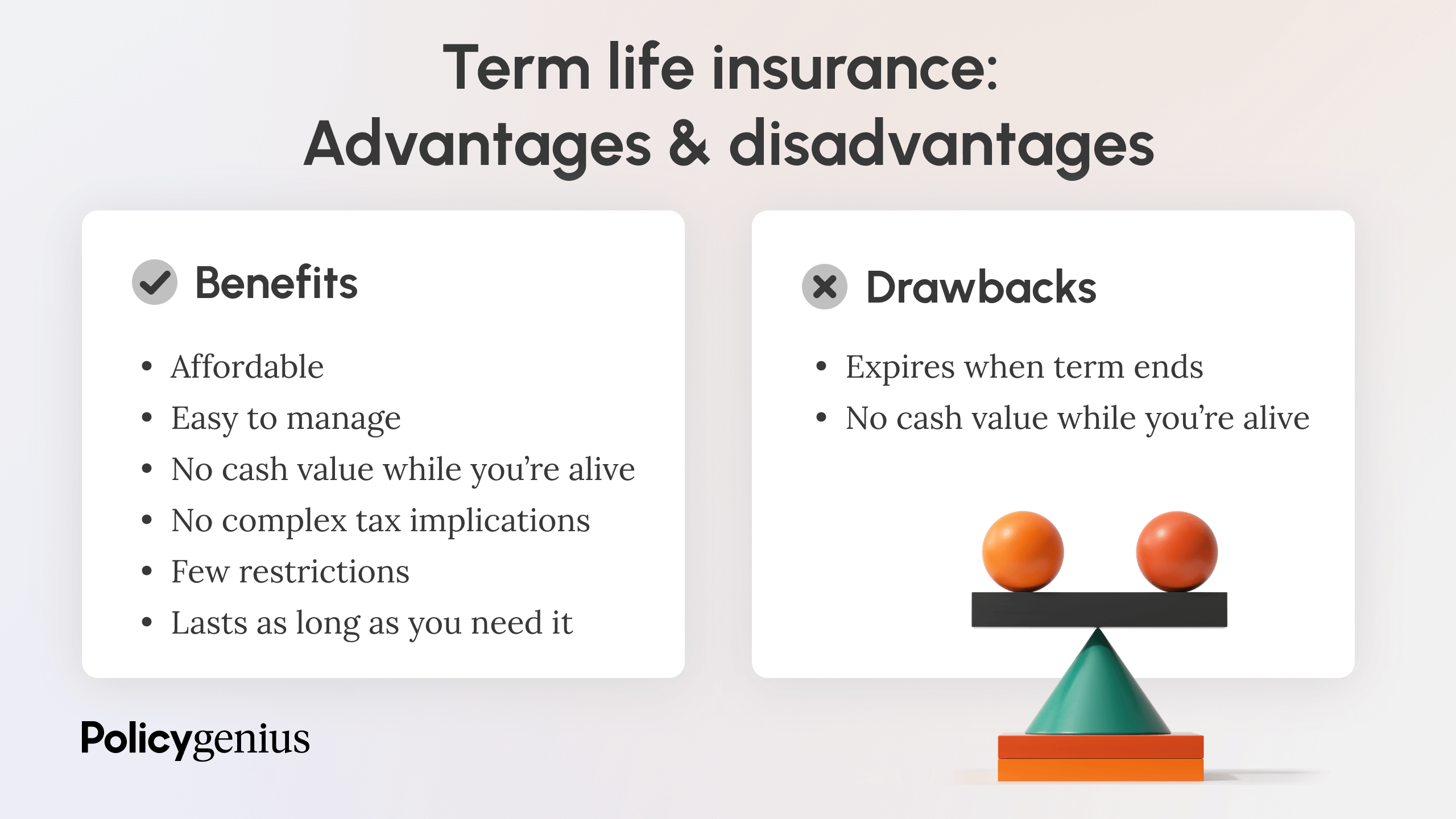
Unlike permanent policies, pure term life insurance does not include an equity or investment component. There is no cash accumulation account embedded within the contract. If you maintain the policy for its entire duration and do not pass away, the policy simply expires without a payout. Similarly, if you choose to cancel or surrender a standard term life insurance contract early, coverage stops, and the insurer retains all premiums paid up to that point.
Because there is no accumulated asset within the contract, insurance companies cannot process a cash withdrawal or issue a policy loan against a traditional term life policy. When policyholders search for a "term life insurance withdrawal," they are typically looking for ways to access liquid funds from their policy or confusing term insurance with permanent cash-value policies like whole life or universal life.
Why Term Life Insurance Is Confused with Cash-Value Policies
The widespread confusion surrounding term life withdrawals stems from the broader marketing of life insurance products, where permanent policies are often highlighted for their living benefits and cash growth. Understanding the architectural differences between insurance types clarifies why cash access varies so dramatically.
Life Insurance Types:
- Term Life Insurance
- Pure Risk Protection
- No Accumulated Value
- No Withdrawal Rights
- Permanent Life (Whole/Universal Life)
- Dual Component: Death Benefit + Tax-Deferred Cash Account
- Withdrawals & Loans Allowed
Pure Risk Protection vs. Asset Accumulation
Term life insurance is designed as pure risk protection. Every dollar paid toward premiums covers the mortality risk assumed by the carrier, administrative expenses, and carrier overhead. Because no portion of the premium is redirected into an internal interest-bearing or market-linked sub-account, the equity balance remains zero throughout the policy life cycle.
Permanent Life Insurance Mechanisms
In contrast, permanent life insurance products—such as whole life, universal life, variable universal life, and indexed universal life—are structured with two distinct components: a death benefit and an internal cash value account. A portion of each premium payment is funneled into the cash value balance, where it grows on a tax-deferred basis according to fixed interest rates, dividend declarations, or underlying market indexes.
Policyholders holding permanent insurance can withdraw cash directly from this accumulated equity, borrow against it using policy loans, or surrender the policy for its net cash value. According to the National Association of Insurance Commissioners (NAIC), policyholders must carefully review their specific contract language to confirm whether their policy is term or permanent before attempting to request a cash distribution.
Exceptions and Alternatives: How to Get Cash from a Term Policy
While standard term policies do not offer a traditional savings withdrawal option, there are specific riders, policy features, and secondary market transactions that allow term policyholders to access funds while alive.
1. Accelerated Death Benefit Riders (Living Benefits)
Many modern term life insurance contracts include an Accelerated Death Benefit (ADB) rider, often referred to as a living benefit. Under IRS Section 101(g), policyholders who are diagnosed with a qualifying terminal illness (typically defined as having a life expectancy of 12 to 24 months) or a severe chronic condition can access a portion of their policy's death benefit early.
- How it works: The insurer advances a percentage of the total face value (for example, 25% to 80%) to the policyholder to cover medical treatments, end-of-life care, or personal expenses.
- Impact on payout: The amount requested, plus an administrative fee or discounted interest charge, is subtracted directly from the ultimate death benefit paid to beneficiaries upon the insured's passing.
- Tax treatment: Accelerated death benefits received by a terminally ill individual are generally exempt from federal income tax.
2. Return of Premium (ROP) Term Riders
A Return of Premium (ROP) term life insurance policy is a specialized policy variation where the insurer agrees to refund 100% of the paid premiums if the insured outlives the selected term.
- Higher Premiums: ROP policies cost significantly more than standard term insurance—often two to three times as much.
- Partial Returns on Cancellation: If you cancel an ROP policy before the full term ends, some contracts offer a modest partial cash return (a tiered surrender value) after a minimum threshold of years, usually 5 to 10 years. While technically a payout upon surrender rather than a partial flexible withdrawal, it represents one of the few ways to receive funds back from a term-based product.
3. Life Settlements and Viatical Settlements
If you own a term life insurance policy that you no longer need or can no longer afford, you may be eligible to sell the policy on the secondary market through a life settlement or viatical settlement.
- Life Settlement: The policyholder sells the ownership rights of the term contract to an institutional investor for a lump-sum cash payment. The cash payout is greater than the policy's surrender value (which is zero for standard term) but lower than the total death benefit. The purchaser assumes responsibility for paying all future premiums and collects the full death benefit when the insured passes away.
- Viatical Settlement: Similar to a life settlement, but specifically designed for individuals with a terminal or chronic illness.
- Regulatory Oversight: The Financial Industry Regulatory Authority (FINRA) advises policyholders that selling a life insurance contract can have significant tax consequences, impact eligibility for public assistance programs like Medicaid, and expose personal medical records to third-party settlement providers.
4. Policy Conversion Privileges
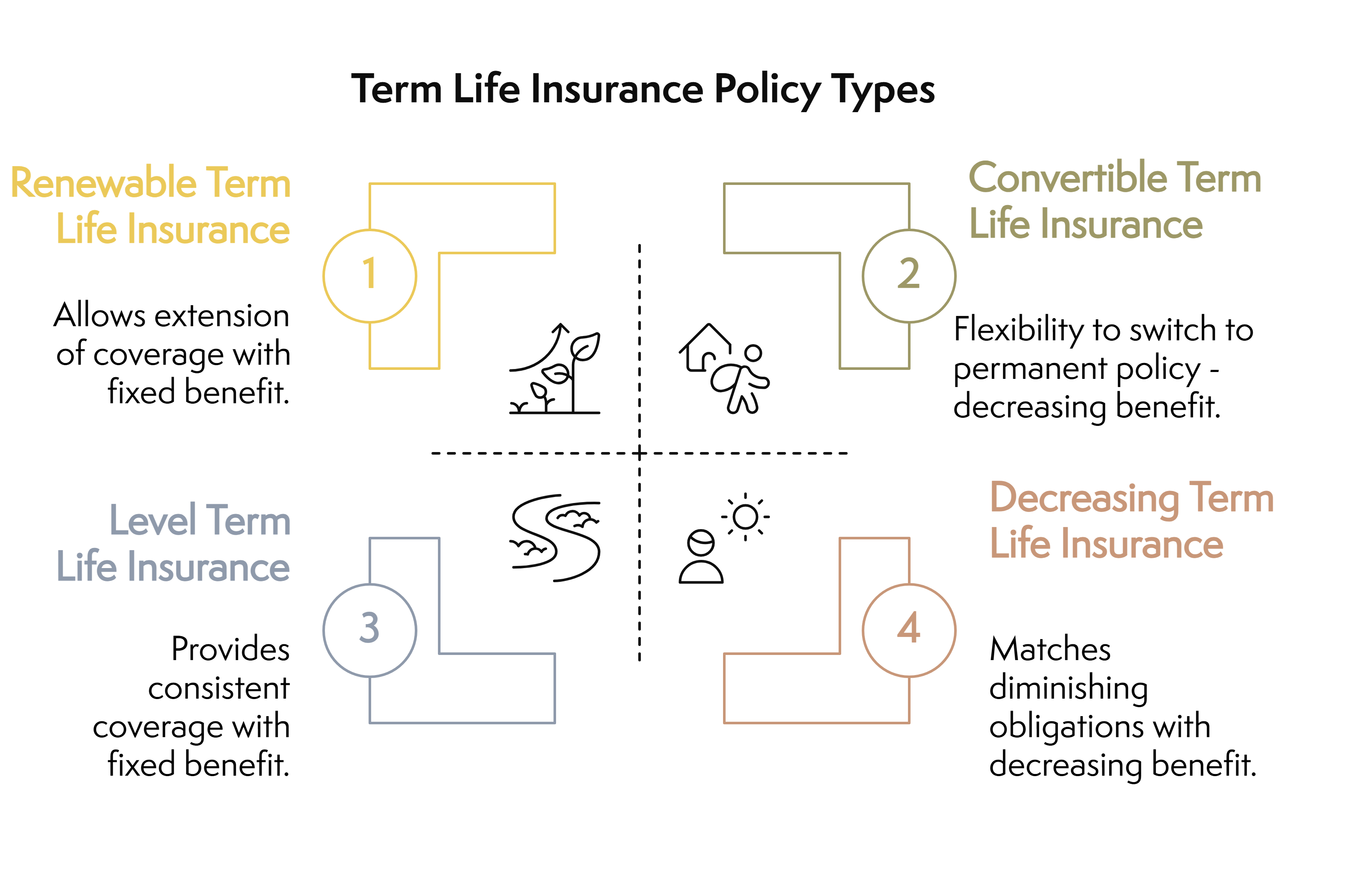
Most quality term life insurance policies include a Convertible Term Rider. This clause allows you to convert your term coverage into a permanent whole or universal life insurance policy without undergoing a new medical exam or proving insurability.
Once converted, the new permanent policy begins building cash value over time as you make premium payments. After sufficient cash value has accumulated (usually after several years), you gain the ability to take policy withdrawals or loans against the contract balance.
How Cash Value Withdrawals Work in Permanent Policies
If you discover that your policy is actually a permanent contract (or if you convert a term policy to permanent), understanding how cash value access functions is critical for protecting your wealth.
Permanent Policy Cash Access:
- Cash Value Withdrawal
- Reduces Cash Value & Death Benefit
- FIFO Tax Treatment (Tax-Free to Basis)
- Policy Loan
- Uses Cash Value as Collateral
- Accrues Interest
- No Tax if Active
- Full Surrender
- Terminates Policy Completely
- Surrender Charges
- Surrender Taxes apply
Partial Cash Value Withdrawals
When you request a partial cash withdrawal from a permanent policy, the insurance company sends you a direct payout taken directly from your cash account balance.
Under U.S. tax rules governed by the Internal Revenue Code (IRC Section 72), cash value withdrawals are taxed on a First-In, First-Out (FIFO) basis, provided the policy is not classified as a Modified Endowment Contract (MEC). This means your withdrawals are treated as a tax-free return of your paid premiums (your cost basis) first. Only after you withdraw more than your total cumulative premiums do subsequent withdrawals become taxable as ordinary income.
A cash withdrawal permanently reduces both the remaining cash value balance and the net death benefit payable to your beneficiaries.
Policy Loans vs. Cash Withdrawals
Instead of taking a direct withdrawal, many policyholders choose to take a policy loan.
- Mechanism: The insurance company lends you money from its cash reserves, using your policy's cash value balance as collateral.
- Tax Advantages: Policy loans are not considered taxable distributions, even if the borrowed amount exceeds your premium cost basis, provided the policy remains active and in force.
- Interest and Repayment: Interest accrues on the loan balance. You are not legally required to make monthly loan payments, but unpaid interest is added to the principal balance. If the total outstanding loan balance exceeds the cash value, the policy risks lapsing, which triggers substantial income tax liabilities on all gains.
Comparing Cash Access Across Insurance Types
The following table summarizes the structural differences, cash access rules, tax implications, and death benefit impacts across term and permanent insurance products.
| Feature / Policy Type | Standard Term Life | Term with Return of Premium (ROP) | Whole Life Insurance | Universal Life Insurance |
|---|---|---|---|---|
| Cash Value Accumulation | None ($0) | None (Returns premiums at term end) | Guaranteed cash value accumulation | Variable cash value based on interest/indexes |
| Direct Cash Withdrawals | Not Allowed | Not Allowed (Refund paid at expiration/surrender) | Allowed (Tax-free up to cost basis) | Allowed (Subject to contract minimums and fees) |
| Policy Loans Available? | No | No | Yes (Using cash value as collateral) | Yes (Fixed or variable interest rates) |
| Living Benefit Access | Yes (via Accelerated Death Benefit rider) | Yes (via Accelerated Death Benefit rider) | Yes (via Accelerated Death Benefit rider) | Yes (via Accelerated Death Benefit rider) |
| Impact of Cash Access on Payout | Reduces death benefit dollar-for-dollar | Cancels or reduces future premium refunds | Permanently reduces cash value and death benefit | Reduces cash value and total death benefit |
| Tax Treatment of Distributions | Accelerated benefits generally tax-free | Refund of premiums is tax-free return of capital | Tax-free up to basis; gains taxed as ordinary income | Tax-free up to basis (non-MEC policies) |
Tax Implications and Financial Risks
Attempting to access liquidity from any life insurance agreement involves distinct regulatory guidelines and tax implications that policyholders must evaluate carefully.
1. Cost Basis Rules (FIFO vs. LIFO)
For standard permanent contracts, withdrawals follow FIFO accounting, allowing tax-free access to your contributions. However, if a policy receives excess funding within a short period, the IRS reclassifies it as a Modified Endowment Contract (MEC) under IRC Section 7702A.
Distributions from a MEC follow Last-In, First-Out (LIFO) tax accounting. This means earnings are withdrawn first and taxed immediately as ordinary income. Additionally, if you take a withdrawal from a MEC before reaching age 59½, the IRS imposes a 10% early withdrawal penalty on the taxable portion.
2. Impact on Death Benefit Guarantees
Every dollar removed from an insurance policy through a withdrawal or an un-repaid policy loan directly reduces the protection left for surviving dependents. If a policyholder relies on term life insurance to cover a primary mortgage or fund high-value obligations, taking an accelerated death benefit advance leaves remaining family members exposed to financial gaps.
3. Surrender Charges and Fees
If you convert a term policy into permanent coverage and subsequently decide to cancel or withdraw cash within the first 10 to 15 years, insurance carriers assess heavy surrender fees. These administrative charges can erase a significant portion of the accumulated cash value, leaving you with substantially less capital than expected.
Practical Steps: What to Do If You Need Cash Right Now
If you currently hold a term life insurance policy and face an urgent need for liquidity, follow this structured process to evaluate your legal options:
Action Plan for Term Policyholders:
- Step 1: Review Policy Page
- Check policy type & rider provisions
- Step 2: Check Rider Options
- Identify Accelerated Death Benefits or ROP
- Step 3: Explore Conversions
- Convert term to permanent coverage
Step 1: Review Your Policy Declaration Page
Locate the original policy schedule or log into your insurance carrier's digital portal. Verify the exact plan type. Look for key phrase designations such as Level Term, Flexible Premium Universal Life, or Whole Life. Confirm whether your policy has built any accumulated cash value.
Step 2: Check for Living Benefit Riders
Read your policy contract to see if an Accelerated Death Benefit rider or Critical Illness rider is attached. If you face a severe medical condition, contact your carrier's claims department to request the medical certification paperwork required to initiate an advance benefit payout.
Step 3: Evaluate Conversion Options
Review your conversion privilege deadlines. Most term policies allow conversion without medical underwriting up to a specific age (such as age 65 or 70) or within the first 10 years of the policy term. If you need cash value accumulation for long-term retirement planning, converting a portion of your term policy into permanent coverage may be a practical path.
Step 4: Obtain a Secondary Market Valuation
If you are over age 65 or have experienced changes in your health, contact a licensed life settlement broker. Request a policy valuation to see if your term contract holds cash market value on the secondary settlement market.
Frequently Asked Questions
Why can't I withdraw money from my 20-year term life insurance policy?
Standard 20-year term life insurance policies do not contain a savings or investment account balance. Premiums pay strictly for pure mortality protection during those 20 years. Because there is no underlying cash account balance, there are no liquid funds available to withdraw.
What happens to the money I paid into term life insurance if I cancel it early?
If you cancel a standard term life insurance policy before the coverage period ends, the insurance carrier retains all premiums paid to cover the historical cost of risk protection during the active period. The contract terminates, coverage ceases, and no money is returned to you unless you purchased a Return of Premium (ROP) rider.
Can I borrow money from my term life insurance policy?
No, you cannot take out a policy loan against a term life insurance policy. Policy loans require accumulated cash value to serve as financial collateral. Since term life insurance carries no cash value balance, insurers cannot issue policy loans against term contracts.
Is an accelerated death benefit taxable?
Under federal tax law (IRS Section 101(g)), accelerated death benefit payments received by an individual who is certified as terminally ill by a licensed healthcare practitioner are generally received tax-free. If benefits are paid due to chronic illness, annual cap limits set by the IRS may apply.
Can I sell my term life insurance policy for cash?
Yes, through a life settlement or viatical settlement. If you meet qualifying eligibility criteria—typically being over age 65 or having a serious health condition—you can sell your term policy (or convertible term policy) to a third party for an upfront lump-sum cash payment.
Final Recommendation for Policyholders
Before taking action on a term life insurance policy, verify the exact structure of your insurance contract with your carrier. If you hold a standard term policy and need liquidity due to medical circumstances, review your contract for accelerated death benefit provisions. If you simply no longer require coverage, evaluate whether selling the policy through a life settlement or exercising a convertible term option offers greater financial value than allowing the policy to lapse. For complex estate planning, tax implications, or high-value transactions, consult with a certified financial planner (CFP) or tax advisor to protect your long-term position.
Image Gallery