Understanding the Historical Impact and Archival Record of Columbine Shooting Pictures
The search query for a "columbine shooting picture" primarily drives users toward historical archives, documentary photography, and journalistic records from the April 20, 1999, tragedy at Columbine High School. Accessing these visual...
The search query for a "columbine shooting picture" primarily drives users toward historical archives, documentary photography, and journalistic records from the April 20, 1999, tragedy at Columbine High School. Accessing these visual records involves navigating a complex landscape of journalistic ethics, public domain historical archives, and digital content policies established by educational institutions and law enforcement agencies.
Contents
The Historical Context of Columbine Documentation
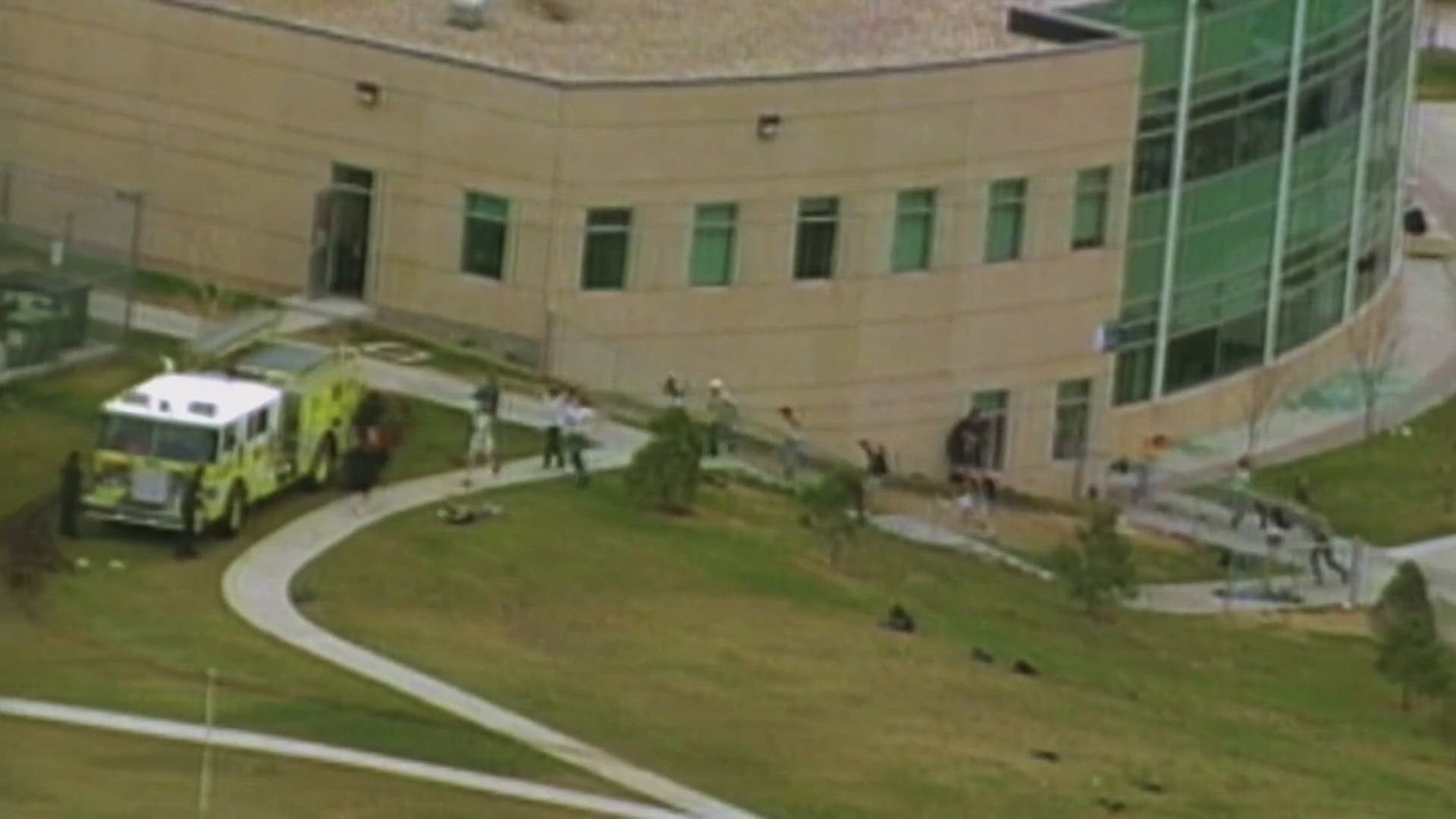
The documentation of the April 20, 1999, tragedy at Columbine High School in Littleton, Colorado, represents a watershed moment in modern media history. As events unfolded at the high school, local and national news outlets broadcast live aerial and ground footage, capturing the immediate emergency response of the Jefferson County Sheriff's Department, SWAT teams, and local fire rescue units.
In the decades following the incident, the visual record expanded from standard television broadcasts and print journalism to include extensive investigative reports, congressional documentation, and academic studies on media contagion and crisis reporting. Archivists, researchers, and educators access these materials through established repositories such as the Jefferson County Archives, the Pitkin County collections, and academic libraries specializing in modern American history and media ethics.
Ethical Boundaries and Digital Distribution of Crisis Imagery
The dissemination and search behavior surrounding crisis photography are heavily regulated by platforms, ethical journalism guidelines, and copyright laws. Major search engines and social media networks enforce strict content moderation policies regarding graphic violence, crime scene imagery, and photos that exploit victims or perpetuate harm.
When evaluating historical records of high-profile tragedies, information seekers often encounter a strict demarcation between educational documentation and sensationalized media.
- Journalistic Integrity: Recognized news organizations adhere to strict self-regulatory codes that limit the publication of graphic crime scene imagery out of respect for victims' families and survivors.
- Platform Policies: Digital platforms utilize automated filters and human moderators to restrict the indexing and sharing of unauthorized graphic photographs, particularly those originating from leaked law enforcement files.
- Archival Access: Legitimate educational resources focus on structural overviews, memorial tributes, architectural diagrams, and press photographs that document the societal response rather than explicit trauma.
Official Investigative Records and Public Archives
Official documentation of the incident is preserved primarily through governmental and law enforcement transparency frameworks. The definitive public record is maintained through the extensive reports compiled by the Jefferson County Sheriff's Office, alongside independent investigations conducted by the FBI and the Governor’s Columbine Review Commission.
| Record Type | Primary Repository | Access Method & Content Scope |
|---|---|---|
| Investigative Reports | Jefferson County Archives | Publicly accessible redacted documents detailing timeline, ballistic evidence, and witness testimony. |
| Media Photographs | Associated Press & Getty Images | Licensed professional photojournalism capturing external rescue operations, vigils, and memorials. |
| Legislative Studies | U.S. Government Publishing Office | Congressional hearings and policy briefs focusing on school safety, emergency response protocols, and mental health. |
| Architectural Layouts | Colorado Department of Public Safety | Declassified blueprints and facility diagrams utilized in historical emergency response evaluations. |
Media Evolution: From Print Archives to Digital Repositories
The transition of historical records from physical archives to digital databases has transformed how historical tragedies are researched. In 1999, the internet was in a transitional phase regarding multimedia delivery; most imagery was distributed via nightly news broadcasts, broadsheet newspapers, and weekly news magazines. Today, digital aggregators index decades-old print media, allowing researchers to study the evolution of crisis reporting.
Researchers studying media history must differentiate between primary source documentation and derivative internet content. Primary sources include official government reports, contemporaneous newspaper archives, and peer-reviewed sociological studies. Derivative content often found on unverified web forums frequently lacks context, accuracy, or editorial oversight.
Comparative Analysis of Historical Documentation Sources
Evaluating the credibility of historical sources regarding major historical events requires understanding the origin and oversight of the material.
- Academic Journals: Provide peer-reviewed analysis of the psychological, sociological, and media-impact dimensions of the event without relying on sensational imagery.
- Mainstream News Archives: Offer chronologically accurate, edited photographic and written documentation of the day's events and subsequent memorials.
- Government and Law Enforcement Portals: Deliver raw factual data, operational timelines, and policy modifications implemented following the incident.
- Unverified Online Forums: Present high risks for misinformation, altered imagery, and copyright infringement without editorial accountability.
Frequently Asked Questions
Where can official historical records of the Columbine tragedy be found?
Official records are maintained by public archives, including the Jefferson County Archives and state government repositories. These entities provide access to redacted investigative files, public safety reviews, and policy documents intended for academic and journalistic research.
Are graphic crime scene photographs publicly available?
No. Law enforcement agencies and judicial authorities restrict the public distribution of graphic crime scene imagery to protect the privacy and dignity of the victims and their families, as well as to comply with state and federal privacy statutes.
How do search engines handle searches for historical tragedy imagery?
Search engines employ algorithmic filters to prioritize authoritative news sources, educational summaries, and official historical archives while suppressing unverified, graphic, or sensationalized user-uploaded content.
What role do archival photographs play in modern security training?
Law enforcement agencies and emergency management planners utilize historical documentation, timelines, and operational photographs to train personnel in active threat response, inter-agency communication, and crisis mitigation strategies.
How has the media reporting of school tragedies changed since 1999?
Modern journalistic standards increasingly emphasize minimizing the notoriety of perpetrators, focusing heavily on community resilience, victim support, and systemic prevention strategies rather than repetitive broadcasting of graphic visual media.
Navigating Historical Research Responsibly
For educators, students, and researchers examining the historical record of April 20, 1999, reliance on verified institutional archives, peer-reviewed literature, and established journalistic standards ensures historical accuracy while respecting ethical boundaries. Prioritizing primary government documents and professional photojournalism provides an objective, comprehensive understanding of the event and its enduring impact on American society and emergency preparedness protocols.
Image Gallery