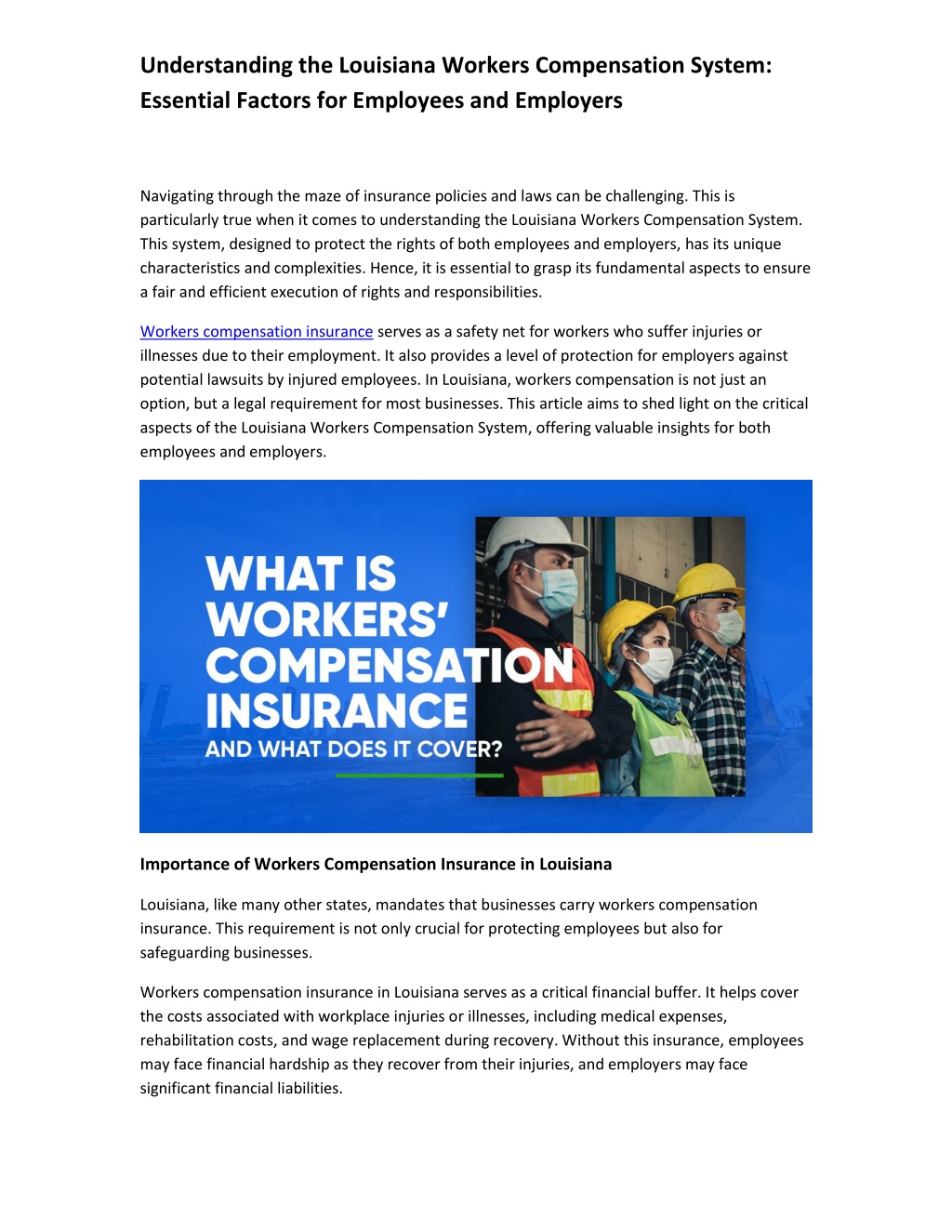
Understanding the BizCover Workers Compensation Landscape
Navigating the workers compensation landscape via BizCover requires understanding its role as a digital intermediary that facilitates access to various underwriters rather than acting as the insurer itself. By leveraging their platform...
Navigating the workers compensation landscape via BizCover requires understanding its role as a digital intermediary that facilitates access to various underwriters rather than acting as the insurer itself. By leveraging their platform, businesses can compare multiple quotes, manage compliance requirements, and streamline the renewal process for mandatory employee protection policies across different jurisdictions.
Contents
The Role of BizCover in the Insurance Ecosystem
It is essential to clarify that BizCover operates as a business insurance intermediary, or broker, rather than a direct insurer. In the context of workers compensation, this distinction is vital. Workers compensation is a statutory requirement in many regions, designed to provide coverage for employees who suffer work-related injuries or illnesses. Because these requirements are heavily regulated by government bodies—such as WorkSafe in Victoria, icare in New South Wales, or WorkCover in Queensland—the "landscape" BizCover provides is one of aggregation and administration.
When you engage with BizCover for workers compensation, you are essentially using a platform that streamlines the interface between the business owner and the underwriting companies. The primary value proposition here is the consolidation of market options. Instead of manually applying to multiple state-based schemes or private underwriters, the BizCover platform allows users to input their business details once, which the system then maps against available policy options that meet the specific legal mandates of the user's jurisdiction.
Understanding Regulatory Jurisdictions
The most significant complexity in the Australian workers compensation landscape is its fragmented nature. Each state and territory maintains its own legislative framework regarding employer obligations, premium calculations, and benefit entitlements.
In some states, workers compensation is managed by a government-run insurer (often referred to as a "monopoly" scheme), while in others, the government facilitates a "hybrid" or "privatized" model where private insurers underwrite the policies within a strictly regulated framework. BizCover acts as a gateway to navigate these differences.
- Public/State Schemes: In these regions, employers must often apply directly through the state authority. BizCover’s role here shifts toward providing guidance, administrative support, and helping ensure that the business classification (which determines the premium rate) is accurate.
- Privatized/Hybrid Schemes: In states where private insurers compete, BizCover excels by allowing for price and feature comparison. The platform helps users navigate the nuances of these competing offers, ensuring that the policy selected is not only compliant but potentially more cost-effective based on the nature of the business activities.
The Application and Classification Process
A common point of failure for businesses attempting to secure workers compensation is the incorrect selection of their business activity classification. Premiums are primarily calculated based on the wages paid to employees and the risk profile of the industry code (often referred to as an ANZSIC code—Australian and New Zealand Standard Industrial Classification).
When using the BizCover platform, you will be prompted to define your business operations. Accuracy here is paramount. Selecting a classification that represents a lower risk than what the business actually performs can lead to "under-insurance," which may result in denied claims or significant penalties during an audit.
- Preparation of Payroll Data: Before starting, ensure you have an accurate projection of your total remuneration for the upcoming period. This includes salaries, superannuation, and other taxable benefits.
- Activity Documentation: Have a clear description of your business's primary functions. If you engage in multiple activities, identify which constitutes the majority of your payroll expenditure.
- Digital Verification: BizCover utilizes digital forms to expedite the underwriting process. Ensure that the entities listed (e.g., ABN holders) match exactly with official government registries.
Comparison Table: Navigating Insurance Channels
The following table outlines the differences between using an aggregator/broker like BizCover versus direct government or insurer contact.
| Feature | BizCover (Broker/Platform) | Direct Government/Insurer Channel |
|---|---|---|
| Market Access | Aggregates multiple private offers | Limited to that specific insurer |
| Complexity | High-level guidance provided | DIY/Self-directed navigation |
| Cost | Often includes broker fee/commission | Standard rates; no intermediary fee |
| Suitability | Best for SMEs and complex risks | Best for large entities with dedicated staff |
| Administrative Aid | Centralized dashboard management | Separate portals for each insurer |
Managing Compliance and Ongoing Obligations
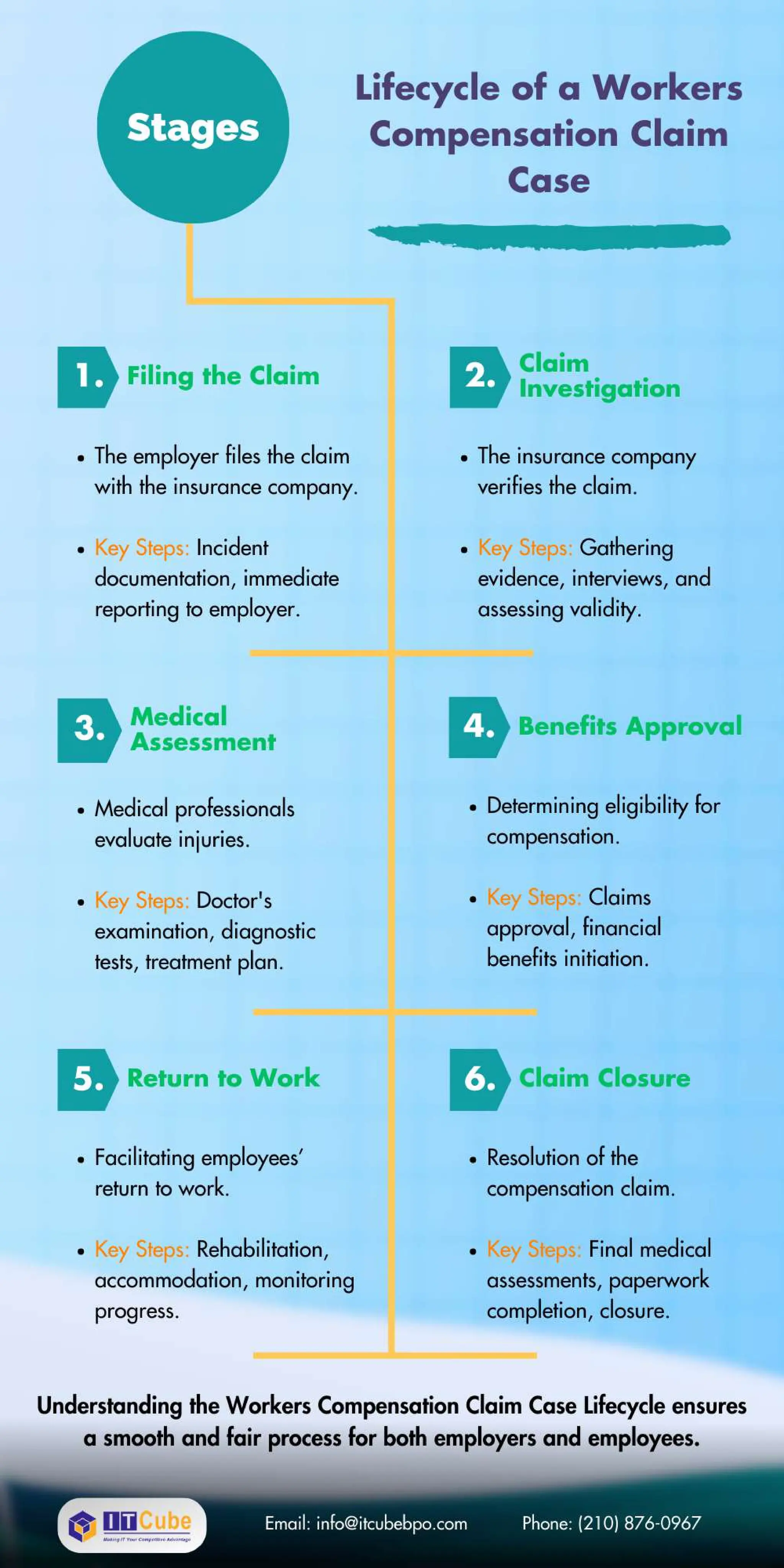
Securing the policy is only the first step in managing your workers compensation landscape. Once the policy is active, the administrative burden shifts to reporting and renewal. As of 2026, many of these processes have been digitized, but the requirement for accurate, timely reporting remains strict.
Employers must conduct periodic "wage declarations." If your actual payroll exceeds your estimates, you will be required to pay the difference in premiums. Conversely, if you over-estimated, you may be eligible for a refund. BizCover’s platform generally assists in tracking these renewal dates, preventing the catastrophic risk of a lapse in coverage. A lapse in workers compensation insurance leaves an employer personally liable for the full cost of any workplace injury, which can result in legal action and severe financial strain.
Common Pitfalls and Troubleshooting
Users often encounter difficulties when their business structure changes—for example, moving from a sole trader to a proprietary limited company, or expanding into new states.
- Multi-State Operations: If your business has employees in multiple states, you likely need multiple workers compensation policies. A common mistake is assuming one policy covers the entire country. You must check the specific "nexus" rules of each state where an employee performs work.
- Contractor vs. Employee: One of the most litigious areas in workers compensation is the distinction between independent contractors and employees. If the state regulatory body determines your "contractors" are actually employees, you may be liable for back-dated premiums and penalties. Always consult the specific state definition of "deemed worker."
- Renewals and Audits: If you receive notice of an audit, do not panic, but do not ignore it. Use the documentation trail provided by your insurance platform to substantiate your wage declarations.
Frequently Asked Questions
Does BizCover set the price for my workers compensation policy? No. BizCover provides the platform to compare rates from various underwriters. The final premium is determined by the underwriting insurer based on your risk profile, industry classification, and the regulatory rates mandated by the specific state or territory.
Why does my premium change every year? Premiums fluctuate based on two primary factors: changes in your total payroll and changes in the "experience rate" of your industry. If your industry has seen a rise in workplace injury claims, the underlying risk premium for your sector may increase, leading to a higher cost for your policy renewal.
Can I use BizCover for all Australian states? While BizCover offers a wide range of services, its ability to facilitate workers compensation depends on whether the state utilizes a private or state-monopoly system. In some jurisdictions, you are legally required to purchase coverage from a government-run entity, and BizCover’s role may be limited to advisory or administrative assistance.
What happens if I miss a renewal payment? Missing a payment is a critical issue. Most insurers allow a short grace period, but prolonged non-payment results in a cancellation of the policy. In the eyes of the law, you are operating as an "uninsured employer," which carries significant legal and financial consequences, including potential criminal charges in some jurisdictions.
Is my workers compensation policy considered a standard business expense? Generally, yes. Workers compensation premiums are a legitimate business operating expense and are typically tax-deductible. However, you should always consult with a qualified accountant regarding the specific tax treatment of your insurance premiums as they relate to your business structure.
Final Next Action
Before proceeding with any insurance action for 2026, visit your state's relevant government portal (e.g., WorkSafe or icare) to confirm your specific industry classification requirements. Once you understand your mandatory compliance obligations, use the BizCover platform to compare available underwriters to ensure you are receiving the most competitive premium available for your risk profile. Always maintain digital copies of your Certificate of Currency, as this is the primary document required to verify your compliance with government agencies and business partners.
Image Gallery