Blue Brick Lights in Modern Architecture: Design, Integration, and Aesthetic Impact
Blue brick lights are integrated architectural lighting fixtures designed to replace or complement standard masonry units, emitting a localized blue glow through glass or resin housings. In 2026, these elements are primarily used to de...
Blue brick lights are integrated architectural lighting fixtures designed to replace or complement standard masonry units, emitting a localized blue glow through glass or resin housings. In 2026, these elements are primarily used to define structural edges, enhance wayfinding in public spaces, and provide high-contrast accents in minimalist or brutalist facades.
Contents
The Evolution of Luminous Masonry
The concept of integrating light into the very "bones" of a building has transitioned from the passive translucency of mid-20th-century glass blocks to the active, solid-state brilliance of LED-integrated bricks. Historically, glass bricks were used to allow natural light to penetrate interior spaces while maintaining privacy. However, the modern blue brick light serves an entirely different purpose: it is an active participant in the building’s nighttime identity.
By 2026, the technology has matured significantly. We no longer rely on simple incandescent bulbs encased in glass. Modern blue brick lights utilize high-efficiency LEDs (Light Emitting Diodes) embedded within durable, load-bearing housings. These units are often designed to match standard brick dimensions—such as the standard modular size of 215 x 102.5 x 65 mm—allowing for seamless integration into traditional masonry walls without disrupting the bond pattern. The shift toward blue light specifically reflects a broader architectural movement toward "cool" color palettes and futuristic, high-tech aesthetics often associated with corporate headquarters, data centers, and urban transit hubs.
Technical Specifications and Material Composition
Understanding the technical makeup of blue brick lights is essential for architects and contractors. These are not merely decorative overlays; they are technical components that must withstand environmental stressors while maintaining optical clarity.
Housing Materials: Glass vs. Resin
The outer shell of the brick light determines its durability and light diffusion. Borosilicate glass remains the gold standard for high-end architectural projects. It offers superior resistance to thermal shock and UV degradation, ensuring the "brick" does not yellow or crack over decades of exposure. Alternatively, high-impact polycarbonate or acrylic resins are used in areas where weight or cost is a primary concern. Resins can be molded with specific textures—frosted, ribbed, or prismatic—to diffuse the blue light more evenly, preventing the "hot spot" effect where individual LED diodes are visible.
LED Technology and Chromaticity
The "blue" in these lights is not achieved through a simple filter. Instead, it is produced by Indium Gallium Nitride (InGaN) semiconductors that emit light at specific wavelengths, typically ranging from 450 to 480 nanometers. This creates a deep, saturated blue that maintains its vibrancy even over long distances. In 2026, many units feature RGBW (Red, Green, Blue, White) chips, allowing the architect to tune the specific shade of blue to match corporate branding or to shift the hue based on the time of year or specific events.
Structural and Environmental Protection
Because these units are often installed at ground level or within exterior walls, they must possess high Ingress Protection (IP) ratings. An IP67 or IP68 rating is standard for blue brick lights, ensuring they are dust-tight and capable of withstanding temporary or permanent immersion in water. Furthermore, IK ratings (Impact Protection) are crucial; a brick light installed in a public walkway should ideally have an IK10 rating to resist vandalism and accidental impact.
Practical Applications in 2026 Modernist Design
The application of blue brick lights extends beyond simple decoration. Their use is often strategic, solving specific spatial or navigational challenges.
External Facades and Rhythmic Patterns
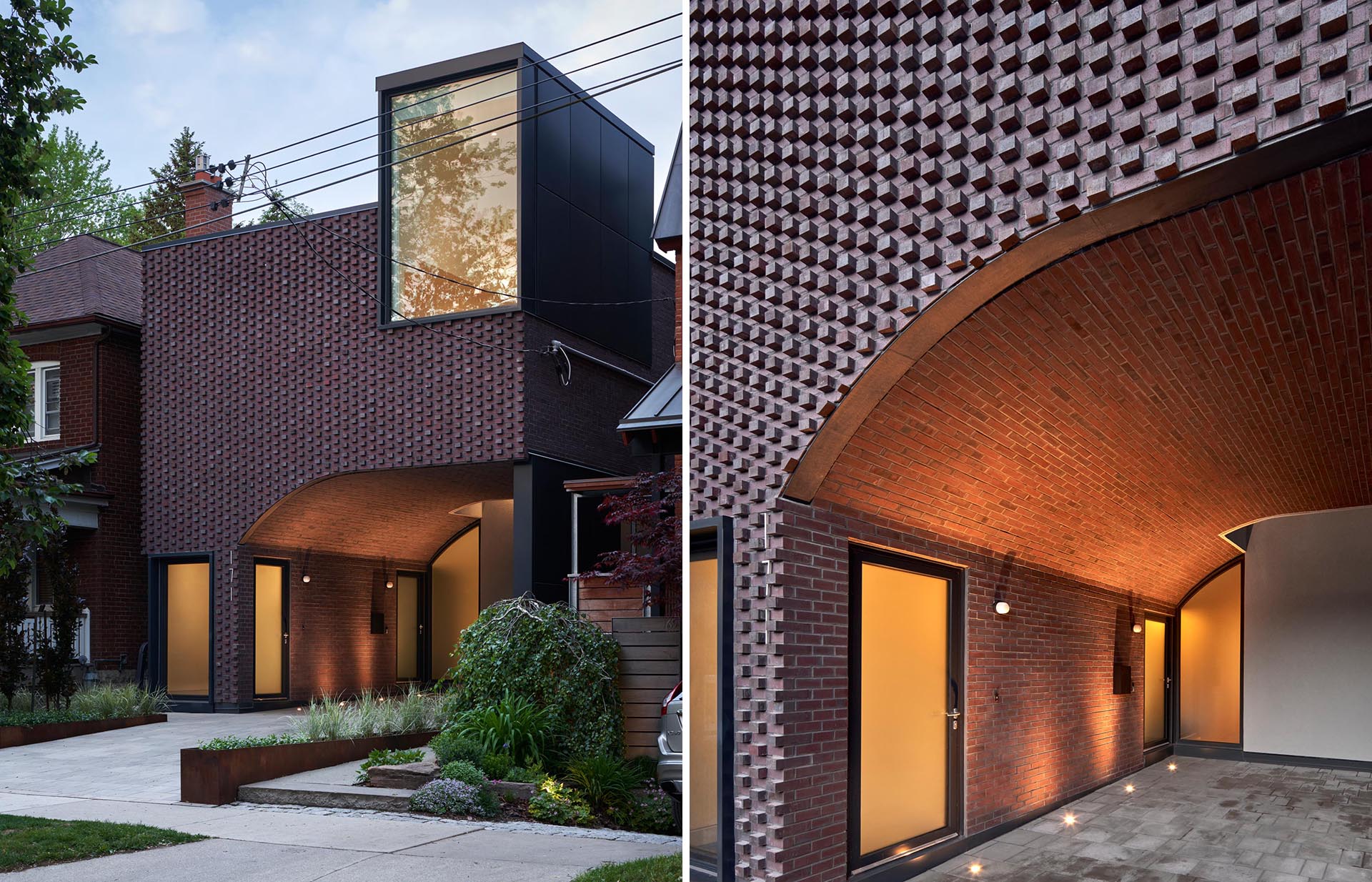
Architects use blue brick lights to break up the monotony of large, solid surfaces. By replacing random or patterned bricks within a facade with luminous blue units, a building can transform its character at dusk. This "digital masonry" can be programmed to pulse slowly or remain static, creating a sense of depth. In brutalist designs, where heavy concrete or dark brick dominates, the inclusion of sharp blue light provides a necessary visual counterpoint, emphasizing the geometry of the structure.
Sub-surface Path Lighting and Wayfinding
In urban design, blue brick lights are frequently embedded into pavements and plazas. Blue light is particularly effective for wayfinding because it stands out against the yellow-orange glow of traditional street lighting. These "luminous paths" guide pedestrians toward entrances or transport links. Research in 2026 indicates that blue light at ground level can improve peripheral vision in low-light conditions, making these installations functional safety features as well as aesthetic choices.
Interior Accents and Zoning
Internally, blue brick lights are utilized to define zones without the need for physical partitions. In large open-plan offices or hotel lobbies, a line of blue bricks embedded in a wall or floor can signify a transition from a public area to a private lounge. The cool color temperature of the blue light helps create a "calm" or "focused" atmosphere, which is why it is often found in tech-oriented workspaces and wellness centers.
Installation Challenges and Structural Integrity
Integrating light into a masonry wall presents unique engineering hurdles. A primary concern is the load-bearing capacity of the lighting unit. While some glass bricks are structural, many LED brick lights are "non-load-bearing" inserts. In such cases, the surrounding masonry must be reinforced with lintels or specialized frames to ensure the weight of the wall is not resting on the light fixture itself.
Wiring is another critical factor. Unlike a standard brick, an LED brick requires a power source. This involves a complex network of low-voltage cabling (typically 12V or 24V DC) running through the mortar joints or behind the masonry wythe. Architects must plan for access points to drivers and controllers. In 2026, the trend has shifted toward modular "plug-and-play" systems where the light unit can be popped out for maintenance without destroying the surrounding mortar.
Comparison of Common Brick Light Materials
| Feature | Borosilicate Glass | Polycarbonate Resin | Cast Acrylic |
|---|---|---|---|
| Durability | Extremely High | High (Impact Resistant) | Moderate |
| UV Resistance | Excellent (No Yellowing) | Moderate (Requires Coating) | Low to Moderate |
| Light Diffusion | Clear to Frosted | High Diffusion | High Clarity |
| Weight | Heavy | Lightweight | Lightweight |
| Cost | Premium | Moderate | Budget-friendly |
| Best Use | High-rise Facades | Public Walkways | Interior Accents |
Sustainability and Energy Efficiency
In the context of 2026 environmental standards, the sustainability of blue brick lights is measured by their power consumption and "light pollution" impact. Modern units consume very little energy, often less than 2 watts per brick, making it feasible to illuminate entire facades for a fraction of the cost of traditional floodlighting.
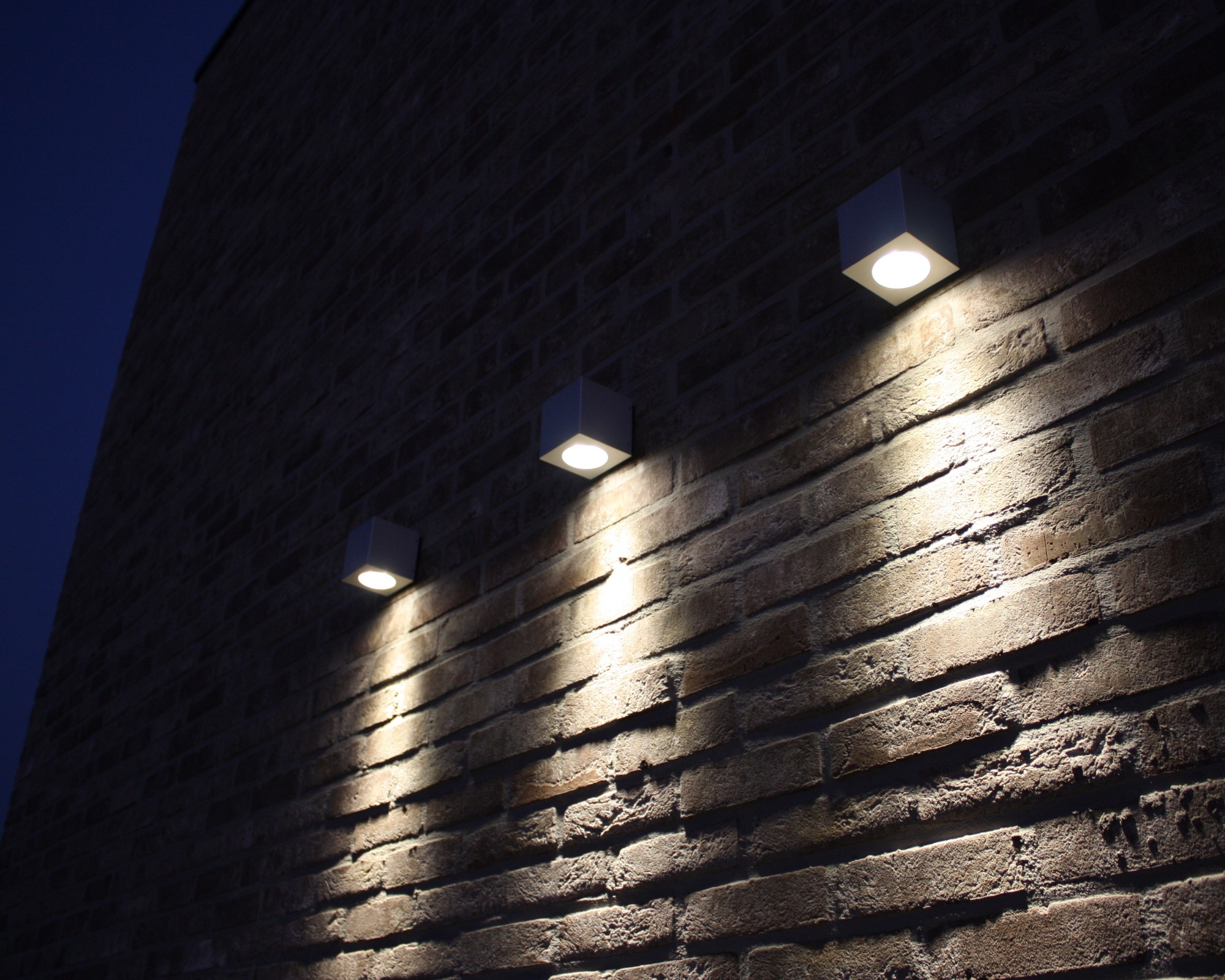
However, designers must be wary of light trespass. Blue light scatters more easily in the atmosphere than warmer tones, which can contribute to skyglow. To mitigate this, high-quality brick lights use directional optics to ensure the light is cast exactly where intended—either flush against the wall or downward toward the path—rather than spilling upward into the night sky. Many municipalities now require "Dark Sky" compliance even for decorative architectural lighting.
Designing with Blue Light: Psychological and Visual Impacts
Blue light has a profound psychological effect on the inhabitants of a space. It is associated with alertness and cleanliness. In architectural terms, blue light can make a small space feel larger by creating an "atmospheric" depth that mimics the horizon.
When designing with blue brick lights, the "temperature" of the blue is vital. A cyan-heavy blue (shorter wavelength) can feel clinical or cold, which might suit a laboratory or a modern data center. A deeper, cobalt blue (longer wavelength) feels more luxurious and mysterious, making it better suited for high-end hospitality or residential landscape design. The key to a successful installation is balance; overusing blue light can lead to visual fatigue, so it is often paired with neutral materials like gray basalt, polished concrete, or black zinc.
Frequently Asked Questions
Can blue brick lights be used in load-bearing walls?
Most blue brick lights are designed as decorative inserts and are not intended to carry structural loads. When installing them in a load-bearing wall, an architect must specify a structural header or lintel above the light to transfer the weight to the surrounding solid masonry. However, certain specialized thick-walled glass blocks are rated for limited structural use, provided they are installed with appropriate reinforcement.
How do you replace a blue brick light if the LED fails?
Modern architectural brick lights are typically designed as two-part systems: a permanent outer sleeve (the "rough-in" box) and a removable light module. If an LED fails, the module can be unscrewed or unclipped from the sleeve, the wiring disconnected via a waterproof quick-connector, and a new module inserted. This prevents the need to chip away mortar or damage the building facade during maintenance.
Is blue light at night harmful to local wildlife?
Blue light has been shown to affect the circadian rhythms of both humans and animals more significantly than warmer tones. For this reason, many 2026 architectural guidelines recommend using blue brick lights only for low-level accenting or path finding, and utilizing timers or motion sensors to turn them off during late-night hours. Using "warm blue" or dimmable units can also help reduce the impact on local ecosystems.
Are these lights compatible with smart home or building automation systems?
Yes, most professional-grade blue brick lights are compatible with DALI (Digital Addressable Lighting Interface) or DMX512 protocols. This allows them to be integrated into a central building management system, where their brightness and timing can be controlled remotely. In residential settings, they can usually be connected to 12V transformers that work with standard smart-home hubs.
Do blue brick lights work in extreme climates?
High-quality units are designed to operate in temperatures ranging from -30°C to +50°C. The main concern in cold climates is the expansion and contraction of the materials. Using flexible sealants (such as high-grade silicone) instead of rigid mortar directly against the light fixture allows the brick to expand without cracking the surrounding masonry.
Practical Recommendation
When incorporating blue brick lights into a modern architectural project, prioritize longevity and maintenance. Select fixtures with borosilicate glass housings and an IP68 rating to ensure the blue hue remains crisp and the electronics remain dry. For the best aesthetic result, use them sparingly—place them at transition points, such as where a wall meets a floor, or in a rhythmic sequence along a long corridor to create a sense of movement. Always verify that the low-voltage power supply is accessible for future service, and consider using a dimmable driver to adjust the intensity of the blue light based on the ambient light levels of the surrounding environment.
Image Gallery