The Cameo of Mitchell Hurwitz in the Community Episode: A Deep Dive into the Meta-Humor
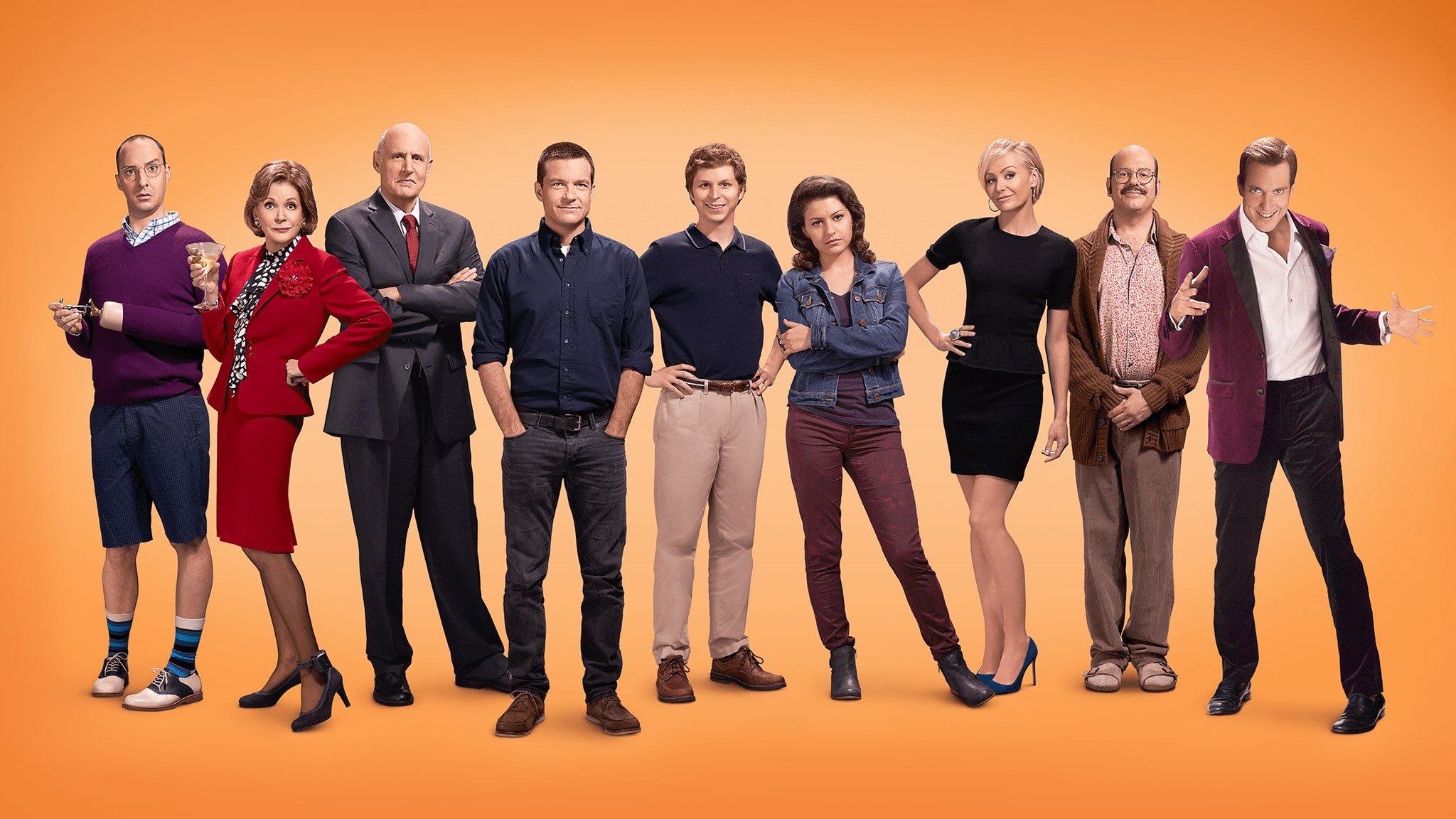
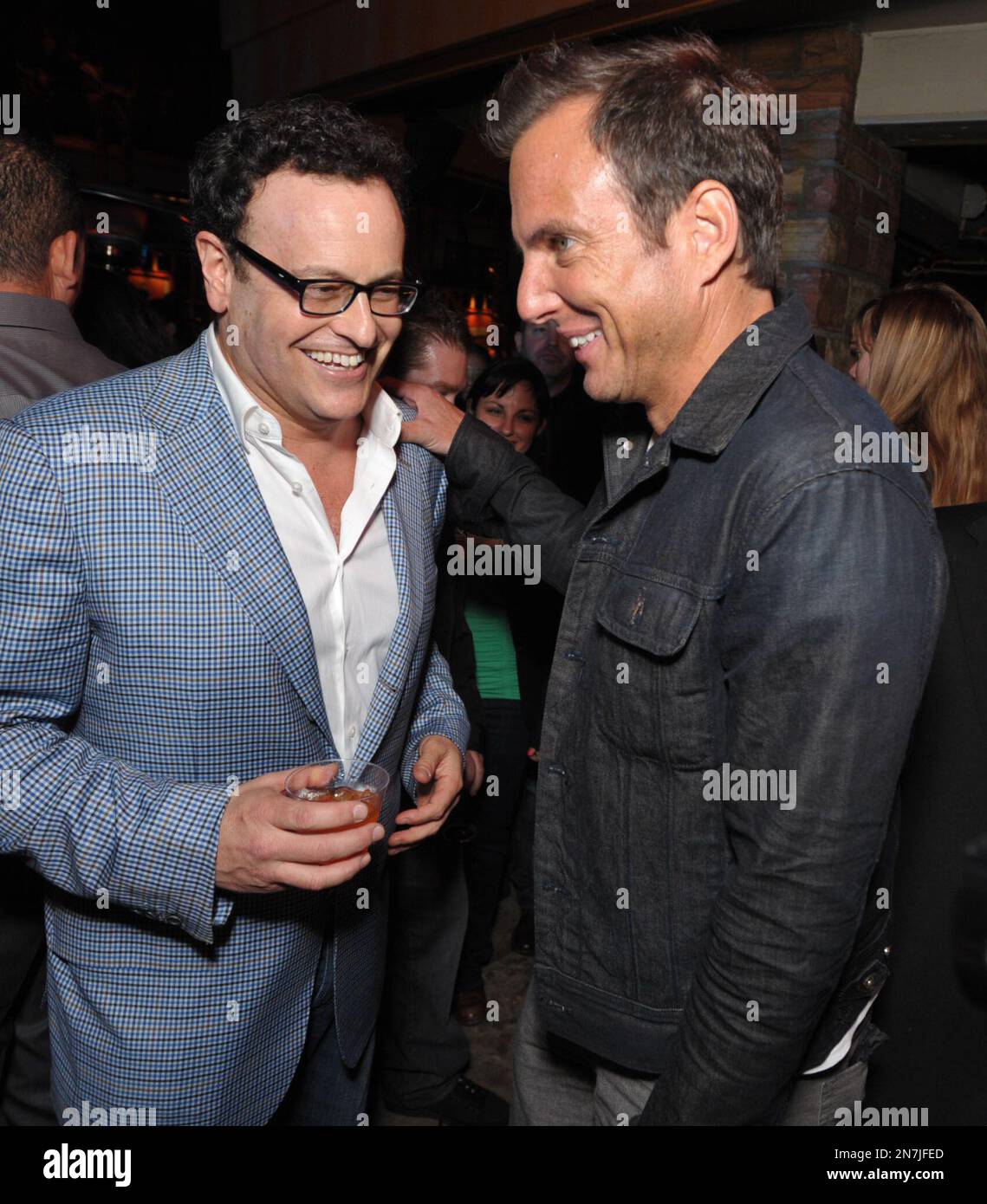
Mitchell Hurwitz, the acclaimed creator of Arrested Development, makes a memorable and characteristically meta appearance in the Community episode titled "Cooperative Calligraphy." Appearing as a high-end, albeit eccentric, television...
Mitchell Hurwitz, the acclaimed creator of Arrested Development, makes a memorable and characteristically meta appearance in the Community episode titled "Cooperative Calligraphy." Appearing as a high-end, albeit eccentric, television executive in the show's reality-bending universe, his cameo serves as both a nod to the shared DNA of cult-classic sitcoms and a sharp piece of industry commentary on the precarious nature of broadcast television.
Contents
Understanding the Context of the Cameo
Community, created by Dan Harmon, is widely recognized for its high-concept parody, meta-narrative structure, and frequent references to the television industry itself. In the second season, episode 12, titled "Cooperative Calligraphy," the study group is locked in the study room to find a missing pen, leading to a "bottle episode" that strips away the show's usual expansive production design to focus on character conflict.
Mitchell Hurwitz’s involvement in the show was not incidental. Harmon and Hurwitz share a mutual respect for the craft of writing dense, layering-heavy comedy. When Hurwitz appeared in Community, he was playing a heightened version of a network executive. For fans of both shows, the appearance served as a bridge between two of the most influential "smart" comedies of the early 21st century. The cameo highlights the camaraderie between creators who navigated the turbulent waters of network interference and shifting viewership metrics.
Analyzing the "Cooperative Calligraphy" Narrative
The episode "Cooperative Calligraphy" is a masterclass in tension, as the group spirals into paranoia over Annie’s missing pen. While the episode is primarily a claustrophobic character study, the presence of figures like Mitchell Hurwitz (and the broader meta-commentary surrounding the "Greendale" universe) emphasizes the show's preoccupation with how stories are told and consumed.
Hurwitz’s character operates as a foil to the absurdity of the study group. By placing a real-world showrunner into the fictionalized, chaotic environment of Greendale Community College, the show creates a layer of dissonance. The audience is invited to recognize the man behind Arrested Development while simultaneously treating him as a cog in the machine of the industry that Community is both satirizing and participating in.
The Significance of Meta-Humor in Sitcom History
To understand why Hurwitz’s cameo remains a point of interest for scholars of television, one must look at the evolution of meta-humor. In the 2010s, shows like 30 Rock, Community, and Arrested Development moved away from the traditional laugh-track format to adopt a style that rewarded repeat viewings and encyclopedic knowledge of pop culture.
Mitchell Hurwitz is an architect of this style. His work on Arrested Development pioneered the "callback" culture that Community would later perfect. When he appears on screen in Community, it is essentially a "wink" to the viewer. It acknowledges that the audience knows Community is a television show, that it has a creator, and that the industry producing these shows is often as strange and dysfunctional as the characters on screen.
Industry Commentary and Network Dynamics
The role of a network executive in Community is often framed as an antagonistic or obstructive force. Hurwitz, being an insider, brings an authentic—if exaggerated—perspective to this archetype. In 2026, looking back at the landscape of network television in the early 2010s, we see that the struggles depicted in Community were reflective of real anxieties. The "bubble show" status that defined Community's run was a direct concern for producers like Hurwitz and Harmon.
The following table summarizes the key crossovers and influences between the two creative camps:
| Feature | Arrested Development | Community |
|---|---|---|
| Primary Narrative Style | Fast-paced, non-linear | Concept-driven, meta-textual |
| Creator | Mitchell Hurwitz | Dan Harmon |
| Key Influence | Documentary-style realism | Genre-bending parody |
| Industry Status | Cult classic / Revival status | Cult classic / Academic subject |
Why This Cameo Resonates Years Later
The longevity of the Community fanbase is largely due to the show's "rewatchability factor." Hidden jokes, background details, and guest appearances like those of Mitchell Hurwitz encourage fans to revisit episodes to find new meaning.
When a viewer identifies Hurwitz in this specific episode, it transforms the viewing experience from passive consumption to active engagement. The viewer becomes a participant in the "in-joke." For many, this represents the peak of the "golden age of cable and network niche comedy," a period where creators were given just enough rope to either succeed brilliantly or hang themselves creatively. The presence of a peer like Hurwitz serves as a stamp of authenticity for the show’s comedic sensibilities.
Preparing to Spot the Cameo
For those revisiting the series, catching the cameo requires a keen eye for the pacing of "Cooperative Calligraphy." The episode moves at a frantic, argumentative pace. Hurwitz’s appearance is brief but dense with subtext. To truly appreciate the moment, it helps to:
- Understand the "Bottle Episode" constraints: Know that this episode was designed to limit costs, which makes the choice to include a high-profile guest star even more deliberate.
- Review the shared themes: Look for the way the dialogue mirrors the rapid-fire, interconnected style of Arrested Development.
- Analyze the casting: Consider the significance of showrunners casting other showrunners in their projects. It establishes a creative "prestige" network that helps keep these shows in the public consciousness long after their original broadcast.
Frequently Asked Questions
Is Mitchell Hurwitz a recurring character in Community? No, his appearance is a one-time cameo. He appears as a guest, serving the narrative of that specific episode rather than joining the recurring cast of Greendale students or faculty.
Why did Community focus so heavily on meta-humor? The show utilized meta-humor as a way to subvert audience expectations of how a sitcom "should" behave. By constantly acknowledging its own medium, Community could parody tropes while simultaneously using them to develop characters in unconventional ways.
What is the connection between Dan Harmon and Mitchell Hurwitz? Beyond their mutual respect as writers, both are considered pioneers of the "post-modern" sitcom. They have publicly praised each other's work and have participated in various industry panels together, sharing a common vision of what television could achieve when freed from standard tropes.
Does this cameo affect the plot of the episode? While the cameo is significant for its meta-value, the plot of "Cooperative Calligraphy" remains focused on the internal dynamics of the study group. The cameo acts more as a texture element that reinforces the show's identity.
Where else has Mitchell Hurwitz appeared as an actor? While primarily a writer and producer, Hurwitz has made appearances in various projects, often playing characters that satirize or mirror his own professional background. His Community appearance remains his most iconic acting turn in the sitcom world.
Final Recommendation for Enthusiasts
If you are currently studying the writing techniques of 2010s television or are simply a fan of the "Harmon-Hurwitz" style of comedy, the best way to experience this episode is through a "commentary-first" lens. Watch the episode once for the narrative, then rewatch it with the knowledge of the industry tensions of that era. Pay attention to the dialogue delivery—the frantic, overlapping lines are a direct homage to the pacing of the Bluth family’s exploits. Ultimately, recognizing such cameos is part of the "Greendale experience"—a commitment to seeing the show not just as a series of events, but as a complex, interlocking puzzle of creative intent.
Image Gallery