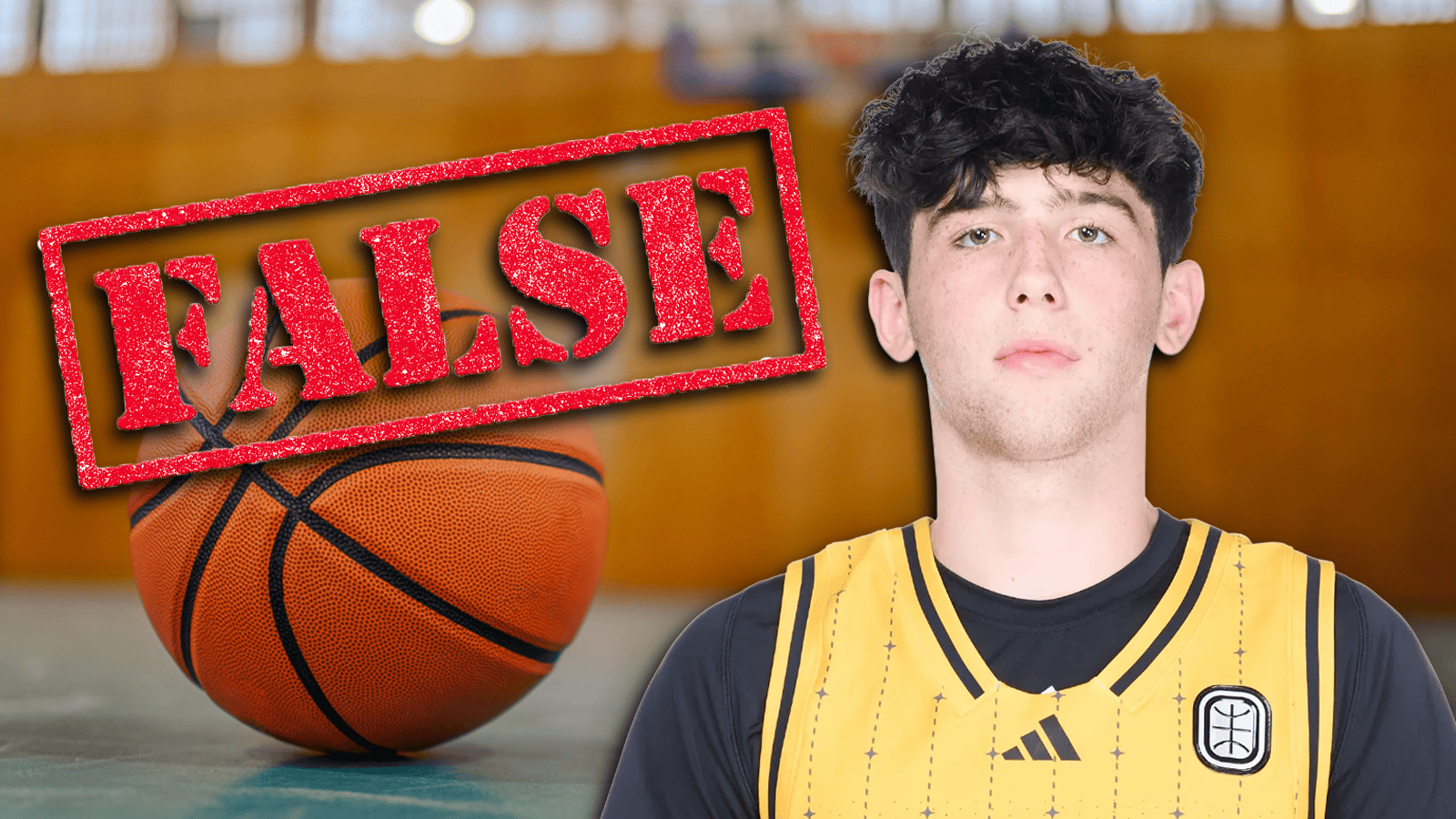
Where Did Grant Ellis Play Basketball? A Full Career Breakdown
Grant Ellis played collegiate basketball for Albertus Magnus College and Iona University. Professionally, his career included a significant stint with the Medora Timberjacks in The Basketball League (TBL) and a period playing internati...
Grant Ellis played collegiate basketball for Albertus Magnus College and Iona University. Professionally, his career included a significant stint with the Medora Timberjacks in The Basketball League (TBL) and a period playing internationally in the Dominican Republic. While he later gained national fame as the lead of The Bachelor Season 29, his identity for many years was defined by his role as a versatile and high-energy guard on the court.
Contents
Grant Ellis’s journey through the world of basketball is a classic narrative of a dedicated athlete navigating the various tiers of the sport. From the highly competitive world of NCAA Division III to a walk-on experience at a Division I powerhouse, and eventually to the professional minor leagues, his career reflects a relentless pursuit of the game. Now, in 2026, looking back at his athletic history provides context for the discipline and competitive drive he displayed during his later career in finance and television.
The Collegiate Foundation: Albertus Magnus College
Grant Ellis began his collegiate basketball career at Albertus Magnus College, a Division III program located in New Haven, Connecticut. For many aspiring athletes, the Division III level offers the most authentic "for the love of the game" experience, but at Albertus Magnus, it was also about high-level winning.
During his tenure at Albertus Magnus, Ellis established himself as a dominant force. Playing in the Great Northeast Athletic Conference (GNAC), he was known for his scoring ability and defensive versatility. Standing approximately 6'5", Ellis possessed the length to disrupt passing lanes and the athleticism to finish above the rim, which made him a standout in the DIII circuit.
His time at Albertus Magnus was characterized by significant statistical contributions. He wasn't just a role player; he was a focal point of the offense. This period was crucial for his development, as it allowed him to log heavy minutes and refine his basketball IQ. Many scouts and coaches from higher divisions often look at standout DIII players to see if their skills can translate to a more physical or faster-paced environment, and Ellis’s performance suggested he was ready for a larger stage.
Stepping Up to Division I: Iona University
Following his success at the Division III level, Grant Ellis made the ambitious move to transfer to Iona University (then known as Iona College) in New Rochelle, New York. Iona is a program with a rich basketball pedigree, frequently appearing in the NCAA Tournament and competing at the top of the Metro Atlantic Athletic Conference (MAAC).
The transition from Division III to Division I is a massive hurdle for any athlete. The speed of the game, the size of the opponents, and the complexity of the defensive schemes increase exponentially. At Iona, Ellis took on the role of a walk-on/reserve guard. While his minutes were more limited compared to his time at Albertus Magnus, the experience of practicing and competing at the DI level was invaluable.
Playing under the rigorous standards of a high-major coaching staff at Iona helped Ellis polish the technical aspects of his game. He was surrounded by elite talent, many of whom were eyeing professional careers in Europe or the NBA G-League. This environment forced him to adapt his playing style, focusing on efficiency, perimeter defense, and being a "glue guy" who could provide energy off the bench. His time at Iona is often cited as the period where he truly learned the professional approach to the sport, which would eventually serve him well as he moved into the paid ranks.
Professional Career: The Medora Timberjacks and the TBL
After concluding his college eligibility, Grant Ellis transitioned into professional basketball. One of his most documented professional stops was with the Medora Timberjacks. The Timberjacks compete in The Basketball League (TBL), a professional minor league in North America that serves as a platform for players to showcase their skills for international scouts and NBA G-League affiliates.
The TBL is known for its "grind." It is a league filled with former DI stars and international veterans all fighting for a chance to move up the ladder. Playing for Medora, based in Indiana, Ellis was able to return to a high-usage role. His athleticism and ability to play both guard positions made him a valuable asset in the TBL’s fast-paced, offensive-minded style of play.
Key aspects of his TBL career included:
- High-Volume Scoring: Ellis was often called upon to be a primary or secondary scorer.
- Defensive Versatility: Using his 6'5" frame to guard multiple positions, from point guards to small forwards.
- Leadership: As an older player with DI experience, he often took on a leadership role for younger rookies entering the league.
His time in the TBL was a testament to his durability. The minor league travel schedule is famously difficult, often involving long bus rides and back-to-back games in different states. Ellis’s ability to maintain his performance under these conditions proved his professional mettle.
International Play: The Dominican Republic
Beyond the domestic minor leagues, Grant Ellis took his talents overseas, most notably to the Dominican Republic. International basketball offers a different set of challenges than the American style of play. The FIBA rules, the emphasis on physicality, and the passionate fan bases create an intense atmosphere.
In the Dominican Republic, basketball is a primary sport, and the local leagues are highly competitive. American imports are expected to produce immediately; if a player doesn't perform, they are often replaced quickly. Ellis’s stint in the Caribbean highlighted his adaptability. He had to adjust to a game that was less about individual isolation and more about physical toughness and tactical execution.
Playing internationally also provided Ellis with a global perspective, something he frequently touched upon during his public life in 2025 and 2026. The experience of living abroad and competing in a foreign environment contributed to his personal growth, which he later attributed to his success in his post-basketball career as a day trader and financial professional.
Career Statistical and Team Overview
To better understand the trajectory of Grant Ellis’s basketball career, the following table breaks down his major team affiliations and the levels at which he competed.
| Period | Team / Organization | Level | Key Role/Achievement |
|---|---|---|---|
| Collegiate | Albertus Magnus Falcons | NCAA Division III | Lead Scorer / All-Conference Prospect |
| Collegiate | Iona University Gaels | NCAA Division I | Walk-on Guard / MAAC Competition |
| Professional | Medora Timberjacks | The Basketball League (TBL) | Starting Guard / Defensive Specialist |
| Professional | Dominican Republic Leagues | International Pro | Overseas Import Player |
Playing Style and Physical Profile
Scouting reports from Grant Ellis’s playing days consistently highlighted his athleticism and wing span. As a "big guard," he had the advantage of looking over smaller defenders to find open teammates, but he was also quick enough to stay in front of smaller, shifty point guards on the defensive end.
- Explosiveness: Ellis was known for his ability to finish at the rim. In the TBL, he was a frequent highlight-reel dunker, using his vertical leap to transition effectively from the perimeter to the paint.
- Shooting Range: While he was primary an "attack-the-basket" player early in his career, by his time in the Dominican Republic, he had developed a reliable three-point shot, making him a "3-and-D" threat (Three-point shooting and Defense).
- Basketball IQ: Having played at both the DIII and DI levels, Ellis possessed a deep understanding of different systems. He knew how to be the "alpha" on a DIII team and how to be a strategic contributor on a DI roster.
Transition to Life After Basketball
By the time Grant Ellis appeared on The Bachelorette and subsequently The Bachelor, his professional basketball days were largely behind him, though the discipline of the sport remained central to his brand. He successfully transitioned into the world of finance, specifically becoming a day trader.
The transition from professional sports to high-stakes finance is a path taken by many athletes who find that the adrenaline and analytical requirements of trading mirror the pressure of a late-game situation on the court. His background in basketball—specifically the "grind" of the TBL and the uncertainty of international contracts—prepared him for the volatility of the financial markets. In 2026, he is often cited as a prime example of an athlete who leveraged his sports background into a successful corporate and media career.
Frequently Asked Questions
Did Grant Ellis ever play in the NBA?
No, Grant Ellis did not play in the NBA. His professional career was centered in The Basketball League (TBL) and international leagues in the Dominican Republic. While he played at the NCAA Division I level at Iona, he did not transition into the NBA or the NBA G-League.
What position did Grant Ellis play?
Grant Ellis primarily played as a Guard. Given his 6'5" height and athletic build, he was versatile enough to play both the Shooting Guard (SG) and Small Forward (SF) positions, often referred to as a "swingman" in professional scouting.
How successful was Grant Ellis at Albertus Magnus?
He was highly successful at the Division III level. Albertus Magnus provided him with the platform to be a primary offensive option, where he earned accolades for his scoring and helped the team maintain its status as a powerhouse in the GNAC.
Why did Grant Ellis stop playing professional basketball?
Like many professional athletes in the minor leagues, the decision to stop playing usually involves a combination of physical toll, the desire for career stability, and the pursuit of other interests. Ellis successfully pivoted into finance and day trading, which offered a more sustainable long-term career path than the "grind" of minor league basketball.
Did his basketball career help him on The Bachelor?
Yes, his basketball background was a significant part of his narrative. It established him as a disciplined, competitive, and hardworking individual. Many of the "group dates" and introductory videos during his season focused on his athletic roots and his journey from New Jersey to the professional courts.
Practical Recommendation for Aspiring Athletes
If you are an athlete looking to follow a similar path—moving from Division III to Division I or the professional minor leagues—focus on versatility. Grant Ellis’s ability to adapt from being a star at a small school to a role player at a large school, and finally a professional overseas, was due to his willingness to change his game based on the team's needs. Maintaining a high level of physical fitness and developing a secondary career path (as Ellis did with finance) is essential for long-term success after the final whistle blows.
Image Gallery