The Azzurri Meaning in Italian Football: History, Origins, and Legacy
In Italian football, the Azzurri (meaning "the Blues") is the official nickname of the Italy national team. The name stems from the color of the jerseys, Azzurro Savoia (Savoy Blue), which was the heraldic color of the House of Savoy,...
In Italian football, the Azzurri (meaning "the Blues") is the official nickname of the Italy national team. The name stems from the color of the jerseys, Azzurro Savoia (Savoy Blue), which was the heraldic color of the House of Savoy, the royal dynasty that ruled Italy during the nation's unification.
Contents
The term transcends simple sports terminology; it represents a profound sense of national identity, historical continuity, and athletic excellence. While the Italian national flag consists of green, white, and red, the choice of blue for the national sports teams remains one of the most distinctive traditions in global football. As of 2026, the nickname continues to unify a nation of passionate supporters, whether the team is competing in the FIFA World Cup or the UEFA European Championship.
The Etymological and Symbolic Roots of "Azzurro"
To understand why the Italian national team is called the Azzurri, one must first look at the Italian language. The word azzurro translates to "azure" or a light-to-medium shade of blue. In the context of Italian sports, it is always used in its plural form, Azzurri, when referring to a men’s team, or Azzurre when referring to the women’s national team.
Unlike many other nations that base their jersey colors directly on the colors of their national flag—such as Brazil’s yellow and green or Argentina’s sky blue and white—Italy’s choice of blue is historically external to the Tricolore (the green, white, and red flag). The specific shade, Savoy Blue, is a tribute to the House of Savoy (Casa Savoia). This dynasty played a central role in the Risorgimento, the 19th-century movement that led to the unification of the Italian states into a single Kingdom of Italy in 1861.
The use of blue by the Savoy family dates back to 1366, when Amedeo VI, Count of Savoy, displayed a blue banner on his galley alongside the constitutional colors to honor the Virgin Mary. Over centuries, this shade became inextricably linked with the Italian monarchy, eventually finding its way onto the uniforms of the nation’s greatest athletes.
The First Appearance: From White to Blue
The Italian national football team did not always wear blue. In their inaugural international match against France on May 15, 1910, the Italian players wore white shirts. This was not a symbolic choice but a practical one; at the time, white fabric was the most affordable and easiest to source for a team that had yet to establish a formal identity.
The transition to blue occurred on January 6, 1911, during a match against Hungary in Milan. The decision to adopt the maglia azzurra (blue jersey) was made as a gesture of respect toward King Victor Emmanuel III and the reigning House of Savoy. Although Italy became a republic in 1946 following a national referendum, the tradition of the blue jersey was so deeply ingrained in the public consciousness that the new government chose to retain it. The monarchist shield that originally sat on the breast of the jersey was replaced by the Il Tricolore shield, but the "Azzurri" identity remained untouched.
The Cultural Significance of the "Maglia Azzurra"
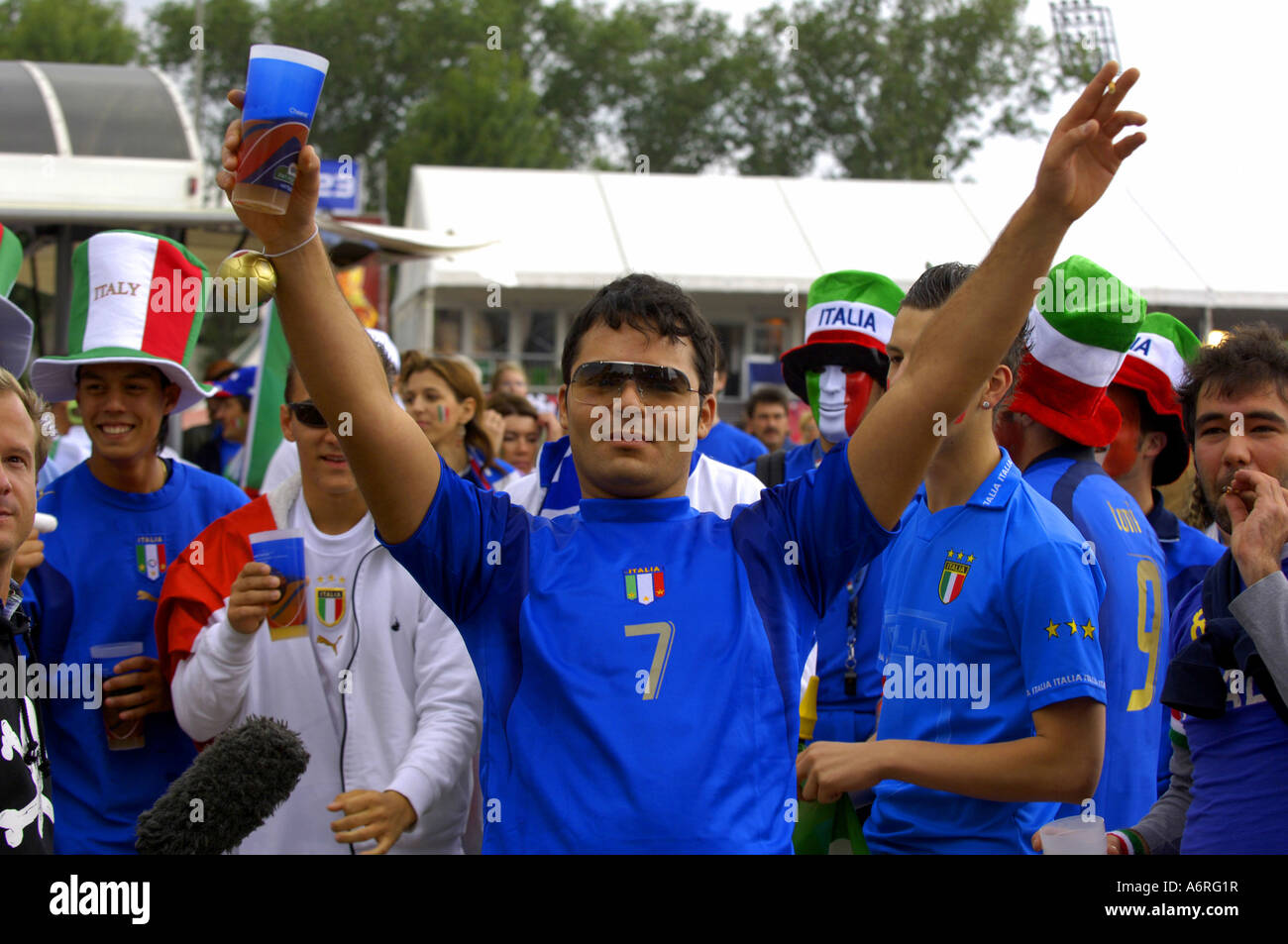
In Italy, wearing the maglia azzurra is considered the highest honor a professional footballer can achieve. The jersey is often described as a "second skin." For fans, the Azzurri represent a rare moment of total national cohesion. In a country where fierce club rivalries between teams like Juventus, AC Milan, and Inter Milan can divide cities and families, the national team serves as the ultimate bridge.
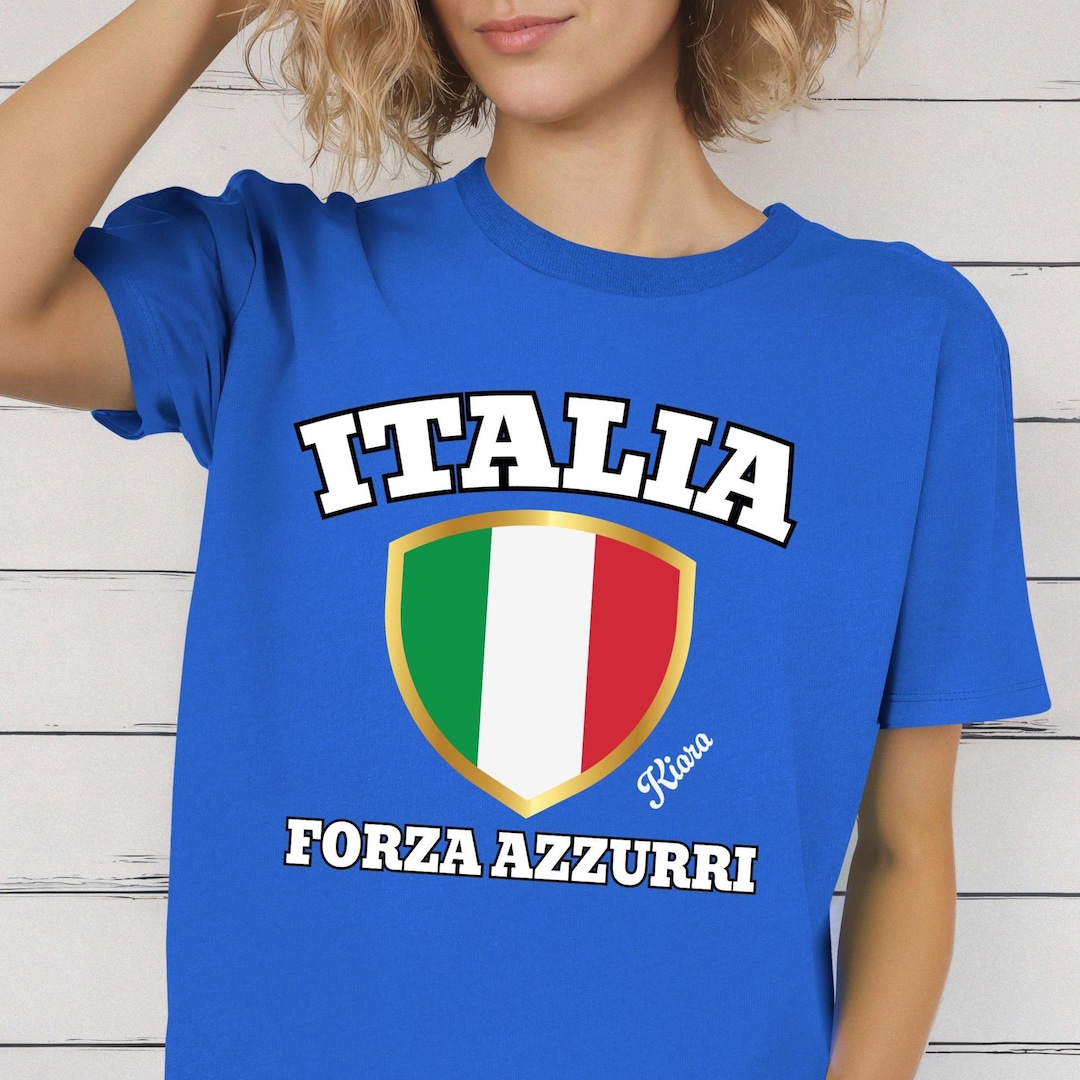
The concept of the Azzurri extends beyond the pitch. It is a symbol of "Italianness" (Italianità). When the team plays, the phrase "Forza Azzurri!" (Go Blues!) echoes through every piazza and bar in the country. This collective passion has been fueled by decades of dramatic matches, heart-wrenching losses, and historic triumphs that have defined generations of Italian sports culture.
Historical Evolution of the Kit and Crest
While the color blue has remained constant, the aesthetic of the Azzurri kit has evolved significantly over the last century.
- The Fascist Era (1920s–1940s): During the 1930s, under the regime of Benito Mussolini, the team occasionally wore a black kit (maglia nera) to represent the National Fascist Party, most notably during the 1938 World Cup match against France. However, blue remained the primary color.
- Post-War Republic (1946–1980s): After the fall of the monarchy, the Savoy cross was replaced by a small tricolor shield. The jerseys were often simple, made of heavy cotton with elegant collars.
- The Technical Revolution (1990s–Present): Sponsorships with brands like Nike, Kappa, Puma, and currently Adidas (as of 2026) introduced technical fabrics and varying shades of blue. In the early 2000s, the "Kombat" jerseys by Kappa became famous for their skin-tight fit, designed to prevent defenders from pulling shirts.
The crest has also undergone numerous redesigns. The modern logo of the FIGC (Federazione Italiana Giuoco Calcio) incorporates the four stars representing Italy’s World Cup titles, serving as a constant reminder of the team’s elite status in football history.
Beyond Football: The Azzurri in Other Sports
While the term is most famously associated with the men's national football team, "Azzurri" is the moniker used for almost all Italian national sports delegations. This cross-disciplinary branding creates a unified identity for Italian athletes on the world stage.
- Le Azzurre: The women’s national football team has seen a massive surge in popularity over the last decade. Their performance in recent major tournaments has solidified their place in the national heart.
- Gli Azzurrini: This term ("The Little Blues") refers to the Under-21 and other youth national teams. They are seen as the future of the senior squad.
- Other Federations: The Italian national teams in rugby, volleyball, basketball, and athletics all wear blue and are referred to as the Azzurri. For instance, the Italian national rugby team competes in the Six Nations tournament proudly sporting the same Savoy Blue that the footballers wear.
Major Achievements and Honors
The prestige of the Azzurri name is built upon a foundation of success. Italy is one of the most successful nations in football history, trailing only Brazil in total World Cup titles (tied with Germany).
| Tournament | Years Won | Notable Players/Coaches |
|---|---|---|
| FIFA World Cup | 1934, 1938, 1982, 2006 | Vittorio Pozzo, Paolo Rossi, Fabio Cannavaro |
| UEFA European Championship | 1968, 2020 | Giacinto Facchetti, Giorgio Chiellini, Roberto Mancini |
| Olympic Gold Medal | 1936 | Annibale Frossi, Giuseppe Meazza |
| Central European International Cup | 1927–30, 1933–35 | Giuseppe Meazza, Silvio Piola |
The 1982 victory in Spain and the 2006 triumph in Germany are particularly significant in modern Italian history. In 1982, Paolo Rossi’s goals revitalized a country struggling with political unrest. In 2006, the victory provided a sense of redemption following the "Calciopoli" domestic league scandal. Most recently, the Euro 2020 win (achieved in 2021) symbolized Italy’s resilience following the hardships of the global pandemic.
Common Terms and Variations
In the world of Italian football media and fandom, several variations of the term are used to describe specific subsets of the team or their actions:
- Clan Azzurro: Often used by journalists to describe the internal group of players and staff during a tournament.
- Azzurrità: A noun describing the quality or spirit of being "Azzurro"—encompassing the passion, tactical intelligence, and defensive grit (Catenaccio) traditionally associated with the team.
- Club Italia: The organizational umbrella within the FIGC that manages all the national teams (Azzurri, Azzurre, youth teams, beach soccer, and futsal).
The Global Influence of the Azzurri
The influence of the Azzurri extends far beyond the borders of the Italian peninsula. Due to mass migration in the 19th and 20th centuries, there are massive "Azzurri" fanbases in the United States, Argentina, Australia, and Canada. For the Italian diaspora, the blue jersey is a vital link to their ancestral heritage.
Furthermore, the tactical schools of the Azzurri have influenced football globally. Italian coaches—often referred to as the Scuola Italiana—are highly sought after for their ability to organize teams defensively and strategically. Names like Marcello Lippi, Carlo Ancelotti, and Antonio Conte are synonymous with the winning culture that the Azzurri represent.
Frequently Asked Questions
Why does Italy wear blue if it's not in the flag?
Italy wears blue as a tribute to the House of Savoy, the former royal family of Italy. Their heraldic color was "Savoy Blue." When the Italian national football team played its first games, they chose this color to honor the monarchy. The tradition persisted even after Italy became a republic in 1946.
What is the difference between "Azzurro" and "Azzurri"?
"Azzurro" is the singular adjective meaning "azure" or "light blue." In football, it can refer to a single player (e.g., "The former Azzurro player"). "Azzurri" is the masculine plural form, used to refer to the entire team or the collective group of players.
Does the Italian basketball team also use the name Azzurri?
Yes, the nickname is not exclusive to football. It is used for the national teams of rugby, volleyball, basketball, and most other Olympic sports. However, the football team remains the most prominent and globally recognized group associated with the name.
What shade of blue is used for the Azzurri kit?
The official shade is known as Azzurro Savoia (Savoy Blue). It is a saturated blue, lighter than navy but darker than the sky blue (celeste) used by teams like Argentina or Lazio. Over the years, the exact hue has fluctuated depending on the apparel sponsor, sometimes appearing more vibrant or slightly darker.
When did Italy start using the tricolor shield on the blue jersey?
The tricolor shield (lo scudetto) was introduced after the fall of the monarchy in 1946. Prior to that, the jersey featured the cross of the House of Savoy. The shield has since evolved into the modern FIGC crest, which includes four stars to signify Italy's four FIFA World Cup victories.
Next Steps for Fans and Researchers
To truly appreciate the meaning of the Azzurri, one should explore the official historical archives of the FIGC (Federazione Italiana Giuoco Calcio) or visit the Museo del Calcio in Coverciano, Florence. This museum houses an extensive collection of historical jerseys, trophies, and memorabilia that chronicle the evolution of the maglia azzurra. For those following the team in 2026, staying updated with official match schedules through FIFA and UEFA portals is essential as the team continues its journey toward more international silverware.
Image Gallery