Understanding the Lifetime Cost of Auto Insurance
The lifetime cost of auto insurance typically ranges from $100,000 to $250,000 for a single driver over 50 years, depending on geography, vehicle type, and driving history. This figure accounts for the compounding effects of age-relate...
The lifetime cost of auto insurance typically ranges from $100,000 to $250,000 for a single driver over 50 years, depending on geography, vehicle type, and driving history. This figure accounts for the compounding effects of age-related rate fluctuations, inflation, and shifting personal circumstances, rather than a static annual premium.
Contents
Calculating the total financial commitment required for auto insurance over a lifetime requires moving beyond annual quotes. Because insurance premiums are dynamic—shifting based on actuarial risk, vehicle depreciation, and legislative changes—viewing this as a lifelong expense allows for better household budgeting and long-term financial planning.
The Lifecycle of Auto Insurance Premiums
Insurance costs do not remain linear throughout a driver’s life. Instead, they follow a predictable U-shaped curve.
- The High-Risk Initial Period (Ages 16–25): New drivers face the highest premiums due to a statistical lack of experience. In many jurisdictions, this is the most expensive phase of auto insurance. Rates are driven by the increased likelihood of claims and the higher severity of accidents involving younger, less experienced operators.
- The Stability Phase (Ages 26–65): As drivers accumulate a clean history, premiums typically stabilize and reach their lowest points. During this window, factors such as credit score stability, long-term employment, and marriage status often qualify individuals for "good driver" discounts and loyalty incentives.
- The Retirement Adjustment (Ages 65+): While some senior drivers benefit from reduced mileage and commute-free lifestyles, premiums may start to tick upward due to potential changes in reaction times and medical costs associated with older drivers.
Variables That Drive Lifetime Costs
The "lifetime" aspect of this cost is heavily influenced by variables that change over time. Ignoring these factors is the most common error in long-term financial forecasting.
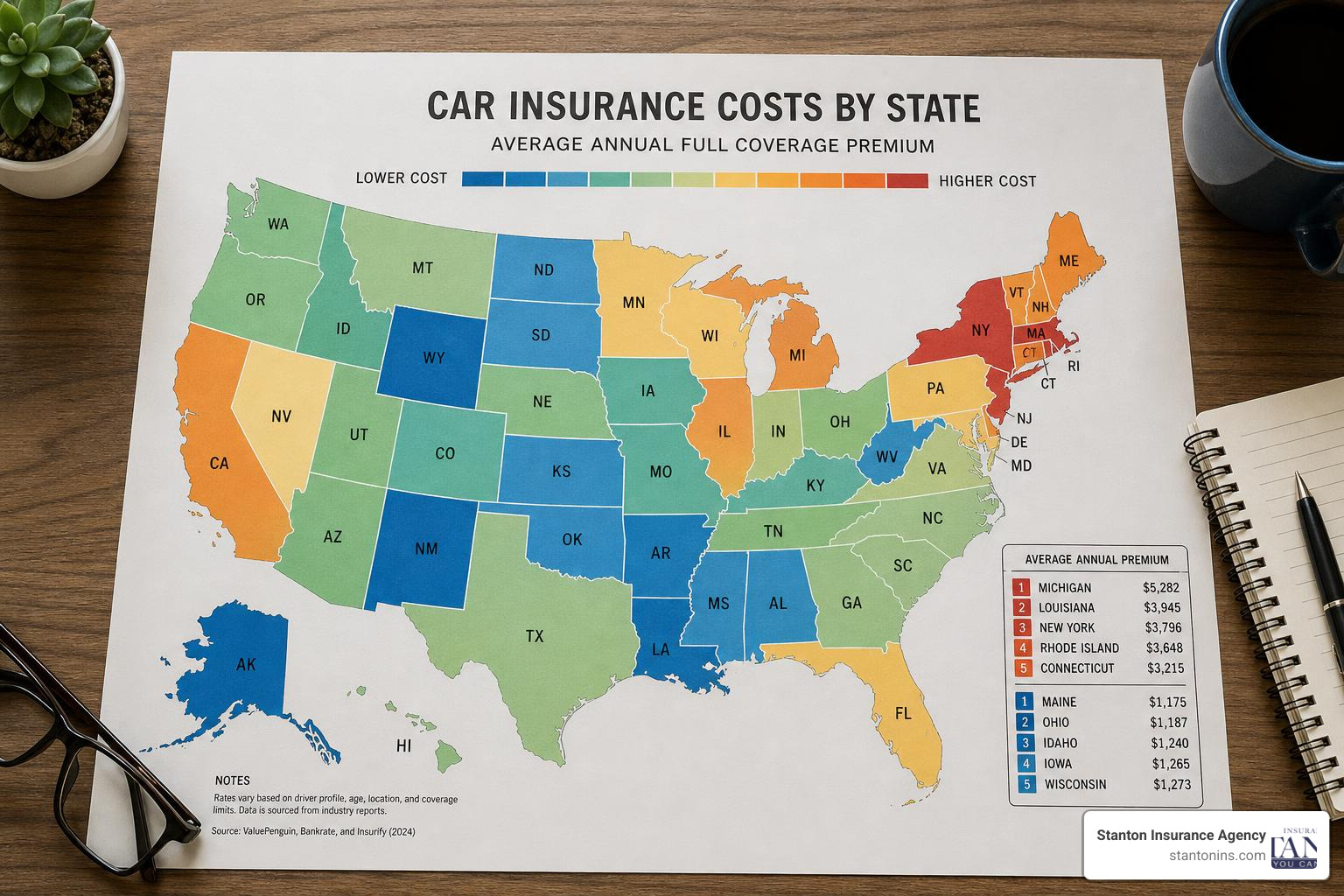
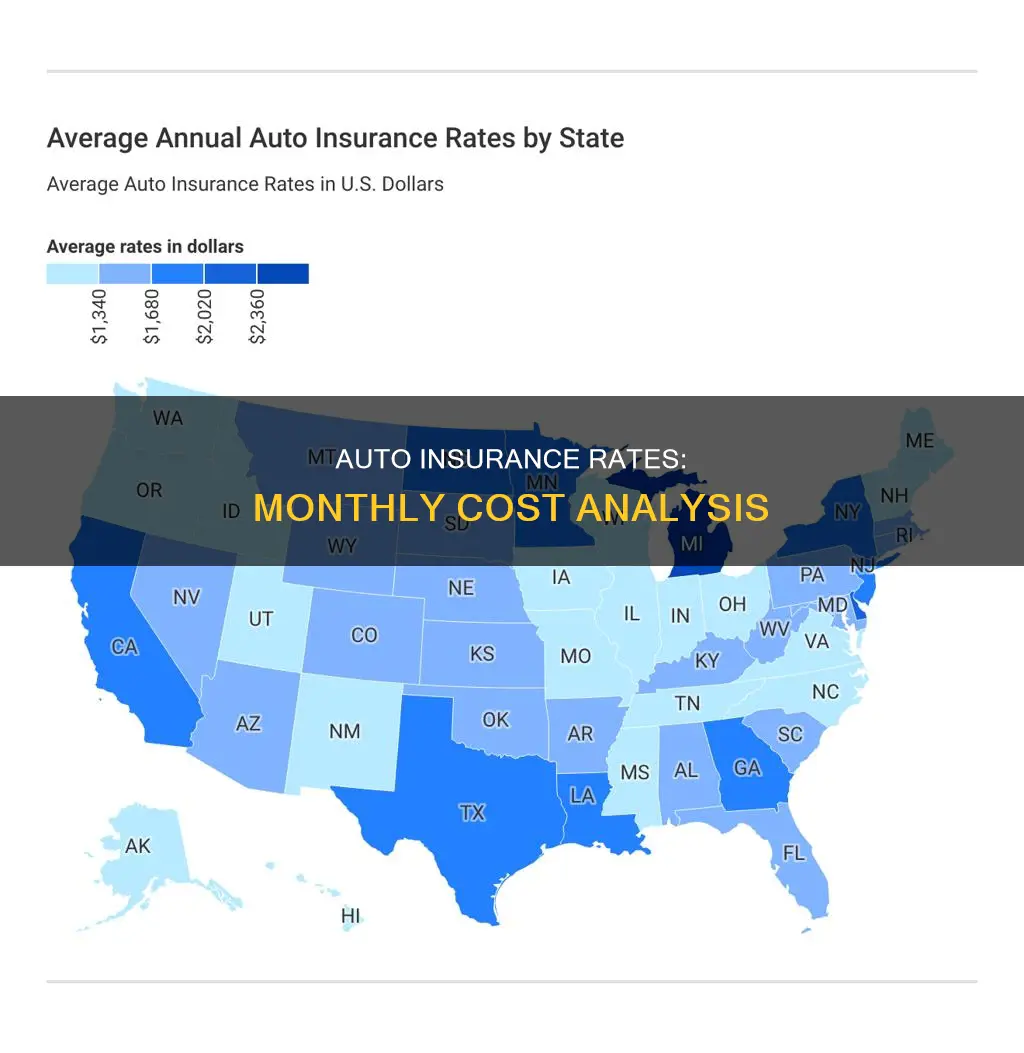
- Geographic Mobility: Relocating from a rural area to a high-density urban center is one of the most significant disruptors of lifetime insurance costs. Urban environments carry higher risks of theft, vandalism, and multi-vehicle collisions, leading to consistently higher premiums regardless of an individual's personal driving record.
- Vehicle Evolution: The cost to repair or replace a vehicle dictates a large portion of the premium. As vehicles become more sophisticated—incorporating advanced driver-assistance systems (ADAS), complex sensors, and electric vehicle (EV) battery packs—the cost of "comprehensive" and "collision" coverage increases. A lifetime of driving luxury or high-performance vehicles will result in a significantly higher cost burden than opting for economy models.
- Coverage Levels: Many drivers start with state-minimum liability coverage. As net worth grows, the risk of litigation following an at-fault accident increases. Most financial advisors recommend raising liability limits or purchasing an umbrella policy, which effectively increases the "cost" of the insurance but lowers the lifetime financial risk of personal asset loss.
Comparative Factors in Long-Term Insurance Planning
| Factor | Impact on Lifetime Cost | Why It Matters |
|---|---|---|
| Location | High | Urban density increases claim frequency and repair costs. |
| Vehicle Type | Moderate/High | High-performance and luxury repairs cost more to insure. |
| Driving Record | Critical | At-fault accidents trigger surcharges that last for 3–5 years. |
| Credit Rating | Moderate | Many states use credit-based insurance scores for pricing. |
| Loyalty | Low/Moderate | Loyalty discounts rarely offset annual rate increases. |
The Impact of Inflation and Economic Shifts
While premiums are tied to individual risk, they are also sensitive to macroeconomic forces. Medical inflation—the rising cost of healthcare—directly impacts the "Bodily Injury Liability" portion of a policy. Similarly, the "Property Damage" component is tethered to the Consumer Price Index (CPI) for vehicle parts and labor. Over a 50-year horizon, even modest annual inflationary increases compound significantly, turning a $1,500 annual expense into a much larger figure when adjusted for the purchasing power of the dollar.
Strategies to Manage Long-Term Expenditures
Because auto insurance is a mandatory requirement in almost every jurisdiction for those who own and operate vehicles, it is a non-negotiable expense. However, the lifetime total can be mitigated through proactive management:
- Maintain Credit Health: Since insurance companies in many regions use credit history to determine rates, maintaining a strong credit profile can lead to lower premiums over the course of a lifetime.
- Bundle Policies: Combining auto insurance with homeowners or renters insurance often secures a "multi-policy" discount. While the discount might seem minor on a monthly basis, the cumulative savings over several decades can reach thousands of dollars.
- Increase Deductibles: If you maintain a solid emergency fund, opting for a higher deductible (e.g., $1,000 instead of $250) lowers the annual premium. Over 40 years, the savings in premiums often far outweigh the out-of-pocket costs of a single, infrequent claim.
- Review Coverage Annually: Do not allow policies to auto-renew without verification. Changes in your life—such as moving to a safer neighborhood, reducing your commute, or paying off a vehicle—should be communicated to your agent to ensure you are not paying for unnecessary coverage.
Common Misconceptions
- "Loyalty pays": Many consumers believe staying with one carrier for decades results in lower rates. In reality, most insurance companies prioritize acquiring new customers with introductory discounts, meaning loyal customers may occasionally experience "price optimization" increases. It is prudent to quote your insurance every 3–5 years.
- "Minimum coverage is cheapest": While state-minimum liability is the cheapest upfront, it is the most expensive in the event of a catastrophic loss. The lifetime cost of a lawsuit resulting from insufficient coverage can dwarf the total premiums paid over a lifetime.
Professional Guidance and Financial Limitations
This analysis serves as an informational overview of the factors influencing auto insurance costs. It does not constitute financial or legal advice. Insurance regulations, the availability of specific discounts, and rate-setting methodologies vary significantly by state and country. Consumers should consult with a licensed independent insurance broker to obtain personalized quotes and to understand the specific legal requirements within their jurisdiction.
Frequently Asked Questions
Does the make and model of my car affect lifetime insurance costs? Yes. Vehicles with expensive, proprietary parts or high-tech sensors are more costly to repair, leading to higher premiums. Over a lifetime, choosing vehicles with lower average repair costs and higher safety ratings can result in substantial long-term savings.
Why do insurance rates increase even if I haven't had an accident? Rates are affected by the collective risk of your demographic and geographic pool, as well as rising costs for medical services and vehicle repairs. If the cost of claims in your region increases, your insurance company may raise rates for all policyholders in that area, regardless of individual driving records.
At what age do auto insurance rates typically drop? Rates generally begin to decline significantly after age 25. They often remain at their most competitive levels between the ages of 35 and 60, provided the driver maintains a clean record and stable credit.
Is it worth getting an umbrella policy for auto insurance? If you have significant assets, an umbrella policy provides liability coverage that sits above your auto insurance limits. While it adds a premium, it protects your long-term wealth, which is often considered more cost-effective than the risk of personal financial ruin in a worst-case scenario.
Final Recommendation
To control your lifetime cost of auto insurance, prioritize a long-term perspective. Every three years, perform a comprehensive review of your policy limits and shop your coverage with multiple carriers. Do not rely on brand loyalty; instead, treat your insurance policy as a dynamic financial product that requires periodic maintenance to ensure you are receiving the best value for your specific risk profile.
Image Gallery