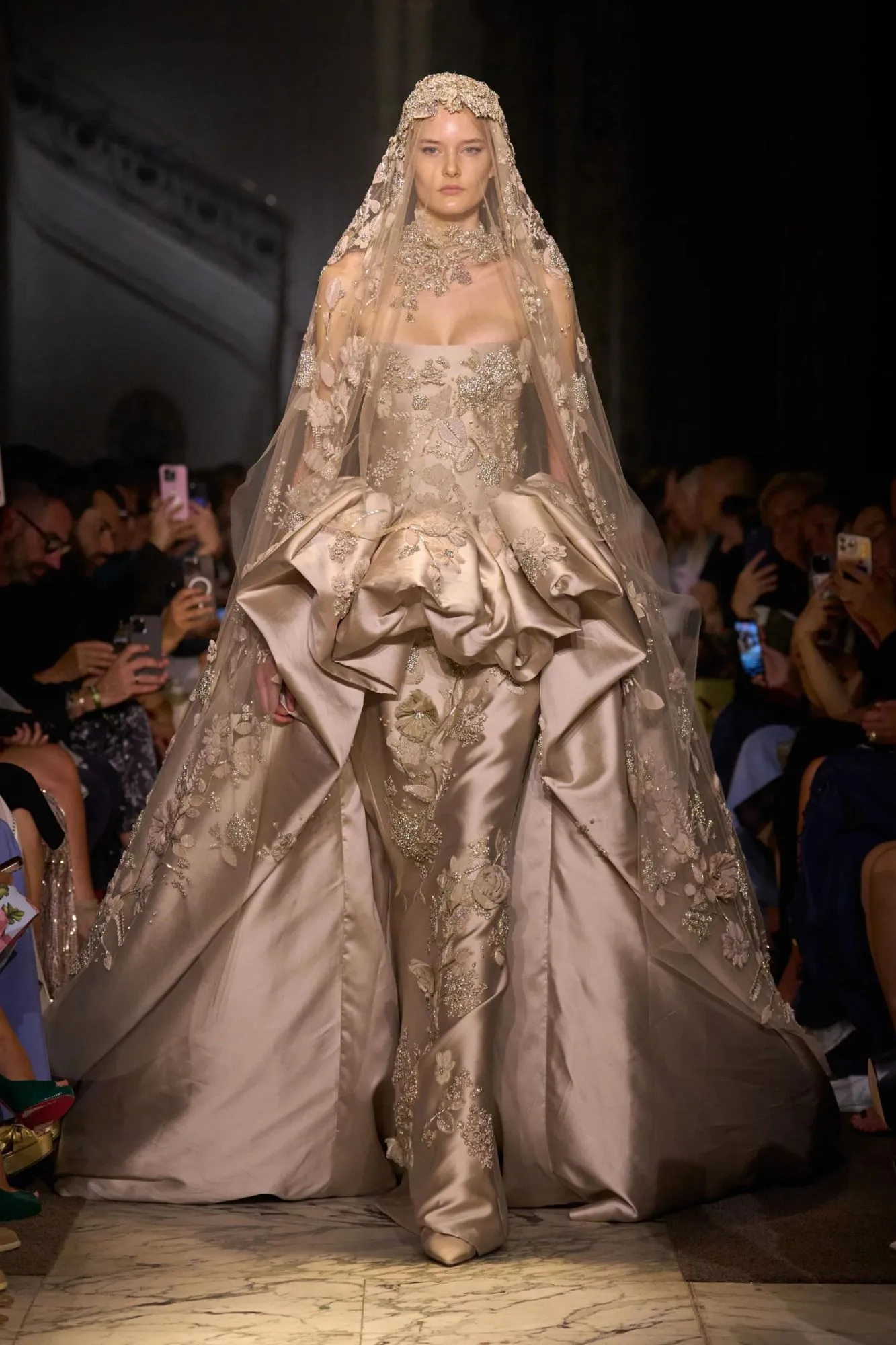
How the Givenchy Marriage Reshapes Paris Haute Couture Circles
The alignment of Givenchy with its parent conglomerate and the strategic refinement of its creative direction have fundamentally altered the landscape of Paris Haute Couture. By balancing historical archival prestige with modern indust...
The alignment of Givenchy with its parent conglomerate and the strategic refinement of its creative direction have fundamentally altered the landscape of Paris Haute Couture. By balancing historical archival prestige with modern industrial operational models, the maison has forced a recalibration of how luxury houses manage the delicate intersection of artistic expression and commercial scalability in 2026.
Contents
The term "Givenchy marriage" refers to the long-standing, evolving symbiosis between the House of Givenchy and the LVMH (Moët Hennessy Louis Vuitton) ecosystem. While the house has been under LVMH ownership for decades, recent shifts in the brand’s governance, creative leadership, and production philosophy have signaled a departure from the experimental instability of the 2010s toward a rigid, high-performance model that influences the broader Parisian fashion ecosystem.
The Structural Evolution of Haute Couture
Haute Couture, strictly defined by the Chambre Syndicale de la Haute Couture, is a protected designation requiring adherence to rigorous standards, including hand-sewn garments made in ateliers located within Paris. In 2026, the cost of maintaining these exclusive standards—coupled with the global demand for "quiet luxury"—has placed immense pressure on historic houses.
Givenchy’s recent operational adjustments demonstrate a move toward "Integrated Artisanship." By centralizing supply chain logistics while preserving the autonomy of their master tailors (petites mains), the house has successfully navigated the talent shortage that plagues the industry. This approach has forced competitors to re-examine their own reliance on outsourced fabrication, as the industry shifts toward a model where total control over the production cycle is seen as the ultimate competitive advantage.
Impact on the Parisian Fashion Calendar
The "Givenchy marriage" has effectively acted as a catalyst for a compressed fashion schedule. The house has moved away from the volatile, trend-chasing cycles of the early 2020s, opting instead for a "Timeless Continuity" strategy. This shift affects the Paris Haute Couture circles in several critical ways:
- Investment in Apprenticeship: By fostering long-term stability, Givenchy has set a benchmark for retaining specialized talent. Other houses are now adopting similar mentorship-based recruitment models to combat the aging demographic of couture craftspeople.
- Technological Integration: While couture remains inherently manual, the house has pioneered the use of digital inventory management and 3D prototyping for internal structure design, allowing for more efficient communication between the design studio and the atelier.
- Sustainable Compliance: With European Union regulations tightening regarding textile waste and carbon footprints, Givenchy’s marriage to a centralized corporate sustainability framework has provided a blueprint for other couture houses to report their environmental impact transparently.
Comparative Analysis: Traditional vs. Modernized Couture Models
The following table illustrates the shift in operational philosophy within the Paris elite, highlighting how houses like Givenchy are moving away from traditional, fragmented structures toward integrated, resilient models.
| Metric | Traditional Couture Model | Modernized (Integrated) Model |
|---|---|---|
| Supply Chain | Decentralized, reliance on third-party | Centrally managed, vertically integrated |
| Talent Model | Ad-hoc hiring, contract-based | Career-long apprenticeship programs |
| Creative Cycle | Hyper-reactive, high turnover | Long-term vision, iterative continuity |
| Sustainability | Reporting often reactive/minimal | Integrated, data-driven ESG compliance |
| Production Speed | Slow, prone to logistical bottlenecks | Optimized, utilizing digital prototyping |
The Role of Creative Autonomy in a Corporate Structure
A primary concern for the fashion industry has always been the tension between creative freedom and commercial mandate. The "Givenchy marriage" has largely resolved this by creating a "Separation of Powers" doctrine. Under this framework, the creative director is empowered to push the aesthetic boundaries of the silhouette, while the business management unit handles the logistical expansion into secondary markets and sustainable sourcing.
This separation prevents the house from becoming too commercially focused—which dilutes brand equity—while simultaneously preventing it from being too obscure to function as a profitable entity. In 2026, this balance is considered the gold standard for luxury conglomerates looking to preserve the "haute" in their couture divisions.
Challenges and Limitations
Despite these advancements, the model is not without its risks. The intense centralization of the Givenchy structure can lead to a "homogenization of style" if not managed with care. Critics argue that when a house becomes too efficient, it risks losing the raw, sometimes chaotic inspiration that defines true Parisian couture.
Furthermore, the barrier to entry for smaller, independent designers to compete with the logistical dominance of an LVMH-backed house remains a point of contention within the Chambre Syndicale. As these corporate models become the norm, the pressure on independent houses to either be acquired or to radically change their funding models has reached a critical juncture in 2026.
Frequently Asked Questions
What does the "Givenchy marriage" imply for future couture collections? It implies a focus on structural longevity and material quality over ephemeral trends. Expect to see collections that prioritize investment-grade garments intended to remain relevant for years rather than seasons.
How does this model influence the cost of haute couture in 2026? The integration of efficient logistics and supply chain management helps mitigate the rising costs of raw materials. While prices remain high due to the labor-intensive nature of hand-made couture, this efficiency prevents the exponential price hikes seen in less structured organizations.
Is Givenchy still considered "traditional" couture? Yes. While the business operations are modernized, the garment construction remains strictly in line with Parisian atelier standards. They have successfully reconciled 21st-century management with 20th-century craftsmanship.
Are there legal requirements for maintaining "Haute Couture" status? Yes. Houses must be members of the Chambre Syndicale de la Haute Couture. They are required to show collections twice a year in Paris, maintain an atelier with a specific number of full-time staff, and offer made-to-measure services for private clients.
What is the main takeaway for luxury consumers? The shift signifies that luxury houses are moving toward a "provenance-first" model. Collectors are increasingly seeking items where the supply chain, labor practices, and material origins are fully transparent, a requirement that Givenchy’s current model supports.
Next Steps for Industry Observers
For those monitoring the evolution of Paris Haute Couture, the focus for the remainder of 2026 should be on the recruitment patterns of the petites mains. The house that secures the next generation of embroidery and tailoring talent will define the aesthetic landscape of the next decade. Stakeholders should track the annual reports of major luxury conglomerates to verify how much capital is being reinvested into these specialized training programs, as this serves as the primary indicator of a house's long-term health and relevance in the evolving Parisian market.
Image Gallery