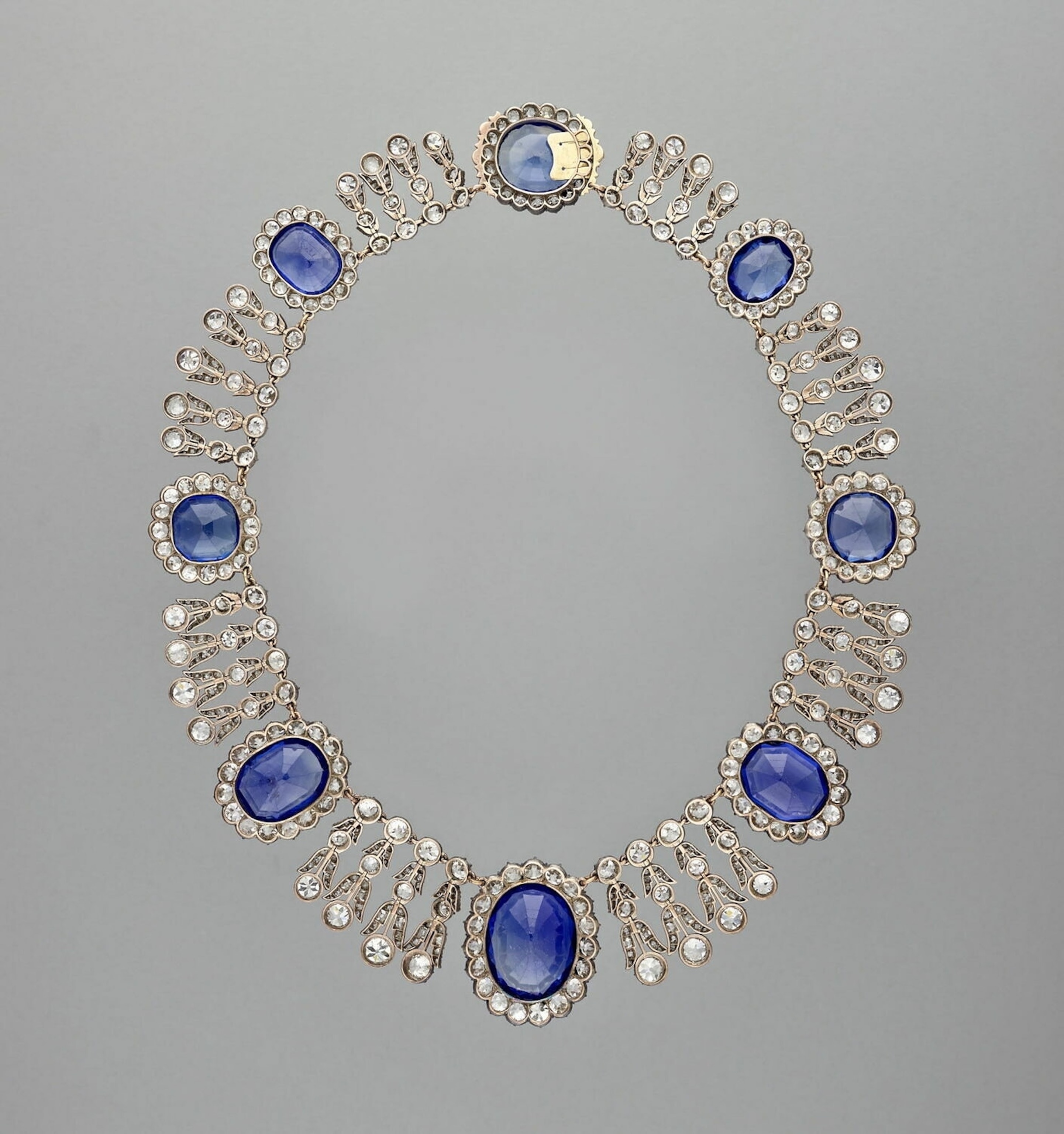
Significant Jewel Thefts from the Louvre Museum: A Historical Overview
The most significant jewels stolen directly from the Louvre include the diamond-encrusted Coronation Sword of Charles X in 1976 and a rare 16th-century Renaissance pendant in 1998. While the famous 1792 theft of the French Crown Jewels...
The most significant jewels stolen directly from the Louvre include the diamond-encrusted Coronation Sword of Charles X in 1976 and a rare 16th-century Renaissance pendant in 1998. While the famous 1792 theft of the French Crown Jewels occurred at the Garde-Meuble, those gems—including the Regent Diamond—now form the core of the Louvre’s permanent collection.
Contents
The Galerie d'Apollon: The Fortress of the French Crown Jewels
To understand which jewels were stolen from the Louvre, one must first identify where they are housed. The Galerie d'Apollon, a masterpiece of architectural design restored most recently in the early 21st century, serves as the high-security sanctuary for the remains of the French Crown Jewels. As of 2026, it remains one of the most visited and heavily guarded rooms in the world.
The collection held here is a remnant of the vast treasury of the French monarchy. Most of the original crown jewels were sold by the Third Republic in 1887 to prevent any future monarchist restoration. However, the most historically significant pieces—those deemed to have "artistic or historical value"—were reserved for the Louvre. These include the Regent Diamond, the Sancy Diamond, and the Hortensia Diamond. Because these items represent billions of euros in cultural and material value, they have been the targets of both successful and attempted thefts over the centuries.
The 1976 Theft: The Coronation Sword of Charles X
One of the most brazen modern thefts in the museum’s history occurred in November 1976. The object of the theft was the Sword of the Coronation of Charles X, a stunning piece of craftsmanship featuring a hilt encrusted with diamonds and precious stones.
The Circumstances of the Heist
The theft did not involve a high-tech laser-grid bypass or a coordinated team of specialists. Instead, it was a crime of opportunity and patience. On a day when the museum was closed to the general public but open to certain staff and researchers, a thief managed to remain undetected within the gallery. By hiding in a cabinet or a secluded corner of the museum, the perpetrator waited for the guards to rotate or for a lapse in patrol.
The thief smashed the glass display case housing the sword and made an exit through a window. The audacity of the crime shocked the international museum community, leading to an immediate overhaul of the Louvre's security protocols during that era.
Recovery and Aftermath
Fortunately, the sword was recovered in 1977. French police, working with informants and tracking the black market for high-value artifacts, located the weapon in the basement of a Parisian building. While the sword itself was intact, the incident served as a permanent reminder that even the most prestigious institutions are vulnerable to "low-tech" internal breaches. Today, the sword is back on display, protected by reinforced ballistic glass and vibration-sensitive alarms that were not present in the 1970s.
The 1998 Theft: The 16th-Century Renaissance Pendant
In May 1998, the Louvre suffered another significant blow to its jewelry collection. This time, the stolen item was a 16th-century gold pendant, intricately designed with enamel, diamonds, and rubies. The piece was part of the Arconati-Visconti collection, a prestigious donation to the museum.
Method of Theft
Unlike the 1976 incident, the 1998 theft occurred during public hours. The thief managed to force open a display case in the Renaissance jewelry section. This theft highlighted a specific vulnerability: the "snatch and grab" during peak visitor times. At the time, the museum was transitioning to newer electronic surveillance systems, and the thief took advantage of a blind spot in the existing camera coverage.
The Status of the Jewel
The recovery of smaller Renaissance items is often more difficult than large, famous diamonds like the Sancy. Large diamonds are "indexed"—their dimensions and flaws are known to every major gem dealer in the world, making them impossible to sell on the open market. Smaller, gold-worked pieces, however, can be melted down or sold to private collectors who do not intend to display them publicly. The 1998 theft prompted the Louvre to implement a more aggressive "zone-based" security system where specific galleries can be electronically sealed in seconds.
The 1792 Great Heist: The "Louvre Jewels" Before the Museum
While the 1792 theft did not happen inside the Louvre building (it occurred at the Hôtel de la Marine, then the Garde-Meuble de la Couronne), it is inextricably linked to the Louvre’s current collection. This event is the reason why many people search for "stolen jewels from the Louvre."
In the chaos of the French Revolution, a gang of approximately 30 thieves broke into the royal treasury over several nights. They stole almost the entirety of the French Crown Jewels, including:
- The Regent Diamond: A 140-carat behemoth.
- The French Blue Diamond: Later cut down to become the Hope Diamond.
- The Sancy Diamond: A 55.23-carat pale yellow diamond.
Most of these items were recovered within a few years. The thieves found that the jewels were "too hot" to sell. The Regent Diamond, for instance, was found hidden in a hole in a wooden beam in a Parisian attic. These recovered items eventually made their way to the Louvre, where they remain the centerpieces of the jewelry collection in 2026.
Comparative Overview of Major Louvre Jewel Incidents
The following table summarizes the key historical thefts and the current status of the items involved.
| Item Name | Date of Theft | Recovery Status | Material/Significance |
|---|---|---|---|
| Sword of Charles X | Nov 1976 | Recovered (1977) | Gold, steel, and numerous diamonds. |
| 16th-Century Pendant | May 1998 | Unresolved/Various | Renaissance gold, rubies, and diamonds. |
| St. Louis Statuette | 1995 | Recovered | Gold and precious stones; 13th-century style. |
| The Regent Diamond | Sept 1792* | Recovered (1793) | 140.64 carats; valued as priceless. |
| The Sancy Diamond | Sept 1792* | Recovered (Later) | 55.23 carats; historical shield shape. |
*Note: The 1792 thefts occurred at the Garde-Meuble, but the items are now primary Louvre holdings.
Modern Security Measures in 2026
As of 2026, the Louvre has moved far beyond the simple glass cases of the 20th century. The protection of the jewelry collection now involves a multi-layered technological approach designed to prevent both the "stealth" thief and the "smash-and-grab" criminal.
- Biometric Access Control: Access to the Galerie d'Apollon after hours requires multi-factor biometric verification (iris and fingerprint), ensuring that no single stolen key or badge can grant entry.
- Pressure and Vibration Sensors: The pedestals housing the Regent and Sancy diamonds are equipped with sensors that detect even microscopic changes in weight or vibration. If a case is touched with more force than a light breeze, the room triggers an automatic lockdown.
- AI-Enhanced Surveillance: Modern CCTV systems use artificial intelligence to monitor visitor behavior. The AI identifies "anomalous patterns," such as a visitor lingering too long near a case or attempting to obscure a camera's view, and alerts security personnel in real-time.
- Inert Gas and Fog Systems: In the event of a confirmed breach, some high-security cases are equipped to deploy a non-toxic but dense fog, disorienting the thief and making it impossible to navigate the exit until law enforcement arrives.
Legal and Ethical Implications of Stolen Art
The history of jewels in the Louvre is also a history of legal disputes. Many items in the collection were "acquired" during the Napoleonic Wars. While these are not "thefts" in the sense of a midnight heist, various nations have, over the years, requested the return of certain gems and artifacts.
The Louvre’s official stance, supported by French law, is that these items are part of the national heritage and are inalienable. This legal framework makes the recovery of actually stolen items (like the 1998 pendant) a matter of international criminal law, coordinated through INTERPOL’s Stolen Works of Art Database.
FAQ: Frequently Asked Questions
Was the Hope Diamond ever stolen from the Louvre?
No. The Hope Diamond was part of the French Crown Jewels (known then as the "French Blue"), but it was stolen in the 1792 heist from the Garde-Meuble. It was never housed in the Louvre Museum. It surfaced decades later in London, having been recut to hide its identity, and eventually found its way to the Smithsonian Institution in Washington, D.C.
Has the Regent Diamond ever been stolen from the Louvre?
The Regent Diamond has never been stolen from the Louvre since the museum was established. It was stolen during the 1792 robbery of the royal treasury before the Louvre became the central repository for the Crown Jewels. Since its installation in the Galerie d'Apollon, it has been under constant guard.
Are the jewels on display at the Louvre real or replicas?
The vast majority of the jewels on display in the Galerie d'Apollon, including the Regent, the Sancy, and the Hortensia diamonds, are the genuine historical stones. Because of their immense value, the security surrounding them is among the most sophisticated in the world. Replicas are only used during temporary gallery renovations or for specific traveling exhibitions.
What happened to the jewels stolen in 1887?
The 1887 event was not a theft but a state-sanctioned auction. The French government sold most of the crown jewels to prevent them from being used to fund a return to the monarchy. Many of these pieces are now in private collections or other museums, such as the Smithsonian or the Iranian Crown Jewels treasury.
How does the Louvre track stolen jewels?
The Louvre works closely with INTERPOL and the French "Office central de lutte contre le trafic des biens culturels" (OCBC). Every major gem is laser-inscribed and digitally mapped, meaning if a stolen stone were ever to be offered to a reputable jeweler or auction house, its identity would be immediately flagged.
Practical Recommendation for Researchers and Visitors
If you are researching the history of thefts at the Louvre or planning a visit to see the collection, prioritize a visit to the Galerie d'Apollon early in the morning. This allows you to view the security infrastructure and the gems themselves without the midday crowds. For those interested in the technical aspects of art recovery, the INTERPOL Stolen Works of Art Database provides the most accurate and updated information on items that remain missing from international collections.
Image Gallery