Can Hair Removal Cream Cause a Burn? Risks, Prevention, and Treatment
Yes, hair removal creams can cause chemical burns because they contain strong alkaline chemicals, such as calcium thioglycolate or potassium thioglycolate, designed to dissolve hair keratin. If these creams are left on the skin too lon...
Yes, hair removal creams can cause chemical burns because they contain strong alkaline chemicals, such as calcium thioglycolate or potassium thioglycolate, designed to dissolve hair keratin. If these creams are left on the skin too long, applied to sensitive areas, or used on broken skin, they can damage the skin's protein structure, leading to redness, irritation, or blistering.
Contents
Understanding Depilatory Creams and Chemical Reactions
Depilatory creams, commonly referred to as hair removal creams, offer a painless and convenient alternative to shaving or waxing. However, the mechanism that makes them effective is inherently aggressive. To understand why these products can cause burns, one must understand the chemistry of hair and skin. Both hair and the outer layer of your skin (the epidermis) are primarily composed of a protein called keratin.
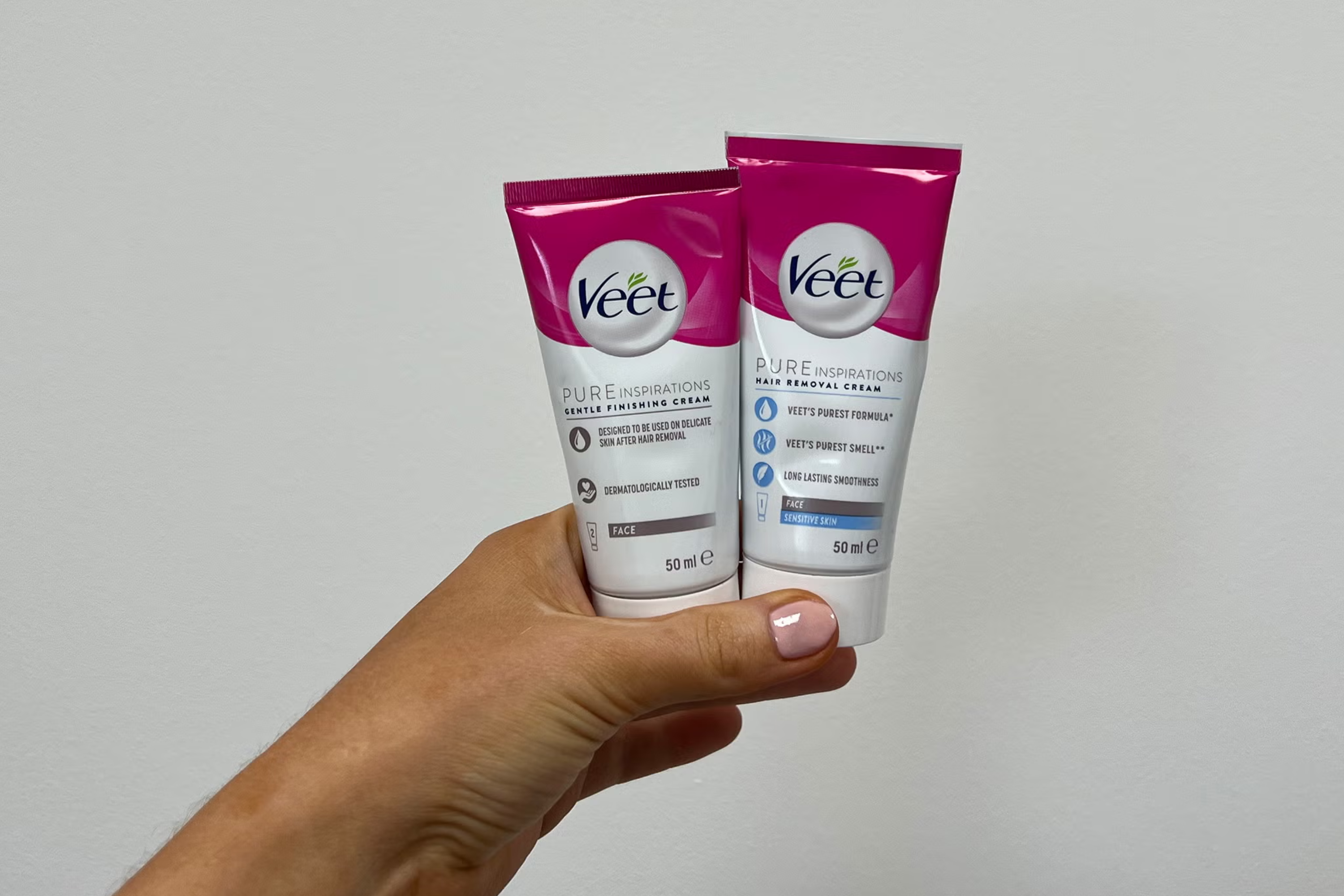
The active ingredients in most modern depilatories, such as those sold in 2026 by major brands like Veet or Nair, are salts of thioglycolic acid. These chemicals work by breaking the disulfide bonds in the keratin molecules of the hair. When these bonds are broken, the hair loses its structural integrity and turns into a jelly-like substance that can be easily wiped away from the skin's surface.
The challenge lies in the fact that these chemicals cannot distinguish between the keratin in your hair and the keratin in your skin. Because the cream must have a high pH level—often between 11 and 12.5—to effectively break down hair, it is highly caustic. For context, the natural pH of human skin is slightly acidic, hovering around 5.5. When a substance with a pH of 12 is applied to the skin, it creates a significant chemical imbalance that can lead to a "base burn" or alkaline burn if the exposure is too intense or too long.
Common Causes of Hair Removal Cream Burns
While manufacturers formulate these products to be safe for general use, several factors can trigger a burning reaction. Understanding these risks is the first step in preventing injury.
1. Excessive Leave-On Time
The most frequent cause of chemical burns from depilatories is leaving the product on the skin for longer than the maximum time stated on the packaging. Users often believe that leaving the cream on for an extra minute or two will ensure a "cleaner" result, especially for coarse hair. However, once the hair bonds are broken, the chemicals begin to attack the skin cells more aggressively. In the dermatological world of 2026, safety protocols remain strict: never exceed the recommended time, even by 30 seconds.
2. Skin Sensitivity and Barrier Health
The state of your skin barrier plays a massive role in how it reacts to caustic chemicals. If you have recently exfoliated, used a loofah, or have micro-abrasions from previous shaving, the chemicals can penetrate deeper into the dermis rather than staying on the surface. Additionally, individuals with conditions like eczema, psoriasis, or naturally thin skin are at a much higher risk for adverse reactions.
3. Application to Sensitive Areas
The skin on your legs is significantly thicker and more resilient than the skin on your face, bikini line, or underarms. Using a "body" formula on the face is a common mistake that leads to severe chemical burns. Facial skin is thinner and has a higher density of nerve endings and blood vessels, making it much more reactive to high-pH substances.
4. Ingredient Allergies
Beyond chemical burns, some users may experience an allergic contact dermatitis. This is an immune response to the fragrances, preservatives, or the thioglycolates themselves. While a burn is a direct result of chemical erosion, an allergic reaction involves itching, hives, and swelling that may occur even if the cream was used for the "correct" amount of time.
Symptoms of a Depilatory Chemical Burn
Recognizing the difference between normal tingling and a chemical burn is essential for immediate intervention. A "normal" sensation might include very mild warmth or a slight prickling feeling. However, the following symptoms indicate a burn:
- Intense Stinging or Pain: A sharp, burning sensation that does not subside immediately after the cream is wiped away.
- Persistent Redness: Redness that looks like a sunburn and lasts for several hours or days.
- Inflammation and Swelling: The affected area appears puffy or raised compared to the surrounding skin.
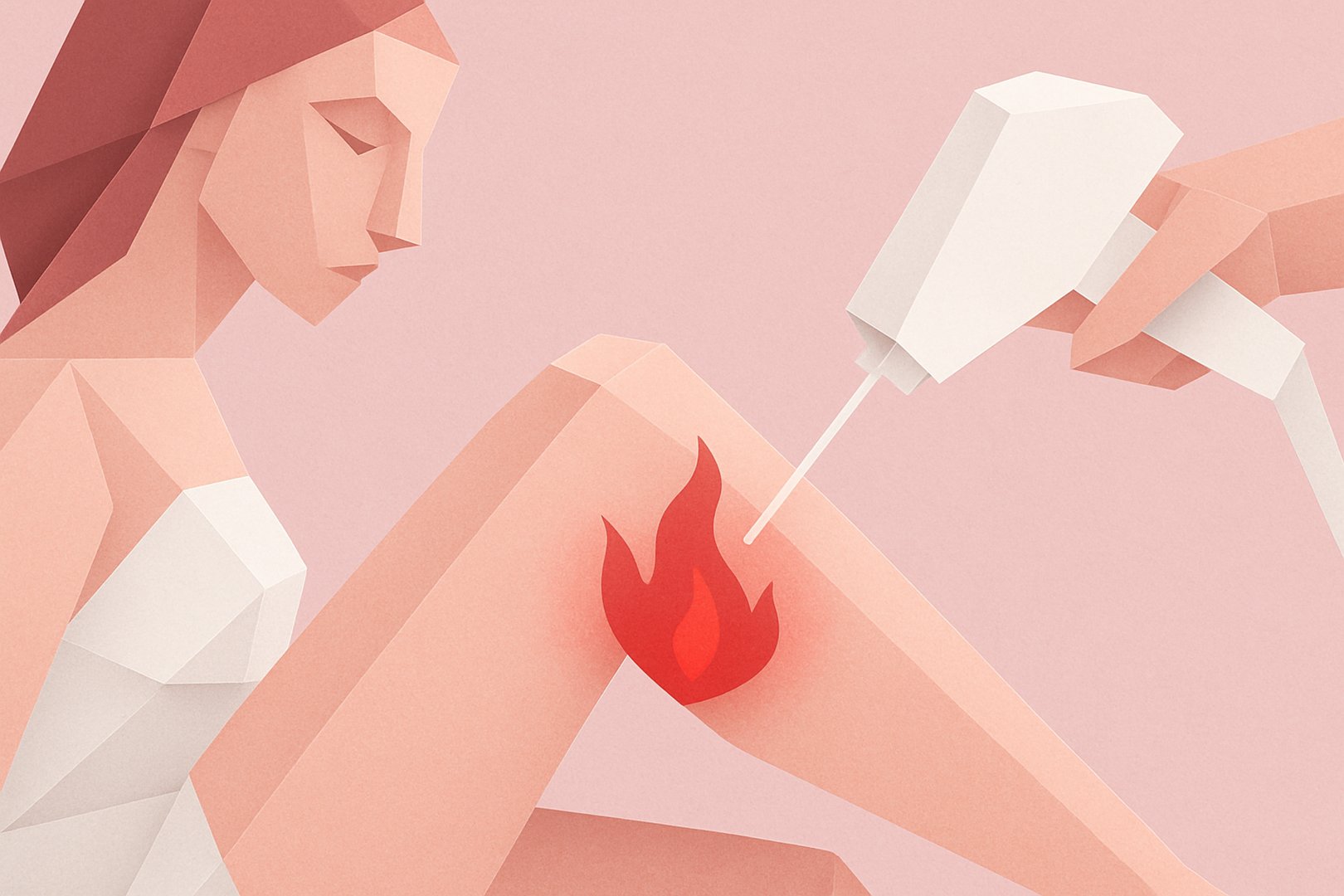
- Blistering or Oozing: This indicates a second-degree chemical burn where the deeper layers of the skin have been compromised.
- Skin Peeling: The top layer of the skin may eventually slough off, leaving raw, pink tissue underneath.
| Reaction Type | Symptoms | Common Cause | Recommended Action |
|---|---|---|---|
| Mild Irritation | Slight pinkness, temporary itching | Sensitive skin or mild overexposure | Rinse with cool water, apply moisturizer |
| First-Degree Burn | Bright red skin, pain, no blisters | Leaving cream on too long (1-3 mins over) | Cool compress, hydrocortisone, avoid sun |
| Second-Degree Burn | Blisters, raw skin, intense pain | Leaving cream on significantly too long | Seek medical advice, do not pop blisters |
| Allergic Reaction | Hives, widespread itching, swelling | Sensitivity to fragrance or chemicals | Discontinue use, take antihistamine |
Immediate First Aid for Chemical Burns
If you feel a burning sensation while using hair removal cream, act immediately. Do not wait for the timer to go off.
- Remove the Cream Fast: Use a soft, damp cloth to gently wipe the cream off the skin. Do not scrub, as this can push the chemicals deeper into the damaged tissue.
- Flush with Cool Water: Place the affected area under running cool water for at least 15 to 20 minutes. This helps neutralize the pH and physically washes away any residual chemical traces. Avoid using very cold ice water, as extreme temperatures can further shock the damaged skin.
- Use a pH-Neutral Cleanser: If you have a very mild, fragrance-free soap, you can use it to ensure all oils and chemicals are gone, but often, plain water is the safest route during the initial minutes.
- Pat Dry: Do not rub the skin with a towel. Gently pat the area dry with a clean, lint-free cloth.
- Apply a Soothing Agent: Use pure aloe vera gel (without alcohol or added fragrances) or a basic petroleum-based ointment like Vaseline. These create a barrier that protects the raw skin from the air, which can reduce pain.
For more information on managing skin injuries, the American Academy of Dermatology provides extensive resources on treating chemical irritations.
Long-Term Healing and What to Avoid
Healing a chemical burn takes time, usually anywhere from three days to two weeks depending on the severity. During this period, the skin is highly vulnerable.
What to do:
- Keep it Moisturized: Use fragrance-free, hypoallergenic moisturizers. Ingredients like ceramides or colloidal oatmeal can help repair the skin barrier.
- Wear Loose Clothing: Friction from tight leggings or jeans can irritate a burn on the legs or bikini area. Opt for breathable cotton fabrics.
- Sun Protection: New skin is incredibly sensitive to UV rays. Keep the burned area covered or use a mineral-based sunscreen if the skin is not raw.
What to avoid:
- Do Not Pick Blisters: If blisters form, they are a natural "bandage" protecting the underlying tissue. Breaking them increases the risk of infection and scarring.
- Avoid "Active" Skincare: Do not apply retinols, AHAs, BHAs, or vitamin C to the area until it is completely healed.
- No Re-application: Do not attempt to remove the remaining hair in that area for at least two weeks. Shaving over a chemical burn can lead to permanent scarring.
How to Safely Use Hair Removal Creams in the Future
If you want to continue using depilatories but want to avoid future burns, follow these professional safety steps:
The Essential Patch Test
Never skip the patch test, even if you have used the brand before. Formulations can change, and your skin's sensitivity can fluctuate due to hormones, weather, or medication. Apply a small nickel-sized amount of the cream to the specific area where you intend to remove hair. Wait the full duration, rinse, and then wait 24 hours. If no redness or itching occurs, it is generally safe to proceed.
Mind the Clock
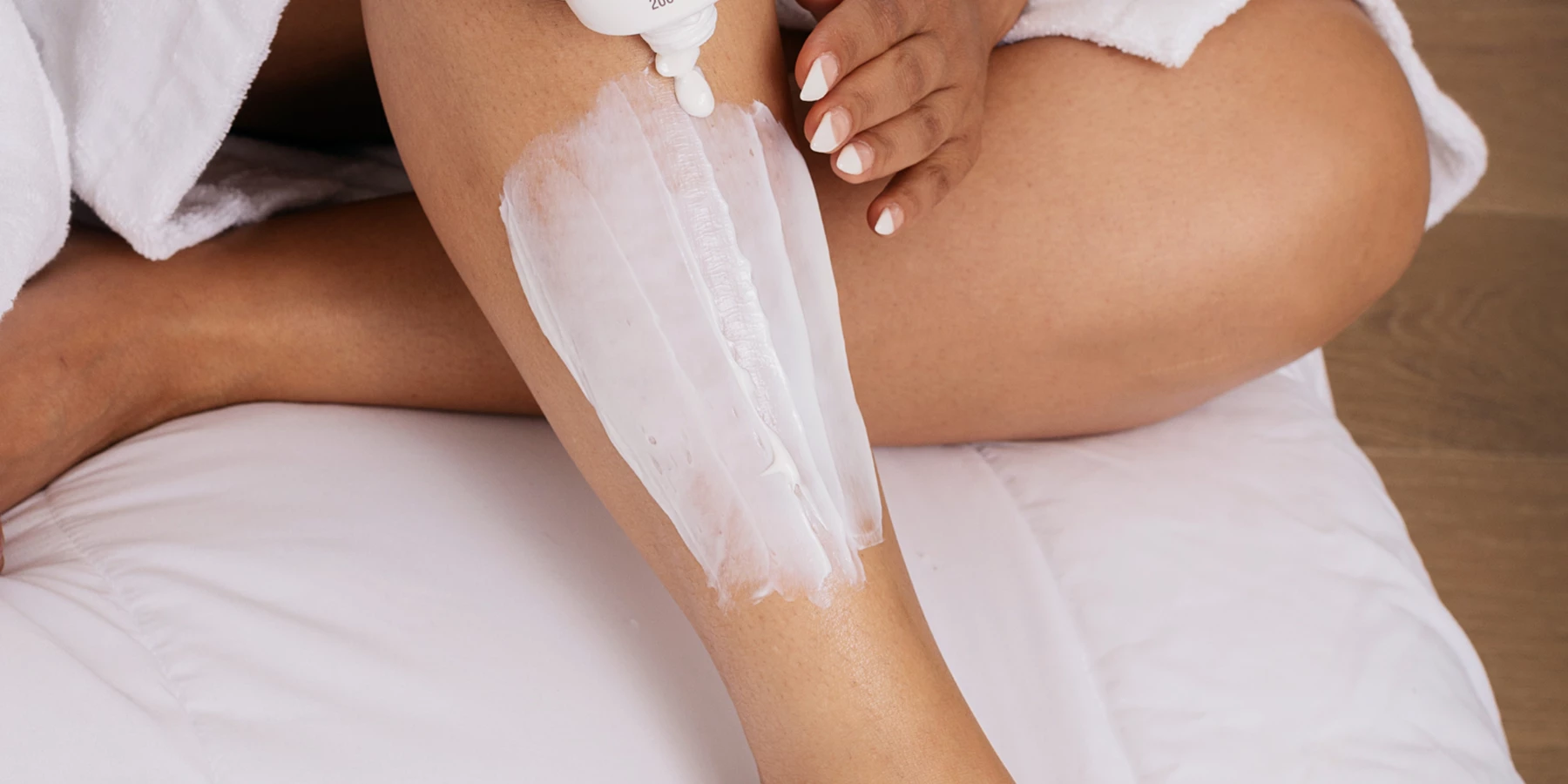
Use a digital timer. It is easy to lose track of time while scrolling on a phone or brushing your teeth. If the instructions say 5 to 10 minutes, start checking the hair at 5 minutes. If it comes away easily, stop there. The "maximum" time is a hard limit, not a suggestion.
Preparation Matters
Do not use hair removal cream immediately after a hot bath or shower, as the heat opens your pores and increases blood flow to the skin, making it more reactive. Additionally, wait at least 72 hours after shaving before using a depilatory to ensure any micro-cuts have healed.
Frequently Asked Questions
Can hair removal cream cause permanent scarring?
While most burns are superficial (first-degree), severe second-degree burns that involve deep blistering can lead to permanent scarring or post-inflammatory hyperpigmentation (dark spots). Following proper first aid and avoiding picking at the skin significantly reduces this risk.
Why does it burn even if I followed the instructions?
You may have an underlying skin sensitivity or a damaged skin barrier. Factors such as using certain acne medications (like Accutane or topical retinoids), recent exfoliation, or even being in a humid environment can make your skin more susceptible to the chemicals even within the "safe" timeframe.
Is it normal for the skin to feel tingly?
A very mild tingling is common for some users, but it should never feel painful. If the sensation transitions from a tingle to a "heat" or a "sting," it is a sign that the chemical reaction is becoming too aggressive for your skin type, and you should remove the product immediately.
What should I do if I get hair removal cream on my genitals?
If you are not using a formula specifically designed for the pubic region, this can be a medical emergency due to the sensitivity of mucosal tissue. Immediately flush the area with lukewarm water for 20 minutes and contact a healthcare provider if you experience severe pain or blistering.
Can I use hydrocortisone on a depilatory burn?
Yes, a 1% hydrocortisone cream can help reduce inflammation and redness for minor burns. However, it should not be applied to broken skin or open blisters. For severe cases, consult a doctor for a prescription-strength topical treatment.
Expert Recommendation
If you experience frequent irritation from hair removal creams, your skin may simply be too sensitive for high-pH chemical depilatories. In 2026, many dermatologists recommend switching to alternative methods like electric trimmers, which provide a close cut without touching the skin barrier, or professional laser hair removal, which targets the follicle rather than the skin surface. If you must use creams, always opt for "Sensitive Skin" versions, which typically contain lower concentrations of thioglycolates and higher levels of soothing agents like Vitamin E and Aloe.
Image Gallery