Understanding How Much a Bugatti Car Is Worth
Understanding how much a Bugatti car is worth requires looking past standard automotive valuation metrics and examining a unique blend of extreme engineering, limited production volumes, bespoke craftsmanship, and hyper-luxury market d...
Understanding how much a Bugatti car is worth requires looking past standard automotive valuation metrics and examining a unique blend of extreme engineering, limited production volumes, bespoke craftsmanship, and hyper-luxury market demand. A new modern Bugatti typically starts at approximately $3 million to $5 million, while rare, historically significant models or customized coachbuilt editions can command tens of millions of dollars at elite collector car auctions.
Contents
Evaluating the true market value of these ultra-luxury hypercars involves analyzing original base pricing, options, limited-run exclusivity, maintenance overhead, and historical appreciation. Unlike mass-market luxury vehicles, Bugattis often function as movable fine art and alternative asset classes, making their valuation a dynamic interplay of heritage, mechanical prowess, and collector sentiment.
The Foundation of Bugatti Pricing: Base MSRP and Customization
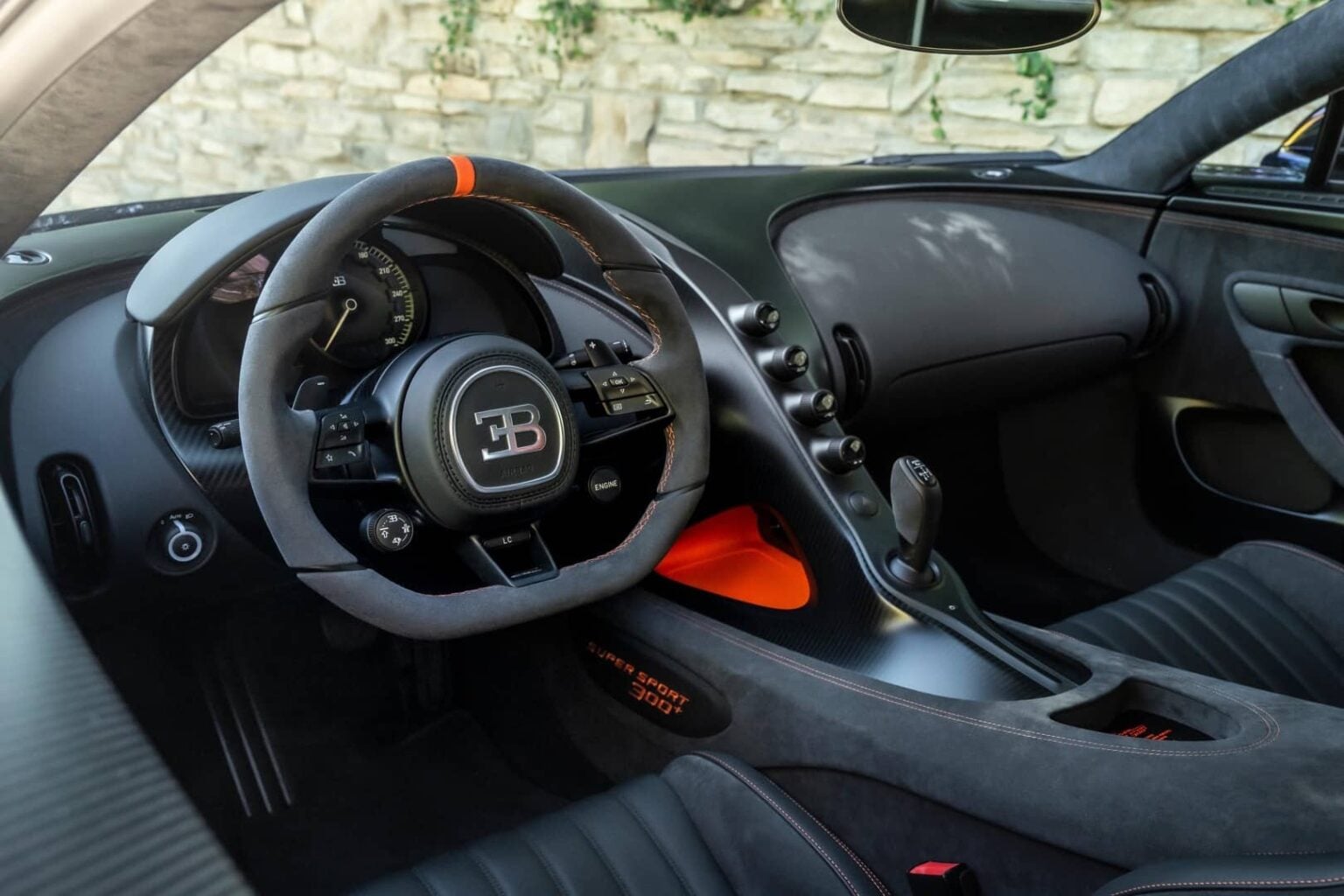
When evaluating a new Bugatti, the manufacturer's suggested retail price (MSRP) serves merely as a starting point. Modern vehicles produced by the Molsheim-based manufacturer, such as the Chiron lineage or its successor platforms, are built with deeply personalized specifications. Clients rarely purchase a "standard" configuration; instead, they engage in bespoke commissioning programs that allow for custom paint finishes, exposed carbon fiber weaves, specialized interior hides, and unique interior trim.
These personalization options can easily add hundreds of thousands—or even millions—of dollars to the final purchase invoice. For instance, opting for a fully exposed tinted carbon fiber body or a custom-tailored interior can match the price of a high-end luxury home. Consequently, the sticker price of a new Bugatti is heavily dependent on the original buyer's personal taste and the extent of their bespoke requests.
Furthermore, production numbers are strictly limited by design. Bugatti historically caps production runs for specific models—such as the Veyron at 450 total units across variants, or the Chiron at 500 units—which creates immediate artificial scarcity. This low volume ensures that supply rarely meets global demand among ultra-high-net-worth individuals, setting the stage for strong residual values.
Modern Models and Their Market Valuations
To understand contemporary Bugatti valuations, it is helpful to categorize vehicles by era, production volume, and mechanical configuration. The modern era of Bugatti under Volkswagen Group stewardship began with the Veyron in the mid-2000s, followed by the Chiron in 2016, and ultra-exclusive coachbuilt variants like the Divo, Centodieci, and La Voiture Noire.
Modern Bugatti Valuation Breakdown
| Model Series | Production Years | Production Volume | Estimated Original MSRP | Current Market Value Range |
|---|---|---|---|---|
| Bugatti Veyron 16.4 | 2005–2015 | 450 units total (Coupe & Grand Sport) | $1.7M – $2.5M | $1.5M – $2.5M+ (Variant dependent) |
| Bugatti Chiron | 2016–2024 | 500 units total | $3.0M – $3.5M | $3.5M – $5.0M+ |
| Bugatti Divo | 2019–2021 | 40 units | $5.4M | $8.0M – $10.0M+ |
| Bugatti Centodieci | 2021–2022 | 10 units | $9.0M | $12.0M+ (Private market) |
| Bugatti La Voiture Noire | 2019 (One-off) | 1 unit | ~$18.7M | Unpriced / Est. $20M+ |
As detailed above, standard production models like the Veyron have largely stabilized in value after initial depreciation, while ultra-exclusive variants like the Divo and Centodieci command significant premiums over their original factory cost due to extreme rarity.
The Impact of Coachbuilt and One-Off Models
Beyond series-production hypercars, Bugatti builds ultra-exclusive coachbuilt specials that redefine automotive asset valuation. These vehicles utilize existing mechanical architecture—such as the quad-turbocharged 8.0-liter W16 engine—wrapped in entirely bespoke carbon fiber bodywork that pays homage to historic brand milestones, such as the legendary Type 57 SC Atlantic.
Vehicles like the Centodieci or the singular La Voiture Noire represent the pinnacle of modern automotive valuation. Because these cars are produced in single-digit numbers or as a single unit globally, they do not follow traditional market curves. Their worth is determined entirely by private negotiations, brand prestige, and the willingness of ultra-wealthy collectors to secure an irreplaceable piece of automotive history. When these vehicles occasionally trade hands on the secondary market or through private brokerages, prices frequently shatter previous auction benchmarks.
Classic and Vintage Bugatti Valuation
While modern hypercars dominate headlines, classic Bugattis built under the guidance of founder Ettore Bugatti in Molsheim, France, occupy an entirely different tier of the collector car market. Models such as the Type 35 Grand Prix car, the Type 41 Royale, and the Type 57SC Atlantic are considered some of the most valuable cultural artifacts in automotive history.
Evaluating a vintage Bugatti requires examining historical provenance, racing pedigree, chassis matching numbers, and authenticity. Because many pre-war Bugattis competed successfully in international motorsport or were bodied by legendary coachbuilders like Gangloff or Figoni et Falaschi, their values are measured in millions or tens of millions of dollars. Top-tier vintage models regularly break records at prestigious international concours events and high-end auction houses like RM Sotheby's or Gooding & Company.
Cost of Ownership and Its Effect on Market Value
A critical factor in understanding how much a Bugatti is worth involves examining the ongoing cost of ownership. Owning a hypercar of this magnitude requires a substantial financial commitment that directly influences net market liquidity and transaction pricing.
- Maintenance and Servicing: Routine annual maintenance services can easily cost tens of thousands of dollars. Specialized procedures, such as fluid changes or engine inspections, require certified technicians to transport the vehicle in enclosed trailers to specialized regional hubs.
- Tire and Wheel Replacement: Due to the extreme speeds and high loads generated by the quad-turbo W16 engine, tires must be replaced at strict intervals—often every few thousand miles—costing upwards of $40,000 to $50,000 per set, with wheel assemblies requiring replacement after multiple tire changes.
- Insurance and Storage: Specialized collector insurance policies, climate-controlled storage facilities, and security requirements add significant recurring overhead, ensuring that only deeply capitalized individuals participate in this market segment.
These high operational barriers mean that sellers are rarely forced into distress sales, keeping market valuations stable and robust even during broader economic downturns.
Frequently Asked Questions
How much does a brand-new Bugatti cost?
A brand-new Bugatti typically starts at a base price of approximately $3 million to $5 million. However, with custom factory options, bespoke paint, and personalized interior configurations, the final delivery invoice often climbs significantly higher depending on the specific model tier.
Do Bugatti cars appreciate in value over time?
Certain limited-edition and coachbuilt Bugattis—such as the Divo, Centodieci, and special Chiron variants—frequently appreciate in value due to extreme scarcity and high global demand. Standard production models may experience initial depreciation before stabilizing and holding strong collector demand.
What makes a Bugatti so expensive?
The high cost stems from hand-built manufacturing processes, extreme engineering tolerances, high-performance materials like titanium and carbon fiber, and the complex quad-turbocharged W16 engine architecture. Additionally, low production volumes and the prestige of the historic brand contribute to premium pricing.
How much does it cost to maintain a Bugatti?
Routine annual maintenance can cost between $20,000 and $35,000, while major service intervals or specialized component replacements—such as fuel systems, turbochargers, or specialized tires—can exceed six figures over a multi-year ownership cycle.
Where are Bugatti cars manufactured?
Every modern Bugatti is hand-assembled at the historic Atelier located in Molsheim, France, on the exact site where Ettore Bugatti originally established the company in 1909.
Conclusion and Next Actions
Evaluating the worth of a Bugatti requires looking far beyond simple manufacturing costs to appreciate a complex ecosystem of heritage, engineering mastery, and ultra-exclusive supply dynamics. Whether examining a modern series-production hypercar, an ultra-rare coachbuilt special, or a historic pre-war racer, values remain exceptionally resilient. Prospective buyers, collectors, or researchers should consult specialized valuation indices, certified marque historians, and elite automotive brokerages to verify chassis authenticity, service records, and current private-market transaction data before engaging in high-value acquisitions.
Image Gallery