The Hidden Hot Water Village Explained: Lore, History, and the Legacy of Hidan
Yugakure, known as the Village Hidden in Hot Water, is a unique shinobi settlement located within the Land of Hot Water. Unlike the militaristic Five Great Shinobi Nations, Yugakure is defined by its transition from a ninja stronghold...
Yugakure, known as the Village Hidden in Hot Water, is a unique shinobi settlement located within the Land of Hot Water. Unlike the militaristic Five Great Shinobi Nations, Yugakure is defined by its transition from a ninja stronghold to a peaceful, tourism-driven destination focused on its famous natural hot springs and geothermal resources.
Contents
In the vast world of the Naruto franchise, most hidden villages are defined by their military might, their Kage-level leaders, and their participation in the Great Ninja Wars. However, Yugakure stands as a fascinating anomaly. Often overlooked by casual viewers but deeply studied by lore enthusiasts, this village represents a shift in the sociopolitical fabric of the ninja world—a shift from constant conflict to a culture of leisure and pacifism. As of 2026, within the ongoing analysis of the Boruto-era timeline, Yugakure remains a critical case study in how a shinobi society can reinvent itself, for better or worse.
The Geopolitical Context of the Land of Hot Water
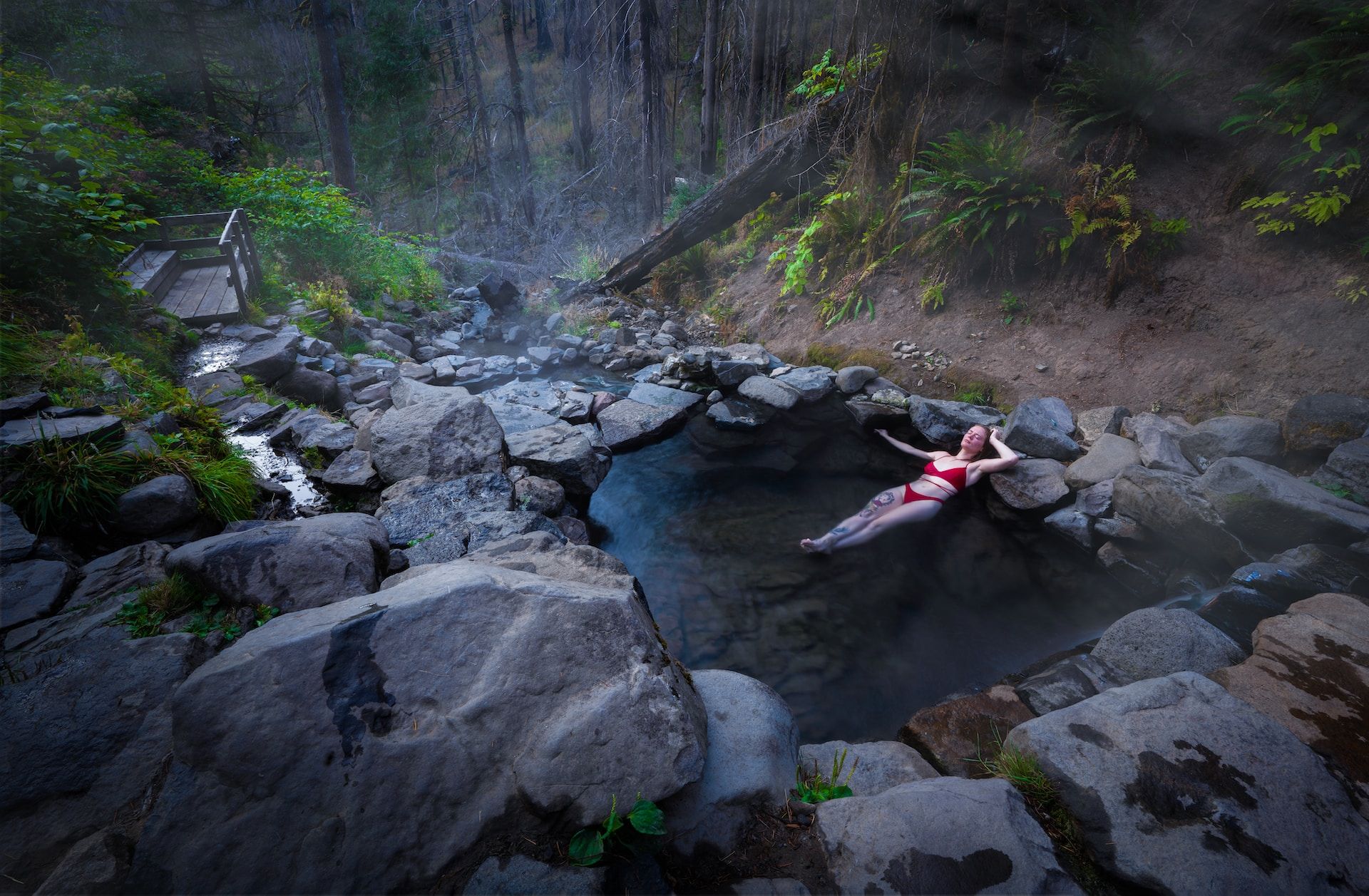
To understand Yugakure, one must first understand its home, the Land of Hot Water (Yu no Kuni). Situated between the Land of Frost and the Land of Fire, the country occupies a strategic but precarious position. Historically, it served as a buffer zone during the various Great Ninja Wars. Because of its geography, the land is rich in volcanic activity, leading to an abundance of natural hot springs (onsen) that have become the cornerstone of its modern economy.
The village itself, Yugakure, was originally founded as a hidden village intended to protect the interests of the Land of Hot Water. During the early eras of the shinobi world, it maintained a standard military structure, training ninja in various forms of ninjutsu and weaponry. However, as the world moved toward a more stable—if fragile—peace, the leadership of Yugakure made a radical decision: they would abandon the way of the shinobi in favor of becoming a neutral, pacifist resort town.
This transition was not merely a change in branding. It involved the decommissioning of many of its military assets and a shift in the education of its youth. Instead of focusing on combat efficiency, the village began to prioritize hospitality, architecture suited for tourism, and the preservation of its natural geothermal assets. This move made the village wealthy and popular among travelers, including high-ranking officials from other nations who sought the healing properties of the hot springs.
The Rise of Hidan and the Jashin Cult
The most significant and dark chapter in Yugakure’s history involves the defection of Hidan, who eventually became a prominent member of the Akatsuki. Hidan’s backstory provides the primary explanation for why Yugakure is "hidden" in more than just the literal sense—it hides a dark, extremist history that directly resulted from its forced pacifism.
Hidan grew up as the village was transitioning away from its militaristic roots. For a young man who thrived on combat and the "old ways" of the shinobi, the shift toward peace was seen as an insult and a sign of weakness. Hidan believed that shinobi were meant for killing and that a village that did not fight had no right to exist. This resentment led him into the arms of the Cult of Jashin, an extremist religious group that worshipped a god of destruction and mandated the slaughter of others to achieve immortality.
The conflict between Hidan and his home village reached a breaking point when Hidan massacred his neighbors before defecting. This event served as a stark warning to the ninja world: suppressing the martial nature of a hidden village can lead to radicalization among those who refuse to adapt. Hidan’s immortality and his unique "Curse Technique: Death Controlling Possessed Blood" were products of the forbidden experiments and rituals associated with Jashinism that flourished in the shadows of the "peaceful" Hot Water Village.
Yugakure in the Boruto Era: The Steam Ninja Scrolls
In the modern era, specifically detailed in the Steam Ninja Scrolls (Konoha Shinden) arc, Yugakure serves as the primary setting for the adventures of Mirai Sarutobi, Kakashi Hatake, and Might Guy. This arc, which takes place years after the Fourth Shinobi World War, provides the most comprehensive look at the village's current state.
By 2026 in the series' expanded lore, Yugakure has successfully established itself as a premier vacation spot. However, the "Steam Ninja Scrolls" reveals that the village still struggles with the remnants of the Jashin cult. A man named Ryuki attempted to revive the cult’s practices by kidnapping young girls to sacrifice them, hoping to gain immortality like Hidan. This demonstrates that while the village leadership promotes peace, the lack of a strong internal military force makes Yugakure vulnerable to internal cultist threats and external exploitation.
The village’s reliance on foreign shinobi for high-level security—such as when Konoha ninja are requested for investigations—highlights the trade-off Yugakure made. They traded their defensive independence for economic prosperity. While they are no longer a target in large-scale wars, they require constant vigilance from allies to prevent underground factions from taking root.
Technical Comparison: Yugakure vs. Other Hidden Villages
The following table compares Yugakure to the major hidden villages to illustrate its unique standing in the shinobi world.
| Feature | Yugakure (Hot Water) | Konohagakure (Leaf) | Sunagakure (Sand) |
|---|---|---|---|
| Primary Economy | Tourism & Hot Springs | Military Contracts & Trade | Mineral Mining & Military |
| Military Status | Largely Decommissioned | High Standing/Active | High Standing/Active |
| Governance | Village Head (Pacifist) | Hokage (Military/Political) | Kazekage (Military/Political) |
| Notable Export | Geothermal Health Services | Elite Shinobi/Will of Fire | Puppet Mastery/Wind Tech |
| Historical Conflict | Internal Jashin Cult | Multiple World Wars | Multiple World Wars |
| Alliances | Dependent on Land of Fire | Leader of Shinobi Alliance | Member of Shinobi Alliance |
The Architecture and Geothermal Infrastructure
One of the most impressive aspects of Yugakure is its integration of nature and urban planning. Because the village is built over a massive network of hot springs, the architecture is designed to facilitate the flow of steam and water. The buildings are often constructed with heat-resistant materials and feature intricate plumbing systems that provide natural heating to the entire population.
The village is divided into several "Steam Districts," ranging from high-end luxury resorts for visiting Daimyo to public baths accessible to common travelers. This infrastructure is not just for comfort; it is the lifeblood of the village. The maintenance of these springs requires specialized knowledge of geology and water-flow ninjutsu, though these skills are now practiced more by civilian engineers than by combat-ready ninja.
However, this specialized infrastructure also presents a tactical weakness. The village's reliance on geothermal vents means that any disruption to the underground water flow or volcanic stability could effectively destroy the village's economy and habitability. This was a point of concern during the Fourth Shinobi World War, as the village had to be evacuated due to its proximity to the frontline and its inherent fragility.
Frequently Asked Questions
Is Yugakure considered one of the Five Great Shinobi Nations?
No, Yugakure is a smaller, minor hidden village. It does not have a Kage (like a Hokage or Kazekage) and does not possess the military or political influence required to be classified as one of the Five Great Nations. It operates as an independent entity but often relies on the Land of Fire for protection and diplomatic support.
Does Yugakure still produce ninja?
While Yugakure has transitioned to a pacifist stance, it still maintains a very small, basic security force. However, they do not produce "ninja" in the traditional sense of high-level combatants or assassins. Most residents with shinobi training use their skills for construction, tourism management, or local law enforcement rather than participating in international missions.
What happened to the Cult of Jashin in Yugakure?
Following Hidan's defection and his eventual "defeat" (being buried alive by Shikamaru Nara), the cult was largely driven underground. However, as seen in the Boruto era, remnants and copycat groups still exist. The village leadership actively suppresses Jashinism, viewing it as a stain on their peaceful reputation, but the cult remains a persistent "hidden" threat within the village's history.
Can travelers visit Yugakure safely?
Yes, in the current timeline, Yugakure is one of the safest and most welcoming locations for civilians and shinobi alike. It is a major hub for relaxation and recovery. The security issues involving the Jashin cult are generally handled by high-ranking visiting ninja, and the average tourist is unlikely to encounter any danger.
Why did Hidan hate his village so much?
Hidan viewed the village's move toward pacifism as a betrayal of the shinobi identity. To him, being a ninja meant embracing death and combat. He saw the transformation of a hidden village into a tourist resort as "disgusting" and "blasphemous," which drove him toward the violent philosophy of Jashinism.
Moving Forward: The Future of the Hidden Hot Water Village
For fans and researchers looking to explore the deeper lore of Yugakure, the best course of action is to study the Konoha Shinden: Steam Ninja Scrolls light novel or its anime/manga adaptation in Boruto. These sources provide the most up-to-date information on how the village has evolved in the post-war era.
As the ninja world continues to modernize, Yugakure serves as a harbinger of what other villages might become. If the world achieves lasting peace, the transition from a military-based society to a service-based society—pioneered by the Hidden Hot Water Village—may become the standard rather than the exception. However, the legacy of Hidan serves as a permanent reminder that the transition to peace must be managed carefully to ensure that those with a natural inclination toward conflict are not left behind or radicalized.
Image Gallery