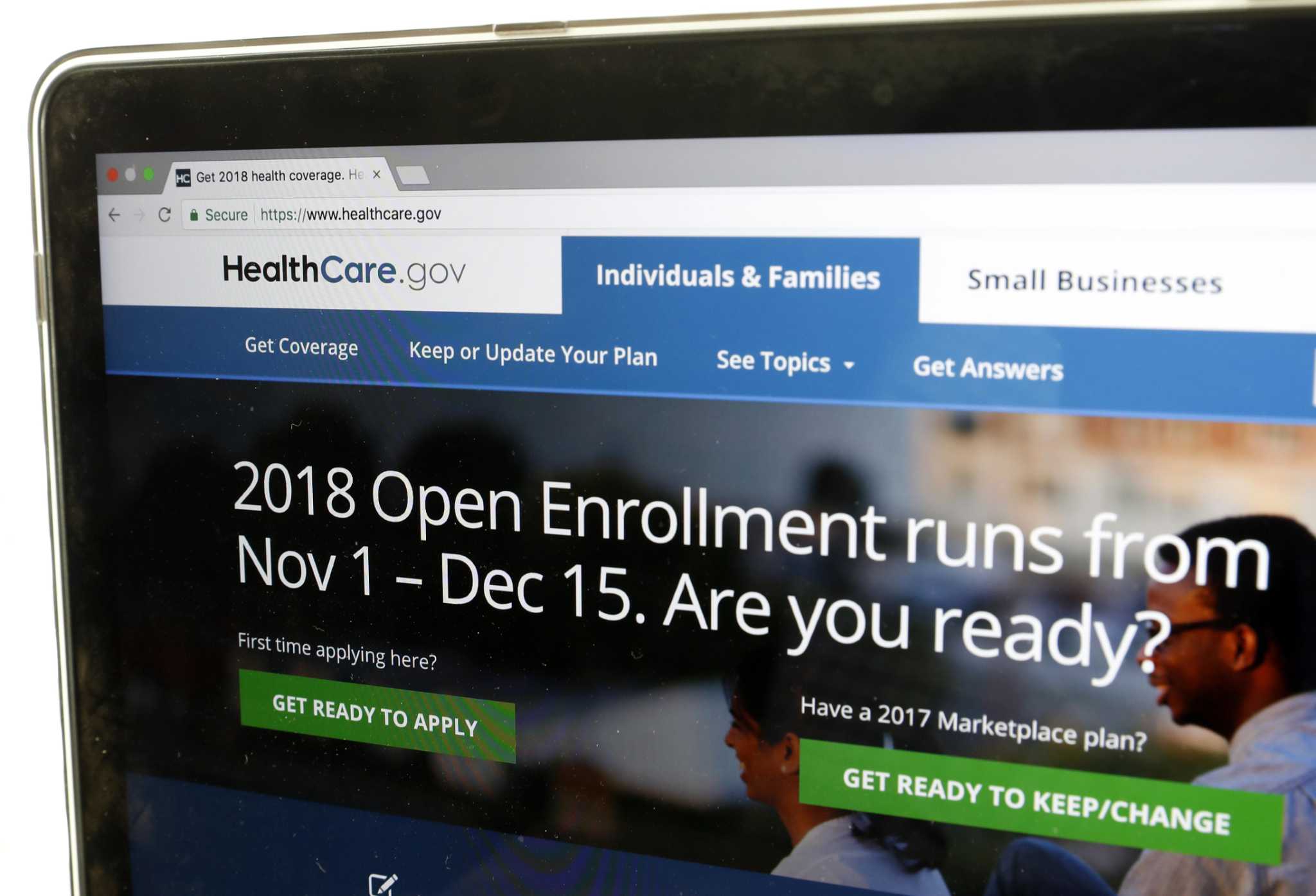
Comprehensive Guide to Navigating Texas Open Enrollment Health Insurance Options (2026)
To navigate Texas open enrollment for 2026, you must access the federal Marketplace at Healthcare.gov between November 1, 2025, and January 15, 2026. Texas residents should evaluate plans based on "metal tiers" (Bronze to Gold), verify...
To navigate Texas open enrollment for 2026, you must access the federal Marketplace at Healthcare.gov between November 1, 2025, and January 15, 2026. Texas residents should evaluate plans based on "metal tiers" (Bronze to Gold), verify provider networks (HMO vs. EPO), and apply for income-based tax credits to lower monthly premiums.
Contents
Understanding the 2026 Open Enrollment Timeline in Texas
The Open Enrollment Period (OEP) is the specific window during which individuals and families in Texas can sign up for, switch, or cancel health insurance plans for any reason. For the 2026 coverage year, the window follows the established federal schedule because Texas utilizes the Federally Facilitated Marketplace (FFM).
The most critical date to remember is November 1, 2025, which marks the first day residents can submit applications. However, the deadline for coverage to begin on New Year's Day is December 15, 2025. If you enroll between December 16 and January 15, 2026, your coverage will generally not begin until February 1, 2026. This distinction is vital for those currently uninsured or those whose existing plans are terminating on December 31.
Missing the January 15 deadline typically means you cannot enroll in a Marketplace plan until the next year unless you qualify for a Special Enrollment Period (SEP). SEPs are triggered by "Qualifying Life Events" (QLEs), such as getting married, having a baby, losing employer-sponsored coverage, or moving to a different Texas county. Without an SEP, your only options might be short-term plans, which often lack the essential health benefits and consumer protections required by the Affordable Care Act (ACA).
Eligibility and Prerequisites for Texas Residents
Before starting the application process, it is essential to determine if you are eligible for a Marketplace plan in Texas. Eligibility is primarily based on residency, citizenship or legal presence, and the lack of alternative "minimum essential coverage."
To qualify, you must live in Texas and be a U.S. citizen, U.S. national, or be lawfully present in the country. Individuals who are currently incarcerated are generally ineligible. Furthermore, if you have access to affordable, comprehensive health insurance through an employer, you may still browse the Marketplace, but you will likely be ineligible for the premium tax credits that make these plans affordable for many.
Texas remains a non-expansion state regarding Medicaid as of 2026. This creates a "coverage gap" for some low-income adults who earn too much for traditional Medicaid but not enough to qualify for Marketplace subsidies (which typically start at 100% of the Federal Poverty Level). Understanding where your household income falls on this scale is the most important prerequisite before you begin the navigation process.
Decoding the Metal Tiers: Bronze, Silver, and Gold
When navigating the Texas Marketplace, plans are categorized into "metal tiers." These tiers do not reflect the quality of medical care you receive, but rather how you and the insurance company share the costs of your healthcare.
Bronze Plans
Bronze plans generally have the lowest monthly premiums but the highest out-of-pocket costs when you receive care. In Texas, these are often popular with young, healthy individuals who want protection against "worst-case scenarios" like major accidents or sudden illnesses. However, the deductibles can be several thousand dollars, meaning you will pay for most routine care yourself until that limit is reached.
Silver Plans
Silver plans are often considered the "standard" or "benchmark" choice. They offer moderate premiums and moderate out-of-pocket costs. Crucially, Silver plans are the only tier eligible for Cost-Sharing Reductions (CSRs). If your household income falls within a certain range, choosing a Silver plan can significantly lower your deductible, copayments, and coinsurance, effectively giving you the benefits of a Gold plan at a Silver price point.
Gold and Platinum Plans
Gold plans have higher monthly premiums but much lower costs at the point of service. These are ideal for Texans who have chronic conditions, require regular specialist visits, or take expensive maintenance medications. Platinum plans offer the lowest out-of-pocket costs but are less common in many Texas counties.
Evaluating Network Types: HMO, PPO, and EPO
Texas has a unique insurance landscape where the type of provider network can be just as important as the monthly premium. Navigating these options requires a careful look at which doctors and hospitals are included.
- Health Maintenance Organizations (HMOs): These are very common in the Texas individual market. They usually require you to choose a Primary Care Physician (PCP) and get referrals to see specialists. Except in emergencies, out-of-network care is generally not covered.
- Exclusive Provider Organizations (EPOs): EPOs have grown in popularity in Texas urban centers like Houston, Dallas, and Austin. Like HMOs, they generally do not cover out-of-network care, but they often do not require a referral to see an in-network specialist.
- Preferred Provider Organizations (PPOs): PPOs offer the most flexibility, allowing you to see out-of-network providers (though at a higher cost) and usually not requiring referrals. However, in the 2026 Texas individual market, true PPOs remain rare and significantly more expensive than HMO or EPO options.
When choosing a plan, use the "search for doctors" tool on Healthcare.gov. Texas is a large state, and a plan that has a robust network in San Antonio might have very few providers in a rural West Texas county.
Financial Assistance: Subsidies and Tax Credits
Most Texans shopping on the Marketplace qualify for financial help. The primary form of assistance is the Advanced Premium Tax Credit (APTC). This credit is based on your estimated household income for 2026 and is paid directly to the insurance company to lower your monthly bill.
When navigating these options, accuracy in income reporting is paramount. If you underestimate your income, you may have to pay back some of the tax credit when you file your 2026 federal tax return. Conversely, if you overestimate, you might receive a refund.
As of 2026, the enhanced subsidies originally introduced under the Inflation Reduction Act continue to play a role in making plans more affordable for middle-income families who previously sat above the "subsidy cliff." This means many households earning more than 400% of the Federal Poverty Level may still qualify for assistance if the cost of a benchmark plan exceeds a certain percentage of their income.
Comparison of Plan Tier Characteristics (2026 Estimates)
| Feature | Bronze Plans | Silver Plans | Gold Plans |
|---|---|---|---|
| Monthly Premium | Lowest | Moderate | High |
| Deductible | Highest | Moderate | Lowest |
| Primary Care Visit | Usually high copay/deductible | Moderate copay | Low copay |
| Best For | Healthy individuals, emergency cover | Most families, subsidy eligible | High medical usage, chronic care |
| Subsidy Eligibility | Premium Tax Credits only | Premium Tax Credits + CSR | Premium Tax Credits only |
Step-by-Step Navigation Guide
Navigating the Texas open enrollment process can be broken down into a series of logical steps to ensure no details are missed.
Step 1: Gather Documentation
Before logging on, have the following ready:
- Social Security Numbers for everyone in the household.
- Document numbers for lawfully present immigrants.
- Employer and income information (W-2s, pay stubs, or tax returns).
- An estimate of your total 2026 household income.
Step 2: Create or Update Your Account
Visit Healthcare.gov. If you have enrolled before, log in to update your information rather than starting a new application. Changes in income, family size, or address can significantly impact your subsidy eligibility and plan options.
Step 3: Complete the Application
The application will ask about your household and income. It will then provide an "Eligibility Notice." Read this carefully; it will tell you exactly how much tax credit you qualify for and if any family members are eligible for Medicaid or the Children’s Health Insurance Program (CHIP).
Step 4: Compare and Filter Plans
Use the filters on the Marketplace website. Filter by "Total Estimated Cost" (which includes premiums and out-of-pocket estimates) rather than just "Monthly Premium." Check the "Prescription Drug" tool to ensure your specific medications are on the plan’s formulary.
Step 5: Enroll and Pay the First Premium
Once you select a plan, your enrollment is not complete until you pay the first month's premium. The insurance company will typically send you a bill or a link to pay online. Coverage will not activate without this initial payment.
Common Pitfalls and Troubleshooting
One of the most frequent mistakes Texans make is choosing a plan based solely on the lowest monthly premium. A $0 or $20 premium Bronze plan may seem attractive, but a $9,000 deductible could be financially devastating if you require surgery or a hospital stay. Always calculate the "maximum out-of-pocket" limit to understand your total potential liability.
Another issue involves the "Texas-sized" geography. Ensure the plan you choose has "In-Network" facilities near your home. If you live in a border region or a rural area, check if the network extends to the nearest major medical hub.
If you encounter technical issues with the federal portal, the Texas Department of Insurance (TDI) provides resources and can help verify if an agent or broker is licensed to sell insurance in the state. However, TDI does not manage the Marketplace itself; for enrollment issues, the federal Marketplace call center remains the primary point of contact.
Disclaimer: This article provides general information about health insurance options in Texas and does not constitute legal, financial, or medical advice. Regulations and plan availability may vary by county and are subject to change. Consult with a licensed insurance agent or a certified navigator for personalized assistance.
Frequently Asked Questions
What happens if I miss the January 15 deadline?
If you miss the deadline, you generally cannot buy a Marketplace plan for 2026 unless you experience a Qualifying Life Event, such as losing your job-based insurance, moving, or getting married. Short-term "limited duration" plans may be available in Texas, but these do not cover pre-existing conditions and are not a substitute for comprehensive ACA-compliant coverage.
Can I get a PPO plan on the Texas Marketplace?
While PPO plans exist in Texas, they are increasingly rare on the individual Marketplace. Most PPO options are found through employer-sponsored groups. If you require a PPO to see specific out-of-state specialists, you may need to look at "off-exchange" plans, though these are not eligible for federal subsidies.
Is my doctor in-network?
You must check the specific 2026 provider directory for the plan you are considering. Do not assume that because a doctor was in-network in 2025, they will remain so in 2026. Use the search tool on Healthcare.gov or contact the doctor's office directly and ask if they are "in-network for the [Specific Plan Name] Marketplace plan."
How do I know if I qualify for a subsidy?
Subsidy eligibility is primarily based on your household's "Modified Adjusted Gross Income" (MAGI) compared to the Federal Poverty Level. When you enter your income data on the Marketplace, the system automatically calculates your eligibility for Premium Tax Credits and Cost-Sharing Reductions.
Are dental and vision included?
For adults, dental and vision are generally not included in standard Marketplace health plans and must be purchased as "stand-alone" plans. However, pediatric dental and vision services are considered essential health benefits and are included in all ACA-compliant plans for children under 19.
What is the "Texas Coverage Gap"?
The coverage gap refers to adults who earn below 100% of the Federal Poverty Level. Because Texas has not expanded Medicaid, these individuals often do not qualify for Medicaid but also do not earn enough to qualify for Marketplace subsidies. If you fall into this category, you may be eligible for care at community health centers or through local county indigent care programs.
Practical Recommendation
To successfully navigate Texas open enrollment for 2026, start by visiting Healthcare.gov early in November to browse available plans in your specific ZIP code. Prioritize Silver plans if you qualify for Cost-Sharing Reductions, as these offer the highest value-to-cost ratio. Before finalizing any enrollment, use the provider search tool to confirm that your preferred doctors and local hospitals are in-network for the specific plan year.
Image Gallery