Kitty of Gunsmoke: Unraveling the Classic Western Character Legacy
Kitty of Gunsmoke represents a deeply rooted cultural touchstone from the golden age of television Westerns, specifically channeling the iconic persona of Kitty Russell from the legendary series Gunsmoke. As media historians and classi...
Kitty of Gunsmoke represents a deeply rooted cultural touchstone from the golden age of television Westerns, specifically channeling the iconic persona of Kitty Russell from the legendary series Gunsmoke. As media historians and classic television enthusiasts evaluate legacy characters in 2026, understanding the historical narrative, character development, and cultural impact of Miss Kitty provides critical insight into the evolution of strong female archetypes in American broadcasting.
Contents
Understanding the Gunsmoke Legacy and Miss Kitty's Role
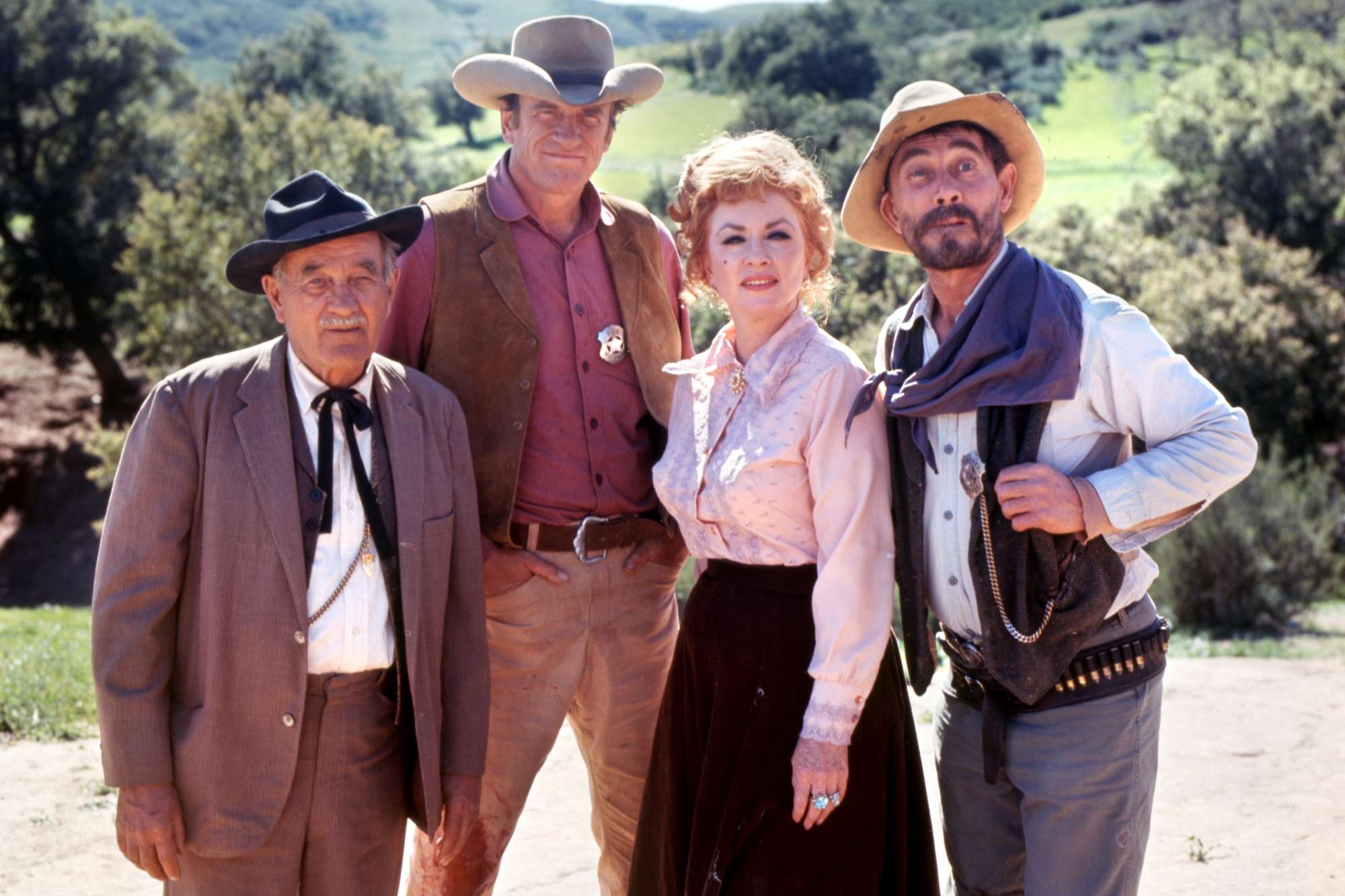
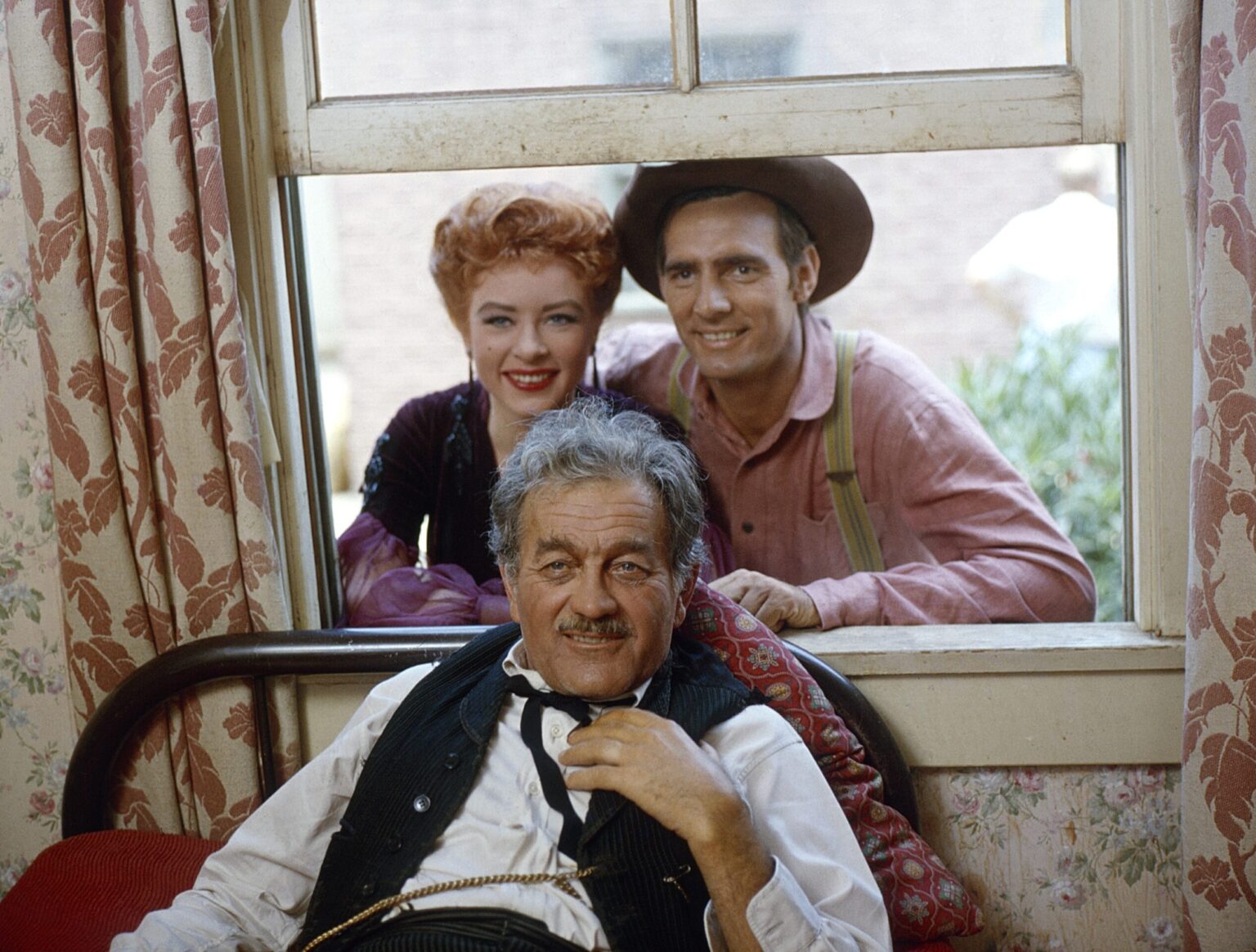
The character universally associated with the Gunsmoke universe's famous saloon proprietress is Miss Kitty Russell, brought to life definitively by Amanda Blake across the television run from 1955 to 1974, alongside cameo appearances by other notable actresses in early radio iterations and later television films. Set in Dodge City, Kansas, during the post-Civil War frontier era, Gunsmoke relied heavily on psychological depth, gritty realism, and complex character dynamics rather than simple black-and-white heroics.
Miss Kitty managed the Long Branch Saloon, standing as an independent businesswoman in a lawless cattle town. Her relationship with United States Marshal Matt Dillon served as the emotional core of the series. While television censorship codes of the era prevented explicit romance, the subtext of their partnership anchored the show's longevity. Examining this dynamic requires looking at historical authenticity, Dodge City's actual frontier culture, and the television production standards of mid-century CBS programming.
Historical Context of Dodge City Saloons
To fully appreciate the narrative construction of Kitty's establishment, one must examine the operational reality of frontier watering holes in late 19th-century Kansas. Dodge City between 1872 and 1886 was a bustling hub for the Texas cattle trade, attracting drovers, gamblers, buffalo hunters, and outlaws.
- Economic Independence: Saloon owners and operators in frontier towns often held significant civic influence, functioning as informal bankers, community leaders, and arbiters of local disputes.
- Social Stratification: Establishments like the fictional Long Branch mirrored historical venues such as the Long Branch Saloon operated by Chalk Beeson and W.H. Harris in Dodge City, which catered to diverse social classes while maintaining strict house rules regarding firearms.
- Gender Dynamics: While frontier towns were heavily male-dominated, female entrepreneurs who ran businesses commanded respect through sharp business acumen and strong personalities, a trait heavily emphasized in Kitty's character design.
Character Evolution Across Radio and Television Iterations
The transition of the Gunsmoke property from radio (1952–1961) to television (1955–1975) resulted in distinct interpretations of its primary characters. Georgia Ellis originally voiced Kitty on radio, portraying her with a sharp, worldly edge that fit the hard-boiled tone of the audio drama. When the series shifted to television, Amanda Blake transformed the role into a visual icon, defined by her red hair, elaborate period-accurate costumes, and subtle emotional depth.
| Media Format | Primary Actress | Character Portrayal Style | Narrative Focus |
|---|---|---|---|
| Radio Drama (1952–1961) | Georgia Ellis | Gritty, cynical, sharp-witted saloon operator | Gritty noir-style frontier survival and direct dialogue |
| Television Series (1955–1975) | Amanda Blake | Dignified, fiercely independent, emotionally complex | Long-term character development and Dodge City community dynamics |
| Television Films (1987–1994) | Various / Legacy Archival | Nostalgic reflection of frontier history | Closure of the Matt Dillon and Kitty Russell narrative arc |
Key Narrative Themes Associated with the Character
Writers for Gunsmoke utilized Miss Kitty as a narrative vehicle to address complex social issues of the era, subtly weaving contemporary concerns into historical scripts. These themes elevated the series above standard shoot-em-up westerns.
- Agency and Autonomy: Kitty operated independently without relying on a male protector, making financial decisions and defending her staff and patrons when necessary.
- Empathy for the Marginalized: The character frequently showed compassion toward outcasts, fallen women, Native Americans, and homesteaders facing prejudice in Dodge City.
- The Cost of Frontier Justice: Through her silent partnership with Marshal Dillon, Kitty highlighted the emotional toll exacted by violence and isolation on the American frontier.
Comparative Analysis of Classic Western Female Archetypes
In the landscape of classic television westerns, female characters typically fell into rigid categories. Analyzing how Kitty of Gunsmoke compared to her contemporaries highlights the forward-thinking writing of the series.
- The Domestic Matriarch: Characters like Ruth McCain in various series focused entirely on homesteading, family management, and moral instruction. Kitty subverted this by running a house of entertainment while retaining high moral standing.
- The Damsel in Distress: Common in episodic B-westerns, these characters required constant rescue. Kitty routinely demonstrated resourcefulness, refusing to play the victim even in high-stakes hostage situations.
- The Saloon Girl Stereotype: Early cinema often reduced saloon workers to flat, comedic, or tragic tropes. Gunsmoke gave Kitty profound interiority, agency, and equal footing in conversations with judges, lawmen, and cattle barons.
Practical Guide for Exploring the Gunsmoke Archive
For modern researchers, media students, and classic television fans looking to study the historical and cultural significance of Kitty Russell, following a structured research methodology yields the best insights.
- Audit the Radio Archives: Listen to surviving episodes of the 1952–1961 radio broadcast to observe Georgia Ellis's vocal performance and the original darker tone of the scripts.
- Examine Early Television Seasons: Review seasons 1 through 6 of the 1955 television run to witness the visual establishment of Amanda Blake's character and her evolving relationship with Matt Dillon.
- Analyze Costume and Set Design: Study how wardrobe changes across the 20-year television run reflected both 1870s historical fashion evolution and 1950s/1960s television beautification standards.
- Consult Production Histories: Read official documentation and actor biographies regarding behind-the-scenes decisions, such as Amanda Blake's departure in 1974 and its impact on the final season.
Frequently Asked Questions
Who originally played the character of Kitty in the Gunsmoke franchise?
The character was originally voiced by Georgia Ellis in the CBS radio version from 1952 to 1961, and famously portrayed on television by Amanda Blake from 1955 to 1974. Both actresses established the distinct personality and independence that defined the role across media platforms.
Did Miss Kitty marry Marshal Matt Dillon in the series?
No, Matt Dillon and Miss Kitty never officially married during the 20-year run of the television series. Their relationship remained a complex, unspoken romance characterized by mutual respect, deep loyalty, and the shared burdens of frontier life.
Why did Amanda Blake leave Gunsmoke before its final season?
Amanda Blake departed the series in 1974 during its nineteenth season due to exhaustion and a desire to pursue other creative projects and personal interests. Her departure marked a significant shift in the dynamic of the Long Branch Saloon scenes in the final broadcast year.
How historically accurate was the portrayal of Dodge City saloons in the show?
While sanitized for 1950s and 1960s television censorship guidelines, Gunsmoke accurately captured the economic importance of cattle-driving hubs and the social hierarchy of frontier towns. Real-life Dodge City featured prominent business owners who shaped local law and order similarly to the show's depiction.
Conclusion and Legacy Value
The enduring cultural footprint of Kitty of Gunsmoke proves that well-crafted, independent characters transcend their original broadcast eras. By blending historical grit with modern dramatic depth, the character set a benchmark for female representation in television Westerns that continues to be studied by media historians and fans worldwide.
Image Gallery