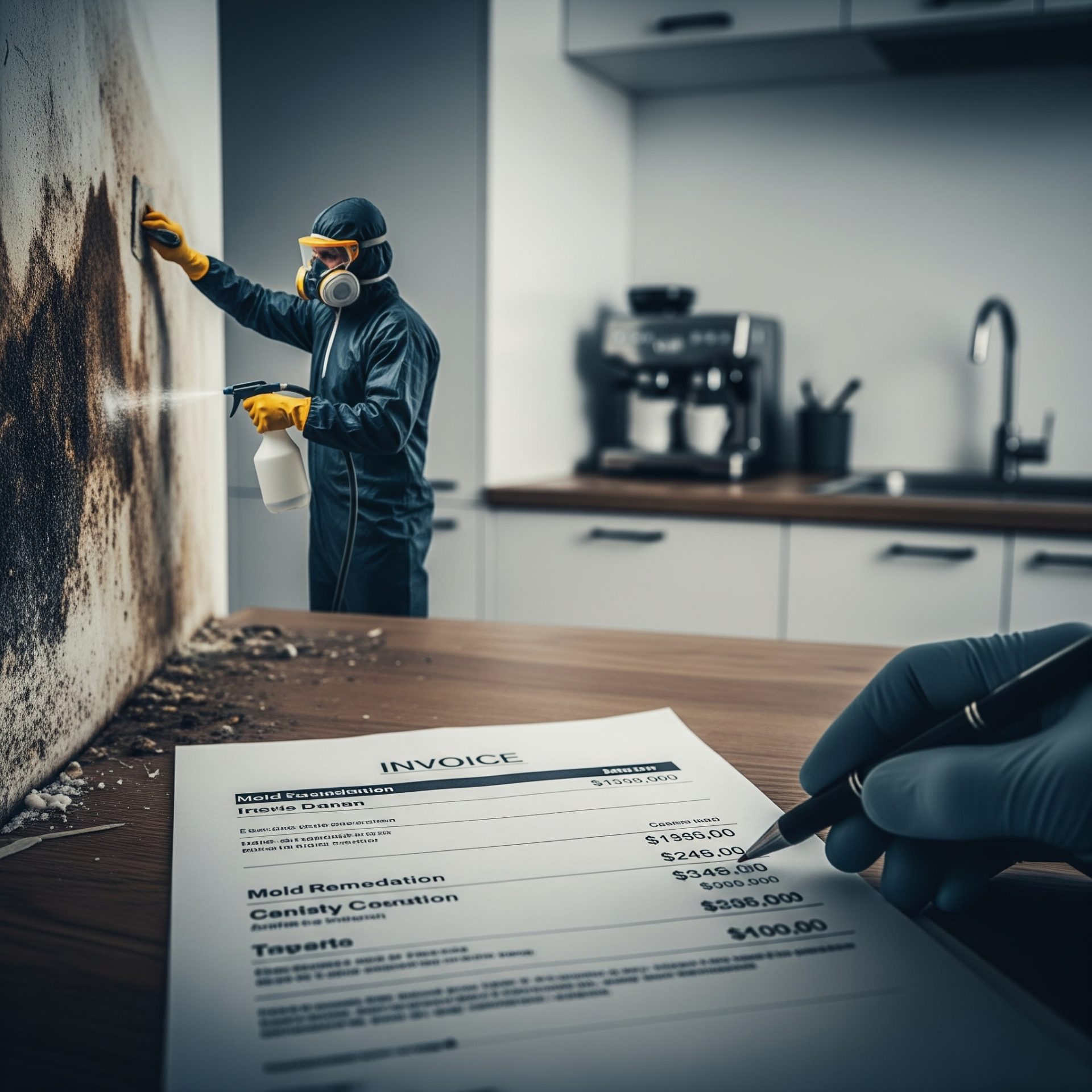
Why Mold Remediation in Berkeley, CA Costs So Much
The high cost of mold remediation in Berkeley, CA, is driven by a combination of high Bay Area labor rates, stringent California environmental regulations, and the technical complexity of treating Berkeley’s aging housing stock. In 202...
The high cost of mold remediation in Berkeley, CA, is driven by a combination of high Bay Area labor rates, stringent California environmental regulations, and the technical complexity of treating Berkeley’s aging housing stock. In 2026, homeowners can expect to pay between $3,500 and $15,000 for standard professional remediation due to specialized equipment needs and mandatory hazardous waste disposal protocols.
Contents
Mold is more than a cosmetic issue; it is a structural and health concern that requires a scientific approach to resolve. In Berkeley, the proximity to the bay and the prevalence of older, historic homes create a "perfect storm" for fungal growth. When property owners receive a quote for remediation, the "sticker shock" is often significant. Understanding the underlying factors—from the cost of living to the physics of spore containment—is essential for any property owner navigating the local restoration market.
The Bay Area Labor Market and Operational Overhead
One of the primary reasons for the elevated cost of mold remediation in Berkeley is the local economy. As of 2026, the cost of living in the East Bay remains among the highest in the nation. This economic reality forces remediation companies to pay competitive wages to attract and retain certified technicians.
Specialized Certification and Training
Unlike general handymen, professional mold remediators must be trained in specific protocols, such as those established by the IICRC (Institute of Inspection Cleaning and Restoration Certification). The S520 Standard for Professional Mold Remediation is the industry benchmark. Training technicians to meet these standards involves significant investment in both time and money. Companies must also maintain certifications in lead-based paint and asbestos handling, as many Berkeley homes built before 1978 contain these hazardous materials, which are often disturbed during mold removal.
Insurance Premiums for High-Risk Work
General liability insurance does not typically cover mold or "pollution" events. Remediation firms in California must carry specialized Pollution Legal Liability (PLL) insurance. Because California is a highly litigious environment regarding habitability and toxic torts, these insurance premiums are exceptionally high. A portion of every dollar a homeowner pays for remediation goes directly toward maintaining these essential coverages, which protect both the contractor and the property owner from future liability.
Berkeley’s Unique Climate and Architectural Challenges
Berkeley’s geography and architectural history contribute directly to the frequency and severity of mold issues, which in turn increases the complexity and cost of repairs.
The Marine Layer and Humidity
Berkeley’s climate is characterized by the "marine layer"—thick coastal fog that rolls in from the San Francisco Bay. This consistent high humidity prevents building materials from drying out quickly after minor leaks or seasonal rains. In the Berkeley Hills, temperature fluctuations between the foggy exterior and heated interiors often lead to condensation inside wall cavities, fueling "hidden" mold growth that is more expensive to detect and access.
Aging Housing Stock and Historic Preservation
Berkeley is home to a high density of Victorian, Craftsman, and mid-century modern homes. These structures often lack modern vapor barriers, have outdated plumbing, and utilize "lath and plaster" walls rather than modern drywall. Removing mold from plaster is significantly more labor-intensive than cutting out a piece of sheetrock. Furthermore, if a home is designated as a historical resource, remediation must be done with extreme care to preserve original materials, requiring surgical precision and specialized tools.
The Technical Rigor of the Remediation Process
Homeowners often mistake mold remediation for a simple cleaning job. In reality, it is a controlled demolition and decontamination process designed to prevent the cross-contamination of the entire house.
Containment and Negative Air Pressure
When mold is disturbed, it releases millions of microscopic spores into the air. To prevent these spores from spreading to unaffected rooms, contractors must build airtight containment chambers using 6-mil fire-retardant polyethylene sheeting. They then use High-Efficiency Particulate Air (HEPA) air scrubbers to create negative air pressure. This ensures that air only flows into the work zone and is filtered before being exhausted outside. The setup, maintenance, and teardown of these engineered environments account for a large percentage of the labor costs.
HEPA Vacuuming and Antimicrobial Treatment
Surface cleaning is insufficient for porous materials. Professionals use HEPA vacuums that capture particles as small as 0.3 microns. Following physical removal, technicians apply EPA-registered antimicrobial solutions to "seal" the remaining wood framing and prevent future growth. These chemicals are expensive and must be applied by workers wearing full-body Personal Protective Equipment (PPE), including N95 or P100 respirators, which adds to the consumable material costs of the project.
Regulatory Compliance and Waste Disposal in Alameda County
The regulatory environment in Berkeley and the broader Alameda County area adds layers of cost that are often absent in other regions.
Hazardous Waste Disposal Protocols
Moldy debris cannot simply be thrown in a standard dumpster in many California jurisdictions. Materials that are heavily contaminated or co-mingled with lead or asbestos must be bagged in double 6-mil bags, labeled, and transported to specific waste facilities authorized to handle bio-contaminants. The "tipping fees" at these specialized facilities in the Bay Area are significantly higher than standard landfill rates.
Post-Remediation Verification (PRV)
To ensure the job was done correctly, a third-party Industrial Hygienist (IH) or an independent mold inspector should perform "clearance testing." This involves taking air samples inside the containment zone and comparing them to outdoor "baseline" samples. In 2026, professional ethics and most insurance carriers require that the remediation company and the testing company be two separate entities to avoid a conflict of interest. Paying for this independent verification adds roughly $500 to $1,500 to the total project cost but is the only way to prove the home is safe for re-occupancy.
2026 Estimated Cost Breakdown for Berkeley Remediation
The following table provides a generalized estimate of costs based on the scale of the infestation and the complexity of the Berkeley property.
| Service Type | Estimated Cost Range (2026) | Key Drivers of Price |
|---|---|---|
| Localized Remediation (e.g., small bathroom corner) | $2,500 – $4,500 | Setup of containment, HEPA air scrubbing, minor drywall replacement. |
| Standard Room Remediation (e.g., bedroom or kitchen) | $5,000 – $9,500 | Extensive furniture protection, appliance removal, deeper structural cleaning. |
| Crawlspace / Attic Remediation | $6,000 – $12,000 | Limited access (low clearance), specialized dry-ice blasting or soda blasting. |
| Whole-House / Structural | $15,000 – $40,000+ | HVAC duct cleaning, multi-zone containment, extensive demolition of finishes. |
Note: These figures do not include the cost of "build-back" (replacing the drywall, paint, and flooring removed during remediation).
Common Pitfalls and How to Save Safely
While the costs are high, there are ways to manage the expense without compromising safety or the health of the occupants.
- Avoid the "Bleach Myth": Many homeowners try to save money by using bleach. However, the EPA (Environmental Protection Agency) notes that bleach does not kill mold on porous surfaces like wood or drywall; it merely removes the color while the roots remain active. This leads to recurring growth and higher costs down the line.
- Fix the Source First: No amount of remediation will work if the water intrusion (leak, high humidity, or seepage) isn't stopped. In Berkeley, this often means checking the "French drains" or gutter systems which are common failure points in older homes.
- Review Insurance Coverage: Standard homeowners' policies in California often have a "mold limit" (e.g., $5,000 or $10,000). Check your policy to see if the "hidden seepage" or "sudden pipe burst" clauses apply, as this can offset the remediation costs.
- Vet Your Contractor: Ensure the company is licensed by the California Contractors State License Board (CSLB) and carries specific environmental insurance. A "cheap" quote from an uninsured contractor can lead to thousands of dollars in property damage or health liabilities if spores are spread throughout the HVAC system.
Frequently Asked Questions
Can I do mold remediation myself in Berkeley?
While California law does not technically forbid a homeowner from performing work on their own primary residence, it is highly discouraged for areas larger than 10 square feet. Without professional containment and negative air pressure, DIY efforts often aerosolize spores, leading to "cross-contamination" where mold begins growing in previously unaffected areas of the house.
Does my Berkeley landlord have to pay for mold remediation?
Under California Civil Code Section 1941.1, landlords are required to maintain "habitable" premises. The presence of significant mold that affects the health and safety of occupants is generally considered a breach of the implied warranty of habitability. If the mold was not caused by the tenant’s negligence (e.g., failing to use bathroom fans), the landlord is typically responsible for the cost of professional remediation.
How long does the remediation process usually take?
A standard remediation project in a Berkeley home usually takes 3 to 5 days. This includes the initial setup of containment (Day 1), the actual removal and cleaning (Days 2-3), and the drying period and clearance testing (Days 4-5). If structural drying of heavy timbers is required, the process can take longer.
Why is an Industrial Hygienist (IH) necessary?
An Industrial Hygienist provides an unbiased, scientific assessment of the air quality. They identify the specific species of mold and the concentration of spores. Having an IH involved ensures that the remediation company is held to a high standard and provides the homeowner with documentation that is often required for the future sale of the property.
Are there specific mold laws in Berkeley?
Berkeley follows the California Toxic Mold Protection Act, which allows local health officers to issue citations for visible mold growth in rental properties. Additionally, the California Department of Public Health (CDPH) provides guidelines that local building inspectors use to determine if a building is fit for occupancy.
Moving Forward: Next Steps for Property Owners
If you suspect a mold issue in your Berkeley property, the first step is to identify and stop the moisture source. Once the leak is contained, hire a certified, independent inspector to provide a "Scope of Work." Taking this document to multiple remediation companies will allow you to compare "apples to apples" bids, ensuring you aren't paying for unnecessary services while still addressing the full extent of the contamination. Remember that in the high-value Berkeley real estate market, professional documentation of proper mold removal is an investment in the property’s long-term resale value.
Image Gallery