The Link Between Energy Drinks and Leukemia Risk: Evaluating the Scientific Evidence
As of 2026, there is no definitive clinical evidence establishing a direct causal link between moderate energy drink consumption and the development of leukemia. However, researchers continue to investigate indirect risks associated wi...
As of 2026, there is no definitive clinical evidence establishing a direct causal link between moderate energy drink consumption and the development of leukemia. However, researchers continue to investigate indirect risks associated with high sugar intake, artificial sweeteners like aspartame, and potential chemical reactions between preservatives that may contribute to a pro-carcinogenic environment in the body.
Contents
Understanding the Landscape of Leukemia and Lifestyle Factors
Leukemia is a broad term for cancers of the blood-forming tissues, including the bone marrow and the lymphatic system. It characterized by the overproduction of abnormal white blood cells, which eventually crowd out healthy blood cells. The etiology of leukemia is complex, involving a combination of genetic predispositions and environmental exposures. While known risk factors include ionizing radiation, benzene exposure, and certain genetic syndromes, the role of modern dietary habits—specifically the consumption of highly processed energy drinks—has become a focal point of nutritional oncology.
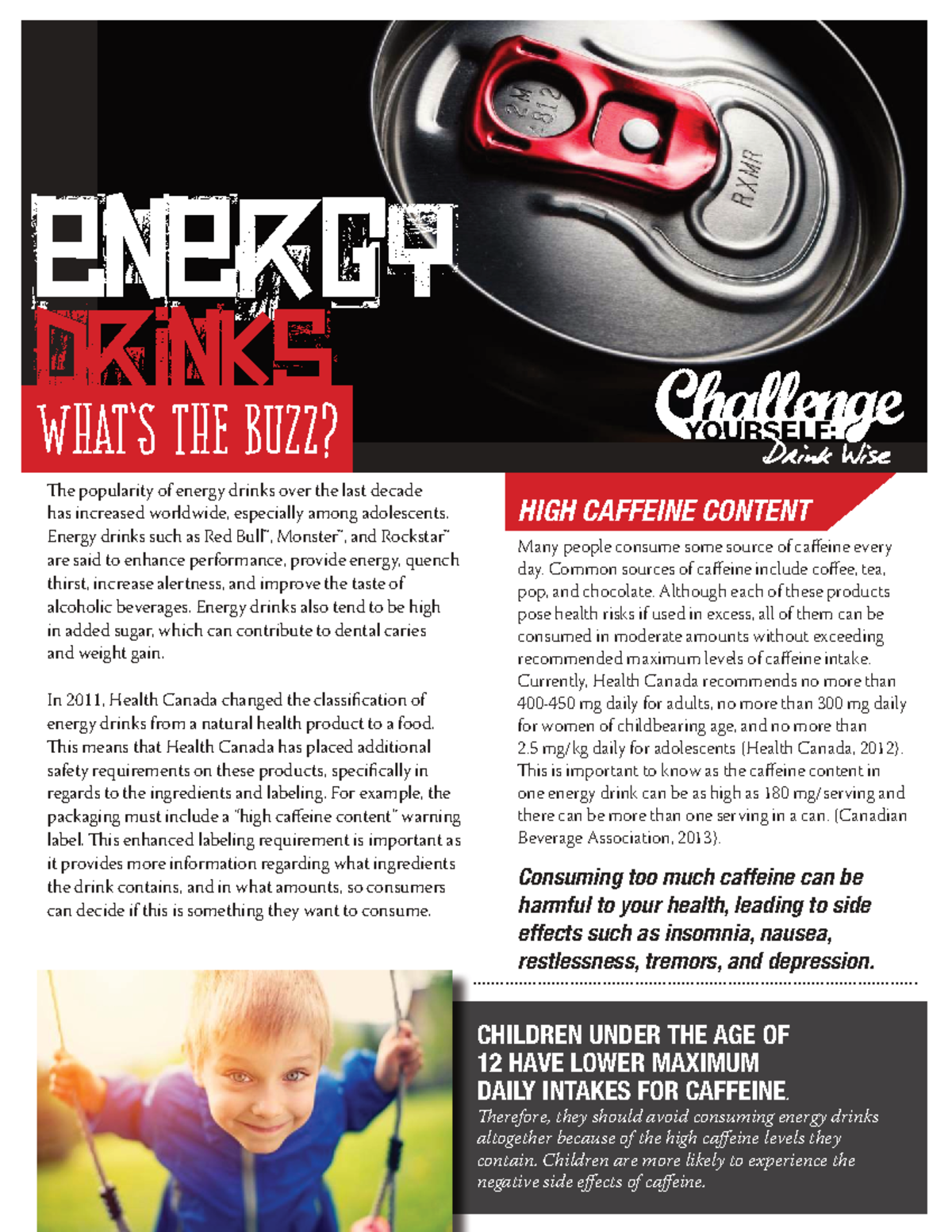
The concern regarding energy drinks stems from their complex chemical profiles. These beverages are not merely "caffeine water"; they are cocktails of stimulants, amino acids, herbal extracts, and often high concentrations of synthetic sweeteners or sugars. To understand the potential link to leukemia, one must look past the caffeine and examine the specific additives and the metabolic impact of chronic consumption.
The Role of Artificial Sweeteners: The Aspartame Debate
One of the most scrutinized components in "sugar-free" energy drinks is aspartame. In 2023, the International Agency for Research on Cancer (IARC), a branch of the World Health Organization (WHO), classified aspartame as "possibly carcinogenic to humans" (Group 2B). This classification was based on limited evidence suggesting a link to hepatocellular carcinoma (a type of liver cancer), but it also reignited interest in its relationship with hematologic malignancies like leukemia.
Some longitudinal studies, such as the NutriNet-Santé cohort, have observed a slight statistical correlation between high consumption of artificial sweeteners and increased cancer risk. The biological hypothesis suggests that metabolites of aspartame, such as formaldehyde, could potentially induce DNA damage. However, the European Food Safety Authority (EFSA) and the U.S. Food and Drug Administration (FDA) have maintained that aspartame is safe within the established acceptable daily intake (ADI) levels. For the average consumer, reaching a dose that would trigger leukemogenesis remains a subject of intense debate and currently lacks robust clinical confirmation.
Sugar Content, Insulin Resistance, and Cancer Proliferation
For non-diet energy drinks, the primary concern is the massive sugar load. A single can can contain upwards of 50 to 60 grams of high-fructose corn syrup or sucrose. Rapid consumption leads to chronic hyperinsulinemia and an increase in Insulin-like Growth Factor 1 (IGF-1).
IGF-1 is a potent stimulator of cell growth and an inhibitor of apoptosis (programmed cell death). In the context of leukemia, where the primary issue is the uncontrolled proliferation of immature white blood cells, elevated IGF-1 levels may provide a "fueling" environment for malignant cells. Furthermore, high sugar intake is a primary driver of systemic inflammation and obesity. Adipose tissue is metabolically active and produces pro-inflammatory cytokines, which have been linked to an increased risk of several cancers, including certain subtypes of leukemia like Acute Myeloid Leukemia (AML).
The Chemical Synergy: Benzoate Salts and Vitamin C
A specific technical concern in food chemistry involves the presence of sodium benzoate (a preservative) and ascorbic acid (Vitamin C) within the same beverage. Under certain conditions—such as exposure to heat or UV light—these two ingredients can react to form benzene.
Benzene is a well-documented human carcinogen with a clear, proven link to leukemia, particularly AML. Regulatory bodies have implemented strict guidelines to limit benzene formation in soft drinks, and most modern formulations of energy drinks use alternative preservatives or chelating agents to prevent this reaction. Nevertheless, the presence of these precursors in low-quality or improperly stored energy drinks remains a point of caution for long-term users.
Oxidative Stress and Stimulant Overload
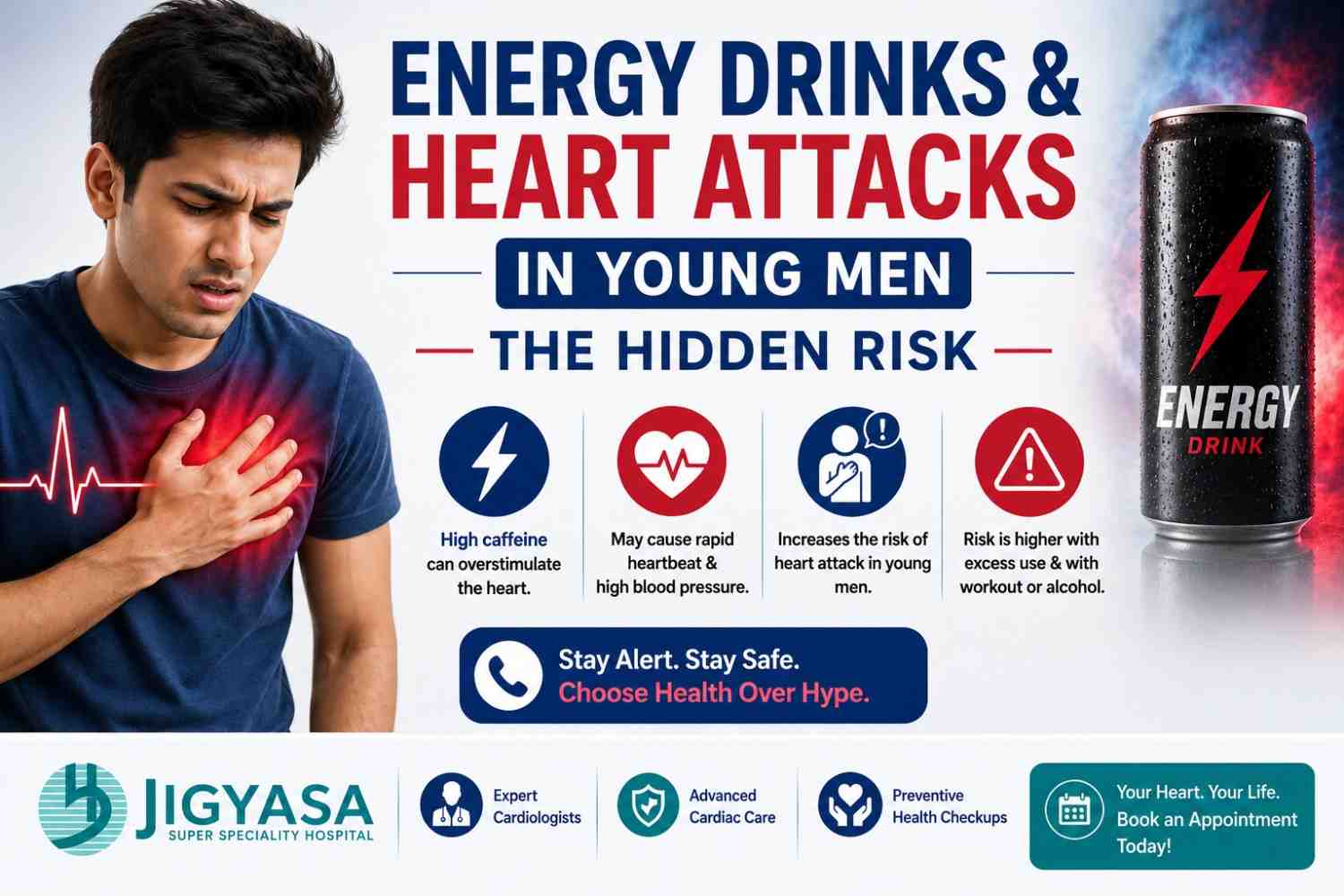
Energy drinks frequently contain high doses of caffeine, guarana, and taurine. While these are not carcinogens, the physiological stress they impose on the body through the "fight or flight" response can lead to increased production of reactive oxygen species (ROS).
Chronic oxidative stress can lead to DNA strand breaks and mutations. In the bone marrow, where blood cells are rapidly dividing, the integrity of DNA is paramount. While the body has robust repair mechanisms, the constant bombardment of stimulants and the resulting metabolic waste products could, theoretically, decrease the threshold for genetic errors that lead to the formation of leukemic clones.
Comparative Overview of Energy Drink Components
The following table summarizes common energy drink ingredients and their evaluated relationship with health risks associated with hematologic concerns.
| Ingredient | Primary Purpose | Potential Concern | Scientific Consensus (2026) |
|---|---|---|---|
| Caffeine | Stimulant | Oxidative stress at high doses | Generally safe; not a carcinogen. |
| Aspartame | Sweetener | DNA damage via formaldehyde | Classified as "possibly carcinogenic" (Group 2B). |
| Sodium Benzoate | Preservative | Benzene formation with Vitamin C | Regulated; risk is low in modern formulations. |
| High Fructose Corn Syrup | Sweetener | IGF-1 elevation and inflammation | Linked to obesity-related cancer risks. |
| Taurine | Amino Acid | Metabolic interference | Generally recognized as safe (GRAS). |
| B-Vitamins | Nutrient | Potential over-supplementation | No known link to leukemia at standard levels. |
Analyzing Epidemiological Limitations
One of the greatest challenges in establishing a link between energy drinks and leukemia is the "confounding variable" problem. Heavy consumers of energy drinks often engage in other lifestyle behaviors that are known cancer risks, such as:
- High rates of tobacco use or vaping.
- Poor sleep hygiene (which disrupts circadian rhythms and immune surveillance).
- High-stress environments.
- Poor overall nutrition.
Because leukemia is relatively rare compared to other cancers, large-scale epidemiological studies specifically targeting energy drink users require decades of data to reach statistical significance. As of 2026, most available data is retrospective, meaning it relies on participants' memories of their consumption habits, which can be unreliable.
Known Risks vs. Perceived Risks
To maintain perspective, it is essential to compare the theoretical risks of energy drinks with the proven risks of leukemia. Exposure to high doses of ionizing radiation (such as that used in certain medical treatments) and industrial exposure to benzene are significantly more potent risk factors than dietary choices.
However, for populations such as adolescents and young adults—who are the primary consumers of energy drinks—the cumulative effect of these beverages over several decades is still unknown. The hematopoietic system in developing bodies is highly sensitive, and the long-term impact of chronic chemical exposure is a valid area of pediatric and oncological concern.
Mitigation and Healthier Alternatives
Given the uncertainty and the indirect risks associated with inflammation and artificial additives, moderation is the most prudent path. Reducing the frequency of consumption can significantly lower the metabolic and chemical burden on the body.
- Switch to Natural Stimulants: Yerba mate or green tea provide caffeine alongside natural antioxidants that may help counteract oxidative stress.
- Prioritize Hydration: Many "energy" issues stem from dehydration. Increasing water intake can reduce the perceived need for stimulants.
- Check Labels for Preservatives: Avoid drinks that combine sodium benzoate with ascorbic acid if they have been stored in warm environments.
- Monitor Sugar Intake: Opt for beverages with low glycemic loads to avoid the insulin spikes that promote cell proliferation.
Frequently Asked Questions
Can drinking one energy drink a day cause leukemia?
There is no evidence that a single daily energy drink causes leukemia. Leukemia is typically the result of a multi-step process involving genetic mutations and long-term environmental factors. However, consistent daily use contributes to other health issues like hypertension and metabolic strain.
Does the IARC classification of aspartame mean I should stop drinking diet energy drinks?
The Group 2B "possibly carcinogenic" classification means there is limited evidence in humans and less than sufficient evidence in animals. While it suggests a need for more research, it does not mandate a total ban. For those concerned about cancer risk, reducing intake of all artificial sweeteners is a common recommendation from nutritionists.
Are children at higher risk for leukemia from energy drinks?
Children and adolescents are more sensitive to the stimulants and additives in energy drinks because their systems are still developing. While a direct link to leukemia is not proven, the American Academy of Pediatrics advises against energy drink consumption for children due to a variety of other health risks, including cardiovascular and neurological impacts.
Is there a specific brand of energy drink linked to cancer?
No specific brand has been singled out as a cause of leukemia. The concerns are generalized across the category due to shared ingredients like high sugar, caffeine, and specific preservatives or sweeteners.
How does benzene get into energy drinks?
Benzene is rarely an intentional ingredient. It can form as a byproduct when benzoate salts (preservatives) react with Vitamin C (ascorbic acid) under heat or light. Most major manufacturers have reformulated their products to minimize this risk, but it remains a technical possibility in some formulations.
Practical Recommendations
If you are concerned about the link between energy drinks and leukemia, the most effective action is to perform a lifestyle audit. Prioritize a diet rich in whole foods and antioxidants, which support the body’s natural DNA repair mechanisms. If you rely on energy drinks for alertness, consider consulting a healthcare professional to rule out underlying issues like anemia or sleep apnea. While the direct link to leukemia remains unproven in 2026, the indirect health benefits of reducing energy drink consumption—such as improved metabolic health and reduced inflammation—are well-documented and provide a strong foundation for long-term cancer prevention.
For more information on carcinogen classifications, you can visit the International Agency for Research on Cancer (IARC) or the National Cancer Institute (NCI).
Image Gallery