One Vehicle Auto Insurance Explained
One vehicle auto insurance is a standard insurance policy designed to provide financial protection for a single car and its owner. This policy typically includes state-mandated liability coverage and optional physical damage protection...
One vehicle auto insurance is a standard insurance policy designed to provide financial protection for a single car and its owner. This policy typically includes state-mandated liability coverage and optional physical damage protections. It ensures that the policyholder meets legal requirements while safeguarding their personal assets against the financial impact of accidents, theft, or natural disasters.
Contents
Auto insurance for a single vehicle remains the most common form of personal insurance in 2026. While the core principles of risk and indemnity have remained stable, the methods for calculating premiums and managing claims have evolved significantly with the integration of vehicle-to-everything (V2X) technology and real-time data analytics. Whether you are a first-time car owner or a seasoned driver looking to optimize your coverage, understanding the nuances of a single-vehicle policy is essential for balancing cost and protection.
The Core Framework of a Single Vehicle Policy
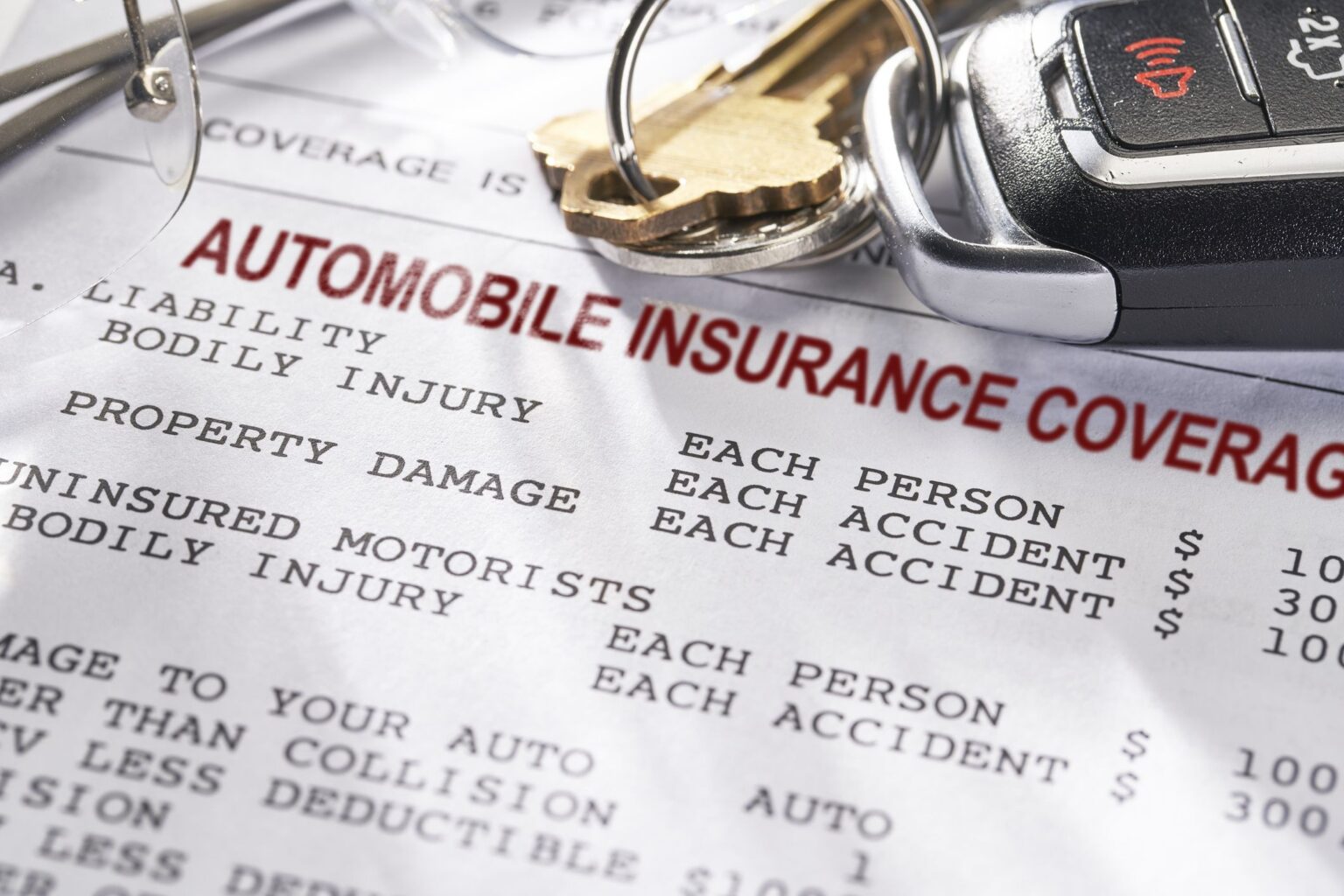
A one-vehicle auto insurance policy is built upon several distinct types of coverage, each serving a specific financial purpose. In the United States and most other jurisdictions, these coverages are divided into those that are legally required and those that are optional but recommended based on the vehicle's value.
Bodily Injury and Property Damage Liability
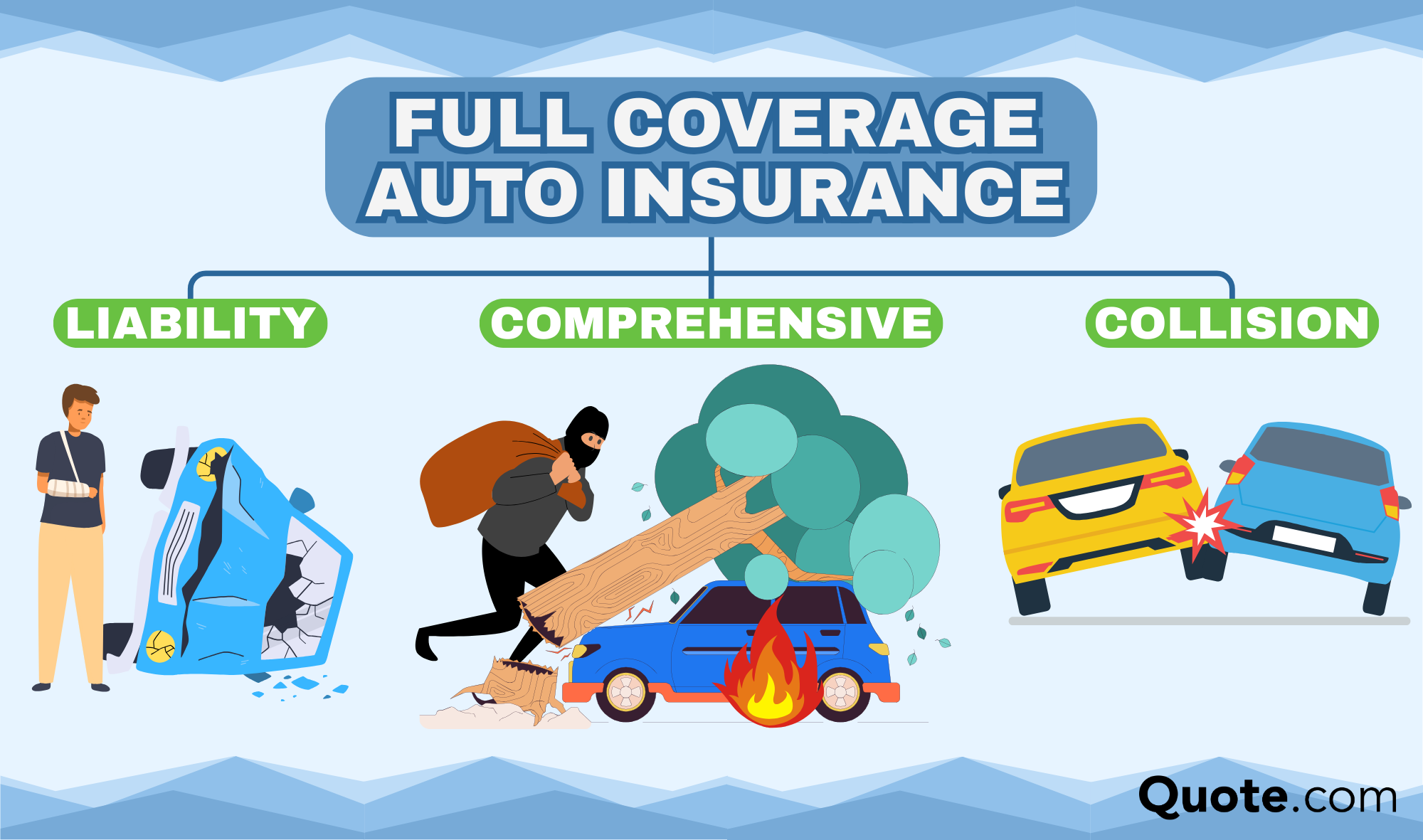
Liability insurance is the foundation of any auto policy. If you are found at fault in an accident, Bodily Injury Liability covers the medical expenses, lost wages, and legal fees of the other parties involved. Property Damage Liability covers the repair or replacement of the other party’s vehicle or property, such as fences or buildings. In 2026, many states have increased their minimum liability limits to reflect the rising costs of medical care and vehicle repairs, making it risky to carry only the bare minimum coverage.
Collision and Comprehensive Coverage
Unlike liability, which protects others, collision and comprehensive coverages protect your own asset. Collision coverage pays for damages to your vehicle resulting from an impact with another car or a stationary object, regardless of who is at fault. Comprehensive coverage protects against "acts of God" and non-collision events, including theft, vandalism, fire, and weather-related damage such as hail or flooding. If you are financing or leasing your vehicle, your lender will almost certainly require both of these coverages to protect their financial interest in the car.
Uninsured and Underinsured Motorist Protection
Despite legal requirements, a significant percentage of drivers remain uninsured or carry insufficient limits. Uninsured Motorist (UM) coverage steps in if you are hit by a driver who has no insurance or a hit-and-run driver. Underinsured Motorist (UIM) coverage applies when the at-fault driver’s limits are exhausted before your medical or repair bills are fully paid. This is a critical safety net in a single-vehicle policy, as it ensures you are not left with a total loss due to another person's negligence.
Factors Influencing Costs in 2026
The pricing for a one-vehicle insurance policy is no longer based solely on static demographics like age and zip code. By 2026, the industry has shifted toward a more granular "Usage-Based Insurance" (UBI) model, though traditional factors still play a significant role.
The Driver's Risk Profile
Actuarial data continues to show that experience and history are the strongest predictors of future claims. Insurance carriers analyze your motor vehicle record (MVR) for accidents, speeding tickets, and other infractions. A clean record over the past three to five years is the most effective way to secure lower rates. Additionally, credit-based insurance scores remain a factor in many states, as statistics suggest a correlation between financial responsibility and driving habits.
Vehicle Specifications and Safety Technology
The specific make and model of the vehicle significantly impact the premium. High-performance vehicles are more expensive to insure due to higher repair costs and the statistical likelihood of high-speed accidents. Conversely, vehicles equipped with advanced driver assistance systems (ADAS)—such as autonomous emergency braking, lane-keeping assistance, and 360-degree cameras—often qualify for safety discounts. In 2026, insurers also look at the "repairability index" of a vehicle, considering how expensive it is to calibrate the sensors and software following a minor collision.
Telematics and Real-Time Monitoring
Most major carriers now offer telematics programs where a device or a smartphone app monitors driving behavior. Factors such as hard braking, rapid acceleration, late-night driving, and total mileage are tracked. For a single-vehicle owner, this can be highly beneficial. If you drive infrequently or very safely, you can receive significant discounts that are not available through traditional policy structures. This is particularly relevant for urban dwellers who may only use their vehicle for weekend trips.
Choosing Your Deductibles and Limits
Selecting the right limits and deductibles is a balancing act between monthly premium costs and out-of-pocket exposure during a claim.
Understanding the Deductible
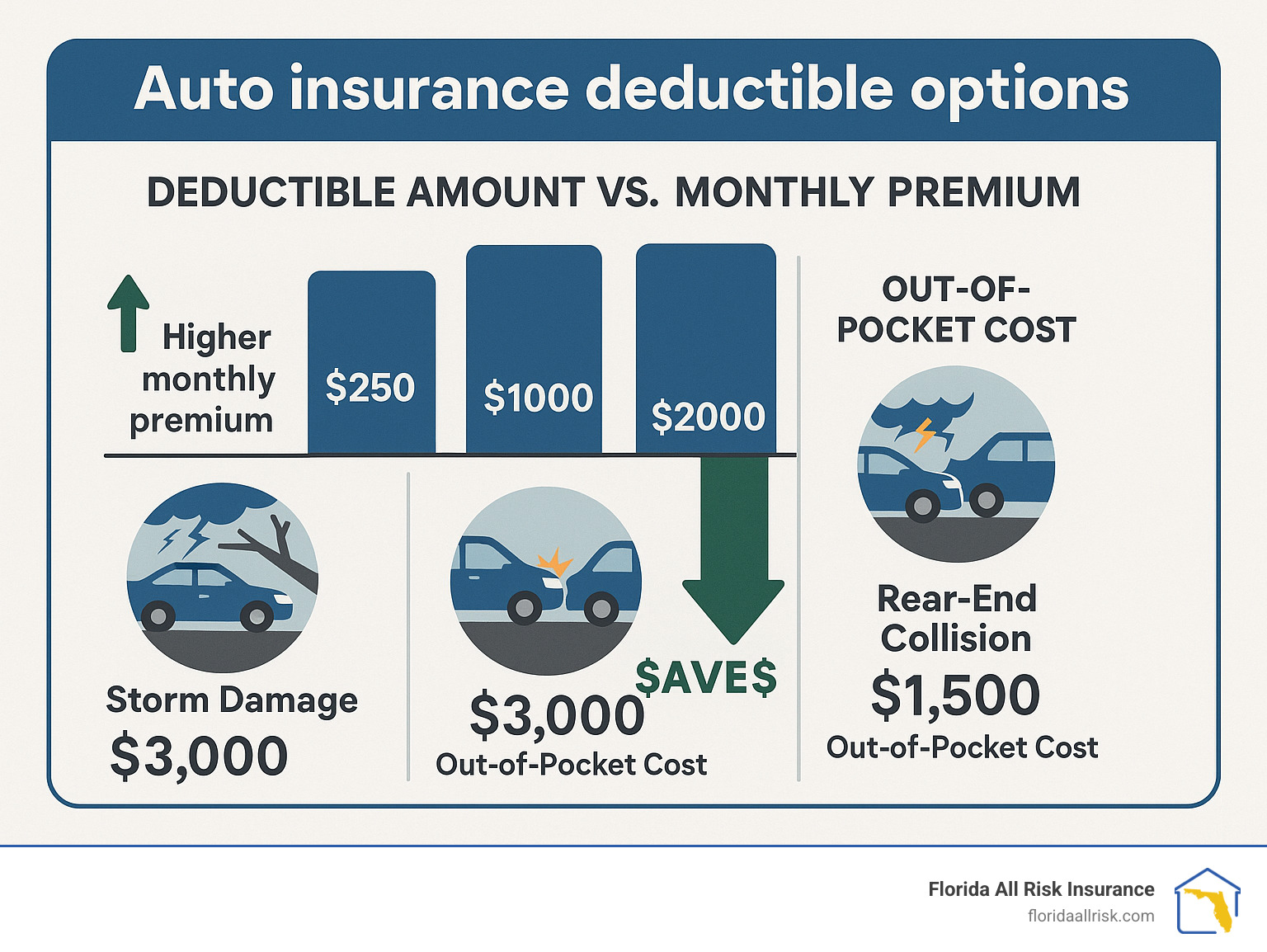
The deductible is the amount you agree to pay out of pocket before the insurance company covers the remainder of a claim for collision or comprehensive damage. Common deductibles range from $250 to $1,000. Choosing a higher deductible will lower your monthly premium because you are assuming more of the initial risk. However, it is vital to ensure you have that amount readily available in an emergency fund.
Setting Liability Limits
Liability limits are typically expressed as three numbers (e.g., 100/300/50). These represent the maximum amount the insurer will pay for:
- Bodily injury per person ($100,000)
- Total bodily injury per accident ($300,000)
- Property damage per accident ($50,000)
Financial experts often recommend "100/300/100" limits as a minimum for most drivers to protect personal assets like savings and home equity from being seized in a lawsuit.
| Coverage Type | Purpose | Requirement | 2026 Context |
|---|---|---|---|
| Liability | Protects others' health/property | Mandatory in most states | Limits rising due to inflation |
| Collision | Repairs your car after an accident | Optional (Required by lenders) | Higher costs for ADAS-heavy cars |
| Comprehensive | Repairs your car after non-accidents | Optional (Required by lenders) | Increased focus on climate-related risks |
| PIP/MedPay | Covers your medical expenses | Varies by state | Essential in "no-fault" jurisdictions |
| UM/UIM | Protects against uninsured drivers | Recommended/Mandatory | Critical due to rising "hit-and-run" stats |
Common Exclusions in Single Vehicle Policies
It is equally important to understand what a one-vehicle auto insurance policy does not cover. Standard personal policies are designed for private use and have specific boundaries.
- Commercial and Delivery Use: If you use your vehicle for ride-sharing (like Uber or Lyft) or delivery services (like Amazon Flex), your standard policy may not cover you while you are logged into the app. You often need a specific "rideshare endorsement" or a commercial policy.
- Intentional Acts: If you intentionally cause damage to your vehicle or another person's property, the claim will be denied, and your policy will likely be canceled.
- Wear and Tear: Insurance is for sudden and accidental losses. It does not cover mechanical breakdowns, engine failure due to poor maintenance, or the replacement of tires and batteries.
- Non-Listed Drivers: While most policies allow for "permissive use" (letting a friend borrow the car once), if someone lives in your household and regularly drives the vehicle but is not listed on the policy, a claim involving them could be denied for "material misrepresentation."
Navigating the Claims Process
When an incident occurs, the effectiveness of your insurance depends on how you handle the claims process. In 2026, most carriers utilize AI-driven photo appraisal tools. After an accident, you can often upload photos of the damage via a mobile app, and an algorithm provides an initial repair estimate within minutes.
However, for complex accidents involving multiple parties or significant injuries, human adjusters remain essential. You should always file a police report for any accident involving another party, as this provides an official record of the event. Ensure you collect the contact and insurance information of all parties involved and take your own photos of the scene, including street signs and traffic signals, to assist the insurer in determining fault.
Expert Guidance for One Vehicle Owners
To maximize the value of your one-vehicle policy, you should review your coverage annually. Life changes, such as moving to a new zip code, getting married, or a change in your daily commute, can all trigger significant changes in your premium.
- Bundle for Savings: Even if you only have one vehicle, you can often bundle your auto insurance with renters or homeowners insurance to receive a significant discount across both policies.
- Ask for Discounts: Many drivers miss out on "low mileage" discounts or "affinity group" discounts (for alumni, military, or specific professional organizations) simply because they don't ask.
- Evaluate Gap Insurance: If your vehicle is new and you have a loan, consider "Gap Insurance." If your car is totaled, standard insurance only pays the "Actual Cash Value." If you owe more than the car is worth, Gap Insurance covers the difference.
Frequently Asked Questions
Is it cheaper to insure only one vehicle?
Generally, insuring one vehicle is the baseline for insurance costs. While you do not get the "multi-car discount" offered to households with two or more vehicles, your total out-of-pocket cost is lower because you are only paying for one asset's risk. To lower costs further, consider telematics or increasing your deductible if your car is older.
Can I have two different insurance policies for the same vehicle?
No, this is generally not allowed and can lead to issues with "duplicate coverage." If you have two policies, the companies will coordinate benefits, meaning neither will pay the full amount of a claim, and it can be flagged as insurance fraud if you attempt to collect from both.
Does one-vehicle insurance cover me if I drive someone else's car?
Most standard auto policies provide "secondary" coverage when you drive a borrowed vehicle. The owner’s insurance is usually the "primary" payer, but if their limits are exceeded, your own policy may act as a backup. However, this depends on the specific language of your policy regarding "non-owned vehicles."
What happens if I let someone else drive my insured vehicle?
Most policies include a "permissive use" clause, which covers occasional drivers who do not live in your household. However, if the person drives the car regularly or lives with you, they must be officially added to your policy as a listed driver to ensure coverage is valid.
Do I need insurance if my vehicle is in storage?
Even if a vehicle is not being driven, it is susceptible to theft, fire, or weather damage. Many insurers offer "comprehensive-only" or "storage" coverage for these situations. This allows you to drop the expensive liability and collision coverages while maintaining protection against non-driving risks.
Final Recommendation
For owners of a single vehicle in 2026, the best approach is to embrace usage-based technology to prove you are a low-risk driver while maintaining liability limits of at least 100/300/100. This strategy minimizes your monthly expenses without leaving your personal assets vulnerable to legal action. Always verify your policy's definitions regarding "permissive use" and "commercial activity" to ensure your daily activities are fully protected.
Image Gallery