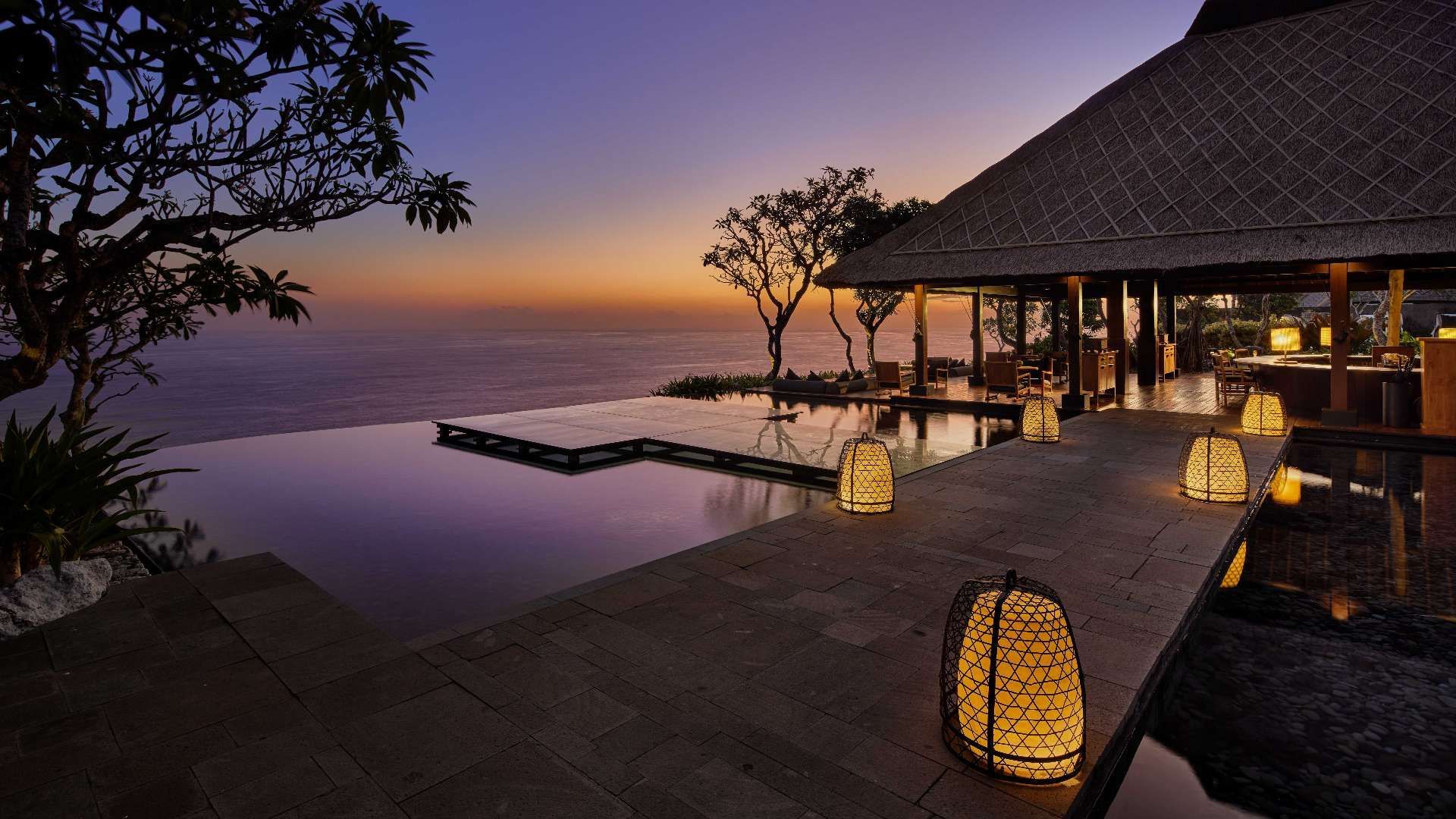
Why the Bali Playa del Carmen Project Stands Out in the Riviera Maya Market
The Bali project in Playa del Carmen distinguishes itself through a strategic combination of resort-style amenities, high-density residential planning, and a focus on community-centric architecture within one of Mexico’s most competiti...
The Bali project in Playa del Carmen distinguishes itself through a strategic combination of resort-style amenities, high-density residential planning, and a focus on community-centric architecture within one of Mexico’s most competitive real estate corridors. By integrating expansive recreational spaces with accessible price points, the development serves as a benchmark for mid-range investment properties in the Quintana Roo region.
Contents
The Strategic Positioning of the Bali Development
The Bali project, located in the rapidly expanding area of Playa del Carmen, represents a deliberate shift in how residential developers approach the Caribbean market. Unlike high-end beachfront luxury condos that cater strictly to short-term vacation rentals, Bali was designed to bridge the gap between permanent residency and high-yield investment potential. Its location—situated away from the immediate coastal strip—allows for larger land utilization, enabling a low-rise, sprawling architectural footprint that is increasingly rare in the urbanizing center of Playa del Carmen.
This design philosophy prioritizes communal infrastructure. In a market often fragmented by isolated, single-building projects, Bali functions as a self-contained "residencial" (gated community). This classification is significant; it implies a master-planned approach that includes security infrastructure, clubhouses, and integrated green spaces. For investors, this translates to predictable maintenance standards and a cohesive aesthetic that protects property value over the long term.
Architectural Integration and Amenity-Driven Design
What allows Bali to stand out in a saturated market is its emphasis on the "lifestyle package" rather than just the square footage of the units. The project is characterized by:
- Resort-Style Amenities: The inclusion of multiple pools, specialized children’s play areas, and professional-grade fitness facilities creates a competitive advantage for long-term rental attractiveness.
- Controlled Density: By utilizing a wider land area, the project avoids the "canyon effect" of high-rise developments, maintaining a sense of openness and air circulation essential in the tropical climate of the Riviera Maya.
- Security Infrastructure: As safety remains a top concern for both international investors and domestic renters, the project’s gated perimeter and 24/7 security protocols are foundational features, not optional add-ons.
Comparative Market Standing: Bali vs. Standard Condo Offerings
When evaluating the project against standard developments in the region, several key performance indicators emerge. Standard offerings in Playa del Carmen often emphasize proximity to Fifth Avenue (Quinta Avenida), which offers high short-term occupancy but carries risks related to noise, construction congestion, and lack of parking. Bali counters this with a "value-per-square-meter" proposition.
| Feature | Typical Downtown Condo | Bali Residential Project |
|---|---|---|
| Primary Demographic | Short-term tourists | Long-term residents/digital nomads |
| Typical Amenities | Rooftop pool, small lobby | Multi-sport courts, clubhouse, park |
| Noise Profile | High (urban/nightlife) | Low (residential enclave) |
| Value Driver | Proximity to beach | Community infrastructure |
| Parking | Often limited/on-street | Dedicated private parking |
Investment Logic and Rental Stability
In the 2026 economic environment, the rental market in Playa del Carmen has undergone a maturation phase. While speculative "pre-construction" flipping remains common, the shift toward remote work and the relocation of digital nomads have increased demand for properties that facilitate daily living. Bali stands out because it addresses the "livability" metric.
For an investor, this means a wider net of potential tenants. While a small studio in the city center attracts a weekend visitor, a two- or three-bedroom unit in a facility like Bali appeals to small families and professionals seeking a more stable environment. This diversification of the tenant base acts as a hedge against the seasonality of the Caribbean tourism market.
Operational Challenges and Considerations
No development is without its operational nuances. Prospective owners should be aware of the following factors that define the project’s daily reality:
- Maintenance Fees (Cuotas de Mantenimiento): As with any managed residential community, the monthly fees covering the upkeep of pools, security, and common areas are substantial. Owners must factor these into their ROI calculations, as they are non-negotiable costs that rise with inflation and service labor costs.
- Distance to Coastline: The project is not "beachfront." The competitive advantage lies in the residential feel, but those seeking the convenience of walking to the sand in five minutes will find the Bali location requires a short drive or bike ride.
- Property Management Reliance: Because the complex is large and gated, owners often rely on centralized management services. Establishing a direct relationship with a reliable local property manager is essential if the owner does not reside on-site, as the internal rules of the community are strictly enforced by the Homeowners Association (HOA).
Legal and Regulatory Compliance
Operating in the "Restricted Zone" (within 50km of the coast) requires adherence to specific Mexican laws regarding foreign ownership. Bali typically utilizes the Fideicomiso (bank trust) structure for international buyers. This is a standard, government-regulated vehicle that grants foreigners all rights of ownership, including the ability to lease, sell, or pass the property to heirs. Potential buyers should ensure that all legal documentation is reviewed by a local Notario Público, who serves as the essential authority in verifying clear titles and the absence of liens or encumbrances on the property.
How to Evaluate Your Interest in the Project
If you are considering the Bali project as an investment or a secondary home in 2026, take these steps to ensure the unit aligns with your goals:
- Verify the HOA Bylaws: Obtain a copy of the Reglamento Interno. This document outlines noise policies, guest access, and pet regulations, all of which heavily impact the rental marketability of the unit.
- Audit the Amenities: Inspect the condition of common areas personally. The value of a master-planned community is only as strong as its current maintenance budget.
- Calculate the Net Yield: Subtract the high maintenance costs and municipal property taxes (predial) from your projected rental income before committing. Ensure the math holds up against the high-density inventory currently flooding the Playa del Carmen market.
Frequently Asked Questions
Is the Bali project suitable for short-term vacation rentals? Yes, but with caveats. While the amenities are excellent for vacationers, the location requires guests to have transportation to reach the beach. It performs best as a mid-to-long-term rental for those visiting for more than a week.
What is the status of title security for foreign buyers? Under Mexican law, foreign nationals can own property in the restricted zone via a Fideicomiso. This is a secure, bank-held trust that is standard practice in the Riviera Maya. Always work with an independent Notario to verify the specific title.
How does the project compare to new developments in Tulum? Bali focuses on an established, suburban-style residential environment in Playa del Carmen, whereas Tulum developments often prioritize boutique, eco-luxury branding. Bali generally offers a more predictable, functional living experience.
What are the primary hidden costs of owning in a complex like Bali? Beyond the initial purchase, be prepared for monthly maintenance dues, annual property taxes (predial), trust bank fees (for foreigners), and potential special assessments if the HOA authorizes major capital improvements.
Is the location prone to flooding or tropical storm damage? Like all of Quintana Roo, the region is subject to hurricanes. Bali’s construction standards must be verified against current building codes, and insurance (which covers structural, contents, and liability) is mandatory for responsible ownership.
Final Recommendation
The Bali project stands out because it offers a rare balance of structure, safety, and scale in a volatile market. It is best suited for the investor who prioritizes long-term asset stability over the rapid, high-turnover gains of the downtown short-term rental market. Before finalizing any purchase, ensure your due diligence includes a review of the current HOA financial health and a professional appraisal of the specific unit’s orientation and proximity to the project’s main amenity hubs.
Image Gallery