Why the Stabbing at King's Cross Station Matters: Security, Law, and Public Safety
A violent incident or stabbing at London’s King's Cross Station carries profound implications far beyond the immediate crime scene. As one of the United Kingdom's busiest multi-modal transport hubs, King's Cross serves as a critical ba...
A violent incident or stabbing at London’s King's Cross Station carries profound implications far beyond the immediate crime scene. As one of the United Kingdom's busiest multi-modal transport hubs, King's Cross serves as a critical barometer for urban safety, transport security strategy, and public confidence in shared infrastructure. Incidents in such high-density transit environments expose the complex challenges of managing open access public transport, multi-agency law enforcement coordination, and the national crisis of knife crime.
Contents
High-Density Transit Hubs as Vulnerability Focal Points
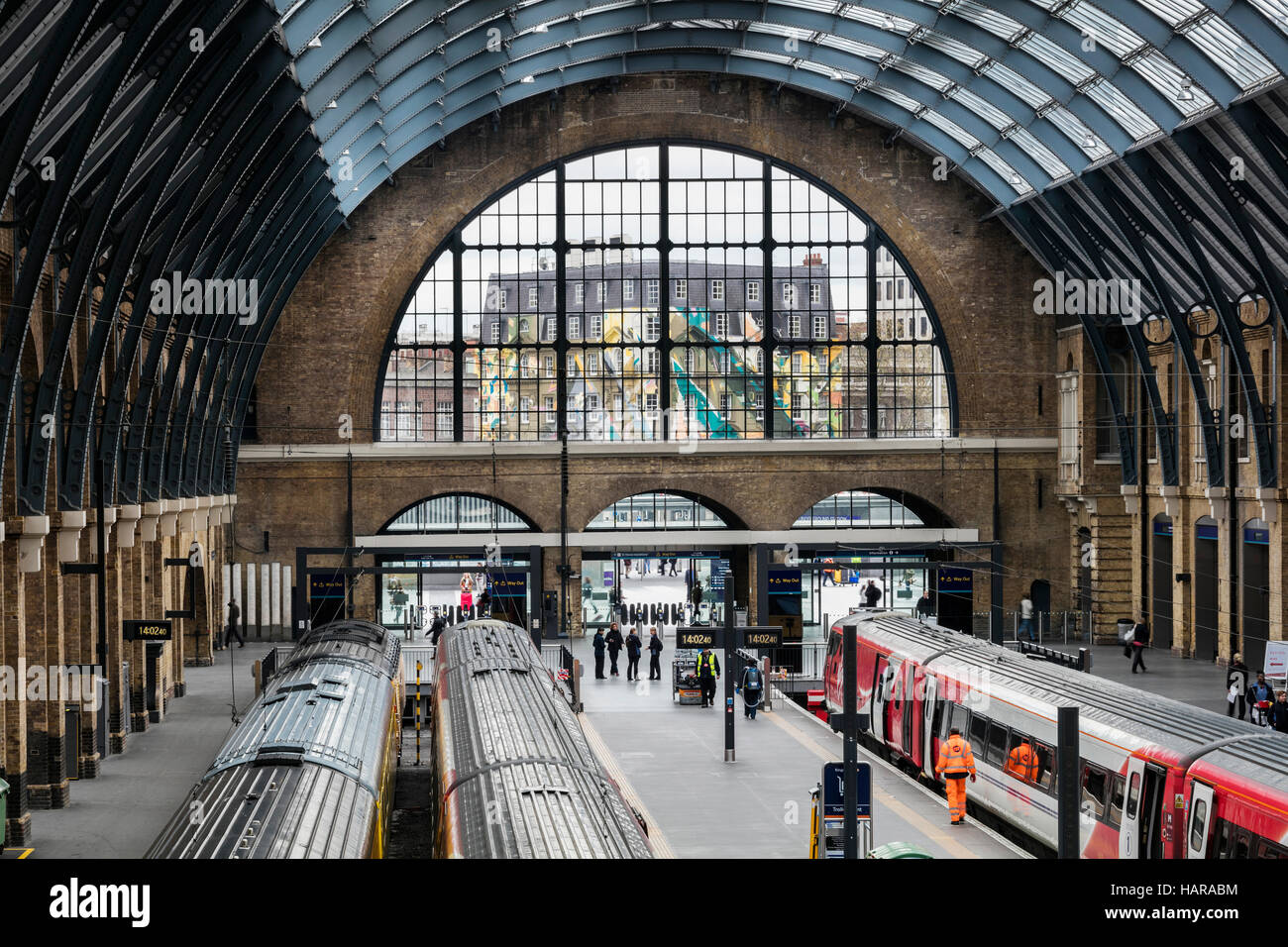
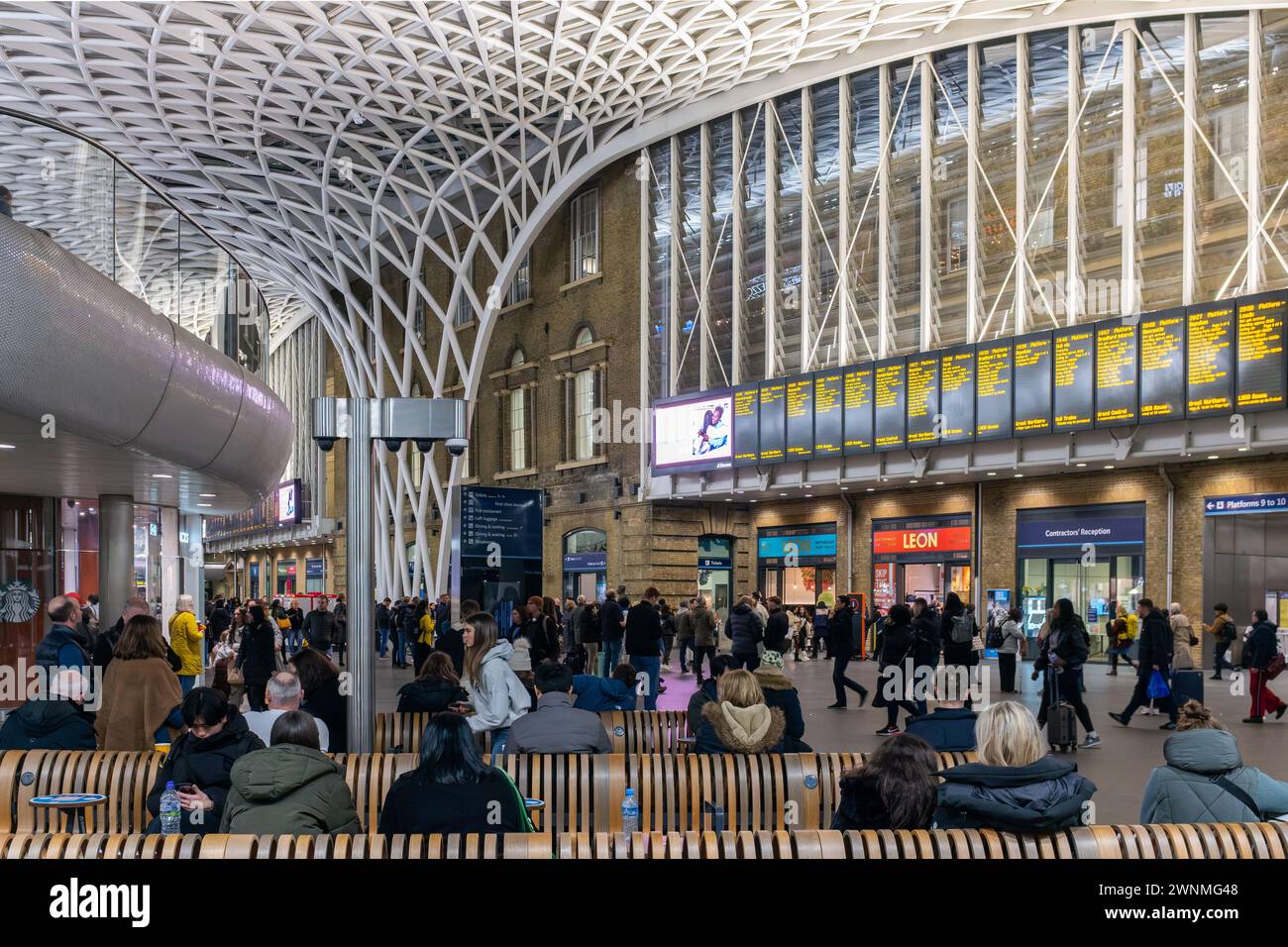
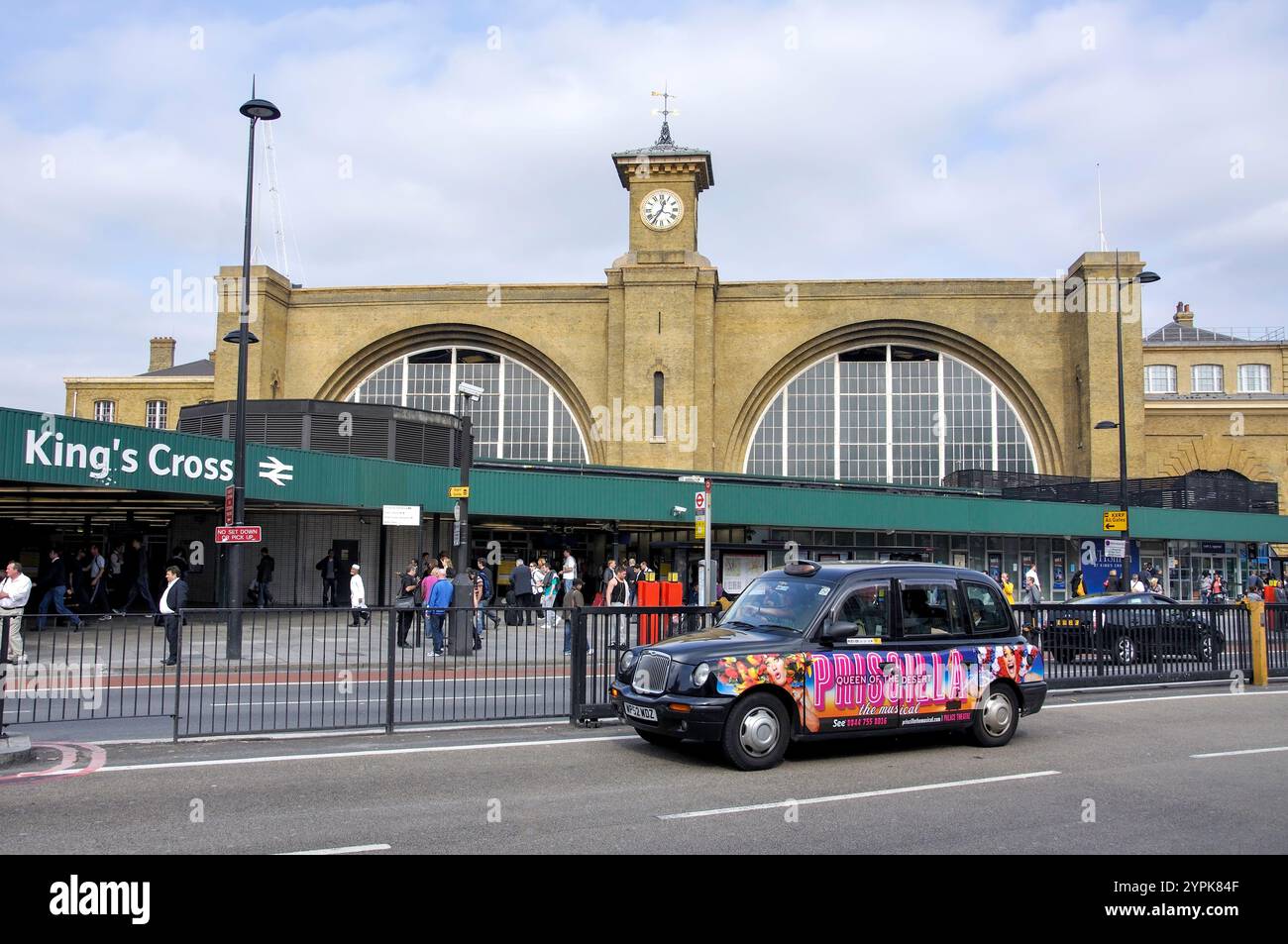
King's Cross Station, along with its adjacent international terminal at St Pancras, functions as a gateway connecting local London Underground lines, intercity rail corridors to Scotland and Northern England, and international Eurostar services to Europe. On any given day, hundreds of thousands of commuters, tourists, and transit workers pass through its concourses. When a violent crime involving a bladed weapon occurs within or immediately outside this environment, the spatial context fundamentally changes the nature of the event.
Unlike airports, which operate under strict "sterile area" security regimes characterized by mandatory physical screening, baggage X-rays, and restricted access, domestic rail stations across Great Britain operate on an open-access infrastructure model. This open model is designed to facilitate the rapid movement of vast passenger volumes. However, it also inherently limits the ability of venue operators to prevent individuals carrying concealed weapons from entering the concourse.
- King's Cross Transit Complex
- London Underground (TfL Jurisdiction)
- National Rail Terminus (Network Rail Domain)
- St Pancras Eurostar (Border Control)
- Multi-Agency Law Enforcement Security Matrix
- British Transport Police (BTP): Rail network & concourses
- Metropolitan Police Service (MPS): Surrounding streets & public realm
- Private Security / TfL Enforcement: Passenger management & revenue
When a stabbing occurs in such an ecosystem, the risk of collateral harm escalates significantly. Crowded concourses create chaotic environments where panic can lead to secondary injuries, stampedes, or severe disruptions to regional and national transport networks. Consequently, violent events at major hubs serve as direct tests of urban resilience and emergency preparedness.
Multi-Agency Policing and Legal Jurisdictions
Understanding why violent crime at King's Cross draws intense scrutiny requires examining the complex legal and operational framework governing UK transport security. Policing public transport in London involves two main police forces operating under distinct statutory mandates:
- British Transport Police (BTP): The national special police force responsible for policing railways across England, Scotland, and Wales. BTP officers possess full police powers on and around rail property, focusing on railway safety, passenger security, and counter-terrorism.
- Metropolitan Police Service (MPS): The territorial police force responsible for Greater London. MPS officers cover the public realm, streets, and commercial areas surrounding rail stations.
When a major incident occurs at King's Cross, the line between BTP and MPS jurisdiction can blur rapidly. A suspect who commits an offence on an surrounding street like Euston Road and flees into the underground station transitions across jurisdictional boundaries in seconds.
Effective response relies on pre-established interoperability protocols governed by the College of Policing and Joint Emergency Services Interoperability Principles (JESIP). A major stabbing tests the speed of real-time communication between police control rooms, London Ambulance Service (LAS) rapid response units, and station operational management. The performance of these systems during a crisis dictates how quickly a perpetrator is apprehended and how fast life-saving medical intervention is administered to victims.
Policy Debates Surrounding UK Knife Crime
Violent incidents at high-profile locations inevitably trigger intense debate among policymakers, legal experts, and community leaders regarding knife crime prevention strategies. Under the Offensive Weapons Act 2019 and the Criminal Justice Act 1988, carrying a bladed or sharply pointed article in a public place without good reason or legal authority is a severe criminal offence carrying a maximum sentence of four years' imprisonment.
Despite stringent legal frameworks, knife-enabled crime remains a persistent challenge in major urban centers. When a stabbing occurs at a central landmark like King's Cross, it galvanizes political focus on several controversial public safety policies:
Stop-and-Search Powers
Incidents at transit hubs often lead to calls for increased use of powers under Section 60 of the Criminal Justice and Public Order Act 1994, which allows police officers to search individuals without reasonable suspicion in a designated area for a defined period if serious violence is anticipated. Proponents argue Section 60 serves as a vital deterrent in high-risk zones, while critics highlight concerns regarding racial profiling, community trust, and long-term effectiveness.
Targeted Weapon Screening
Unlike static metal detectors at airports, deploying weapons screening at railway stations requires flexible tactics. High-profile incidents frequently prompt the deployment of temporary "knife arches" (walk-through metal detectors) and passive drug-and-weapon detection dogs at station barriers. Law enforcement agencies must balance security screening with passenger flow management to prevent dangerous overcrowding at ticket lines.
Public bleed Control Infrastructure
Modern trauma medicine emphasizes that severe hemorrhaging from knife wounds can become fatal within minutes. High-visibility incidents have accelerated initiatives by charities, local councils, and transport operators to install publicly accessible Bleed Control Kits—containing specialized tourniquets, pressure dressings, and gauze—alongside Automated External Defibrillators (AEDs) in major stations.
Security Protocols at Major British Transit Hubs
To maintain safety without bringing passenger movement to a standstill, security agencies utilize a layered infrastructure model. The following table details the primary intervention strategies deployed at key transport nodes like King's Cross.
| Security Mechanism | Operational Scope | Responsible Authority | Primary Objective | Key Operational Limitation |
|---|---|---|---|---|
| High-Visibility Patrols | Station concourses, platforms, and perimeter streets | British Transport Police / Metropolitan Police | Deterrence, immediate tactical response, public reassurance | Resource-intensive; cannot cover every blind spot simultaneously |
| CCTV & Video Analytics | Complete station interior, entrances, and train approaches | Network Rail / Transport for London (TfL) | Real-time monitoring, evidence gathering, suspect tracking | Reactive rather than preventive unless actively monitored by operators |
| Deployable Knife Arches | Ticket barriers and primary entrance concourses | BTP in partnership with station security | Interception of concealed metallic weapons | Can cause severe passenger queueing and bottlenecking if overused |
| Project Servator | Unpredictable, highly visible police deployments | Multi-agency (BTP, MPS, City of London Police) | Disruption of hostile intent and general criminality | Relies on specialized officer training and public intelligence reporting |
| Bleed Control Cabinets | High-footfall public concourses and staff stations | Transport operators, local authorities, medical charities | Rapid emergency medical stabilization prior to paramedic arrival | Requires basic bystander awareness and willingness to intervene |
Psychological and Economic Impacts on Urban Transit
The significance of a violent event at a central station extends beyond legal proceedings and tactical police responses; it directly influences public perception and urban economic health. Transport networks depend entirely on public trust. When news of a stabbing at a major hub spreads, it creates an immediate perception of heightened personal risk among daily commuters and visitors.
Research into transit safety demonstrates that public fear of crime is frequently disproportionate to the actual statistical probability of being victimized on public transport. However, this psychological response carries real economic consequences:
- Shift in Commuter Behavior: Heightened security fears can lead passengers to alter travel routes, avoid evening transit hours, or shift to private vehicle transport, exacerbating urban road congestion.
- Impact on Station Retail: Modern major stations like King's Cross function as commercial centers containing extensive retail, dining, and service amenities. Diminished footfall or heightened anxiety directly impacts station-based businesses and the broader night-time economy.
- Operational Disruptions: Forensic scene preservation following a major crime requires police to cordon off large sections of the station. This can result in platform closures, train cancellations, and cascading delays across national rail routes, costing transport operators millions in operational disruption.
Emergency Response Protocol: Guidance for the Public
For commuters and travelers utilizing busy transit hubs, understanding how to navigate a major emergency or violent incident is essential. Security services and emergency responders advocate standard safety protocols designed to maximize personal protection during active incidents.
1. Recognizing and Escalating Suspicious Behavior
Passengers are encouraged to remain aware of their surroundings. The UK rail network operates the long-standing public safety campaign encapsulated in the phrase: See It, Say It, Sorted.
- See It: Notice something that does not look right, such as unattended luggage, erratic behavior, or individuals attempting to evade security staff.
- Say It: Report the observation immediately to a member of station staff or a police officer, or contact the British Transport Police directly by texting 61016 or calling 0800 40 50 40.
- Sorted: Transport authorities and police evaluate the report and take appropriate security action.
2. Immediate Actions During a Violent Incident
If an active violent incident or knife attack occurs in your immediate vicinity, national security guidance emphasizes three core actions:
RUN: Escape the immediate area if there is a safe path available. Insist that others leave with you, but do not allow their hesitation to delay your departure. Leave belongings behind.
HIDE: If escape routes are blocked or dangerous, find shelter behind substantial physical barriers (such as thick brick walls or reinforced security doors). Turn off phone ringers and vibration settings to remain silent.
TELL: Call emergency services (999) as soon as it is safe to do so. Provide clear information: exact location within the station, physical description of the attacker, type of weapon involved, and number of casualties.
ACTIVE INCIDENT DISCOVERED
- SAFE PATH AVAILABLE
- RUN
- ESCAPE ROUTE BLOCKED
- HIDE
- TELL: Call 999 (Provide Location, Attacker Description & Casualties)
- SAFE PATH AVAILABLE
Frequently Asked Questions
Why do violent incidents at King's Cross receive more national attention than street crimes elsewhere?
King's Cross is a major national and international transportation hub handling hundreds of thousands of daily passengers. Incidents occurring within high-profile infrastructure hubs raise immediate concerns about public safety in shared spaces, potential counter-terrorism implications, and the operational vulnerability of essential transport infrastructure, drawing greater media, political, and institutional focus.
Who is responsible for security inside King's Cross Station?
Security is a shared responsibility among multiple entities. The British Transport Police (BTP) holds primary law enforcement jurisdiction over the rail infrastructure. Network Rail manages station operations and concourse safety for the main terminal, while Transport for London (TfL) oversees the Underground network. Private station security staff assist with crowd control, revenue protection, and initial incident management.
How are UK authorities working to prevent knife crime on public transport?
Authorities utilize a multi-layered approach involving unpredictable high-visibility patrols (such as Project Servator), targeted deployments of mobile knife arches, specialized canine units, extensive CCTV networks, and intelligence sharing between local police forces and transport operators. Legislative measures, including strict laws on weapon possession and targeted stop-and-search operations, also support these efforts.
What should I do if I witness a knife incident at a train station?
Do not attempt to intervene physically. Prioritize your safety by moving away from the hazard immediately (RUN). If you cannot move away safely, seek cover behind physical structures (HIDE). Once you are in a secure location, call emergency services on 999 (TELL) and provide precise details regarding your location, the suspect, and any injuries observed.
Can commuters carry items for self-defense in the UK?
No. Under UK law, carrying any weapon or item intended for use as a self-defense tool—including pepper spray, CS gas, or bladed items—is illegal under the Prevention of Crime Act 1953 and related legislation. UK law does not recognize self-defense as a valid legal reason for carrying a prohibited item or weapon in a public place.
Actionable Next Steps for Commuters and Travelers
To maintain personal safety and contribute to security across the public transport network, passengers should adopt proactive safety habits:
- Save Emergency Contacts: Store the British Transport Police text number (61016) and emergency contact numbers in your mobile device for rapid access.
- Maintain Situational Awareness: Avoid becoming overly distracted by mobile devices or noise-canceling headphones when navigating busy station concourses, particularly during peak travel hours or late at night.
- Identify Safety Infrastructure: Take note of emergency assistance points, station staff locations, and medical emergency equipment (such as AEDs and bleed control kits) when using primary transit hubs.
- Report Concerns Promptly: Never assume someone else has reported a suspicious item or behavior. Prompt reports via the 61016 service allow BTP control rooms to assess CCTV footage and dispatch nearby officers within minutes.
Image Gallery