Do You Pay Tax on Savings Bonds? Understanding Federal and State Obligations
Interest earned on United States Savings Bonds is subject to federal income tax but remains exempt from all state and local income taxes. You can choose to report this interest annually as it accrues or defer reporting until you cash t...
Interest earned on United States Savings Bonds is subject to federal income tax but remains exempt from all state and local income taxes. You can choose to report this interest annually as it accrues or defer reporting until you cash the bond, it reaches final maturity, or you dispose of it.
Contents
United States Savings Bonds, specifically Series EE and Series I bonds, have long been a staple of conservative investment portfolios due to their sovereign backing and unique tax advantages. While they are often gifted to children or used as long-term "set-and-forget" savings vehicles, the eventual tax bill can surprise investors who do not plan for the reporting requirements. As of 2026, the Internal Revenue Service (IRS) continues to offer specific pathways for managing these tax liabilities, including potential exclusions for educational purposes.
Federal Income Tax Requirements
The most critical point for any bondholder is that the interest earned on U.S. Savings Bonds is always subject to federal income tax. Unlike "municipal bonds," which are often tax-exempt at the federal level, Treasury-issued savings bonds are fully taxable by the federal government.
The interest on these bonds is technically considered "original issue discount" or "accrued interest." Because Series EE and Series I bonds are "accrual-type" securities—meaning they do not pay out regular cash interest but instead grow in value—the tax liability builds up over time. You are required to report this interest in the year the bond is redeemed, reaches final maturity, or is otherwise disposed of (such as through a taxable transfer of ownership).
Cash Basis vs. Accrual Basis Reporting
The IRS allows bondholders to choose between two primary methods for reporting interest. Selecting the right method depends heavily on your current tax bracket and your expectations for future income.
- Cash Basis (Deferred Reporting): This is the most common method. You do not report any interest on your tax return until the year you actually cash the bond or the year it stops earning interest (final maturity). This is often preferred by investors who expect to be in a lower tax bracket upon retirement when they might redeem the bonds.
- Accrual Basis (Annual Reporting): You may choose to report the increase in the bond’s redemption value every year. If you choose this method, it must apply to all savings bonds you own and any you acquire in the future. Once you start reporting annually, you cannot switch back to deferred reporting without explicit permission from the IRS (usually by filing Form 3115).
Annual reporting is frequently used for bonds owned by minors. Since children often have little to no other income, their interest earnings may fall below the standard deduction, effectively making the bond interest tax-free if reported annually.
Exemption from State and Local Taxes
One of the most significant benefits of U.S. Savings Bonds is their protection from state and local taxation. Under federal law (31 U.S.C. § 3124), obligations of the United States government are exempt from taxation by a state or political subdivision of a state.
This exemption applies to:
- State Income Tax: Even in high-tax states, the interest earned on your savings bonds is not included in your state-level taxable income.
- Local/Municipal Tax: City or county income taxes also cannot be levied against this interest.
When you receive a Form 1099-INT from the Bureau of the Fiscal Service or your financial institution, the interest will be clearly marked. When filing your state return, you will typically see a line item for "Subtractions from Income" or "Interest on U.S. Obligations," where you can deduct the savings bond interest reported on your federal return.
The Education Savings Bond Program
The federal government provides a significant tax incentive for using savings bonds to pay for higher education. Under the Education Savings Bond Program, you may be able to exclude all or part of the interest from your federal income tax if you use the proceeds for qualified higher education expenses.
Eligibility Prerequisites
To qualify for the tax-free treatment of savings bond interest, several strict criteria must be met:
- Issuance Date: The bonds must have been issued after 1989.
- Purchaser Age: You must have been at least 24 years old before the bonds were issued. This means bonds purchased in a child’s name do not qualify for the exclusion; the bonds must be in the parent's name to pay for a child's education.
- Qualified Expenses: The funds must be used for "qualified higher education expenses" for yourself, your spouse, or a dependent for whom you claim an exemption. These expenses include tuition and fees but generally do not include room and board or books.
- Income Limits: The exclusion is subject to modified adjusted gross income (MAGI) limits, which are adjusted annually for inflation. In 2026, savers should check the current IRS thresholds to ensure their income does not phase out the benefit.
If the total redemption proceeds (principal plus interest) exceed the qualified educational expenses, the exclusion is proportional. For example, if you redeem $10,000 in bonds but only have $8,000 in expenses, only 80% of the interest can be excluded.
Taxation at Maturity and Redemption
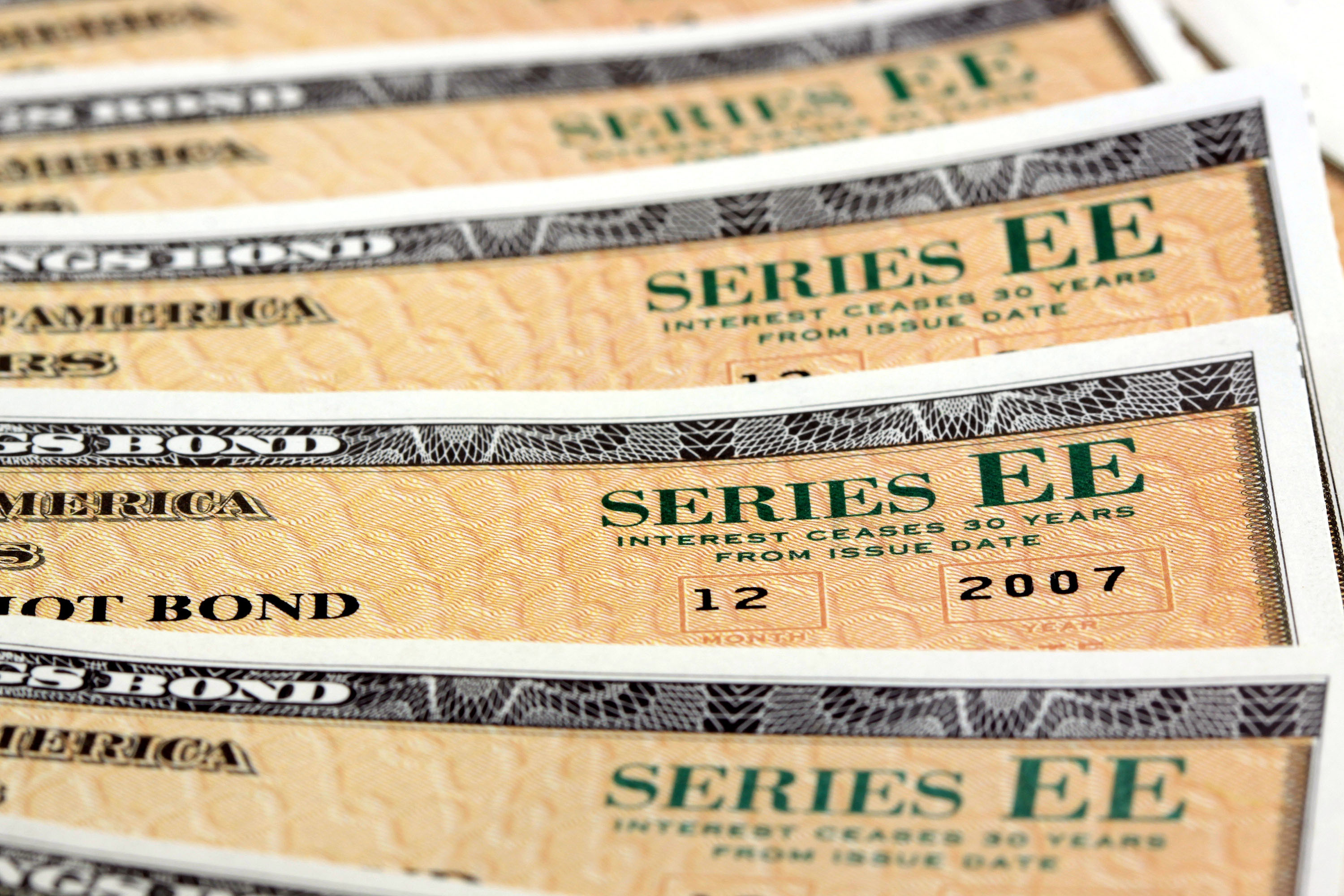
A common mistake investors make is holding onto bonds past their "final maturity." Series EE and Series I bonds have a specific lifespan—typically 30 years—during which they earn interest.
- Final Maturity: Once a bond reaches final maturity, it stops earning interest. The IRS considers all deferred interest to be taxable in that year, even if you do not physically cash the bond.
- Redemption: When you "cash in" the bond through TreasuryDirect or a participating financial institution, a Form 1099-INT is generated for the year of redemption. This form details the total interest earned over the life of the bond.
Comparison of Tax Features
The following table summarizes how U.S. Savings Bonds compare to other common fixed-income investments regarding taxation as of 2026.
| Investment Type | Federal Tax | State/Local Tax | Reporting Timing |
|---|---|---|---|
| U.S. Savings Bonds | Yes | No | Deferred or Annual |
| Municipal Bonds | Often No | No (if in-state) | Annual |
| Corporate Bonds | Yes | Yes | Annual |
| Certificates of Deposit (CDs) | Yes | Yes | Annual |
| Treasury Bills/Notes | Yes | No | At Maturity/Sale |
Tax Consequences of Ownership Changes
Taxation is triggered not only by redemption but also by changes in ownership. If you transfer a bond to another person, the accumulated interest up to the date of transfer is generally taxable to you.
Gifting Bonds
When you buy a bond for someone else, the tax liability remains dormant until the bond is redeemed. If the bond is issued in the recipient's name, the recipient is responsible for the taxes on the interest when they cash it. However, if you add a co-owner or change the primary owner, you may inadvertently trigger a taxable event for the interest earned up to that point.
Inheritance and Estate Taxes
Upon the death of a bondholder, the tax treatment depends on how the bond was held:
- Co-ownership: If a bond is held by "Person A or Person B," and Person A dies, Person B becomes the sole owner. No tax is due at that moment; Person B assumes the tax liability for all interest earned since the bond was originally purchased.
- Estate Taxation: Savings bonds are part of the decedent’s gross estate for federal estate tax purposes.
- Beneficiary Tax: Interest earned on savings bonds is considered "Income in Respect of a Decedent" (IRD). Unlike stocks, which receive a "stepped-up basis" to fair market value upon death, the interest on savings bonds is never stepped up. The beneficiary who cashes the bond will owe federal income tax on all the interest the decedent earned but never reported.
Common Mistakes and Troubleshooting
Navigating the taxation of savings bonds often leads to errors in reporting. One of the most frequent issues occurs with reissued bonds. If a bond is reissued to correct an error or change a name, it does not necessarily trigger a tax event, but if the social security number associated with the bond changes, the IRS may look for a final reporting of interest.
Another common error involves TreasuryDirect accounts. Since digital bonds do not have physical stubs, owners must proactively log in to download their 1099-INT forms each year they redeem bonds. The Treasury does not mail these forms.
Failing to report interest at final maturity is a significant risk for long-term holders. For instance, if you hold a Series EE bond purchased in the mid-1990s, it may hit its 30-year maturity mark in 2026. Even if you do not cash it, you must report the interest on your 2026 tax return to avoid penalties and interest from the IRS.
FAQ
1. Do I have to pay taxes on savings bonds if I use them for a 529 plan?
Yes, but you may be able to do so tax-free if you meet the Education Savings Bond Program requirements. You can redeem your bonds and contribute the proceeds to a 529 college savings plan. To the IRS, this contribution counts as a qualified education expense, allowing you to exclude the bond interest from your income for that year.
2. What happens if I inherited bonds and the previous owner never paid taxes on the interest?
As the beneficiary, you are responsible for the federal income tax on all the interest earned over the bond's entire life. However, you can claim a deduction on your federal return for any federal estate tax paid that was attributable to that interest. It is highly recommended to check the decedent's prior tax returns to see if they elected the "accrual basis" (annual reporting).
3. If I am in a 0% tax bracket, do I still owe tax on redeemed bonds?
While the interest is "taxable," if your total income (including the bond interest) is below the standard deduction for your filing status, you may end up owing $0 in actual taxes. This is why many parents report bond interest annually for their children, as the child's income often stays within the tax-free threshold.
4. Can I avoid taxes by cashing the bond at a bank instead of online?
No. Whether you cash a physical bond at a bank or a digital bond through TreasuryDirect, the paying agent is required to report the interest to the IRS. You will receive a Form 1099-INT, and a copy will be sent to the federal government.
5. Are Series I bonds taxed differently than Series EE bonds?
No, the tax treatment is identical. Both are subject to federal income tax and exempt from state/local tax. Both allow for the deferral of interest reporting until redemption or maturity, and both qualify for the education tax exclusion if the other requirements are met.
Practical Recommendations
For 2026, investors should review their holdings for any bonds reaching their 30-year maturity limit. If you have bonds nearing this date, plan for a higher tax bill in the year of maturity. If you are using bonds for education, ensure that the bonds are registered in the parent’s name and that you maintain meticulous records of tuition payments to support the exclusion on Form 8815. For those with significant bond holdings, consulting with a tax professional can help determine if switching from deferred to annual reporting might lower your long-term tax liability, especially in a fluctuating interest rate environment.
Image Gallery